
Common Childhood Illnesses in Japan: Symptoms and Treatment

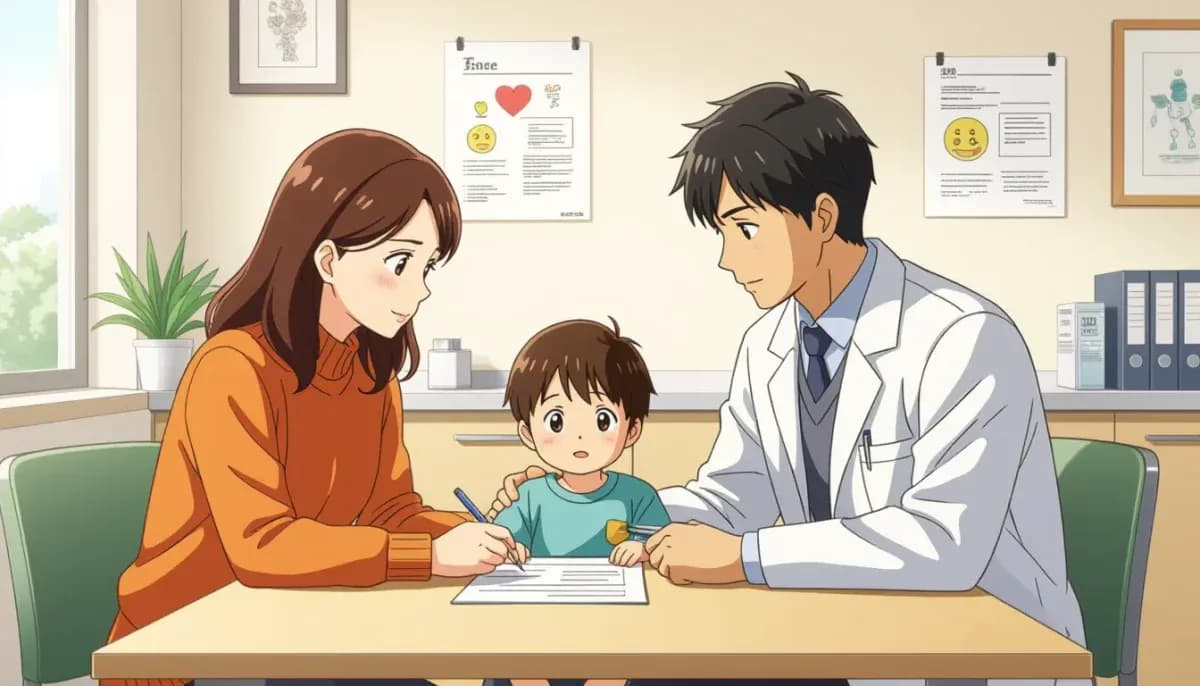
A complete guide for expat parents on the most common childhood illnesses in Japan — from influenza and hand foot mouth disease to RSV and roseola. Learn symptoms, treatments, and when to seek care.
Common Childhood Illnesses in Japan: Symptoms and Treatment
When your child gets sick in Japan, navigating a foreign healthcare system can feel overwhelming — especially if you are still learning Japanese. The good news is that Japan has one of the world's best pediatric healthcare systems, with the 7th lowest child mortality rate globally according to World Bank data. This guide covers the most common childhood illnesses you will encounter in Japan, how to recognize the symptoms, what treatment to expect, and how to manage everything as a foreign parent.
Whether your child has just started daycare or is enrolled in elementary school, understanding the illnesses that circulate in Japan will help you respond quickly and confidently when sickness strikes.
The Most Common Childhood Illnesses in Japan
According to a large-scale study using Japan's National Database of Health Insurance Claims, acute upper respiratory infections are the single most common illness affecting children aged 0 to 17 in Japan. The study, which analyzed data from 2012 to 2016, found that respiratory, digestive, and skin-related diseases dominate pediatric healthcare visits across all age groups.
Here is an overview of the most frequently seen childhood illnesses in Japan and their typical symptoms:
| Illness | Japanese Term | Peak Season | Primary Age Group | Common Symptoms |
|---|---|---|---|---|
| Common cold (kaze) | 風邪 (kaze) | Year-round | All ages | Runny nose, sore throat, mild fever, cough |
| Influenza | インフルエンザ (infuruenza) | December–March | All ages | High fever (38°C+), body aches, fatigue |
| Hand, foot, and mouth disease | 手足口病 (tefasshukubyou) | June–August | Under 5 | Fever, blisters on hands/feet/mouth |
| RSV (respiratory syncytial virus) | RSV感染症 | Summer (shifted post-COVID) | Under 2 | Wheezing, difficulty breathing, fever |
| Herpangina | ヘルパンギーナ | June–August | Under 5 | High fever, painful blisters in throat |
| Roseola (exanthem subitum) | 突発性発疹 (toppatsusei hasshin) | Spring/Autumn | 6 months–2 years | High fever then rash after fever breaks |
| Strep throat | 溶連菌 (yourenkin) | Winter/Spring | 3–10 years | Sore throat, fever, rash (scarlet fever) |
| Rotavirus/gastroenteritis | ロタウイルス | Winter | Under 5 | Vomiting, diarrhea, fever |
| Chickenpox | 水痘 (suito) | Spring | Under 10 | Itchy blisters all over body |
| Mycoplasma pneumonia | マイコプラズマ肺炎 | Autumn/Winter | 5–15 years | Persistent dry cough, low fever |
Influenza in Japan: What Expat Parents Need to Know
Japan takes influenza very seriously. Annual flu epidemics typically run from December through March, and most schools, daycare centers, and kindergartens have strict policies requiring children to stay home for a set number of days after diagnosis — usually until the fever has been gone for at least 24–48 hours. Your child's school will provide specific guidelines.
Diagnosis and treatment: Japanese pediatricians often perform a rapid flu test (a nasal swab that gives results in about 15 minutes). If positive, antiviral medication such as oseltamivir (Tamiflu) or zanamivir (Relenza) may be prescribed, especially for young children or those at risk. These antivirals are most effective when started within 48 hours of symptom onset.
Prevention: Annual flu vaccination is recommended for all children. Vaccines are typically available from October. School-age children who have never had the flu vaccine may need two doses in their first year.
For more details on navigating Japan's healthcare system as a foreigner, see our guide on Healthcare and Medical Care for Children in Japan.
Hand, Foot, and Mouth Disease (HFMD): A Summer Staple
Hand, foot, and mouth disease — known in Japanese as 手足口病 (tefasshukubyou) — is one of the most talked-about illnesses among parents of young children in Japan. HFMD epidemics occur every summer, with large-scale outbreaks every two years since 2011. It primarily affects children under 10, with those under 5 most vulnerable.
Symptoms:
- Fever (usually mild, 37–38°C)
- Painful blisters or ulcers inside the mouth
- Red spots or blisters on the palms of the hands and soles of the feet
- Occasionally on the buttocks or legs
- Irritability and poor appetite due to mouth pain
Cause: HFMD is caused by enteroviruses, primarily Enterovirus A71 (EV-A71) and Coxsackievirus A16. It spreads through contact with saliva, nasal discharge, or blister fluid.
Treatment: There is no specific antiviral treatment for HFMD. Management is supportive:
- Ensure adequate fluid intake (cold drinks or popsicles may be soothing)
- Soft, bland foods to reduce mouth pain
- Fever reducers (acetaminophen/paracetamol) if needed
- Keep your child home from daycare/school until all blisters have dried
Most children recover within 7–10 days. In rare cases, particularly with EV-A71, serious complications such as encephalitis or myocarditis can occur. Seek emergency care if your child develops severe headache, neck stiffness, difficulty breathing, or loss of consciousness.
RSV and Respiratory Illnesses: Recognizing Severity in Infants
Respiratory syncytial virus (RSV) is particularly dangerous for infants under 6 months and children with underlying conditions. An important recent development: after the COVID-19 pandemic, Japan's RSV seasonal peak shifted from autumn to summer, so parents should be aware of this year-round risk.
Symptoms to watch:
- Runny nose and congestion
- Mild cough that worsens over 2–3 days
- Wheezing or labored breathing
- Rapid breathing or chest retractions (skin pulling in between ribs)
- Poor feeding
When to seek emergency care immediately:
- Breathing rate above 60 per minute in infants
- Bluish coloring around lips (cyanosis)
- Grunting sounds with each breath
- Severe lethargy or unresponsiveness
Most healthy older children recover without intervention, but premature babies and infants under 3 months should be seen by a doctor at the first sign of respiratory illness.
For guidance on how to find a pediatrician and navigate language barriers, the team at Living in Nihon has a comprehensive breakdown of Japan's health insurance and medical system for foreigners.
Roseola and Other Infant Febrile Illnesses
Roseola (突発性発疹, toppatsusei hasshin) is extremely common in Japan and usually affects infants between 6 months and 2 years of age. Parents are often alarmed by the pattern: a very high fever (often 39–40°C) lasting 3–5 days, followed suddenly by a full-body pink rash appearing just as the fever breaks.
Key facts:
- The rash is not itchy and not contagious
- The child usually looks and acts surprisingly well despite the high fever
- No specific treatment is needed; the illness resolves on its own
- One occurrence typically confers lifelong immunity
- Febrile seizures can occur with high fevers — these are frightening but usually brief and not harmful
Herpangina is similar to HFMD but causes blisters only in the back of the throat. It tends to cause a higher fever and more throat pain but is also self-limiting within one to two weeks.
Dental Caries: The Hidden Health Issue
Research shows that dental caries (cavities) is the most common diagnosed condition among kindergarten and elementary school-age children in Japan. Annual dental health checks at schools catch many cases early, but expat parents should be proactive.
Japanese children typically visit the dentist every 3–6 months, and fluoride applications are routine. Finding a dentist who speaks English may be easier in major cities — check the JNTO foreign language clinic directory for your area.
Tips for prevention:
- Limit sugary snacks and drinks (Japanese children consume significant amounts of juice and sweet snacks)
- Help younger children brush properly — most dentists recommend brushing morning and night plus after sweet snacks
- Start dental visits early, ideally by age 1–2
Practical Tips: Managing Illness as an Expat Parent
The #8000 hotline: Japan operates a pediatric telephone consultation line at #8000. Call this number when your child is sick at night or on weekends for advice from a nurse or pediatrician. Hours and language availability vary by prefecture, but the service is invaluable when you're unsure whether to go to an emergency room.
Costs: Children in Japan benefit from heavily subsidized healthcare. In Tokyo's 23 wards, medical care for children through high school is completely free. In other regions, costs vary but are generally very low — children under 6 have a 20% copay rate (versus 30% for adults), and most municipalities have programs that make healthcare free or nearly free for children up to a certain age.
Essential Japanese medical vocabulary:
| English | Japanese | Pronunciation |
|---|---|---|
| Pediatrician | 小児科 | Shounikai |
| Fever | 熱 | Netsu |
| Cold/respiratory illness | 風邪 | Kaze |
| Rash | 発疹 | Hasshin |
| Influenza | インフルエンザ | Infuruenza |
| Vomiting | 嘔吐 | Outo |
| Diarrhea | 下痢 | Geri |
| Stomachache | 腹痛 | Fukutsuu |
| Sore throat | 喉の痛み | Nodo no itami |
| Emergency | 救急 | Kyuukyuu |
Finding a pediatrician: Look for clinics labeled 小児科 (shounikai). For a detailed look at what to expect during your child's appointment in Japan, Savvy Tokyo's guide to visiting a pediatrician is highly recommended reading for expat parents. In major cities, international clinics with English-speaking pediatricians are available. Many clinics now offer an online waiting system so you can register from home and receive a notification when your slot is approaching — very helpful with a sick child.
For expat families navigating both raising children and managing work and daily life in Japan, For Work in Japan offers a practical complete guide to family life in Japan for foreigners.
When to Go to the Emergency Room
Most childhood illnesses can be managed at a regular pediatric clinic during business hours. Use the emergency room for:
- Fever over 40°C (104°F) or fever in a baby under 3 months
- Difficulty breathing or rapid breathing
- Persistent vomiting or diarrhea causing dehydration (no wet diapers for 8+ hours)
- A seizure (even if it stops on its own)
- Unresponsiveness or extreme difficulty waking
- Severe headache with stiff neck
- A rash that looks like bruising and does not fade when pressed (could indicate meningococcal disease)
Japanese emergency departments (救急, kyuukyuu) are open 24 hours for genuine emergencies. Call 119 for an ambulance. For children, call #8000 first if unsure, as they can advise whether emergency care is needed.
For parents preparing for broader aspects of raising children in Japan, our article on Baby and Infant Care in Japan and Toddler Parenting in Japan cover the full range of health and development milestones.
Building a Health Routine for Your Child in Japan
Preventive healthcare is strongly emphasized in Japan. Children receive scheduled well-child checkups (乳幼児健康診査, nyuuyouji kenko shinsa) at set ages — 1 month, 3–4 months, 6–7 months, 9–10 months, 1 year, 18 months, and 3 years. These are offered at local public health centers (保健センター, hoken senta) and are free or heavily subsidized.
Japan's vaccination schedule is comprehensive and largely free through local government programs. Vaccines against measles, mumps, rubella, chickenpox, Japanese encephalitis, hepatitis B, and others are provided. Keep your child's mother and child health handbook (母子健康手帳, boshi kenko techo) updated, as it serves as the official record of vaccinations and health checks.
For academic health tips on maintaining children's wellbeing alongside study and activities, you may also find useful perspectives at Chuukou Benkyou.
Understanding the illness landscape helps you stay calm when your child gets sick. Japan's pediatric care system is excellent, and with a little preparation and the right vocabulary, you can navigate it with confidence.

Originally from Vietnam, living in Japan for 16+ years. Graduated from Nagoya University, with 11 years of professional experience at Japanese and international companies. Sharing practical information for foreign parents raising children in Japan.
View Profile →Related Articles
Children's Health Checkup Timeline in Japan
Complete guide to Japan's children's health checkup timeline for foreign parents. Learn about free municipal checkups, vaccination schedules, costs, and tips for expats navigating the Japanese healthcare system.
Read more →
When Your Child Is Hospitalized in Japan
Navigate your child's hospitalization in Japan with confidence. Learn about admission procedures, costs, insurance coverage, what to bring, communicating with staff, and discharge in Japan's pediatric system.
Read more →
Understanding Medical Forms and Documents at Japanese Schools
A complete guide to understanding medical forms and health documents at Japanese schools for foreign families, including school health checkups, vaccination records, allergy forms, and enrollment documents.
Read more →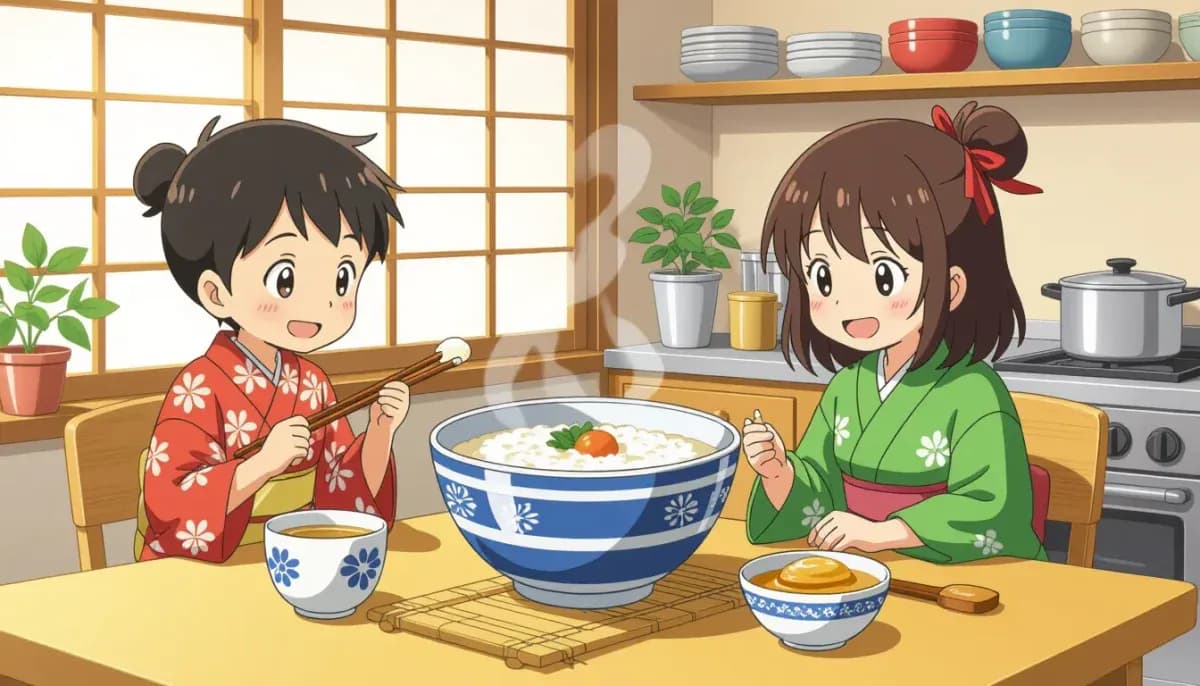
Traditional Japanese Remedies and Home Treatments for Kids
Discover traditional Japanese home remedies for children: okayu, hachimitsu daikon, shoga-yu, umeboshi, and Kampo medicine. Practical guide for foreign parents in Japan.
Read more →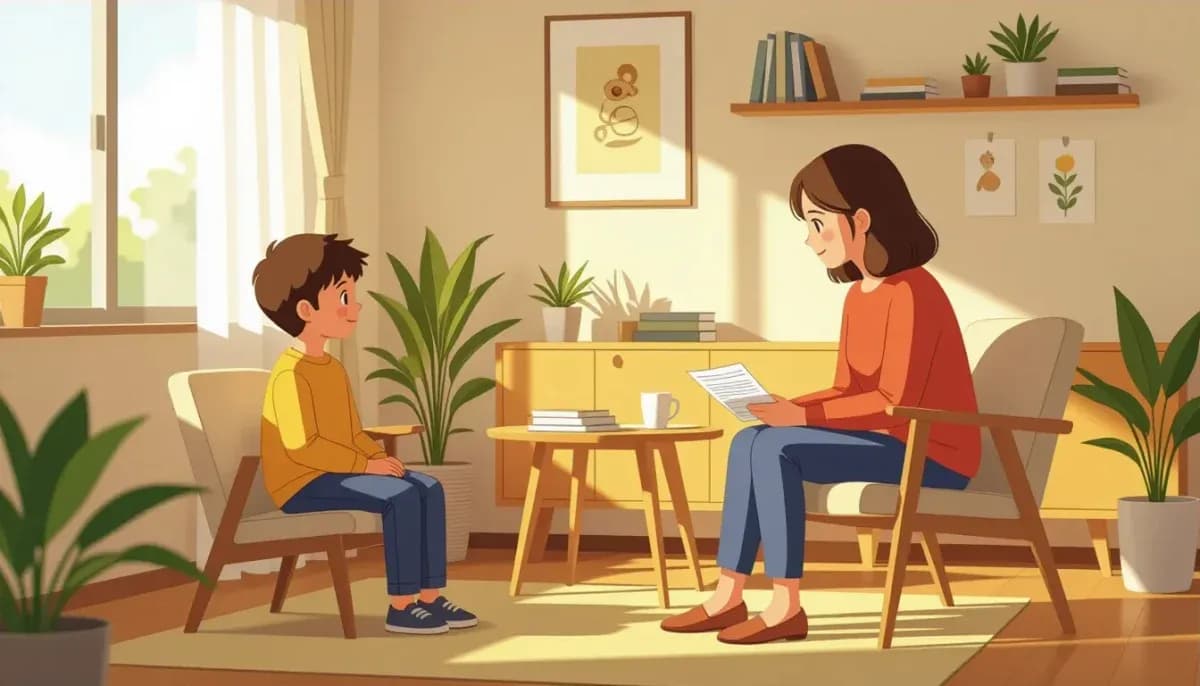
Mental Health Services for Children in Japan
Navigate mental health services for children in Japan as a foreign parent. Find English-speaking therapists, understand insurance coverage, and access crisis resources for your child.
Read more →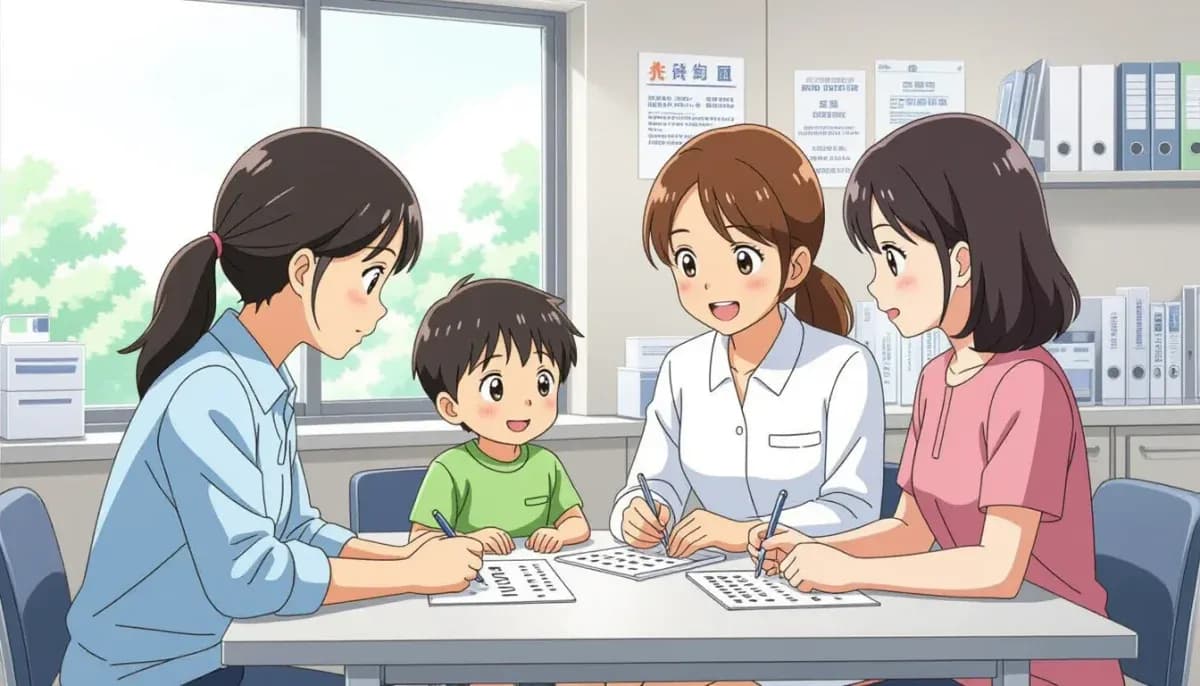
Eye Care and Vision Screening for Children in Japan
Complete guide to children's eye care in Japan: mandatory school vision screenings, ganka clinics, myopia statistics, insurance coverage, and tips for expat families navigating Japan's eye health system.
Read more →