
Complete Vaccination Schedule for Children in Japan

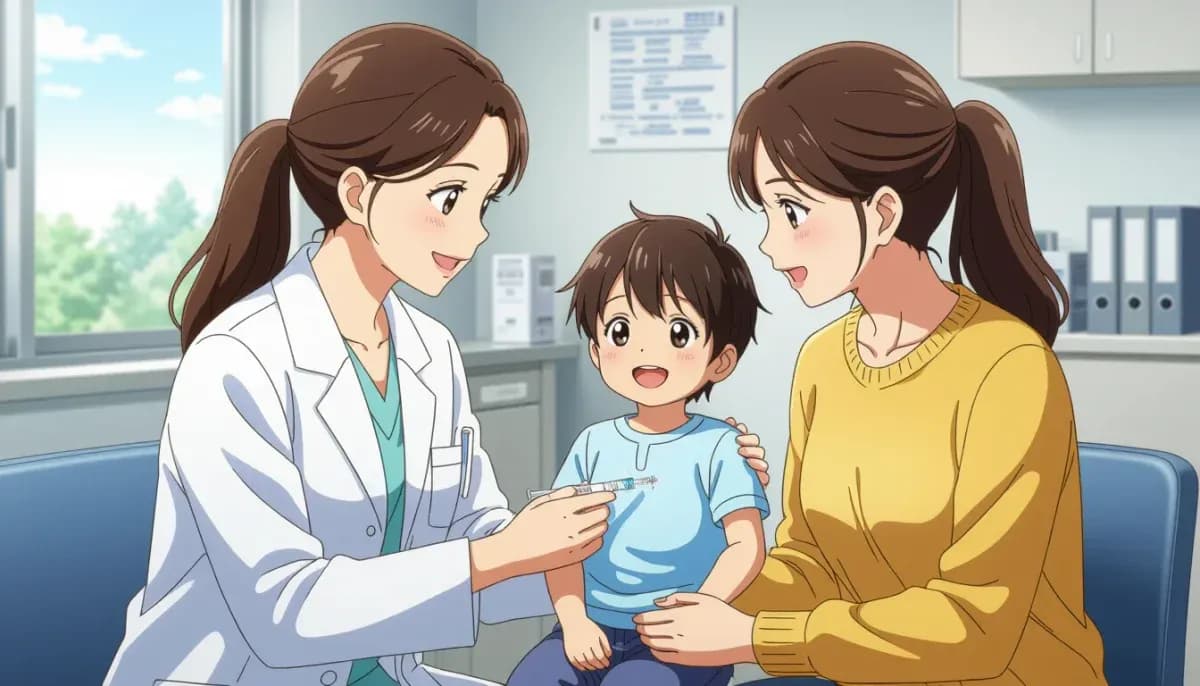
Everything foreign parents need to know about Japan's childhood vaccination schedule: free routine vaccines, optional shots, how to get coupons, and tips for expat families navigating the system.
Complete Vaccination Schedule for Children in Japan
Navigating Japan's healthcare system as a foreign parent can feel overwhelming—especially when it comes to keeping your child's vaccinations on track. The good news is that Japan has one of the most comprehensive childhood immunization programs in the world, and foreign families who are registered residents are fully entitled to participate. This guide walks you through everything you need to know: which vaccines are offered, when they're given, how much they cost, and how to make sure your child doesn't miss a single shot.
!Vaccination schedule for children in Japan
Understanding Japan's Two-Tier Vaccination System
Japan classifies childhood vaccinations into two categories: routine (定期接種, teiki sesshu) and optional/voluntary (任意接種, nini sesshu). The distinction matters because it determines who pays the bill.
Routine immunizations are mandated under Japan's Preventive Vaccination Law. Municipalities are required to provide these vaccines free of charge to registered residents. When you register your child at the local ward office (区役所, kuyakusho) or town hall (市役所, shiyakusho), the government will mail vaccination notices and coupon booklets to your home. These coupons must be presented at your child's appointment.
Optional immunizations are recommended by medical societies but are not covered by municipal programs. Parents pay out of pocket, and prices vary by clinic. Despite being "optional," many of these vaccines—such as Rotavirus—are strongly advised by pediatricians.
The key takeaway: make sure you are officially registered as a resident in your municipality. Without registration, you will not receive the free-vaccine notices that Japanese families take for granted.
Routine Vaccines: The Full Schedule
Japan's routine vaccination program covers ten major vaccines, beginning as early as birth and continuing through the early teenage years. Here is the complete schedule according to the Japan Pediatric Society's English immunization chart (updated May 2025):
| Vaccine | Disease Protection | Doses | Starting Age | Notes |
|---|---|---|---|---|
| Hepatitis B (HepB) | Hepatitis B | 3 | Birth / 2 months | 1st dose often given at birth |
| Hib | Haemophilus influenzae type b | 4 | 2 months | Combined with other shots |
| PCV (Pneumococcal) | Pneumococcal disease | 4 | 2 months | Protects against meningitis |
| DPT-IPV | Diphtheria, Pertussis, Tetanus, Polio | 4 + booster | 3 months | Combined 4-in-1 vaccine |
| BCG | Tuberculosis | 1 | 5–8 months | Asia-specific; not used in many Western countries |
| Rotavirus | Rotavirus gastroenteritis | 2 or 3 | 6–15 weeks | Now routine since 2020 |
| MR (Measles-Rubella) | Measles & Rubella | 2 | 1 year (1st), 5–6 years (2nd) | Critical for herd immunity |
| Varicella (Chickenpox) | Chickenpox | 2 | 1 year | 27-day interval between doses |
| Japanese Encephalitis | Japanese Encephalitis | 4 | 3 years | Asia-specific; rarely given in the West |
| HPV | Human Papillomavirus | 3 | Age 11–12 (girls and boys) | Program reinstated after 2022 |
For a printable version of this schedule in English, refer to the Japan Pediatric Society's official English immunization chart.
What Expat Parents Need to Know About Asia-Specific Vaccines
Two vaccines on Japan's routine schedule may surprise parents from Western countries: BCG and Japanese Encephalitis. Neither is routinely administered in North America, Europe, or Australia, so you may be unfamiliar with them.
BCG (Tuberculosis Vaccine)
The BCG vaccine is given once, typically between 5 and 8 months of age. Japan still uses BCG because tuberculosis remains a concern in parts of Asia. The vaccination leaves a small scar on the upper arm.
Important note for expats: Children who receive BCG will likely test positive on a standard tuberculin skin test (Mantoux/PPD test) for several years afterward. If your child ever has a TB screening in another country, inform the healthcare provider that your child received BCG in Japan. A false positive does not mean your child has TB.
Japanese Encephalitis (JE) Vaccine
Japanese encephalitis is a mosquito-borne viral infection most common in rural Asia. Japan's routine program includes 4 doses of JE vaccine, starting at age 3 years. For families living in urban centers, the risk is lower—but the vaccine is still recommended.
If you plan to return to a country where JE vaccine is not available, getting these doses in Japan makes sense while they're free and accessible.
Comparing Home-Country vs. Japan Schedules
If your child started vaccinations in another country before moving to Japan, do not panic—most vaccines are internationally compatible. Bring any vaccination records you have (physical or digital) to your first pediatric appointment. A Japanese pediatrician can:
- Verify which doses have already been given
- Map completed doses onto Japan's schedule
- Avoid duplicate vaccinations
- Plan catch-up doses for any missed vaccines
The Sapporo English Medical Interpreters (SEMI) vaccination guide offers detailed advice on managing international vaccination records in Japan.
!Children's vaccination Japan guide for foreign parents
How to Access Free Vaccinations as a Foreign Resident
The process of accessing Japan's free childhood vaccines is straightforward once you know the steps:
Step 1: Register Your Child at the Local Ward Office
After your child is born in Japan, register the birth (出生届, shussei todoke) at your local ward office within 14 days. This triggers the government system to send you the Mother and Child Health Handbook (母子健康手帳, boshi kenko techo) and eventually the vaccination coupon booklets.
If you moved to Japan with a child who was already born, register your child as a resident (住民登録, jumin toroku) at the ward office.
Step 2: Receive Vaccination Notices by Mail
Once registered, your local health center (保健所, hokenjo) will mail vaccination notices and coupon books to your home. These documents list which vaccines are due and the eligible age windows. Notices are typically in Japanese only. If you cannot read Japanese, bring the notice to your ward office's international desk, your pediatrician's office, or ask a Japanese-speaking friend for help.
Step 3: Book an Appointment at a Designated Clinic
Routine vaccinations can be received at:
- Designated pediatric clinics (指定医療機関) listed by your municipality
- Group vaccination sessions often held at community health centers
When booking, mention that you have coupon booklets (受診票). Bring the coupon booklets and your Mother and Child Health Handbook to every appointment. The nurse or doctor will stamp the handbook to record each vaccine administered.
Step 4: Follow Up and Track Progress
Keep the Mother and Child Health Handbook safe—it is your child's official vaccination record in Japan. Many schools and daycare centers will ask to see it. For more information on integrating into Japan's healthcare system, see our guide to Healthcare and Medical Care for Children in Japan.
Optional Vaccines Worth Considering
While not covered by the government program, these optional vaccines are widely recommended by Japanese pediatricians:
| Vaccine | Disease | Cost Estimate | Notes |
|---|---|---|---|
| Mumps | Mumps | ¥5,000–¥8,000 per dose | Japan still has mumps outbreaks; highly recommended |
| Influenza | Seasonal flu | ¥3,000–¥4,000 per dose | Especially important for young children in daycare |
| Meningococcal | Bacterial meningitis | ¥15,000–¥20,000 per dose | Recommended for children traveling internationally |
| Hepatitis A | Hepatitis A | ¥8,000–¥12,000 per dose | Useful if traveling to high-risk areas |
Note: Some municipalities subsidize optional vaccines (especially the mumps vaccine). Check with your local health center about available subsidies in your area.
Key Rules and Timing Tips
Following these guidelines will help you stay on schedule and avoid any gaps:
- Start early. The first vaccines (Hib, PCV, DPT-IPV, and HepB) are recommended starting at 2 months of age. Delaying increases disease risk during the most vulnerable window.
- Live vaccine interval. There is a mandatory 27-day minimum waiting period between injections of live vaccines (chickenpox, MR). Most other modern vaccines can be given simultaneously or with shorter intervals—ask your pediatrician.
- Multiple vaccines at once are safe. Research consistently shows that receiving several vaccines on the same day does not increase side effects or reduce effectiveness. Japan's schedule often calls for 3–4 simultaneous injections at the 2-month visit.
- Stick to the same brand. If your child has started a multi-dose series (e.g., PCV), try to use the same vaccine brand throughout. Completing the series is always the priority, even if brand-switching is necessary.
- Track coupon expiry. Each coupon booklet specifies age windows during which the vaccine must be received. Missing a window may require paying out of pocket.
For a broader picture of your child's health needs in Japan, our guide to Baby and Infant Care in Japan covers the full range of health checkups, growth monitoring, and pediatric care.
Navigating Language Barriers
Vaccination-related paperwork in Japan is almost exclusively in Japanese. Here are strategies for managing the language gap:
- Ward office international desk: Most major cities have multilingual staff at the ward office who can explain the vaccination coupon system.
- English-speaking pediatricians: JMIP-accredited hospitals and international clinics (e.g., Tokyo Midtown Clinic, St. Luke's International Hospital) offer vaccination services with English-speaking staff.
- Multilingual guides: The Japan Handbook's guide to vaccinations and health checkups for expats in Japan provides practical English-language navigation help.
- The Expat's Guide to Japan has a dedicated child immunization section explaining how to handle vaccines received abroad.
- SEMI (Sapporo English Medical Interpreters): If you're in Hokkaido, their vaccination schedule chart is an excellent bilingual reference.
For comprehensive guidance on life as a foreign parent in Japan, Living in Nihon's Japan expat resource hub and For Work in Japan's family life in Japan guide are both valuable references for navigating daily life, healthcare, and more.
Frequently Asked Questions
Q: Do I need to pay for routine vaccinations? No. Routine vaccinations listed in Japan's national program are free for children registered as residents. You must present the vaccination coupons issued by your municipality.
Q: My child received some vaccines in my home country. Do I need to redo them? Not necessarily. Bring your vaccination records to a Japanese pediatrician. They will assess which doses are equivalent and plan catch-up doses for any gaps.
Q: What if I miss a vaccine window? Contact your local health center or pediatrician. Many catch-up doses are still available at reduced or no cost; others may require out-of-pocket payment. Acting quickly is better than waiting.
Q: Is the HPV vaccine available for boys? Yes. Japan expanded its HPV vaccination program to include boys in addition to girls, as part of efforts to increase overall coverage and reduce transmission.
Q: Where can I get English-language vaccination forms? Some municipalities provide bilingual forms. If yours does not, the Japan Pediatric Society's English immunization schedule is available online and can help guide conversations with your doctor.
Summary
Japan's childhood vaccination program is comprehensive, largely free, and accessible to all registered residents—including foreign families. The key steps are: register your child at the local ward office, watch for vaccination notices in the mail, book appointments at designated clinics with your coupon booklets and Mother and Child Health Handbook, and stay on top of the schedule starting at 2 months of age.
Pay special attention to Asia-specific vaccines like BCG and Japanese Encephalitis, which may not be in your home-country's program, and be aware of the BCG-TB test interaction if you plan to travel internationally. For optional vaccines like mumps and influenza, budget for out-of-pocket costs and ask your pediatrician for recommendations.
For further reading on raising children in Japan as a foreign parent, explore our guides on Pregnancy and Giving Birth in Japan, Toddler Parenting in Japan, and Government Benefits and Subsidies for Families in Japan.

Originally from Vietnam, living in Japan for 16+ years. Graduated from Nagoya University, with 11 years of professional experience at Japanese and international companies. Sharing practical information for foreign parents raising children in Japan.
View Profile →Related Articles
Children's Health Checkup Timeline in Japan
Complete guide to Japan's children's health checkup timeline for foreign parents. Learn about free municipal checkups, vaccination schedules, costs, and tips for expats navigating the Japanese healthcare system.
Read more →
When Your Child Is Hospitalized in Japan
Navigate your child's hospitalization in Japan with confidence. Learn about admission procedures, costs, insurance coverage, what to bring, communicating with staff, and discharge in Japan's pediatric system.
Read more →
Understanding Medical Forms and Documents at Japanese Schools
A complete guide to understanding medical forms and health documents at Japanese schools for foreign families, including school health checkups, vaccination records, allergy forms, and enrollment documents.
Read more →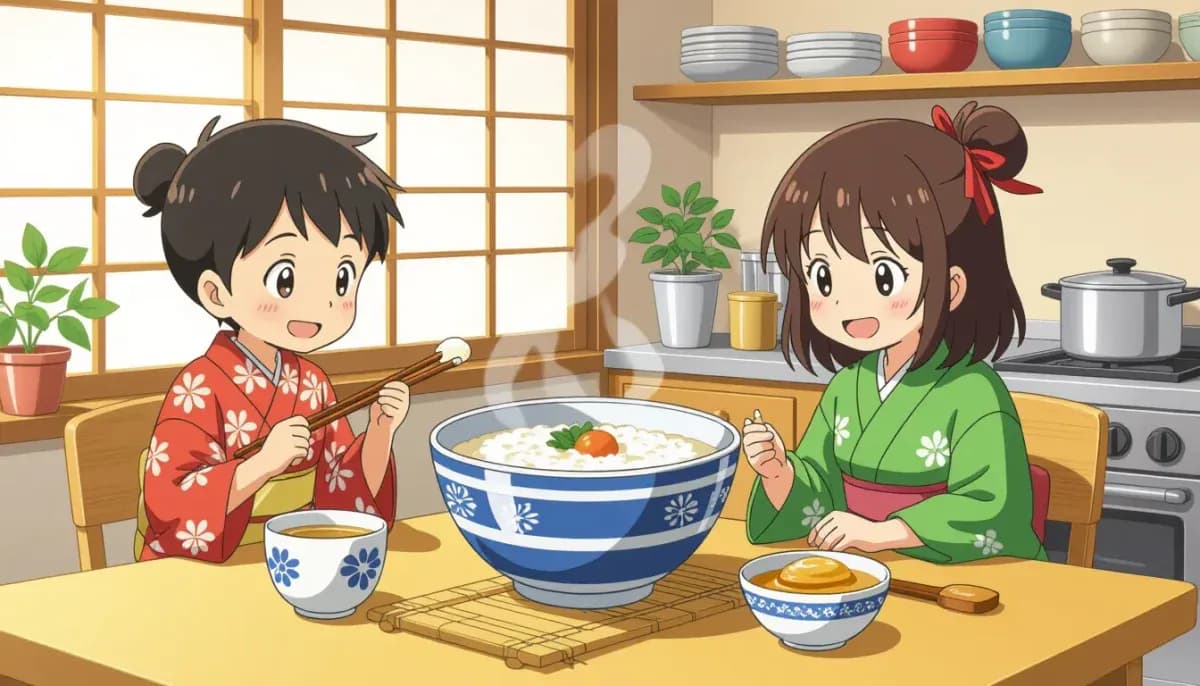
Traditional Japanese Remedies and Home Treatments for Kids
Discover traditional Japanese home remedies for children: okayu, hachimitsu daikon, shoga-yu, umeboshi, and Kampo medicine. Practical guide for foreign parents in Japan.
Read more →
Mental Health Services for Children in Japan
Navigate mental health services for children in Japan as a foreign parent. Find English-speaking therapists, understand insurance coverage, and access crisis resources for your child.
Read more →
Eye Care and Vision Screening for Children in Japan
Complete guide to children's eye care in Japan: mandatory school vision screenings, ganka clinics, myopia statistics, insurance coverage, and tips for expat families navigating Japan's eye health system.
Read more →