
Part-Time Jobs for High School Students in Japan

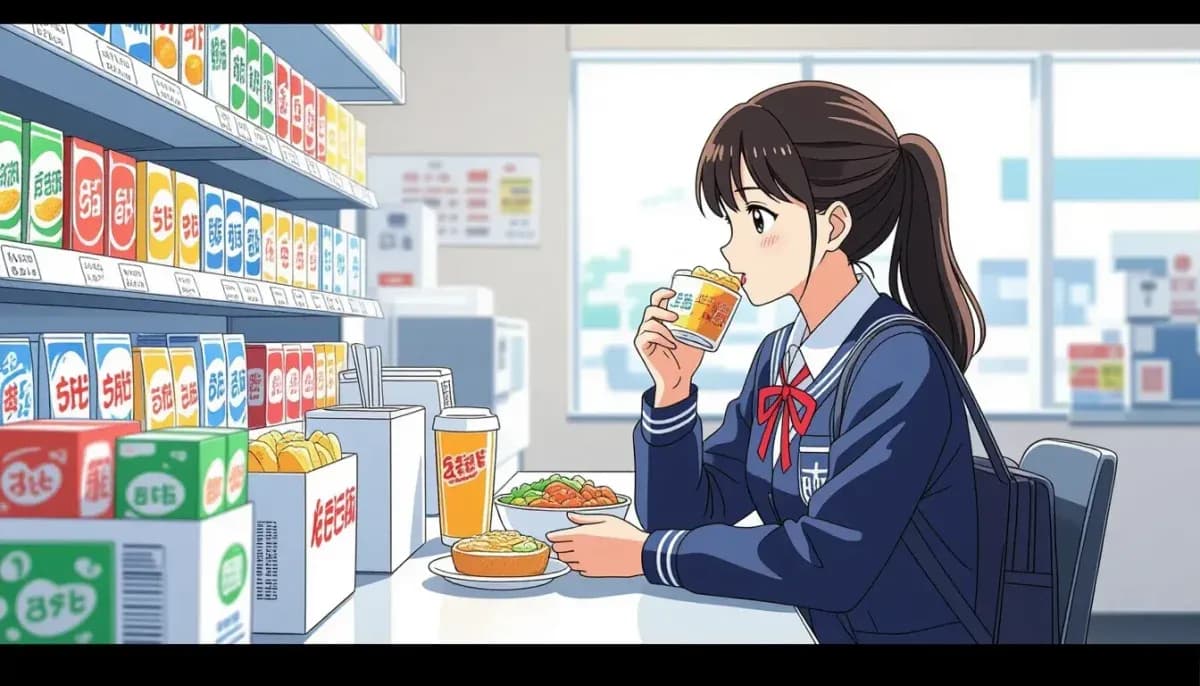
Complete guide to arubaito (part-time jobs) for high school students in Japan. Learn legal requirements, work permit rules, wages, job types, and how foreign students can start working legally.
Part-Time Jobs for High School Students in Japan: A Complete Guide for Foreign Families
For many teenagers in Japan, working a part-time job — known as arubaito (アルバイト) — is a rite of passage. High school students pack shelves at convenience stores, serve ramen on weekends, and tutor younger students after class. But for foreign families, navigating the rules around student employment can feel confusing. What are the legal requirements? How many hours can your child work? Which jobs are actually available to non-Japanese speakers?
This guide answers all of those questions. Whether your child is a foreign national studying in a Japanese high school or a bilingual teen looking to earn pocket money, here is everything you need to know about part-time jobs for high school students in Japan.
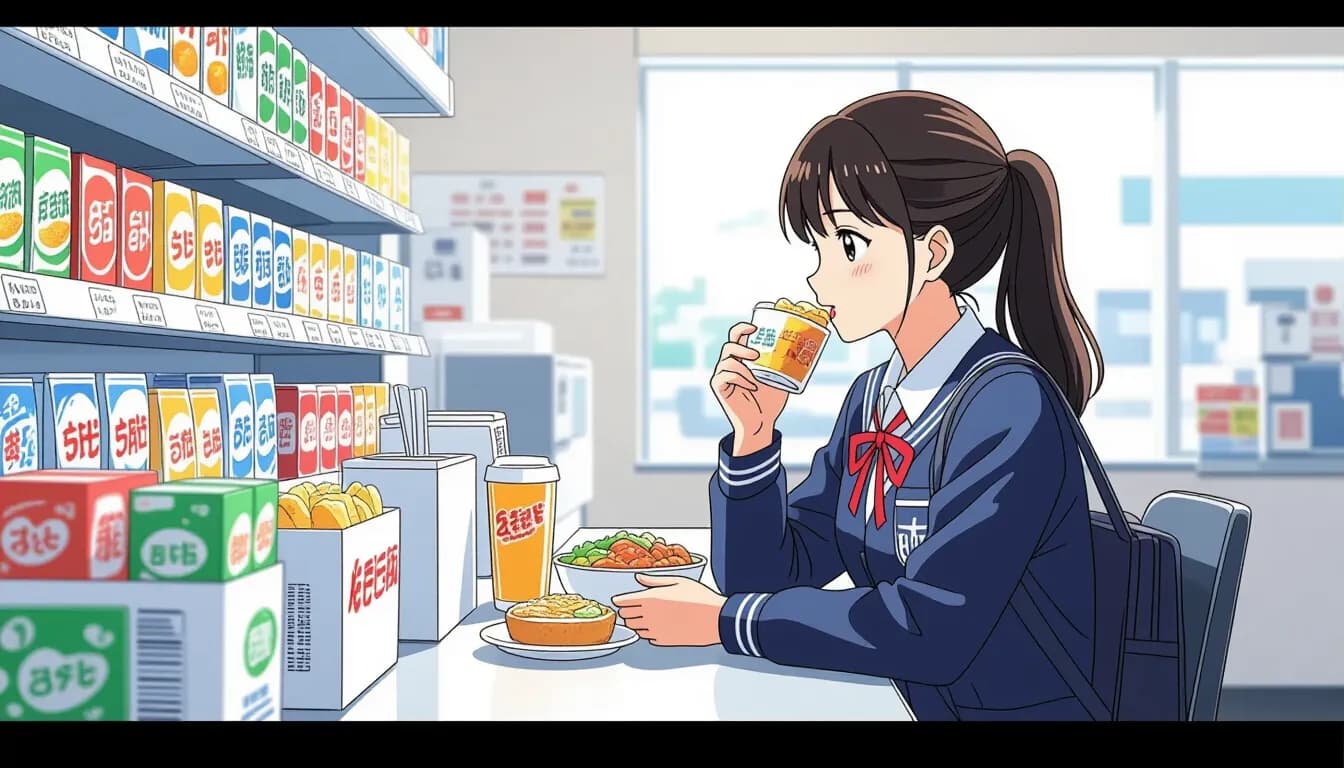
Who Can Work? Age and Legal Requirements in Japan
Under Japanese labor law, young people may begin part-time work after completing junior high school — generally at age 15. However, there are important restrictions for minors (anyone under 18):
- Work is prohibited between 10 PM and 5 AM
- Certain dangerous or hazardous occupations are off-limits
- Parental consent is typically required before starting a job
- Students cannot work in adult entertainment venues under any circumstances
For foreign students holding a student visa, the rules are stricter. You cannot simply start working — you must first obtain official permission from the Japanese immigration authorities.
The Permission You Need: Shikakugai Katsudokyoka
Foreign students who want to work in Japan must apply for 資格外活動許可 (shikakugai katsudokyoka) — literally "permission to engage in activity other than that permitted by the status of residence." Without this permission, working is illegal and can result in serious visa consequences.
The easiest way to apply is at the airport when you first arrive in Japan. Alternatively, you can apply at your local immigration office after settling in. Once granted, the permission allows you to work legally within specified limits.
For more information on employment options and requirements for foreigners in Japan, see the Finding Jobs in Japan for Foreigners Complete Guide on Living in Nihon.
How Many Hours Can High School Students Work?
Working hours are strictly regulated for student visa holders:
| Period | Maximum Weekly Hours |
|---|---|
| During school term | 28 hours per week |
| Summer vacation (July–August) | 40 hours per week |
| Winter vacation (December–January) | 40 hours per week |
| Spring vacation (March) | 40 hours per week |
| Public holidays | Counted within weekly limit |
These limits apply to foreign students on a student visa. Japanese high school students or permanent residents are not bound by the 28-hour weekly cap, though school rules may impose their own restrictions on working hours.
It is important to track hours carefully. Working beyond the legal limit — even by accident — is considered a visa violation and can affect future visa renewals.
Minimum Wage in Japan: What to Expect
Japan's minimum wage is set by prefecture and updated each October. As of 2025, all 47 prefectures have a minimum wage above ¥1,000 per hour — a milestone that was reached for the first time in Japanese history.
| Prefecture | Minimum Wage (2025) |
|---|---|
| Tokyo | ¥1,226 per hour |
| Kanagawa | ¥1,225 per hour |
| Osaka | ¥1,114 per hour |
| Aichi | ¥1,077 per hour |
| National average | ¥1,121 per hour |
| Lowest regions (Kochi, Miyazaki, Okinawa) | ¥1,023 per hour |
In practice, many part-time jobs in Tokyo pay between ¥1,100 and ¥1,500 per hour, with English teaching and specialized roles paying even more. The average international student working part-time earns roughly ¥57,000 per month, though this varies considerably based on hours and location.
Popular Part-Time Jobs for High School Students in Japan
Convenience Stores (Konbini)
7-Eleven, FamilyMart, and Lawson are among the biggest employers of students in Japan. The work involves cashiering, stocking shelves, and preparing food items. Japanese language ability at N4 or above is generally required. These jobs are easy to find — many stores post hiring notices in their windows.
Restaurants and Fast Food
McDonald's, MOS Burger, sushi conveyor chains, and family restaurants (famiresu) like Gusto and Saizeriya all hire high school students regularly. Kitchen roles require less Japanese than front-of-house positions. This is one of the most accessible options for students still building their language skills.
Cafes and Bubble Tea Shops
Starbucks, Tully's, and the wave of tapioca and specialty coffee shops are popular among student workers. These jobs often require N3-level Japanese and present a social, energetic work environment.
English Teaching and Tutoring
For native English speakers or fluent bilingual students, this is one of the highest-paying options. Private tutoring (kateikyoshi) and conversation schools (eikaiwa) regularly seek young native speakers. Pay can range from ¥1,500 to ¥3,000 per hour — well above minimum wage.
Retail and Clothing Stores
Uniqlo, GU, and other retail chains hire student workers for stock management, customer service, and cashier duties. Intermediate Japanese is required for customer-facing roles.
Delivery and Warehouse Work
Food delivery services like Uber Eats and menu are popular for their flexible scheduling. Warehouse packing and sorting jobs require minimal Japanese and are well-suited for students still learning the language.
For a broader look at working in Japan as a foreigner, For Work in Japan offers helpful resources on navigating the Japanese job market.
Jobs That Are Completely Prohibited
Regardless of age or visa status, high school students cannot work in the following industries:
- Adult entertainment businesses
- Nightclubs or hostess/host bars
- Pachinko parlors and gambling establishments
- Love hotels
- Any establishment that sells or displays obscene materials
Violating these prohibitions is not merely a school rule — it is a legal matter. For foreign students, working in a prohibited venue can result in visa cancellation and deportation.
How to Find a Part-Time Job in Japan
Job Search Websites
Several platforms are designed specifically for student and part-time job hunting in Japan:
- Baitoru (バイトル) — one of the largest part-time job sites, with filters for students and foreigners
- GaijinPot Jobs — English-language platform popular with expats and foreign students
- YOLO Japan — targets foreigners and offers English support
- Townwork (タウンワーク) — comprehensive Japanese-language platform
- IndeedJapan — widely used across age groups
Many shops and restaurants also post "Staff Wanted" (スタッフ募集) notices in their windows. Walking into a store you like and asking directly is still a common and effective approach.
For practical guides on finding work and building a life in Japan as a foreigner, Chuukou Benkyou covers educational and lifestyle topics relevant to foreign families in Japan.
Required Documents for Applying
When applying for a job in Japan, students will generally need:
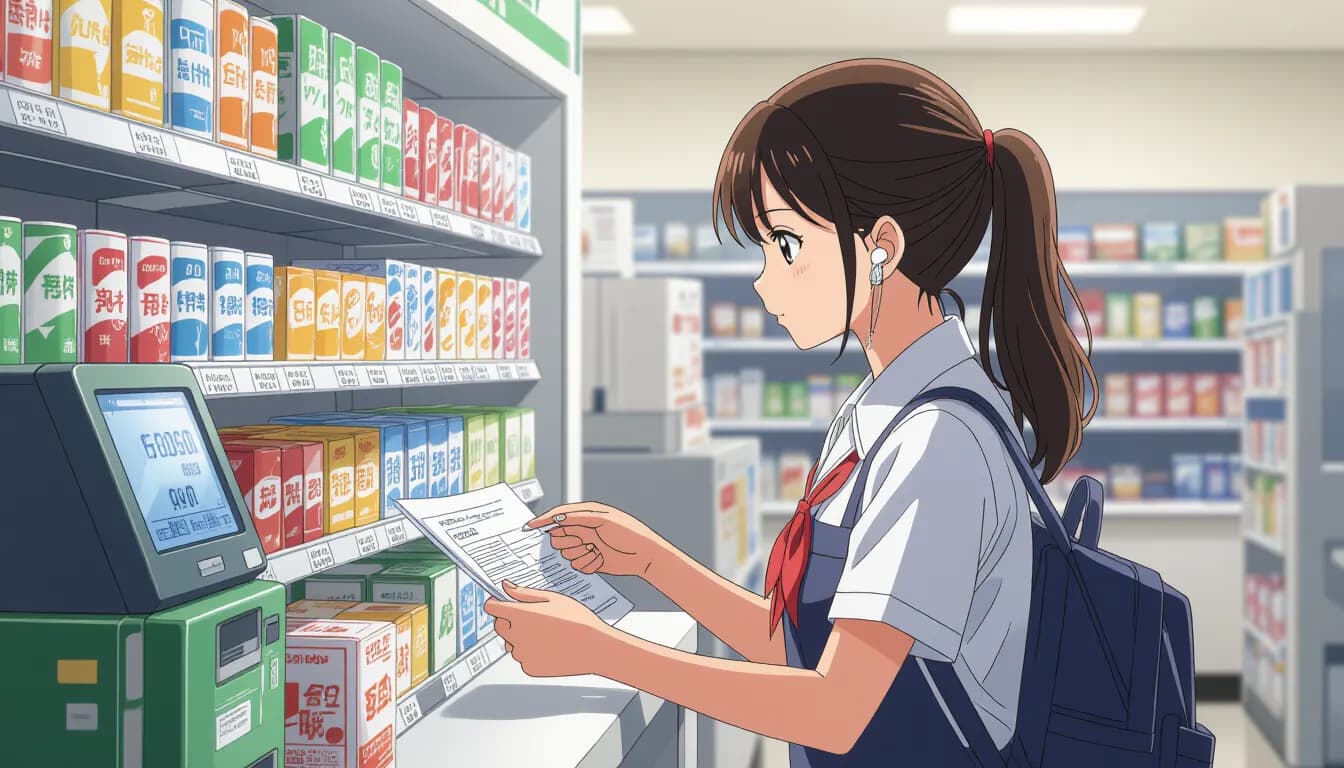
- Rirekisho (履歴書) — the standard Japanese resume format, available at convenience stores or downloadable online
- My Number card (マイナンバーカード) — Japan's national ID number, required for tax purposes
- Japanese bank account — for salary payments (often takes a few weeks to set up)
- Residence card (在留カード) — required for foreign nationals
- Japanese phone number — for interview scheduling and employer contact
For more detail on how work permits function for students, StudyInJapan.org has a clear guide on the part-time work permit process.
What to Expect at a Japanese Job Interview
Japanese job interviews, even for part-time positions, involve certain expectations that may differ from other countries:
- Punctuality is essential — arrive 5–10 minutes early, never late
- Dress neatly — business casual or school uniform is appropriate
- Bring your rirekisho — a printed copy, not just a digital version
- Be prepared to explain your school schedule — employers want to know exactly when you're available
- Express a genuine reason for applying — mentioning interest in the company or a desire to improve Japanese is well-received
Language ability will come up. Many employers will ask about your Japanese level, so be honest and clear. Mentioning that you are motivated to improve shows initiative, which Japanese employers value.
For additional guidance on part-time job hunting in Japan as an international student, Guidable Jobs has a practical student-focused overview.
Tips for Balancing Work and School
More than 75% of international students in Japan work part-time, so it is clearly manageable — but it requires discipline. Here are some practical strategies:
- Start slow — begin with one or two shifts per week and increase gradually once you have adjusted to the workload
- Avoid exam periods — in Japan, mid-term and end-of-term exams are high-stakes; reduce hours during these weeks
- Check your school's rules — some high schools (especially private schools) have their own policies about student employment
- Track your hours — use a simple spreadsheet to ensure you never exceed the 28-hour weekly limit
- Communicate openly — tell your employer upfront that you are a student and that your availability changes during exams and vacation
Working part-time in Japan is more than earning money. Many students find that it dramatically improves their Japanese language skills, builds cultural literacy, and gives them professional experience that stands out on university and job applications later.
Supporting Your Child's First Job in Japan
As a parent, there are a few ways you can support your child through this process:
- Help them complete the shikakugai katsudokyoka application before they start job-hunting
- Assist with writing their first rirekisho in Japanese
- Set up a Japanese bank account in their name — this is required before they can receive a salary
- Review the employment contract (雇用契約書) together before signing, paying attention to hourly rate, shift length, and break provisions
- Stay aware of their working hours to ensure they remain within the legal limit
For families navigating the broader context of high school life in Japan, the High School in Japan guide for foreign families provides comprehensive information on school types, enrollment, and graduation requirements.
If your child is still in junior high school, see the Junior High School in Japan guide for foreign families for the preceding steps in the Japanese education system.
For foreign families thinking about financial planning more broadly, the financial planning guide for expat families in Japan covers saving strategies and tax considerations.
Part-time work is a meaningful part of growing up in Japan — for Japanese students and foreign students alike. With the right paperwork, a realistic approach to hours, and good communication with employers, your child can gain valuable skills, independence, and income while keeping their studies on track.

Originally from Vietnam, living in Japan for 16+ years. Graduated from Nagoya University, with 11 years of professional experience at Japanese and international companies. Sharing practical information for foreign parents raising children in Japan.
View Profile →Related Articles
High School Tuition Costs and Financial Aid in Japan
Complete guide to high school tuition costs and financial aid in Japan for foreign families. Learn about public vs private school costs, the 2025 free tuition program, government subsidies, and eligibility for foreign residents.
Read more →
Dropping Out of High School in Japan: Alternatives and Support
Foreign students drop out of Japanese high schools at 7x the national rate. Learn about correspondence school, free schools, the equivalency exam, and support systems available to foreign families in Japan.
Read more →
Night School and Correspondence High Schools in Japan
A complete guide to night school (定時制) and correspondence high school (通信制) in Japan for foreign families — enrollment, costs, language support, and tips.
Read more →
International Baccalaureate High Schools in Japan
Complete guide to IB high schools in Japan for foreign families. Learn about costs (¥1.5M-3M/year), top schools, admission process, and how the IB Diploma opens doors to universities worldwide.
Read more →
Ronin Year: When Students Retake University Entrance Exams
Learn what the ronin year means in Japan, how yobiko prep schools work, what it costs, the mental health impact, and how foreign students navigate university entrance exam retakes.
Read more →
High School Graduation Requirements in Japan
Complete guide to high school graduation requirements in Japan for foreign families. Learn about the 74-credit system, 2023 reforms for foreign students, costs, and support resources.
Read more →