
Church, Temple, and Religious Community Support for Families

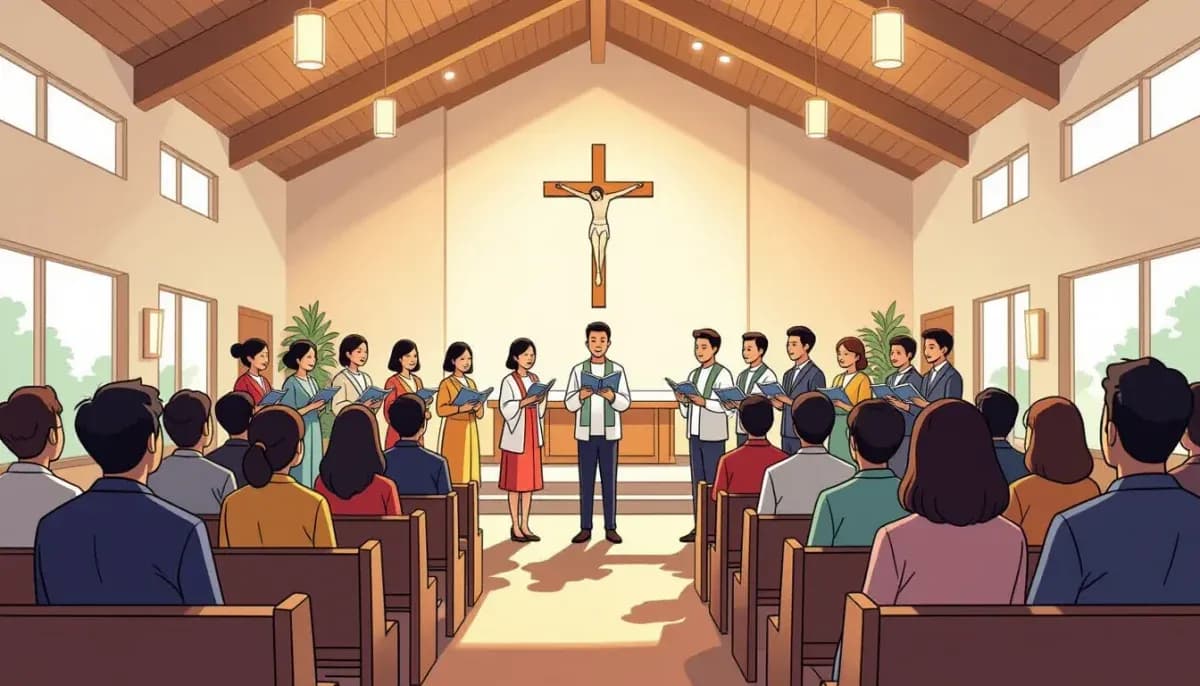
Find international churches, Buddhist temple programs, and faith community support for expat families in Japan. Practical guide to religious life for foreign families in Tokyo, Osaka, and beyond.
Church, Temple, and Religious Community Support for Families in Japan
Relocating to Japan as a family brings countless opportunities — and challenges. Among the less-discussed aspects of expat life is finding a religious community that speaks your language, shares your values, and can support your family through the transitions of life abroad. Whether you are Christian, Buddhist, Muslim, Jewish, or follow any other faith tradition, Japan has more options than most newcomers expect. This guide explores how churches, temples, and religious organizations actively support foreign families living in Japan, from Sunday school programs to community meals and counseling resources.
Why Religious Community Matters for Expat Families in Japan
Japan is officially a secular society where religion is treated as a deeply private matter. Fewer than 40% of Japanese citizens identify as religious in surveys, yet traditional Buddhist and Shinto practices are woven into daily life — from New Year shrine visits to Buddhist funeral rites. For foreigners accustomed to religious communities as central social hubs, this cultural difference can feel isolating.
Japan's foreign resident population exceeded 3.5 million in 2024, with tens of thousands of families navigating school enrollment, healthcare, and social integration simultaneously. Many expat families find that their local international church or temple community becomes their most important support network — offering childcare referrals, Japanese language help, friendship, and practical information in ways that official government services cannot replicate.
Religious communities in Japan also help families address challenges such as:
- Finding halal or kosher food options in less cosmopolitan cities
- Navigating workplace policies that conflict with religious observances
- Supporting children who feel caught between two cultural identities
- Connecting with other families who share similar values and experiences
For more on supporting your children's identity, see our guide on cultural identity and hafu children in Japan.
International Christian Churches in Japan: A Family-Friendly Network
Christianity has a small but dedicated presence in Japan. Christians account for less than 1% of Japan's population, and fewer than 10,000 churches operate nationwide. However, the international church scene is vibrant, well-organized, and specifically designed to serve diverse families.
Tokyo
Lifehouse Tokyo is one of the most visible international churches in Japan, with 11 campuses across the country. Their flagship Jimbocho location (Chiyoda-ku) runs Sunday services at 10am, 11:30am, and 3:30pm. Lifehouse Kids serves children ages 2–12 with a fully bilingual English/Japanese program incorporating songs, games, and crafts. A dedicated Babies & Parents area makes it genuinely family-friendly. Connect Groups meet throughout the week for deeper community. See Lifehouse Tokyo for schedules and campus locations.
Tokyo Baptist Church in Daikanyama welcomes a congregation drawn from over 50 nations, with age-appropriate ministries for children, youth, and adults. ICA Tokyo (Bunkyo) operates a non-denominational congregation with strong youth programs and multicultural community outreach. The Franciscan Chapel Center in Roppongi is a well-known Catholic option serving English-speaking families.
For a comprehensive directory of English-speaking churches across Tokyo, Tokyo Weekender's church guide is an excellent starting point.
Osaka and Kansai Region
Osaka International Church (OIC) holds Sunday services from 10:00–11:30am in English, with simultaneous Japanese interpretation available via wireless receivers. Their family programming includes Friday children's English classes (4:30–5:30pm) and Tuesday adult English instruction (7:00–8:30pm). Wednesday Bible Study rounds out a full weekly schedule. Visit Osaka International Church for directions and event details.
Anchor Church Osaka is a newer international congregation in central Osaka, while churches in Kyoto, Kobe, Fukuoka, and Sapporo similarly serve expat communities in those regions.
Buddhist Temple Programs Supporting Families
Buddhism in Japan is experiencing a fascinating reinvention, with many temples actively developing community support programs that serve families — including foreign residents.
The Otera Oyatsu Club (Temple Snack Club) is a nationwide initiative connecting Buddhist temples with families in financial need. Temples share devotional food offerings — snacks, fruits, rice, and daily necessities — with single-parent households and struggling families. Co-founded by Seiro Matsushima, chief priest of Anyo-ji temple, the program has grown to include hundreds of temples across Japan. Learn more at Buddhistdoor Global's coverage of the program.
Some urban temples operate kodomo shokudo (children's cafeterias) that welcome any child in need of a warm meal and adult supervision. Machida Bible Church in the Tokyo area runs a monthly "Curry Day" feeding children who are home alone at night due to working parents, as well as a monthly "Sweet Cafe" offering vouchers for snacks, dance, music, sports, and games.
For foreign families, visiting a local temple for cultural and community reasons can also be a meaningful way to help children feel connected to Japanese culture — complementing academic learning through programs at Japanese elementary schools.
Understanding Religious Life as a Foreign Resident
Research on the religious experiences of foreign residents in Japan highlights several recurring challenges that families should prepare for:
Workplace and school accommodation — Japanese workplaces and schools rarely factor in religious observances when setting schedules. Taking time off for Eid, Christmas, or Yom Kippur may require advance negotiation. Some international and private schools are more flexible; see our overview of international schools in Japan for options.
Food accommodation — Halal and kosher foods are available in major cities but can be scarce in smaller towns. Many mosques maintain lists of certified restaurants and grocers. International churches often organize community potlucks where families can find familiar food and fellowship.
Language barriers — Even within international congregations, administrative communications, neighborhood events, and community outreach may happen in Japanese. Many churches offer Japanese language support as part of their community ministry.
For broader guidance on navigating daily life as a foreign family in Japan, Living in Nihon covers practical topics from housing to healthcare. Similarly, For Work in Japan is a valuable resource for understanding workplace culture and rights. And for academic support resources, Chuukou Benkyou offers study guides and exam preparation tools that are helpful for school-age children.
Other Faith Communities in Japan
Japan has active communities for many faiths beyond Christianity and Buddhism:
Islam — Japan's Muslim population has grown significantly, reaching an estimated 300,000+ including foreign residents. Mosques in Tokyo (Tokyo Camii in Yoyogi-Uehara is the largest), Osaka, Nagoya, and other cities provide prayer spaces, Ramadan iftar gatherings, and community networks. Many mosques have families-and-children programming in English and Arabic.
Judaism — The Jewish Community of Japan (JCJ) in Tokyo holds Shabbat services, holiday celebrations, and cultural events. The community is small but welcoming to visiting and resident Jewish families.
Hinduism and Sikhism — Active Hindu temples and Sikh gurdwaras operate in Tokyo and other major cities, offering a cultural home for South Asian families.
Non-denominational spiritual communities — Various meditation groups, interfaith dialogue organizations, and spiritual wellness communities operate in English across Japan's major urban centers.
Comparison of Major International Religious Organizations
| Church / Organization | Location | Services | Children's Program | Website |
|---|---|---|---|---|
| Lifehouse Tokyo | Tokyo (11 campuses) | Sun 10am, 11:30am, 3:30pm | Ages 2–12, bilingual EN/JP | mylifehouse.com/tokyo |
| Osaka International Church | Osaka (Chuo-ku) | Sun 10–11:30am | Friday kids English class | oicjapan.org |
| Tokyo Baptist Church | Tokyo (Daikanyama) | Weekly services | Youth & children ministries | — |
| ICA Tokyo | Tokyo (Bunkyo) | Weekly services | Youth programs | — |
| Tokyo Camii | Tokyo (Yoyogi-Uehara) | Daily prayers, Friday Jumu'ah | Family community events | — |
| Jewish Community of Japan | Tokyo | Shabbat, holiday services | Holiday programming | — |
Tips for Finding Your Religious Community in Japan
Finding the right community takes a little exploration, but these strategies work well:
- Search InterNations and Meetup — Both platforms list regular gatherings of faith-based expat groups in your city.
- Ask at your company or school — HR departments at international companies often have lists of expat community resources, including religious organizations.
- Check embassy and consulate websites — Many embassies maintain lists of religious services available to their nationals in Japan.
- Visit Facebook groups — Groups like "Expats in Tokyo" or "Foreign Families in Osaka" frequently include recommendations for international churches and faith communities.
- Contact international schools — Even if your children do not attend an international school, their community offices often share information about religious resources in the area.
- Ask at the church directly — International congregations in Japan are accustomed to welcoming newcomers and can connect you with families in similar situations.
For families with young children, joining a religious community early in your Japan relocation can provide immediate social support — something that complements healthcare support for children in Japan and mental health resources for foreign families.
Building Your Support Network Through Faith
Religious and spiritual communities in Japan offer far more than worship services. For expat families, they often become the closest thing to an extended family — providing childcare in emergencies, job leads, language help, emotional support during difficult times, and an instant social circle for children and adults alike.
The religious landscape for foreigners in Japan is more diverse and active than many newcomers expect. From Lifehouse Tokyo's bilingual family services to Otera Oyatsu Club's temple outreach programs, the options available in 2025 reflect Japan's evolving multicultural reality. Researching your options before you arrive — or as soon as you settle in — will help your family integrate more quickly, connect more deeply, and thrive more fully in your new home.
For additional guidance on raising children and building community in Japan, explore our related articles on raising bilingual children and government benefits available to families in Japan.

Originally from Vietnam, living in Japan for 16+ years. Graduated from Nagoya University, with 11 years of professional experience at Japanese and international companies. Sharing practical information for foreign parents raising children in Japan.
View Profile →Related Articles

Playgroups and Baby Groups for Foreign Parents in Japan
Find the best playgroups and baby groups for foreign parents in Japan. From Tokyo Mothers Group to Roppongi Cooperative Playgroup, discover English-speaking communities for expat families across Japan.
Read more →
How to Build Your Support Network from Scratch in Japan
Step-by-step guide to building a support network in Japan as a foreigner. From online communities to government support centers, find your tribe from day one.
Read more →
Social Services Available to Foreign Families in Japan
Discover all social services available to foreign families in Japan: health insurance, child allowances up to ¥15,000/month, free daycare, pension, welfare, and support organizations in 18 languages.
Read more →
Embassy and Consulate Family Services in Japan
A complete guide to embassy and consulate family services in Japan — covering dependent visas, birth registration, emergency support, and practical tips for foreign families living in Japan.
Read more →
Cultural Exchange Programs for International Families
Discover the best cultural exchange programs for international families in Japan — from JAPEC homestays to HelloWorld hosting. Build community, learn Japanese, and raise bicultural children.
Read more →
Volunteer Organizations Supporting Foreign Families
Discover the best volunteer organizations and NPOs supporting foreign families in Japan. Find multilingual help for education, legal issues, childcare, mental health, and community integration.
Read more →