
Night School and Correspondence High Schools in Japan

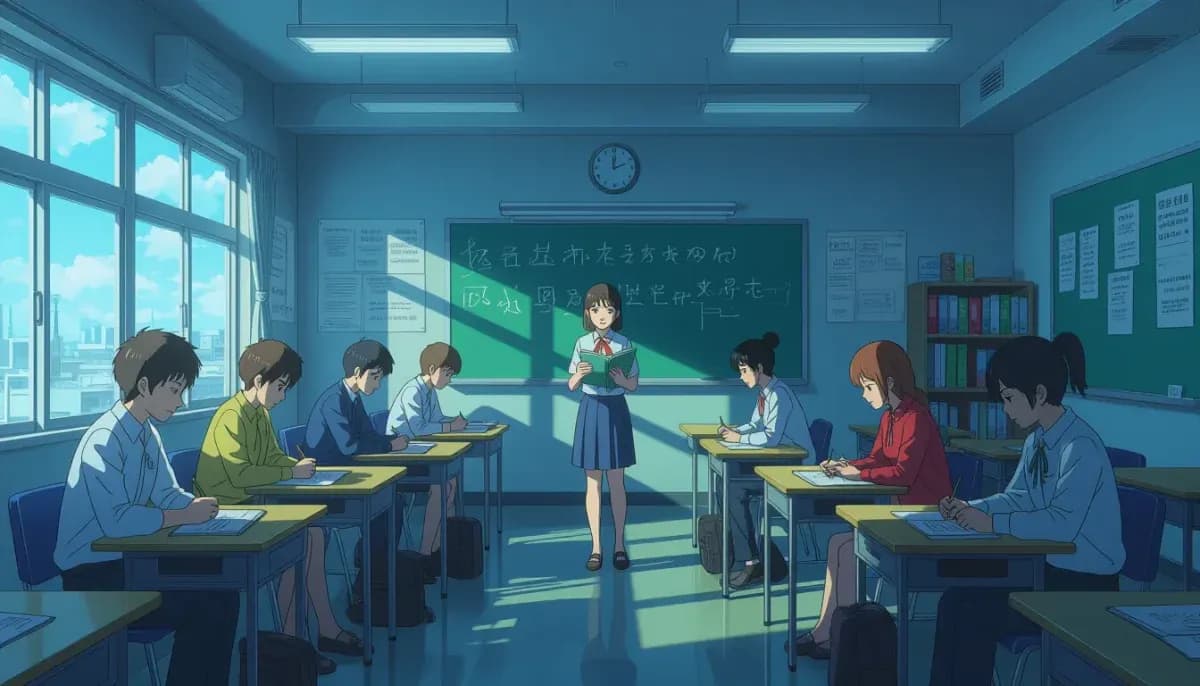
A complete guide to night school (定時制) and correspondence high school (通信制) in Japan for foreign families — enrollment, costs, language support, and tips.
Night School and Correspondence High Schools in Japan: A Guide for Foreign Families
For foreign families in Japan, navigating the high school system can feel overwhelming — especially if your child arrived mid-education, works part-time, or simply struggles to keep up with the demanding pace of regular daytime schools. Fortunately, Japan offers two flexible alternatives that are often overlooked: night school (定時制高校, teiji-sei kōkō) and correspondence high school (通信制高校, tsūshin-sei kōkō). These pathways provide real, accredited Japanese high school diplomas while accommodating students with varied schedules and circumstances.
This guide explains what these schools are, who they're for, how to enroll as a foreign student, and what to expect.
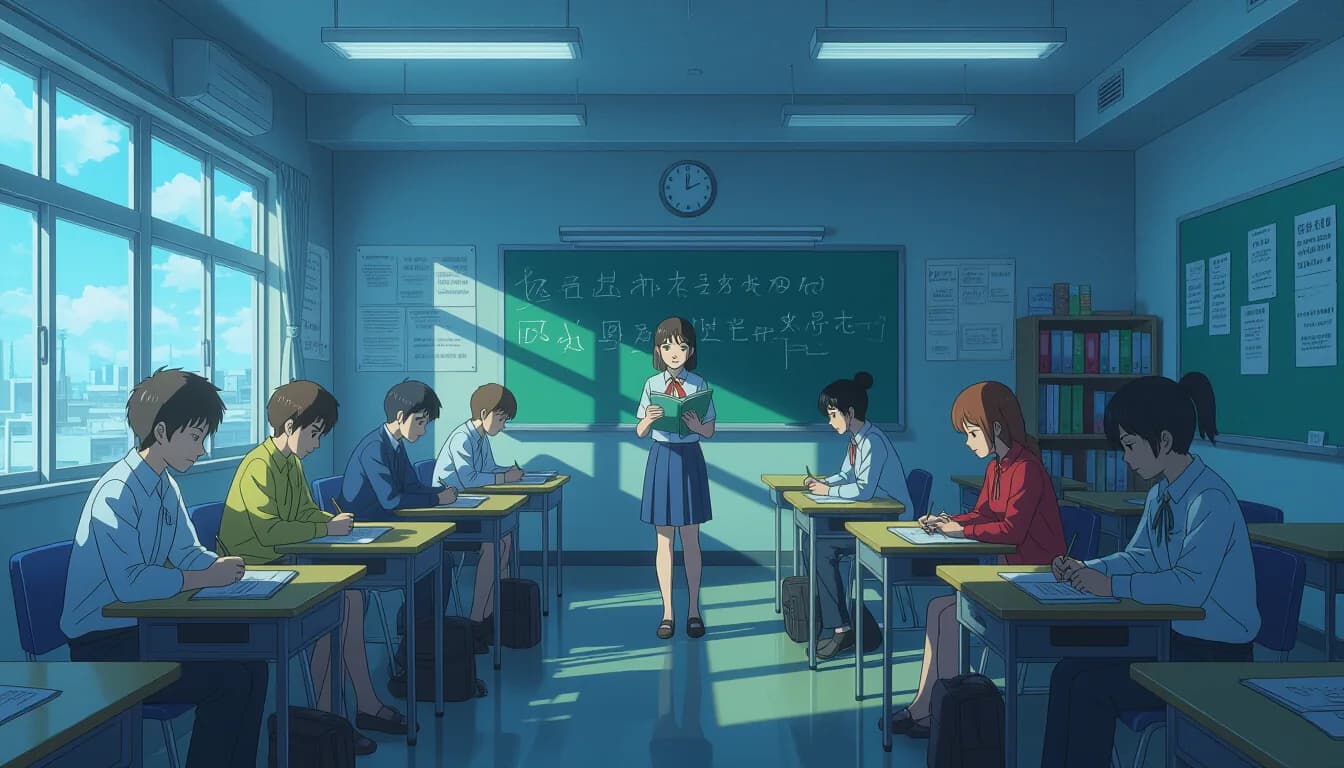
What Are Night Schools and Correspondence High Schools in Japan?
Japan's high school system is divided into three main tracks:
| Type | Japanese Name | Schedule | School Visits |
|---|---|---|---|
| Regular (full-time) | 全日制 (zennichi-sei) | 5 days/week, daytime | Daily |
| Night / Part-time | 定時制 (teiji-sei) | ~4 hours/day, flexible times | Daily or a few days/week |
| Correspondence | 通信制 (tsūshin-sei) | Self-paced at home | 2–4 times/month |
Unlike regular high schools, both night and correspondence schools operate on a credit system rather than a grade system. There is no "failing a year" — students simply accumulate credits at their own pace and graduate once they meet the required total (typically 74 credits over 3+ years).
This flexibility makes these schools especially appealing for:
- Students who arrived in Japan with limited Japanese ability
- Teens who support their family financially and need to work
- Students who experienced school refusal (不登校, futōkō)
- Children who entered Japan mid-high-school age with no Japanese school history
For more context on how these schools fit into the broader system, see our guide to types of high schools in Japan.
Night School (定時制高校): What You Need to Know
Structure and Schedule
Night schools traditionally run in the evening (typically 6:00–9:30 PM), though many prefectures now offer morning, afternoon, and multi-part-time (二部制/三部制) options. Class sessions are shorter — roughly 4 hours per day — but students attend more days per week than correspondence students.
The standard course length is 4 years, though some schools now offer accelerated 3-year tracks. The curriculum covers the same core subjects as regular high schools but is taught at a more measured pace.
Who Attends Night School?
The student body at teiji-sei schools is diverse:
- Working teens (and adults returning to education)
- Students who left regular school due to bullying or health issues
- Foreign-born students with limited Japanese language skills
- Social people who want face-to-face interaction but need flexibility
Because of this diversity, night school teachers often have experience working with students from difficult backgrounds — including newcomer foreigners. The school environment tends to be less competitive and more supportive than regular high schools.
Costs
Public night schools are generally affordable. Tuition is waived for students under 20 through Japan's high school tuition-free policy (高校無償化). You will still pay for:
- Admission fee (入学金): typically ¥500–¥5,500
- School supplies, uniforms (if required), and activity fees
- Transportation
For families with low incomes, the Bursary for Families with Low Income (高校生等奨学給付金) can cover additional costs.
Correspondence High School (通信制高校): Deep Dive
How It Works
Correspondence high school is the most flexible option available. Students:
- Receive assignments by mail or online (called レポート, reports)
- Complete coursework independently at home
- Visit school just 2–4 times per month for face-to-face instruction (スクーリング, schooling days)
- Take exams at the school during designated test periods
The self-directed nature of this system suits students who have strong self-discipline or who have other daytime commitments. Many schools now offer full online correspondence programs, making it possible to attend school virtually from anywhere in Japan.
Public vs. Private Correspondence Schools
There are both public and private tsūshin-sei schools. Private schools often offer more support services, including:
- Regular tutoring sessions
- Mental health counseling
- Career guidance
- Specialization courses (arts, IT, sports management, etc.)
The tradeoff is cost. Private correspondence schools can charge ¥200,000–¥600,000+ per year. However, government subsidies are available:
- Students from households earning under approximately ¥5.9 million/year are eligible for up to ¥396,000/year in tuition support (just-gaku-kin-kyūfu, 就学金給付)
- This is specifically applicable to private correspondence schools
For a comprehensive breakdown of tuition and financial aid options, see our guide to high school tuition costs and financial aid in Japan.
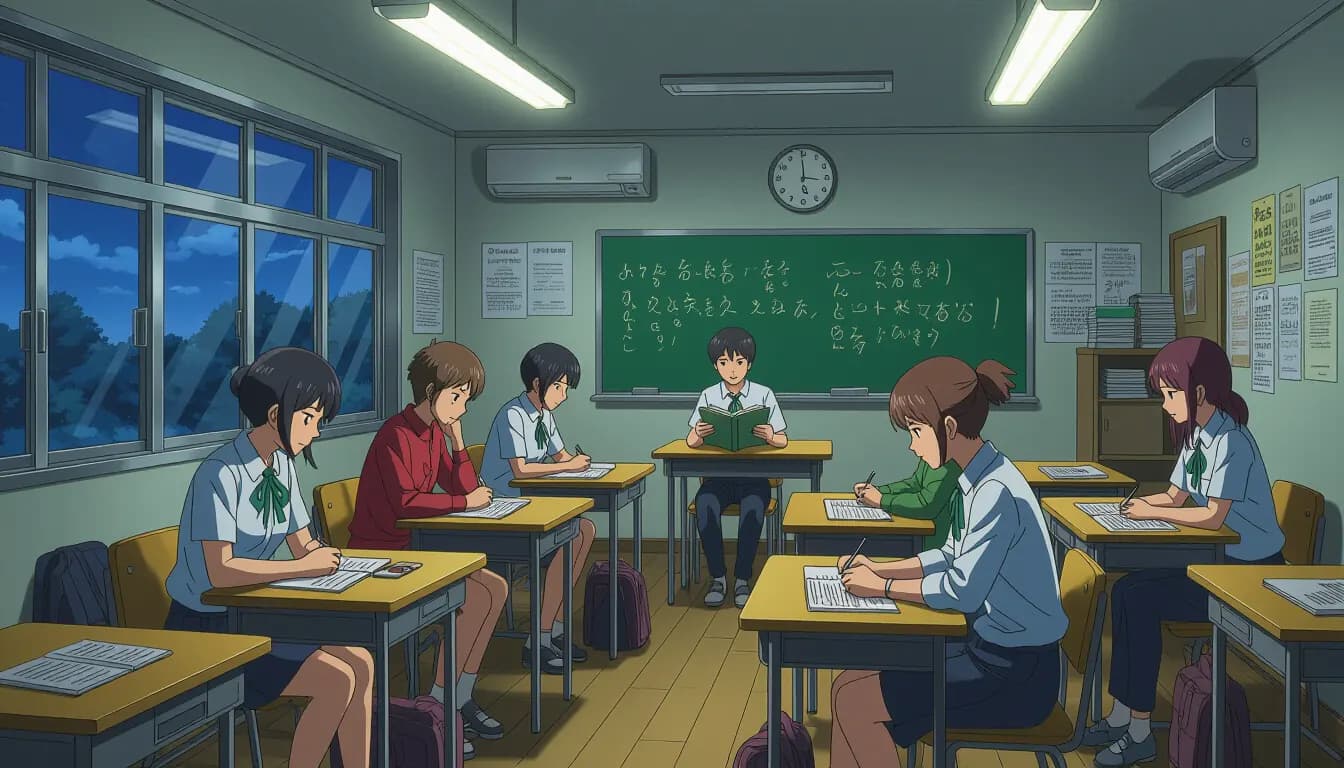
Enrollment for Foreign Students
Language Requirements
Neither night school nor correspondence high school explicitly requires Japanese fluency for enrollment. However, since instruction is in Japanese, a working knowledge of the language is practically necessary to keep up with coursework. Most schools expect at least basic conversational Japanese (approximately JLPT N4–N3 level) by the time a student enters.
If your child needs Japanese language support first, consider enrolling them in a 日本語指導が必要な生徒 (students requiring Japanese instruction) program at a local junior high or community center before applying to high school.
Entrance Exams and Accommodations
Most public night and correspondence schools require an entrance exam (入試). The good news: many prefectures offer accommodations specifically for foreign students:
- Tokyo: Furigana (reading aids) printed on exam questions, dictionary use permitted during exams, extended exam time
- Saitama: 12 schools with special foreign-student selection exams — essay + interview format, available in Japanese or English
- Chiba: Emphasis on essays and interviews rather than standardized tests
- Kanagawa: Dedicated foreign resident quotas at select schools
Check with your local Board of Education (教育委員会) for the specific accommodations in your prefecture.
Application Timeline
| Step | Timing |
|---|---|
| Research schools and open houses | September–November |
| Submit application documents | January–February |
| Entrance examination | February |
| Enrollment notification | March |
| School start | April (some schools also accept September entrants) |
Documents typically required include: certificate of residence (住民票), previous school transcripts, passport copy, and a residence card (在留カード) copy.
For detailed exam preparation advice, see high school entrance exam preparation guide.
Community Night Schools: Volunteer-Run Options
Beyond formal public and private schools, Japan has a network of community-run volunteer night schools (夜間学校) that specifically serve newcomer foreigners and adults who missed compulsory education.
These schools are:
- Free or very low-cost (funded by membership subscriptions and donations)
- Staffed by volunteer teachers, many retired professionals
- Multilingual and welcoming — student populations often include Chinese, Vietnamese, Filipino, Nepalese, Bangladeshi, and other nationalities
For example, Matsudo City's volunteer night school (Chiba Prefecture) enrolled students from over 10 nationalities as of 2017. Classes typically run in the evening (6–9 PM) and focus on basic Japanese literacy and life skills rather than formal academic credits.
Note: These community schools do not grant official diplomas. They are stepping stones toward formal enrollment in a recognized school. For more information on options after leaving school, see dropping out of high school in Japan: alternatives and next steps.
More resources on this model can be found at Nippon.com's coverage of night school programs.
Pros and Cons: Night School vs. Correspondence School
| Factor | Night School (定時制) | Correspondence (通信制) |
|---|---|---|
| Schedule flexibility | Moderate — fixed daily hours | High — mostly self-paced |
| Face-to-face interaction | Daily or near-daily | 2–4 times/month |
| Language support | More available (teachers see you daily) | Limited (mostly independent) |
| Cost (public) | Low (tuition-free under 20) | Low with subsidies |
| Graduation timeframe | Typically 4 years (some 3) | 3–6+ years |
| Best for | Social learners, structured routine | Independent learners, working students |
Practical Tips for Foreign Families
Start with the local Board of Education. Before choosing a school, visit your city or ward's Board of Education office (教育委員会) with a Japanese-speaking friend or interpreter. They can point you to schools with foreign student support programs and foreign entrance exam accommodations.
Look for schools with JSL (Japanese as a Second Language) support. Some night schools have dedicated Japanese language instructors for newcomer foreign students (日本語指導員). This dramatically helps the transition.
Consider the commute. Night school can mean returning home late — check safety and public transport schedules in your area.
Don't overlook online correspondence schools. Several private correspondence high schools now operate fully online, which can be a lifeline for students in rural areas or those with health limitations.
Connect with expat communities. Organizations like Savvy Tokyo and Living in Nihon (livinginnihon.com) maintain updated lists of high schools welcoming foreign students.
For guidance on school life once enrolled, see our article on daily life at a Japanese high school. If working part-time is a consideration, read about part-time jobs for high school students in Japan.
Additional resources for finding the right school are available at For Work in Japan and E-Housing's guide to high schools for foreign residents.
Conclusion
Night school and correspondence high schools represent two of Japan's most flexible and accessible educational pathways. For foreign families navigating an unfamiliar system — or for students who simply don't fit the mold of a traditional 9-to-5 school day — these options can be life-changing. With government subsidies, entrance exam accommodations, and supportive school communities, earning a Japanese high school diploma is within reach for more students than many families realize.
If you're unsure where to start, reach out to your local Board of Education and ask specifically about 定時制高校 or 通信制高校 options in your area. And explore study resources in Japanese at Chuukou Benkyou to build the language foundation your child needs to succeed.

Originally from Vietnam, living in Japan for 16+ years. Graduated from Nagoya University, with 11 years of professional experience at Japanese and international companies. Sharing practical information for foreign parents raising children in Japan.
View Profile →Related Articles
High School Tuition Costs and Financial Aid in Japan
Complete guide to high school tuition costs and financial aid in Japan for foreign families. Learn about public vs private school costs, the 2025 free tuition program, government subsidies, and eligibility for foreign residents.
Read more →
Dropping Out of High School in Japan: Alternatives and Support
Foreign students drop out of Japanese high schools at 7x the national rate. Learn about correspondence school, free schools, the equivalency exam, and support systems available to foreign families in Japan.
Read more →
International Baccalaureate High Schools in Japan
Complete guide to IB high schools in Japan for foreign families. Learn about costs (¥1.5M-3M/year), top schools, admission process, and how the IB Diploma opens doors to universities worldwide.
Read more →
Ronin Year: When Students Retake University Entrance Exams
Learn what the ronin year means in Japan, how yobiko prep schools work, what it costs, the mental health impact, and how foreign students navigate university entrance exam retakes.
Read more →
High School Graduation Requirements in Japan
Complete guide to high school graduation requirements in Japan for foreign families. Learn about the 74-credit system, 2023 reforms for foreign students, costs, and support resources.
Read more →
Study Abroad Programs from Japanese High Schools
Everything foreign families need to know about study abroad programs from Japanese high schools — types, costs, destinations, scholarships, and how to apply.
Read more →