
Daily Life at a Japanese High School: What Students Experience

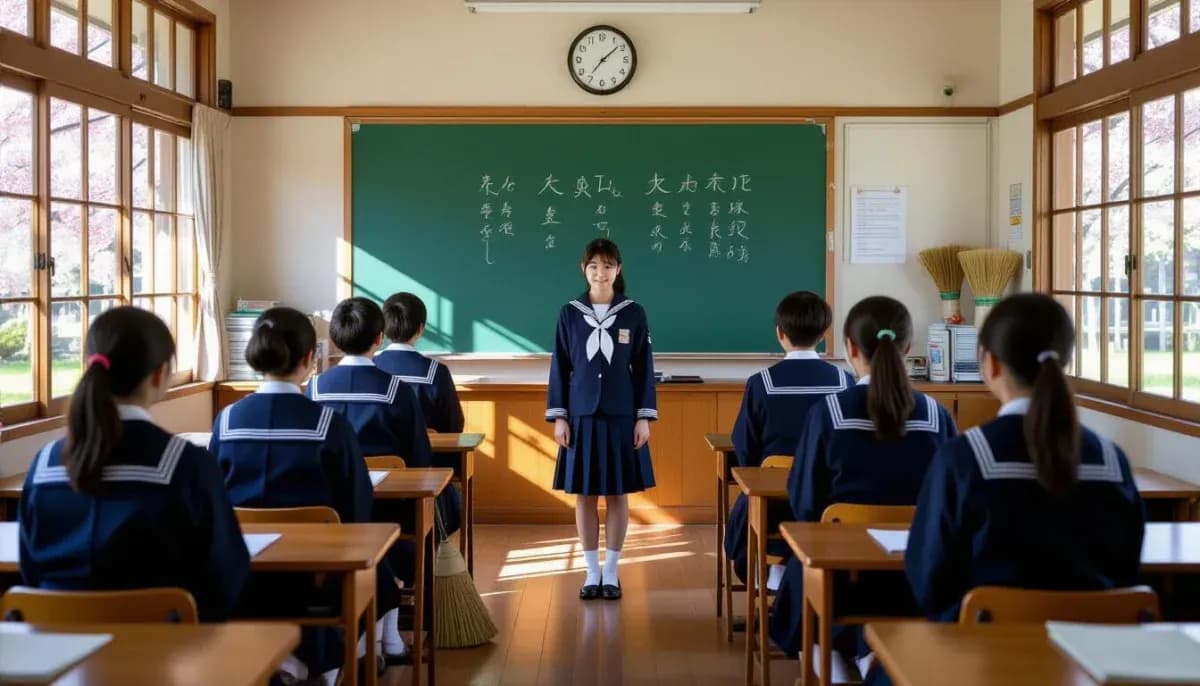
Discover what daily life at a Japanese high school looks like: schedules, o-soji cleaning, bukatsu clubs, uniforms, juku cram schools, and tips for foreign students navigating the system.
Daily Life at a Japanese High School: What Students Experience
If you're a foreign parent with a teenager in Japan, or an expat student about to enter the Japanese high school system, understanding what daily life actually looks like can make all the difference. Japanese high schools are worlds apart from Western schools in terms of schedule, culture, and expectations — but they're also deeply rewarding environments that shape young people in profound ways.
This guide walks you through a typical day at a Japanese high school, the key customs every student encounters, and what foreign students and families should know before diving in.
The Japanese High School Academic Year and Schedule
The Japanese academic year begins in April — timed with the cherry blossom season — and ends in March of the following year. It's divided into three terms:
- First term: April to July
- Second term: September to December
- Third term: January to March
Students attend approximately 240 school days per year, which is roughly 60 more than their American counterparts. School days typically begin between 8:00 and 8:30 AM, with most schools running six 50-minute class periods per day. Unlike Western schools where students move between classrooms, in Japan it's the teachers who rotate — students stay in their assigned homeroom for most subjects.
| Schedule Element | Details |
|---|---|
| School start time | 8:00–8:30 AM |
| Class periods | 6 per day, 50 minutes each |
| School days per year | ~240 (vs. ~180 in the USA) |
| Academic year start | April |
| Academic year end | March |
| Number of terms | 3 |
Most schools also hold morning homeroom (SHR) and afternoon homeroom sessions where attendance is taken, announcements are made, and students handle administrative matters.
For a broader overview of the Japanese school system and how high school fits in, see our guide to the Japanese Education System for Foreign Families.
O-Soji: The Daily Cleaning Ritual
One of the most surprising aspects of Japanese high school life for foreign students is o-soji (お掃除) — daily communal cleaning. Japanese schools don't employ janitors. Instead, students are responsible for cleaning their own school environment every day.
This typically takes place after the last class period and lasts around 15–20 minutes. Students divide into cleaning groups (掃除班, soujiihan) and rotate through different areas:
- Sweeping and mopping classrooms
- Cleaning hallways and stairwells
- Scrubbing toilets and restrooms
- Tidying the schoolyard and entranceways
Far from being seen as punishment, o-soji is a deeply embedded cultural practice tied to Japanese values of collective responsibility, respect for shared spaces, and personal discipline. Foreign students who embrace it quickly earn respect from classmates and teachers alike.
According to Stanford's Spice Program research on Japanese schools, o-soji is considered an integral part of students' moral and social education — not just housekeeping.
School Uniforms and Dress Codes
Japanese high schools are famous for their strict dress codes and uniforms. Most schools require students to wear a designated uniform (seifuku), which typically includes:
- Boys: Navy or black gakuran (traditional jacket and trousers) or Western-style blazer with slacks
- Girls: Sailor-style uniform (sera fuku) or blazer with skirt or slacks
Beyond the uniform itself, rules usually extend to:
- Indoor slippers: Students change from outdoor shoes to uwabaki (indoor slippers) at the school entrance
- No makeup or nail polish
- No jewelry or piercings
- Natural hair color only — dyed or permed hair is typically prohibited
- Uniform behavior even off-campus while in school attire
These rules can feel strict to foreign students, but they serve an important social function: reducing visible economic inequality and fostering group cohesion. The rules apply equally to all students regardless of background.
For more on navigating Japanese high school as a foreign family, check out our detailed guide to High School in Japan for Foreign Families.
Bukatsu: Club Activities After School
Perhaps no aspect of Japanese high school life is as culturally significant — or as demanding of a student's time — as bukatsu (部活動), or club activities. Nearly every student joins at least one club, and participation is often considered a social requirement rather than an optional extra.
Clubs meet after school for approximately two hours daily, and often on weekends and during school holidays as well. There are two main categories:
Sports Clubs (運動部, Undōbu):
- Baseball, soccer, basketball, volleyball, swimming
- Tennis, track and field, martial arts (kendo, judo)
- 42.5% of boys and 26.9% of girls participate in athletic clubs
Cultural Clubs (文化部, Bunkabu):
- Brass band, choir, drama
- Art, calligraphy, tea ceremony
- Science, computer, English conversation
Bukatsu builds teamwork, discipline, and deep social bonds. Many Japanese adults cite their high school club as one of the most formative experiences of their lives. For foreign students, joining a club is one of the fastest ways to make genuine friendships and integrate into school life.
GoAbroad's guide to high school in Japan specifically recommends joining a club as the single most impactful step a foreign exchange student can take.
Juku: The Cram School Culture
After regular school hours — and after bukatsu — approximately 60% of Japanese high school students attend juku (塾), private cram schools or tutoring centers, to prepare for university entrance examinations.
Japan's university entrance exams, particularly the national Kyotsu Test (共通テスト, formerly the Center Test), are intensely competitive. The pressure to perform well begins in earnest from the first year of high school.
There are several types of supplementary study options:
| Type | Description | Cost Range |
|---|---|---|
| Juku (塾) | Group or individual tutoring, often subject-specific | ¥10,000–¥50,000/month |
| Yobiko (予備校) | Intensive prep schools for university entrance, full-day programs | ¥50,000–¥100,000+/month |
| Online tutoring | Video lessons, AI-based platforms | ¥3,000–¥20,000/month |
| School study groups | Informal peer sessions, often free | Free |
For foreign families, the decision of whether to have children attend juku is significant — both financially and in terms of already-packed schedules. For insight into balancing educational investment with family finances in Japan, see our guide on Financial Planning for Expat Families in Japan.
Lunch, Commute, and the Social Fabric of School Life
Lunch at Japanese High Schools
Unlike Japanese elementary schools, most public high schools do not provide government-subsidized school lunches (kyushoku). Students typically bring a homemade bento (弁当) or purchase food from a school canteen, convenience store, or vending machine. Lunch is eaten in the homeroom classroom with classmates, which reinforces the strong bonds of the kumi (class group).
The Long Commute
Many Japanese high school students travel significant distances to attend school — particularly in cities where students choose schools based on academic ranking rather than proximity. Commutes of one to two hours each way are not unusual, using trains, buses, bicycles, or a combination. Students cannot legally drive until age 18, so public transit becomes a daily reality from early on.
According to data from Interac Network's overview of Japanese school life, early morning train commutes are a rite of passage, with students often studying flashcards or reviewing notes during the journey.
Social Dynamics
The homeroom class (kumi or HR) is the social core of high school life. Students spend the majority of their day together in the same room, eat lunch together, clean together, and often participate in school events as a unit. This fosters strong group cohesion but can also make it harder for newcomers — including foreign students — to break into established social circles.
For foreign children who may be experiencing social challenges, our guide on Mental Health and Emotional Wellbeing for Foreign Children in Japan offers helpful perspectives and resources.
Academic Expectations and Graduation
Japan's senior high school enrollment rate stands at close to 99%, and over 95% of students graduate — one of the highest rates in the world. Academic expectations are high, particularly in the run-up to university entrance exams in the third year.
Core subjects typically include:
- Japanese Language and Literature
- English
- Mathematics (Algebra, Geometry, Calculus)
- Science (Physics, Chemistry, Biology, Earth Science)
- Social Studies (History, Geography, Civics)
- Physical Education
- Home Economics
- Art or Music
The Japanese education system emphasizes rote memorization, group learning, and test preparation, which can be quite different from the project-based, discussion-focused approaches common in Western schools. Foreign students who are used to expressing opinions freely in class may need time to adapt to a more reserved classroom culture.
For context on how to support children navigating multiple educational systems, our guide on Raising Bilingual Children in Japan offers practical strategies.
Tips for Foreign Students Entering a Japanese High School
Entering a Japanese high school as a foreign student is both exciting and challenging. Here are practical tips to ease the transition:
- Learn basic Japanese ASAP — Even conversational Japanese goes a long way in making friends and following daily routines
- Join a club immediately — Bukatsu is where real friendships form
- Embrace o-soji — Participating enthusiastically signals respect and earns goodwill
- Follow the dress code to the letter — Don't stand out for the wrong reasons
- Bring a bento — It's a great conversation starter and connects you to the lunch culture
- Be patient with the homeroom social dynamics — Integration takes time, but consistency pays off
- Ask for a "buddy" — Many schools can assign a classmate to help newcomers navigate routines
For those still deciding on school type, see International Schools in Japan: The Definitive Guide for a comparison with Japanese public schools.
External Resources for Further Reading
- Stanford SPICE: Daily Life in Japanese High Schools — Academic overview with cultural context
- Living in Nihon — Practical guides for expats living in Japan
- For Work in Japan — Resources for foreign workers and families navigating life in Japan
- Chuukou Benkyou — Study support and educational resources in Japan
- CIEE: Japanese vs. American High Schools — Practical comparison for exchange students
- Interac Network: School Life in Japan — Firsthand insights from ALTs working in Japanese schools
Daily life at a Japanese high school is structured, community-oriented, and demanding — but it's also rich with tradition, camaraderie, and purpose. Whether your child is attending as an exchange student or as part of a long-term life in Japan, understanding these rhythms is the first step toward thriving in this unique educational environment.

Originally from Vietnam, living in Japan for 16+ years. Graduated from Nagoya University, with 11 years of professional experience at Japanese and international companies. Sharing practical information for foreign parents raising children in Japan.
View Profile →Related Articles
High School Tuition Costs and Financial Aid in Japan
Complete guide to high school tuition costs and financial aid in Japan for foreign families. Learn about public vs private school costs, the 2025 free tuition program, government subsidies, and eligibility for foreign residents.
Read more →
Dropping Out of High School in Japan: Alternatives and Support
Foreign students drop out of Japanese high schools at 7x the national rate. Learn about correspondence school, free schools, the equivalency exam, and support systems available to foreign families in Japan.
Read more →
Night School and Correspondence High Schools in Japan
A complete guide to night school (定時制) and correspondence high school (通信制) in Japan for foreign families — enrollment, costs, language support, and tips.
Read more →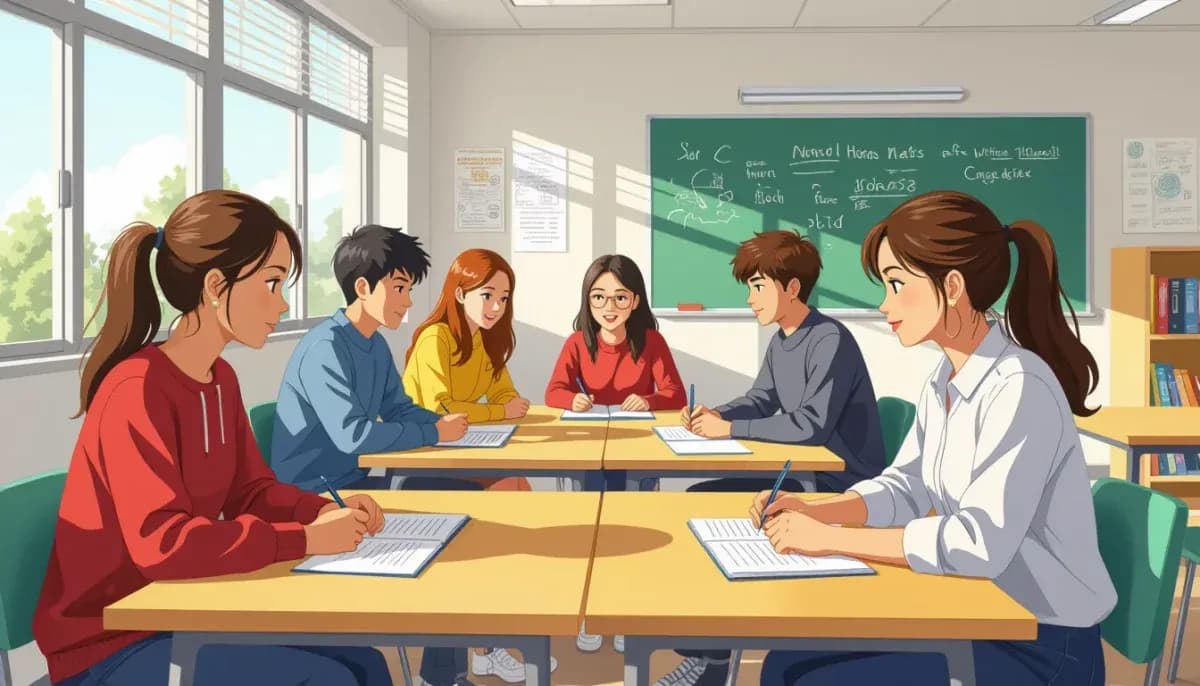
International Baccalaureate High Schools in Japan
Complete guide to IB high schools in Japan for foreign families. Learn about costs (¥1.5M-3M/year), top schools, admission process, and how the IB Diploma opens doors to universities worldwide.
Read more →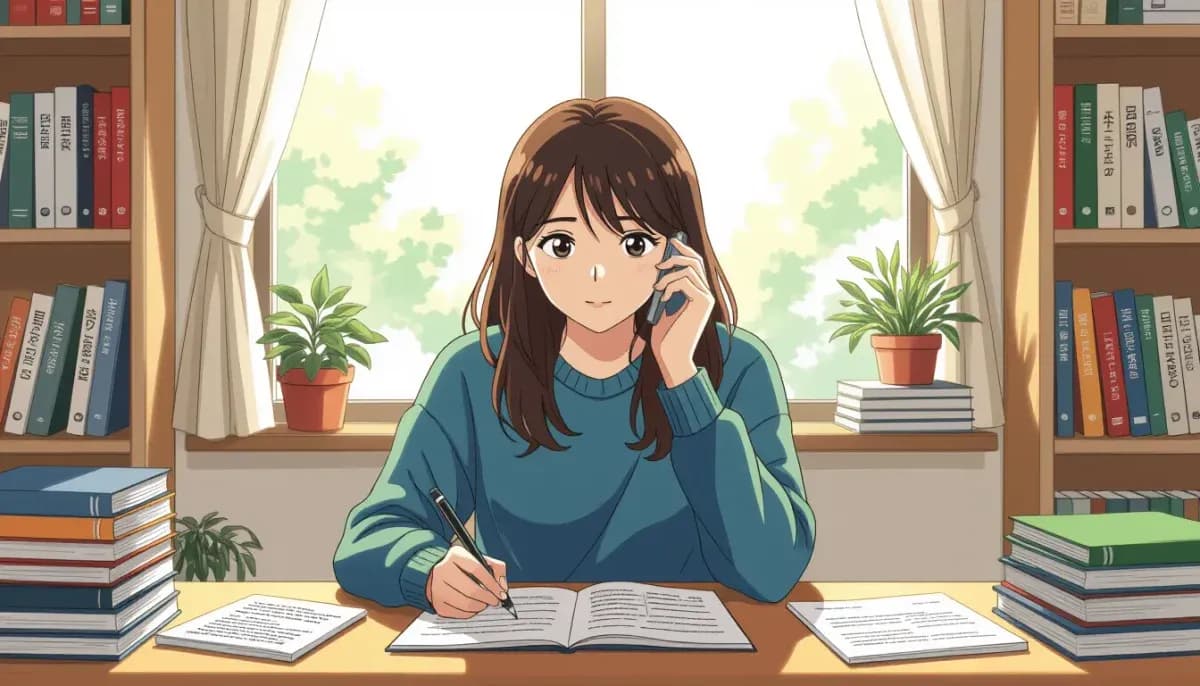
Ronin Year: When Students Retake University Entrance Exams
Learn what the ronin year means in Japan, how yobiko prep schools work, what it costs, the mental health impact, and how foreign students navigate university entrance exam retakes.
Read more →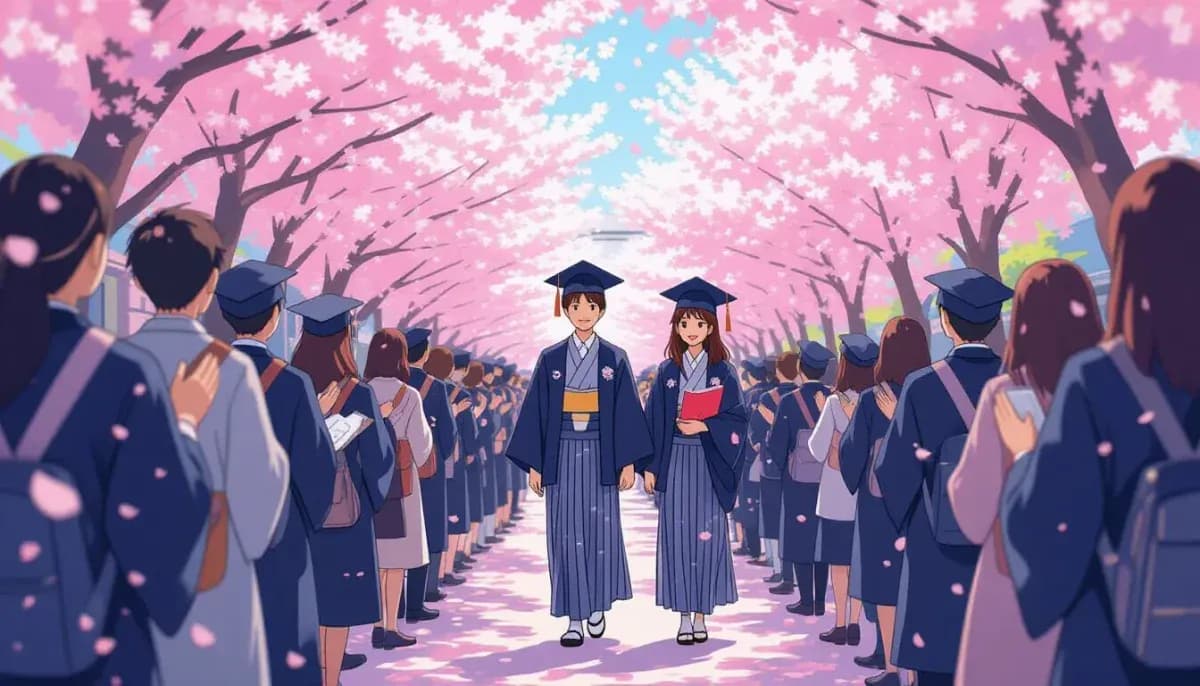
High School Graduation Requirements in Japan
Complete guide to high school graduation requirements in Japan for foreign families. Learn about the 74-credit system, 2023 reforms for foreign students, costs, and support resources.
Read more →