
Passport and Travel Documents for Children in Japan

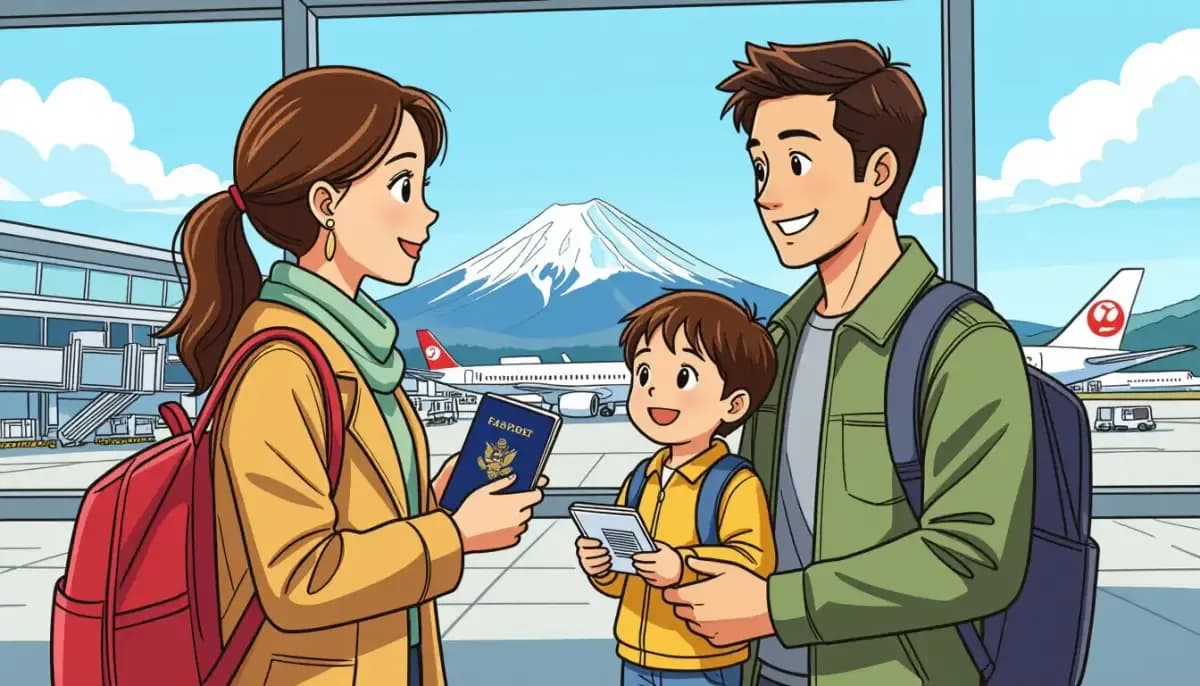
Complete guide for foreign families: how to get passports for children in Japan, dual nationality rules, re-entry permits, and travel documentation requirements. Covers all nationalities.
Passport and Travel Documents for Children in Japan: A Complete Guide for Foreign Families
Navigating passport applications and travel documentation for children in Japan can feel overwhelming, especially when you're dealing with unfamiliar bureaucracy in a second language. Whether you've just had a baby in Japan, are planning an overseas trip, or are trying to understand your child's dual nationality status, this guide covers everything foreign families need to know about passports and travel documents for children in Japan.
From birth registration to re-entry permits, Japanese passport applications to Hague Convention protections, this comprehensive guide will walk you through every step of the process.
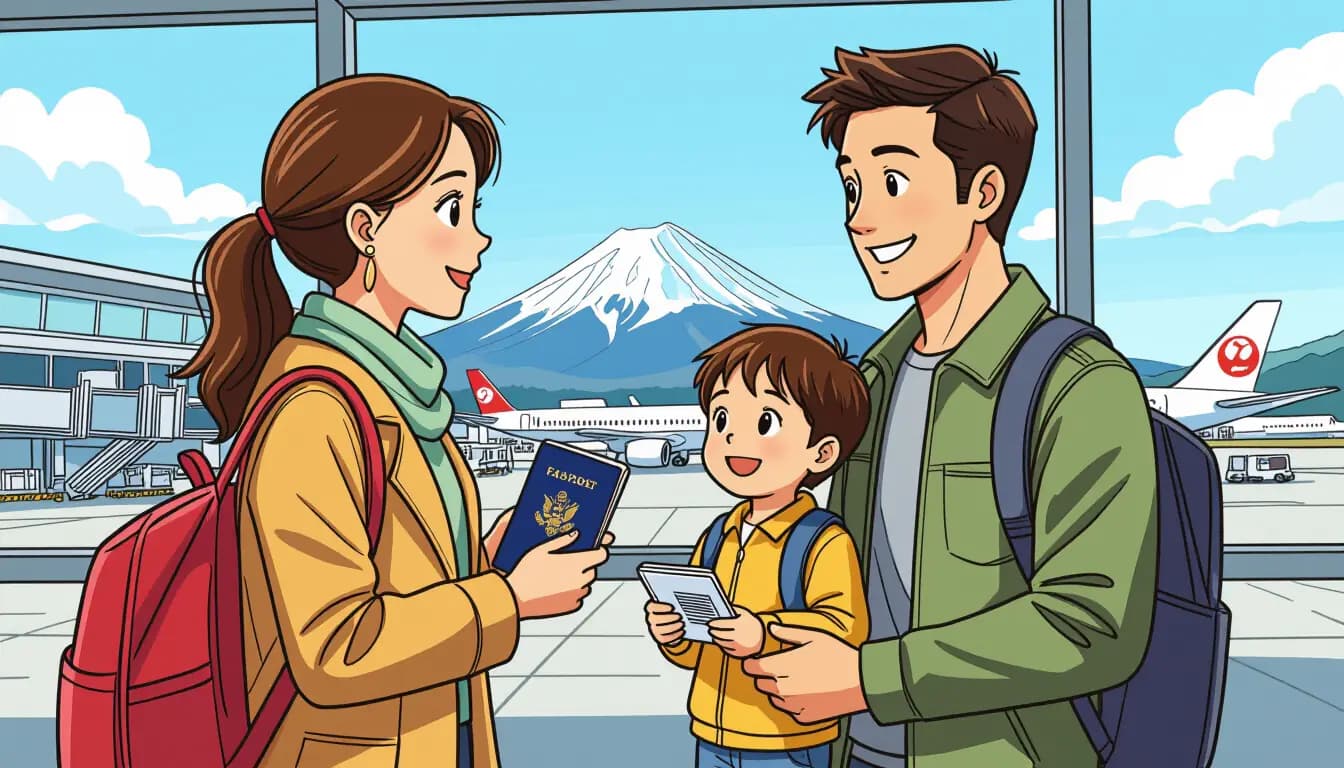
First Steps: Registering Your Child After Birth in Japan
Before you can apply for any passport or travel document, you need to complete the foundational registration steps. These deadlines are strict — missing them can create serious legal complications.
Birth Notification (出生届 — Shussho-todoke)
The birth notification must be filed at your local municipal office within 14 days of birth. The hospital will provide the form, and you'll need to bring:
- Completed birth notification form (signed by the attending doctor or midwife)
- Mother's My Number card or residence card
- Your inkan (personal seal) if you have one, or signature
For foreign parents, children's names are typically written in katakana (or the alphabet/kanji for Chinese or Korean nationals). Once filed, you'll receive a birth notification acceptance certificate, which is the key document needed for all subsequent steps.
Status of Residence Application for Foreign Children
Foreign children born in Japan do not automatically receive Japanese residency status — you must apply for it. This must be done within 30 days of birth at the nearest Immigration Services Agency office.
⚠️ Critical Warning: If you wait beyond 60 days without filing, your child will be classified as overstaying their permitted stay. This makes them ineligible for national health insurance (国民健康保険) and child allowance (児童手当), and can complicate future visa applications.
Documents typically required for the Status of Residence application include:
- Application form for Status of Residence
- Original birth notification acceptance certificate
- Parent's residence card and passport
- Household resident registration (住民票)
- Parent's employment documentation and tax records
- The child's home-country passport (or a written explanation if not yet issued)
Registering with Your Home Country Embassy
Simultaneously, you should register the birth with your home country's embassy or consulate in Japan. Without this registration, your country will have no official record of your child, which can affect their passport eligibility, inheritance rights, and future citizenship claims.
The KIFJP (Kids International Fellowship Japan) provides excellent country-specific guidance for 13 nationalities including the US, UK, China, Korea, Vietnam, Philippines, Brazil, and more.
Obtaining a Foreign Passport for Your Child (Non-Japanese Children)
If your child is not a Japanese national (or holds only foreign nationality), you'll need to obtain their passport through your home country's embassy or consulate in Japan.
General Process
Each country has its own requirements, but the general process is:
- Register the birth at your embassy (see above)
- Gather required documents (varies by country — contact your embassy early)
- Schedule an appointment at the embassy/consulate
- Submit the application and pay fees
- Wait for processing and collect the passport
Apply at least 3–4 months before any planned international travel, as embassy processing times can vary significantly.
US Citizens: Child Passport Applications in Japan
For American families, the US Embassy in Japan has specific guidance for children under 16. Key requirements:
- Use Form DS-11 (first-time application — cannot be done by mail for children under 16)
- Both parents must be present or provide consent, as children's passports require parental authorization
- If one parent cannot attend, the absent parent must provide a notarized Form DS-3053 (Statement of Consent)
- Processing typically takes 6–8 weeks (expedited service available)
- Children under 16 receive a 5-year passport
| Document | Purpose | Where to Get It |
|---|---|---|
| Form DS-11 | Passport application | US Embassy website or in person |
| Form DS-3053 | Absent parent consent (if needed) | US Embassy website |
| Birth certificate (certified copy) | Proof of citizenship | Home country vital records office |
| Photo ID of applying parent | Identity verification | Your own passport/residence card |
| Passport photos | 2 photos required | At photo shops or kiosks in Japan |
| Application fee | Processing payment | Paid at Embassy |
Obtaining a Japanese Passport for Your Child (Japanese Nationals and Dual Nationals)
If your child holds Japanese nationality (either as a sole national or dual national), you can apply for a Japanese passport through the nearest passport office or Japanese embassy/consulate.
Who is Eligible?
Japanese nationality is passed down primarily through blood lineage (jus sanguinis). A child is Japanese if:
- Either parent holds Japanese nationality at the time of birth
- The child was born in Japan to a Japanese parent (even if born out of wedlock, provided paternity is acknowledged)
Required Documents for Japanese Passport Application
- Koseki (戸籍謄本) — Family registry extract (this is the cornerstone document for all Japanese official processes)
- Completed passport application form (signed by the custodial parent/legal guardian)
- Passport photo (45mm × 35mm)
- Applying parent's own valid passport or residence card (for identification)
- Proof of English name spelling if needed (insurance card, birth certificate, or similar)
Special Case: Japanese Father, Foreign Unmarried Mother
This situation requires extra steps. Ideally, the father should file a prenatal paternity acknowledgment (胎児認知届) before the birth. If done after birth, the process becomes significantly more complicated and time-consuming. You will need:
- Father's photo ID
- Mother's valid foreign passport
- Singlehood certificate from the mother's home country (or a notarized affidavit if unavailable)
- The child's koseki (once established through the paternity process)
Once the koseki is established, the passport application proceeds normally.
Processing and Validity
- Processing time: approximately 1–3 weeks (some overseas consulates may take longer)
- The child must be present during application but not for pickup
- Japanese passports for children under 12 are valid for 5 years
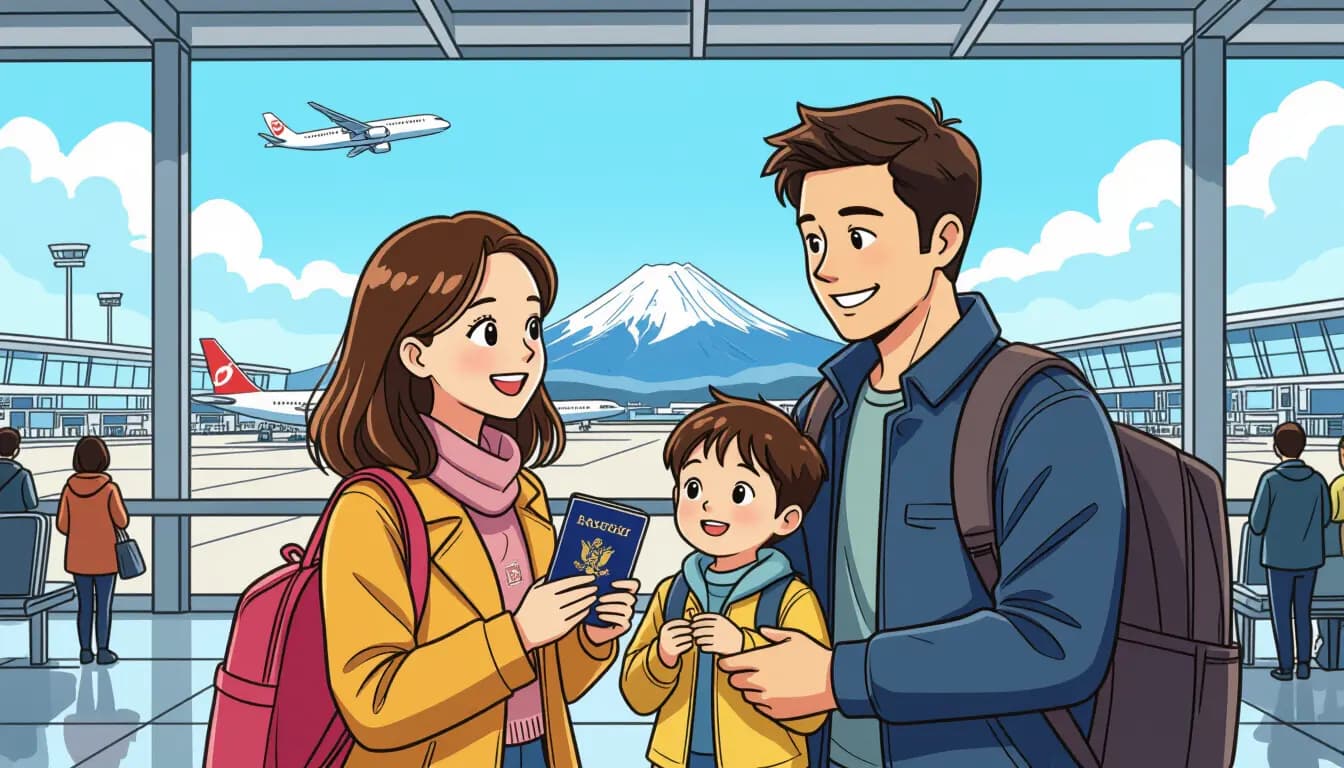
Understanding Dual Nationality for Children in Japan
Japan's dual nationality laws are among the most frequently misunderstood aspects of raising mixed-nationality children in Japan. Here's what you need to know.
How Children Acquire Dual Nationality
Children born to one Japanese and one foreign parent automatically acquire dual nationality at birth. Similarly, children born abroad to Japanese parents may acquire the birth country's citizenship automatically (e.g., children born in the US, Canada, or Australia).
The Nationality Choice Requirement
Japan officially does not recognize permanent dual nationality for adults. Under Japanese law:
- If dual nationality was acquired before age 20: must choose one nationality by age 22
- If dual nationality was acquired between ages 18–20: must choose within 2 years of acquiring the second nationality
⚠️ Note: Japan lowered the age of adulthood from 20 to 18 in April 2022, which affected the calculation for some individuals. Consult a Japanese lawyer if you are unsure of the deadline.
The consequences of missing the deadline are severe in theory: the Minister of Justice can demand a choice, and failure to respond within one month results in automatic loss of Japanese nationality.
The Practical Reality
In practice, enforcement is minimal. Many dual nationals quietly retain both nationalities indefinitely, particularly those living abroad. There are no criminal penalties. The situation is widely described as "tolerated ambiguity rather than legal acceptance."
That said, publicly acting as a dual national within Japan (e.g., entering Japan on both passports interchangeably) can draw scrutiny. Most families raising children in Japan manage this carefully.
For more on dual nationality in Japan, Metropolis Japan has a useful overview.
Choosing Nationality: What It Means
- Choosing Japanese nationality does not automatically cancel the other nationality — you must separately renounce through the other country's procedures
- Giving up Japanese citizenship is extremely difficult to reverse (requires 5+ years of continuous residency and re-naturalization)
See also the Ministry of Justice's guide to nationality choice for official details.
Re-Entry Permits for Foreign Resident Children
Any foreign national — including children — who leaves Japan must have valid re-entry permission to return to their residence status. There are two types:
Types of Re-Entry Permission
| Special Re-Entry Permission (みなし再入国許可) | Standard Re-Entry Permit |
|---|---|
| Application | No advance application needed — declare at departure immigration desk |
| Validity | |
| Up to 5 years (6 years for Special Permanent Residents) | |
| One-time use | Multiple entries (multiple-entry version available) |
| Fee | Free |
| Best for |
Critical Warning
If either permit expires while your child is outside Japan, their status of residence is permanently revoked. They cannot extend the permit — they must apply for a completely new visa from abroad. This applies even to infants and young children.
For more details, ACROSEED's guide to Japan re-entry permits is thorough and regularly updated.
For Newborns and Young Children
Once your infant has a residence card, they are subject to the same re-entry rules as all foreign residents. Before any international travel, ensure:
- Your child's home-country passport has been issued
- Their residence card is valid
- You have understood whether they need a standard re-entry permit or will use special re-entry
Children under 16 can have a parent apply on their behalf for a standard re-entry permit at the immigration office (they do not need to appear in person).
Traveling Internationally with Your Child from Japan
Every Child Needs Their Own Passport
All children — including infants — must have their own individual passport. Japan no longer allows children to travel on a parent's passport, and most destination countries won't accept it either.
Anti-Abduction Documentation
Japan joined the Hague Convention on International Child Abduction on April 1, 2014. Under this framework, the wrongful removal of children from their country of habitual residence is internationally recognized as unlawful, and Japan is obligated to cooperate in returning wrongfully removed children.
Important for single parents or divorced families: Some destination countries may require a notarized letter of consent from the absent parent before allowing a child to enter with only one parent. Even if not required by the destination country, carrying such documentation is strongly recommended to avoid issues at both Japanese departure immigration and at the destination.
Japan's MOFA has an official guidance page "Before Traveling Abroad with a Child" that covers parental consent requirements and safeguards.
Essential Documents Checklist for International Travel with Children
- [ ] Valid passport for each child (check expiry — some countries require 6 months validity beyond travel dates)
- [ ] Valid re-entry permit or special re-entry declaration ready
- [ ] Certified copy of birth certificate (always carry, especially for infants)
- [ ] Child's residence card (if foreign national)
- [ ] Notarized consent letter from absent parent (if traveling with only one parent)
- [ ] Travel insurance for the child
- [ ] Vaccination records (requirements vary by destination)
Using Japan's Visiting Japan Web System
Japan's Visit Japan Web system (which replaced MySOS) provides QR-code-based expedited immigration and customs entry. Children can be added to a parent's Visiting Japan Web registration for a smoother return to Japan.
Practical Tips for Families
For Day-to-Day Travel Within Japan
Children under 6 travel free on JR trains and most buses (up to 2 children per adult; children under 1 are free unless occupying a reserved seat). Children aged 6–11 pay half fare. This applies at major transit systems nationwide.
Car Seat Requirements
Car seats are legally required for all children under 6 in any vehicle. Rental car companies provide car seats for an additional fee. Note that taxis are technically exempt from this requirement under Japanese law, though many families bring portable travel seats anyway.
Keeping Documents Up to Date
Track expiry dates carefully. Create a calendar reminder 6 months before any passport or residence card expires. Japanese bureaucracy moves slowly, and you don't want to be scrambling during a school term or before a family vacation.
For broader legal and immigration issues affecting your family in Japan, see our guides on Visa and Legal Issues for Foreign Families with Children in Japan and Child Custody and Family Law in Japan for International Families.
For more resources on raising children in Japan as a foreigner, Living in Nihon's guide to raising children and education in Japan is an excellent starting point for families navigating life in Japan.
For work-related visa questions affecting your family's ability to remain in Japan, For Work in Japan offers practical guidance for foreign workers and their families.
For Japanese language learning resources to help your children integrate and thrive, Chuukou Benkyou provides targeted study resources.
Summary: Key Deadlines and Documents at a Glance
| Milestone | Deadline | Key Document |
|---|---|---|
| Birth notification | Within 14 days of birth | Hospital form → Municipal office |
| Status of Residence application | Within 30 days of birth | Birth notification certificate |
| Home country embassy registration | As soon as possible (within weeks) | Birth certificate from hospital |
| Foreign passport for child | Apply months before travel | Embassy-specific requirements |
| Japanese passport for child | Before any overseas travel | Koseki (戸籍謄本) |
| Re-entry permit | Before leaving Japan | Residence card + passport |
| Nationality choice (dual nationals) | By age 22 (or within 2 years) | Application to Ministry of Justice |
Navigating passport and travel document requirements in Japan requires staying on top of multiple deadlines across multiple bureaucracies — Japanese municipal offices, immigration authorities, your home country's embassy, and sometimes your destination country's requirements too. But with the right preparation, it's entirely manageable.
For parents just starting out, prioritize the birth notification and status of residence application above all else — the 30-day window for the latter is unforgiving. Everything else can follow once your child is legally registered in the Japanese system.
For related reading, see our guides on Pregnancy and Giving Birth in Japan as a Foreign Parent and Healthcare and Medical Care for Children in Japan.

Originally from Vietnam, living in Japan for 16+ years. Graduated from Nagoya University, with 11 years of professional experience at Japanese and international companies. Sharing practical information for foreign parents raising children in Japan.
View Profile →Related Articles

Name Registration Rules for Mixed-Nationality Children
Complete guide to name registration rules for mixed-nationality children in Japan: birth notification deadline, koseki, dual nationality, residence status, and how to avoid statelessness.
Read more →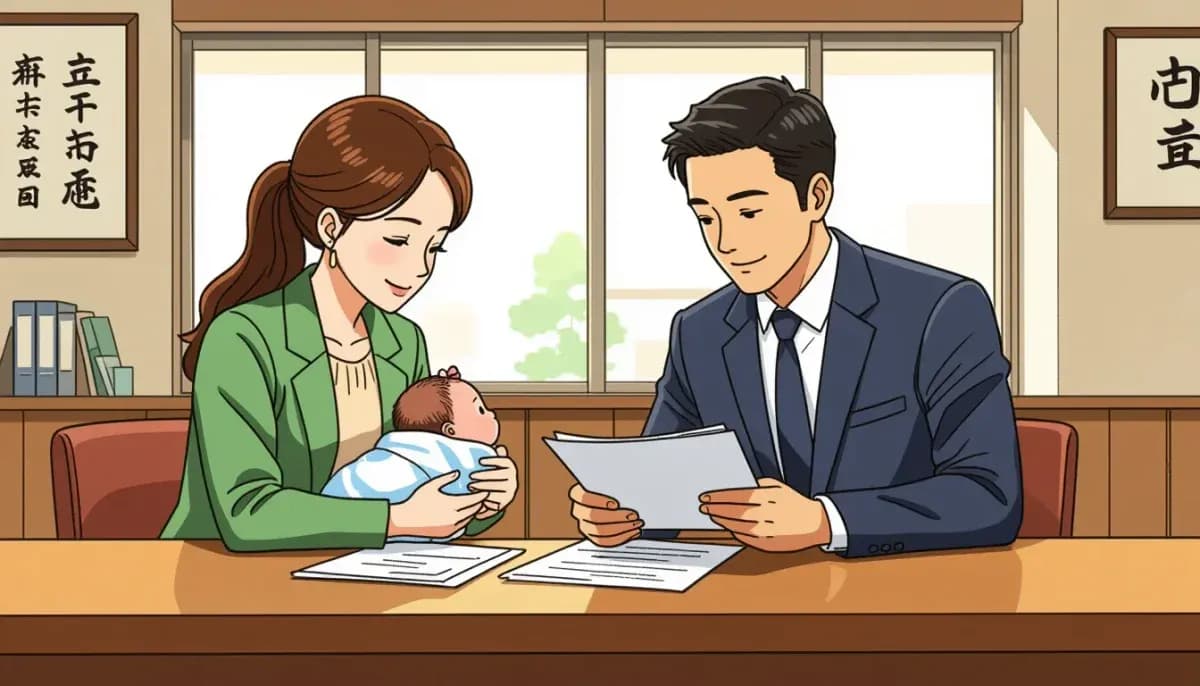
Consular Registration for Children Born in Japan
Complete guide for foreign parents on consular registration for children born in Japan. Learn deadlines, required documents, embassy procedures, and how to avoid statelessness.
Read more →
When to Hire an Immigration Lawyer for Family Matters
Learn when foreign families in Japan need an immigration lawyer for spousal visas, family status changes, custody disputes, and more. Includes 2025 fee breakdown and free consultation options.
Read more →
Common Family Visa Complications and Solutions
Struggling with Japan's dependent visa? Learn the most common family visa complications — income issues, document errors, rejection reasons — and practical solutions to resolve them.
Read more →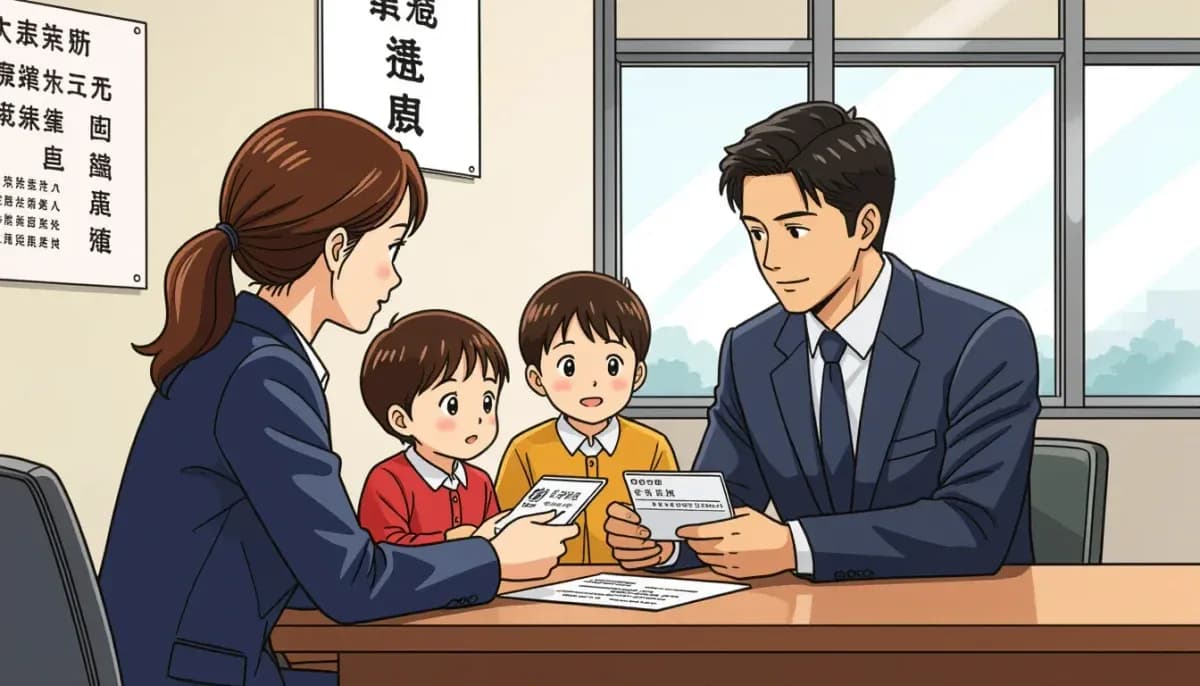
Residence Card (Zairyu Card) Guide for Children
Everything foreign parents need to know about the Zairyu Card (residence card) for children in Japan: how to get it, validity rules for under-16s, the age-16 renewal, carrying requirements, and what to do when a child is born in Japan.
Read more →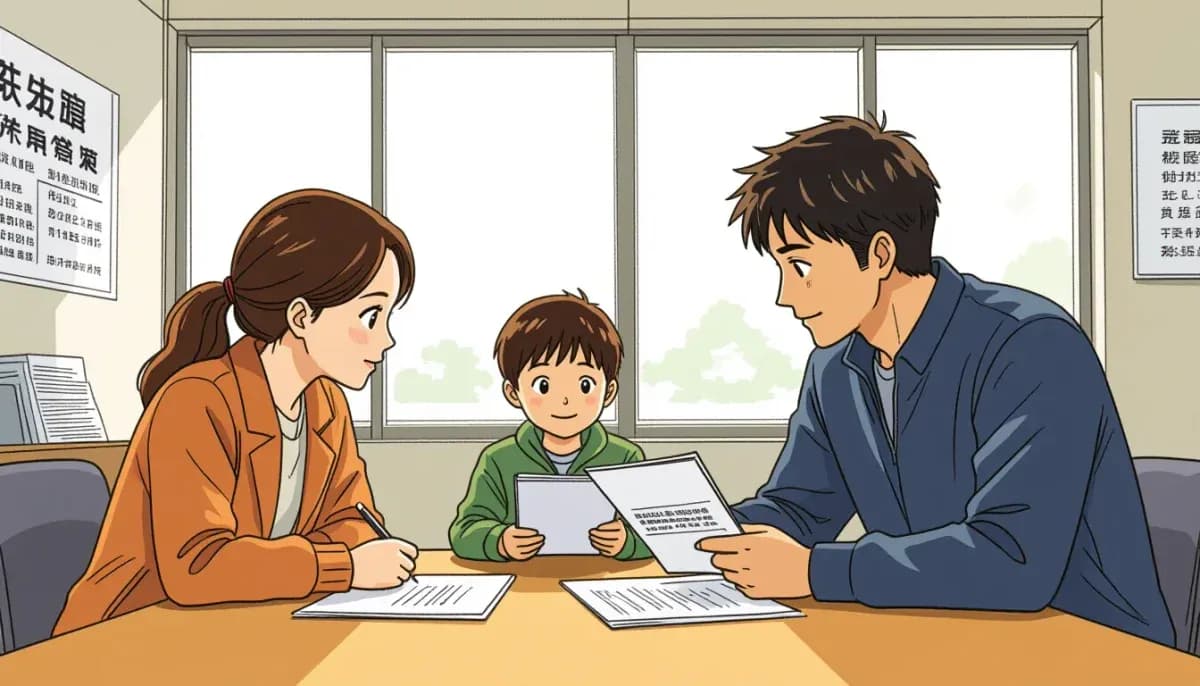
Changing Visa Status When You Have Children
Complete guide to changing visa status for children in Japan: Family Stay visa eligibility, COE process, children born in Japan, 2025 fee updates, and common mistakes to avoid.
Read more →