
Self-Care and Preventing Burnout for Expat Parents

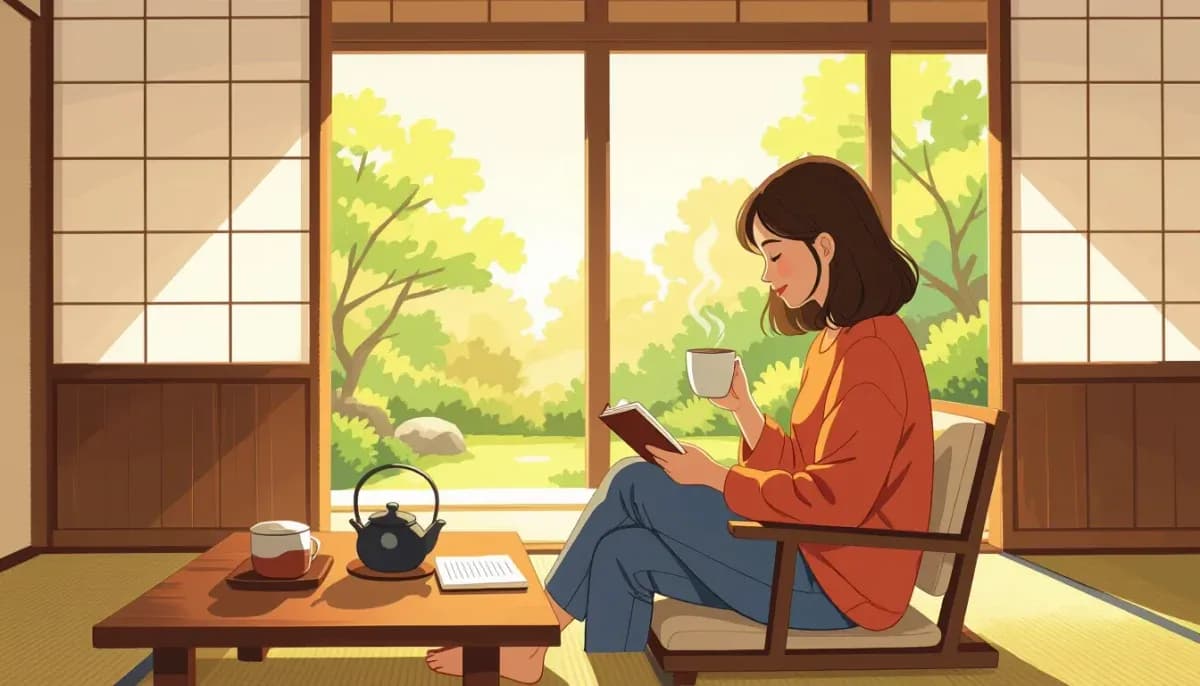
Expat parent burnout in Japan is real. Learn practical self-care strategies, warning signs to watch for, and mental health resources designed for foreign parents raising children in Japan.
Self-Care and Preventing Burnout for Expat Parents in Japan
Parenting is demanding anywhere in the world, but raising children as an expat in Japan adds layers of complexity that can quietly erode your wellbeing. Language barriers, cultural expectations, geographic distance from your support network, and the relentless logistics of expat family life create a perfect storm for burnout. If you find yourself running on empty — snapping at your kids, dreading the school run, or wondering why you ever moved here — you are not alone, and you are not failing.
This guide is for expat parents in Japan who want practical, realistic strategies for protecting their mental and emotional health. We cover what expat parent burnout looks like, why Japan creates particular pressures, and how to build sustainable self-care habits that actually fit your life.
What Is Expat Parent Burnout — and Why Does It Happen in Japan?
Burnout is not simply being tired. According to researchers, burnout involves three core dimensions: emotional exhaustion, depersonalization (feeling emotionally detached from your children or partner), and a reduced sense of personal accomplishment as a parent. A landmark study published in Frontiers in Psychology validating the Japanese Parental Burnout Assessment (PBA-J) with 1,500 Japanese parents found that mothers score significantly higher on burnout than fathers, particularly on exhaustion and feelings of contrast with their previous parental self.
For expat parents, standard parenting stress is multiplied by:
- Language isolation: Navigating daycare paperwork, school newsletters, and parent-teacher meetings in Japanese takes enormous cognitive energy, even for intermediate learners.
- Absence of extended family: Grandparents, siblings, and lifelong friends who would normally provide relief are a plane flight (and a time zone) away.
- Cultural pressure: Japan's parenting culture often emphasizes self-sacrifice and group harmony. Asking for help or admitting struggle can feel culturally inappropriate — even if you know intellectually that is not healthy.
- Trailing spouse dynamics: If your move was driven by your partner's work, you may have given up your own career, professional identity, and social network simultaneously. Research shows trailing spouses face significant risk of identity loss and reduced self-esteem.
- "Change fatigue": Relocation experts describe expat burnout as cumulative change fatigue. A 2024 study by Asian Tigers Group found that 56% of relocated employees reported emotional struggles lasting more than three months after moving.
Understanding that burnout has structural causes — not personal failings — is the first step toward addressing it. For more on supporting your children's emotional adjustment alongside your own, see our guide on mental health and emotional wellbeing for foreign children in Japan.
Recognizing the Warning Signs Before Burnout Takes Hold
Burnout rarely arrives suddenly. It builds gradually through warning signs that are easy to rationalize away. The expat resource Expat Nest identifies the following red flags:
- Persistent tiredness that sleep does not fix
- Loss of motivation for activities you previously enjoyed
- Hopelessness about your family's situation in Japan
- Anxiety or dread about anything that requires Japanese language use
- Fantasies about abandoning expat life and moving home
- Emotional distancing from your children or partner
- Increased irritability, shorter fuse
- Physical symptoms: headaches, digestive problems, frequent illness
If you recognize three or more of these consistently over two or more weeks, treat it as a signal that your current situation is unsustainable — not a character flaw.
| Warning Sign | Mild (Monitor) | Serious (Act Now) |
|---|---|---|
| Tiredness | Occasional fatigue | Exhaustion that doesn't lift with rest |
| Motivation | Low energy for extras | Can't do daily basics |
| Irritability | Snapping occasionally | Constant anger or emotional numbness |
| Connection to children | Impatience | Feeling detached or indifferent |
| Outlook | Japan feels hard | Questioning the entire move |
| Physical symptoms | Minor aches | Frequent illness, sleep disruption |
If you are in the "serious" column on multiple rows, seek professional support rather than trying to self-manage alone.
Practical Self-Care Strategies That Work in Japan
Generic self-care advice — "take a bubble bath," "get more sleep" — often feels irrelevant to the reality of expat parenting. Here are strategies calibrated to the specific context of raising children in Japan.
Build a Weekly Non-Negotiable Routine
Vickie Skorji, a counselor at TELL Lifeline (Japan's English-language mental health helpline), recommends treating your own schedule with the same discipline you apply to your children's routines. This means setting consistent wake times, work or activity hours, breaks, and a hard bedtime — and protecting them even when Japan's social culture might push you toward more flexibility.
One framework that works well for expat parents in Japan:
- Morning anchor: 20–30 minutes before children wake for exercise, journaling, or quiet reading
- Transition ritual: A brief walk or mindfulness exercise between "work mode" and "parent mode"
- Weekly solo time: A minimum of 2–3 hours per week with no family obligations — not a luxury, a maintenance requirement
- Screen/news boundary: Limit news consumption to 30 minutes per day; international news anxiety compounds expat stress significantly
Leverage Japan's Unique Self-Care Infrastructure
Japan offers world-class self-care infrastructure that expats often underuse:
- Onsen and sento: Public baths are affordable, deeply relaxing, and culturally embedded. Many towns have a neighborhood sento charging ¥500 or less. For parents, this is legitimate solo time with no cultural explanation required.
- Konbini therapy: Japan's convenience stores are open 24/7 and sell hot drinks, surprisingly good food, and a sociable environment — a low-cost escape when walls are closing in at home.
- Satoyama and city parks: Japan has extensive green space. Research consistently shows that time in nature reduces cortisol. Even 20 minutes in a park measurably reduces stress hormones.
- Manabi (lifelong learning) centers: Many wards and cities offer subsidized classes for adults in everything from cooking to calligraphy. Joining one provides routine, achievement, and social contact.
For background on work-life balance challenges for parents in Japan, including how Japanese workplace culture affects family dynamics, our dedicated guide covers this in depth.
Building a Support Network from Scratch
One of the most consistent findings in expat wellbeing research is that social connection is a stronger predictor of resilience than any individual coping strategy. For expat parents in Japan, building that network takes intentional effort.
Find Your People: Communities That Work
- TELL (Tokyo English Lifeline): Beyond their crisis hotline (03-5774-0992, 9am–11pm daily), TELL runs peer support groups for parents, including groups focused on grief, LGBTQ+ parenting, and general expat parenting.
- Facebook groups: Search for "[your city] expat parents" or "[your city] foreign families." These groups are often the fastest route to finding other English-speaking parents nearby.
- International school parent communities: Even if your children attend Japanese public school, many international school PTAs welcome community members. They often have social events open to the broader expat community.
- Ward international centers (Kokusai Koryu Center): Most wards with significant foreign populations maintain international centers that organize cultural exchange events, Japanese classes, and social gatherings.
- Toddler groups and parent meetups: For parents of young children, organized meetups are particularly valuable. See our guide to toddler groups and parent meetups in Japan.
Don't Neglect Home Connections
Technology makes it feasible to maintain meaningful relationships across time zones. Expert Andrew Grimes of Tokyo Counseling Services recommends actively maintaining friendships — not just family — back home. Scheduling regular video calls (rather than just messaging) provides richer emotional nourishment and a reminder of your identity outside of "expat parent in Japan."
When to Seek Professional Help
Japan has a cultural tradition of managing personal struggles privately, and stigma around mental health remains higher than in many Western countries. For expat parents, there is sometimes an additional layer of "I should be able to handle this — I chose this life." Both of these dynamics can delay getting help until a crisis point.
If self-care strategies are not moving the needle after four to six weeks, professional support is appropriate and effective.
Mental Health Resources for Expats in Japan
| Resource | Type | Contact | Notes |
|---|---|---|---|
| TELL Lifeline | Crisis hotline + counseling | 03-5774-0992 | 9am–11pm daily, free chat available |
| Tokyo Mental Health | Private therapy | tokyomentalhealth.com | English-speaking therapists |
| Tokyo Counseling Services | Private therapy | tokyocounseling.com/english | Individual and family sessions |
| BetterHelp / Talkspace | Online therapy | App-based | 24/7 English, available throughout Japan |
| IMHPJ | Directory | imhpj.org | Bilingual therapist directory by location |
| Japan National Health Insurance | Psychiatric care | Via local clinic | Usually covered by NHI |
Therapy typically costs ¥10,000–¥20,000 per session in Japan and is rarely covered by private health insurance for expats, though psychiatric consultations through a hospital are usually covered under the National Health Insurance system. For a fuller overview of mental health services available to children as well, see our resource on mental health services for children in Japan.
For non-Japanese parents navigating Japanese cultural expectations in parenting, understanding Japanese parenting culture can reduce friction and the cognitive load of feeling constantly out of step.
Cultural Navigation: Working With Japan, Not Against It
Expat parent burnout in Japan is often worsened by the experience of constant cultural friction — the feeling that you are always getting something wrong, always the outsider, always translating. Reframing your relationship with Japanese parenting culture can significantly reduce this drain.
Accept What You Can Adapt To
Some elements of Japanese parenting culture are worth embracing even if they initially feel unfamiliar:
- Structured routines: Japanese preschools and schools run on predictable, detailed schedules. Leaning into this structure — rather than resisting it as rigidity — can actually reduce parental anxiety and decision fatigue.
- Community child-rearing (sodateru): In Japan, the community is expected to share responsibility for children's safety and wellbeing. Allowing this — accepting that a neighbor might guide your child across the street — reduces the "I must be present 100% of the time" pressure.
- Physical activity as community: Group walking, school events, undokai (sports days). These can feel like obligations but also provide genuine physical activity and social contact for parents.
Identify Non-Negotiable Cultural Boundaries
At the same time, some Japanese cultural expectations may conflict with your family's core values or needs. Research consistently shows that expats who manage well are those who decide clearly which local norms they will adapt to and which they will not — rather than trying to fully assimilate or fully resist. For deeper guidance on this balance, our cross-cultural parenting guide provides practical frameworks.
External Resources Worth Bookmarking
If you want to go deeper on any aspect of expat parent burnout and self-care in Japan, these resources are high quality:
- Living in Nihon — Expat Life in Japan — comprehensive guides to daily life in Japan for foreigners
- For Work in Japan — practical resources for expats navigating Japanese work and family life
- Chuukou Benkyou — educational and cultural resources for families in Japan
- TELL Lifeline mental health resource list — comprehensive overview of English mental health support in Japan
- Expat Nest: Recognizing and dealing with expat burnout — practical guide to expat-specific burnout patterns
- Japan Today: Mental health advice for expats from Japan-based experts — expert perspectives from counselors working in Japan
The Bottom Line
Burnout is not inevitable. It is the result of unsustainable conditions accumulating over time — and conditions can be changed. For expat parents in Japan, the path forward usually involves three things: honest recognition of what is depleted, deliberate investment in specific self-care practices, and building genuine social connection rather than relying on solo coping alone.
Japan, for all its complexity, also offers remarkable resources for those who know where to look: world-class nature, deeply affordable public bathing culture, structured community rhythms, and a growing network of English-language mental health support. Use them. Your children need a parent who is present, not a parent who is merely enduring.

Originally from Vietnam, living in Japan for 16+ years. Graduated from Nagoya University, with 11 years of professional experience at Japanese and international companies. Sharing practical information for foreign parents raising children in Japan.
View Profile →Related Articles
Managing Dual-Career Families in Japan
Both partners working in Japan while raising children? Navigate daycare waitlists, parental leave rights, health insurance, visa strategy, and household management as a dual-career expat family.
Read more →
Part-Time Work Options for Parents in Japan
A complete guide to part-time work options for foreign parents in Japan — covering visa rules, job types, income thresholds, Japanese job boards, and 2025 workplace rights for working parents.
Read more →
Building a Support System as a Working Expat Parent
Learn how to build a strong support system as a working expat parent in Japan. Find parent communities, government resources, professional networks, and practical tips for the first month.
Read more →
Career Impact of Becoming a Parent in Japan
Discover the real career impact of becoming a parent in Japan. From parental leave rights and financial benefits to daycare challenges and workplace culture — a complete guide for foreign workers.
Read more →
Remote Work and Parenting in Japan: Making It Work
Learn how to balance remote work and parenting in Japan. Covers legal rights, childcare integration, home office setup, financial support, and practical tips for expat parents.
Read more →
Time Management Tips for Working Parents in Japan
Practical time management strategies for working parents in Japan. Learn your legal rights, how to navigate childcare systems, manage the mental load, and balance career and family as a foreign parent in Japan.
Read more →