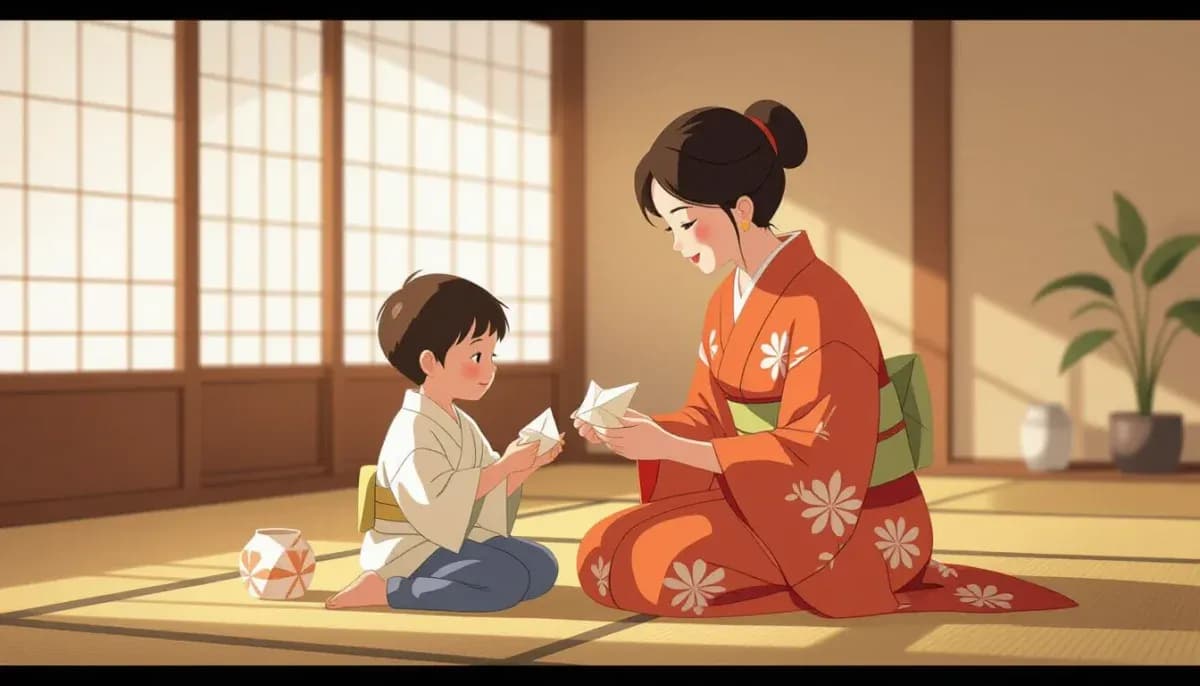
Understanding Japanese Parenting Culture as a Foreign Parent
Moving to Japan with children — or having children while living in Japan — is one of the most rewarding yet culturally complex experiences a foreign parent can have. Japanese parenting culture is rich with centuries of tradition, nuanced social expectations, and a deep philosophy about childhood development that differs significantly from Western norms. As a foreign parent navigating this world, understanding the "why" behind Japanese parenting practices will help you support your child, connect with local parents, and make informed decisions about how to raise your family in Japan.
This guide covers the core pillars of Japanese parenting culture, the unspoken rules you'll encounter at school and in public, how Japanese philosophy shapes child development, and practical tips for foreign parents adapting to life in Japan.
The Core Philosophy of Japanese Parenting: Amae and Proximal Bonding
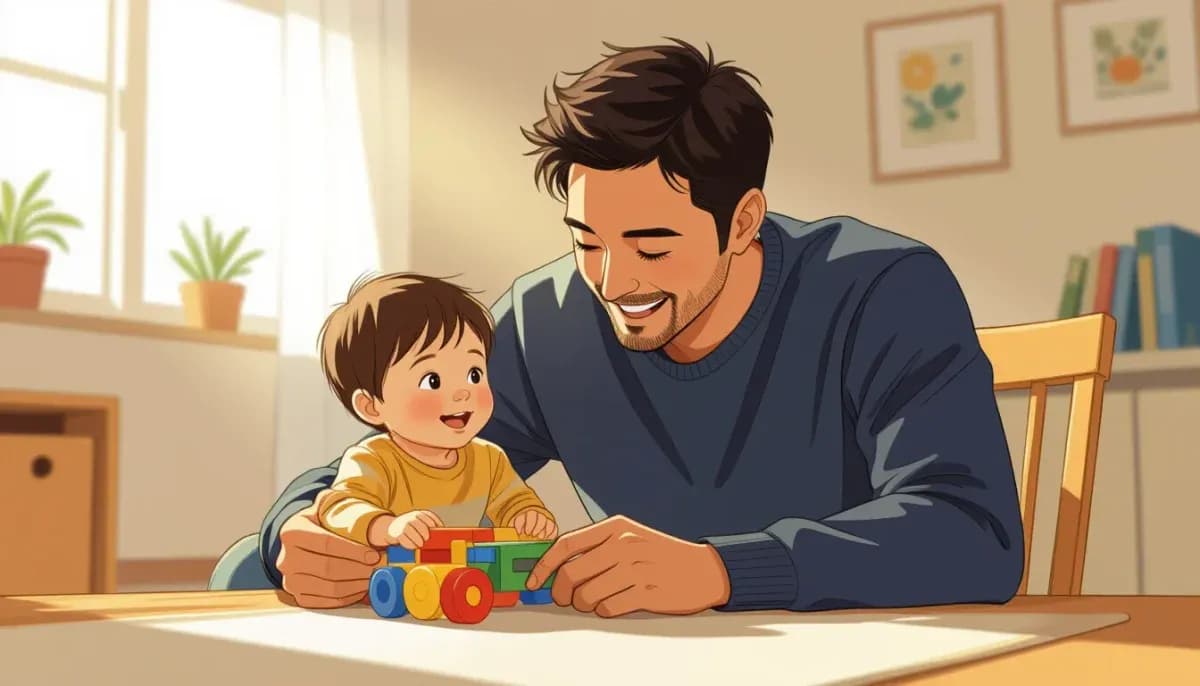
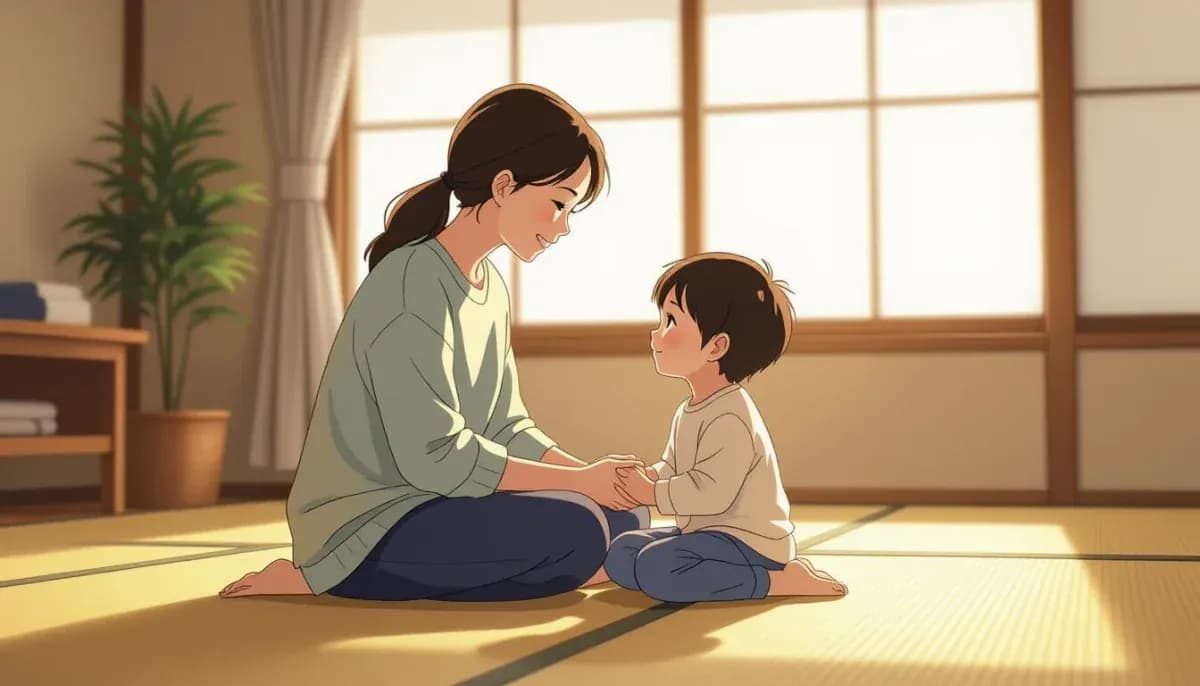
At the heart of Japanese parenting is a concept called amae (甘え) — the idea that children need to feel completely safe in their dependence on parents, especially in early childhood. Rather than encouraging independence from infancy as many Western approaches do, Japanese parenting embraces physical closeness, co-sleeping, and extended bodily contact as the foundation of secure emotional development.
Research backs up how deeply this manifests in daily life: 59% of Japanese children co-sleep with parents three or more times per week, compared to just 15% of children in the United States. Japanese mothers, on average, spend only about 2 hours per week separated from their infants — American mothers average around 24 hours weekly away from infants. This is not neglect of independence; it is an intentional investment in early attachment.
For foreign parents, this can be a revelation. If you come from a culture that prizes "sleep training" or early independence, you may feel social pressure in Japan to embrace a more proximal, attachment-centered style. Co-bathing (family bath time, or ofuro together) is completely normal across all ages in Japanese families and carries no stigma.
What this means for you:
- Don't be alarmed if Japanese pediatricians or nurses encourage co-sleeping rather than discouraging it
- Babywearing and constant physical contact with infants is widely embraced and well-supported (you'll find nursing rooms and baby carrier rental in many public spaces)
- Independence is fostered gradually — through group activities, school responsibilities, and specific developmental milestones — not through early separation
For more on early childhood care in Japan, see our guide to Baby and Infant Care in Japan and Toddler Parenting in Japan: Ages 1 to 3.
Shitsuke: Discipline Through Modeling, Not Punishment
One of the most misunderstood aspects of Japanese parenting culture is shitsuke (躾), the Japanese concept of discipline. The word itself is written with kanji combining "person" (人) and "beautiful" or "correct" (美), suggesting that discipline is about shaping a person beautifully from within — not about control or punishment imposed from outside.
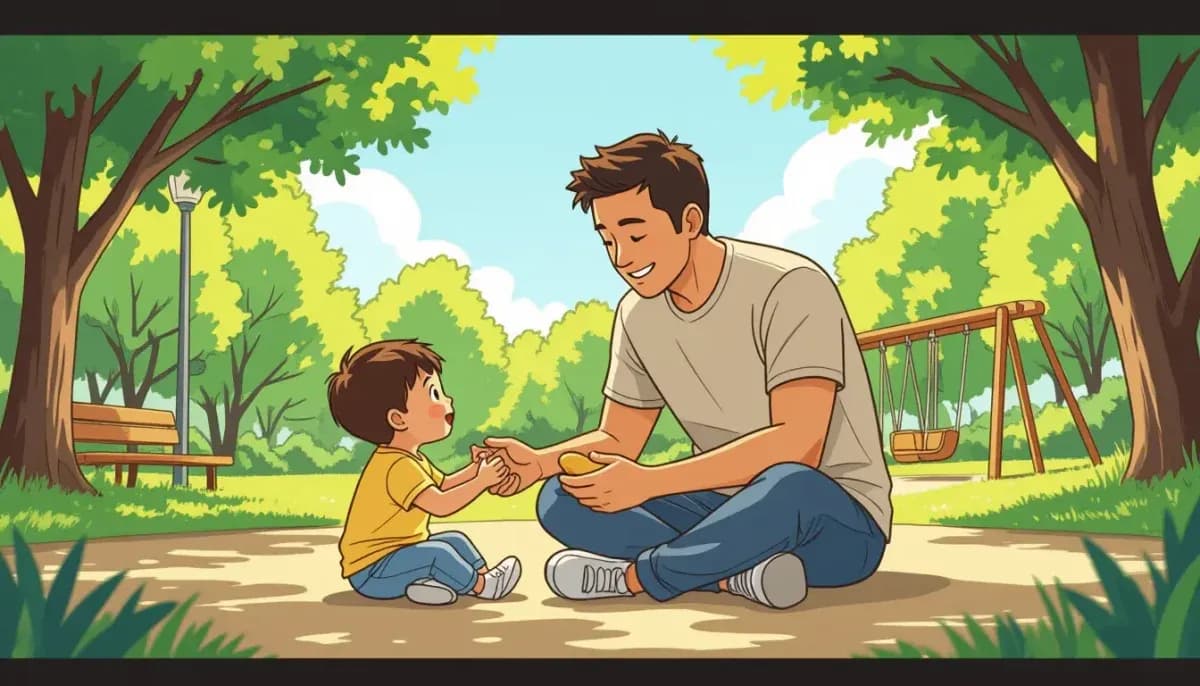
Shitsuke means teaching children correct behavior by demonstrating it yourself. Japanese parents rarely raise their voices in public; they model calm, respectful behavior and expect children to observe and emulate it. Discipline is quiet, patient, and consistent. When a child misbehaves in public, the response is usually gentle redirection or waiting calmly — not a dramatic reaction.
This is deeply connected to Japan's concept of public self vs. private self (tatemae/honne). Correcting a child loudly in public shames both the parent and the child. Corrections happen privately, explained carefully, and with the expectation that the child will understand and internalize the lesson.
Japan's legal framework has also shifted: In 2019, Japan amended its Child Abuse Prevention Law, banning all forms of corporal punishment effective April 2020 — a significant cultural-legal shift reflecting changing attitudes even within Japan itself.
For foreign parents, key takeaways from shitsuke:
- Lead by example constantly — your child is always watching
- Respond calmly to public misbehavior; do not embarrass your child in front of others
- Focus on explanation and understanding, not immediate compliance
- Praise effort and process, not just results
Ganbatte Culture: Effort, Resilience, and the Growth Mindset
If you spend any time in a Japanese school or around Japanese parents, you will hear ganbatte (頑張って) constantly — it means "do your best" or "keep going." This is not empty encouragement. It reflects a deep cultural belief that effort and persistence are more important than innate talent.
Japanese schools and parents typically praise effort over ability. Research from the University of Chicago and Stanford University has consistently shown that praising effort ("you worked so hard on that") produces more resilient, motivated children than praising ability ("you're so smart"). Japan has been practicing this approach culturally for generations.
Closely related is hansei (反省) — structured self-reflection. Rather than external punishment when something goes wrong, Japanese children are taught to reflect on their own behavior: What happened? What could I have done differently? What will I do next time? This practice starts in preschool and continues throughout school life, building children who can self-regulate and take ownership of their actions.
Then there is gaman (我慢) — patient endurance. Japanese children are expected to tolerate discomfort, wait their turn patiently, and persist through challenges without complaining. You'll see this at school sports days, in strict rules about uniform dress in all weather, and in the cultural expectation that children participate fully regardless of personal preference.
How Japan raises resilient children is explored in depth at Savvy Tokyo — an excellent resource for foreign parents interested in how these values translate into everyday school life.
For more on supporting your child's development in Japanese schools, see our guides on Raising Bilingual Children in Japan and Mental Health and Emotional Wellbeing for Foreign Children in Japan.
The Unwritten Rules of Japanese Parenting in Public
Japanese parenting comes with a set of unspoken social rules that are rarely written down but universally understood — and foreign parents who don't know them can inadvertently create friction with other parents, teachers, and community members. Here are the most important ones:
| Situation | Expected Behavior | Why It Matters |
|---|
| Child crying in public | Stay calm, comfort quietly, move to a less busy area | Loud reactions draw attention and can seem disruptive |
| Train or bus with children | Remove shoes from seats, manage noise, apologize proactively | Public transport etiquette is serious in Japan |
| Playground with other children | Supervise actively; intervene if your child causes problems | Parents are responsible for monitoring children at all times |
| Breastfeeding | Use nursing rooms (available almost everywhere) | Public nursing outside designated areas can cause discomfort |
| Sick children | Do not bring sick children to school, daycare, or playdates | Group harmony and health is prioritized strongly |
| Shared toys/equipment | Disinfect and clean items before returning | Particularly important in daycare and playgroups |
| Diaper changes | Use designated changing stations only | Changing in public areas (even discreetly) is considered inappropriate |
Tsunagu Japan's guide to the 10 unwritten social rules of Japanese parenting is a particularly useful read for newly arrived foreign parents who want to understand what's expected before their first playdate or school event.
One critical area: PTA participation. In Japanese schools, PTA (Parent-Teacher Association) membership is essentially expected of all parents. Foreign parents are not exempt. Meetings are typically held in Japanese, and there are rotating responsibilities for cleaning, events, and school maintenance. If you cannot participate fully due to language barriers, communicating this early and apologetically to the school usually results in accommodation — but you must show willingness to engage.
For a full overview of what to expect at Japanese schools, see The Complete Guide to the Japanese Education System for Foreign Families.
Navigating the School System as a Foreign Parent
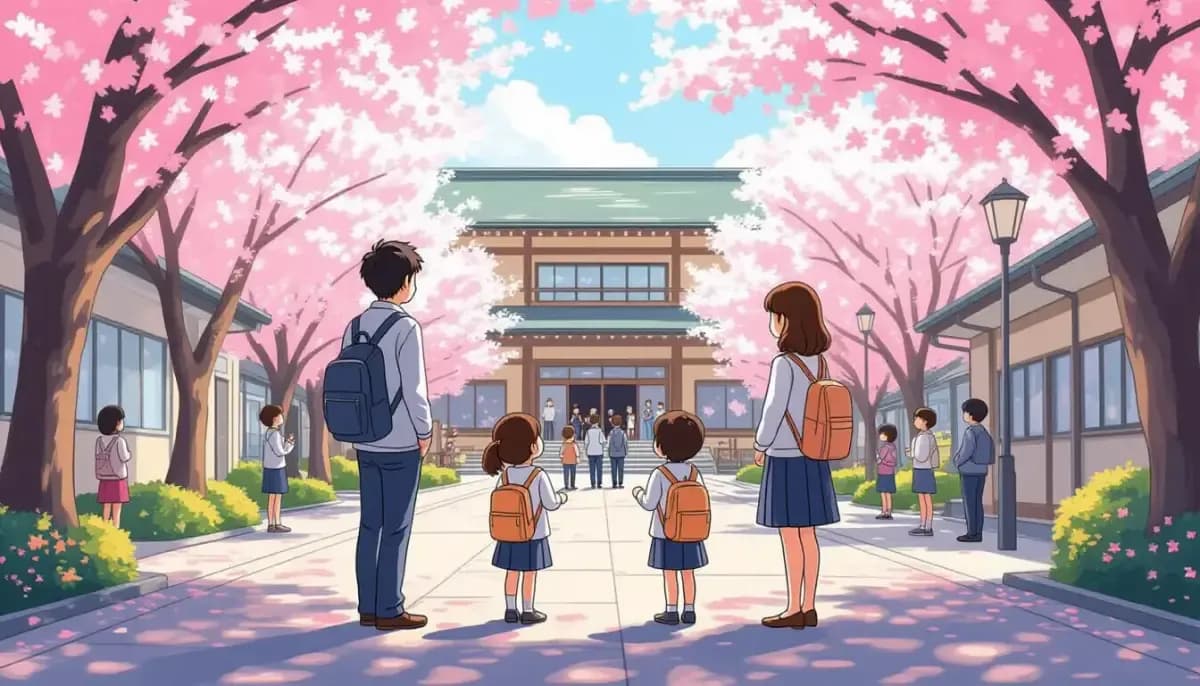
Japan's school year begins in April — not September as in most Western countries. If you're moving to Japan mid-year or your child is entering the system from abroad, this timing mismatch is one of the first practical challenges you'll face.
The school system follows a 6-3-3 structure: 6 years of primary school, 3 years of junior high, 3 years of high school. Compulsory education in Japan technically applies only to Japanese citizens, but local governments are required to accept foreign children who apply, and enrollment is strongly encouraged. Approximately 70,000 foreign students in Japanese schools currently require Japanese language instruction; unfortunately, over 1,000 foreign children remain out of school entirely as of May 2024 — a gap that advocacy groups are actively working to address.
Annual education costs (public schools):
| School Level | Annual Cost (Public) | Annual Cost (Private) |
|---|
| Kindergarten (3-5) | Free (post-2019 subsidy) | Free (post-2019 subsidy) |
| Primary School | ~¥350,000 | ~¥1,670,000 |
| Junior High School | ~¥540,000 | ~¥1,440,000 |
| High School | ~¥510,000 | ~¥1,050,000 |
Child allowance (jidou teate): As of October 2024, Japan eliminated income restrictions on child allowance payments. Foreign residents with appropriate visa status qualify equally. Monthly payments are ¥15,000 for children under 3, and ¥10,000 for children age 3 through junior high school (¥30,000 for the third and subsequent children).
For comprehensive information on school costs, options, and the enrollment process, see The Complete Guide to the Japanese Education System for Foreign Families and our guide to Government Benefits and Subsidies for Families in Japan.
For expat families exploring all their options including international schools, our International Schools in Japan: The Definitive Guide for Families covers costs, admissions, and curriculum options in detail.
Cultural Identity, Language, and the Hafu Experience
One of the most profound challenges for foreign parents in Japan relates to cultural identity — particularly for mixed-race children (often called hafu, from the English word "half"). Children who look different from their peers, speak differently at home, or carry two cultural identities can face both beautiful and difficult experiences in Japanese society.
Japan is becoming more diverse, but it remains a highly homogeneous society in many regions. Your child may be the only non-Japanese child in their class, and navigating questions about identity, language, and belonging requires active parental support.
Language is central to belonging in Japan. Children who enter Japanese schools without Japanese language skills will face initial isolation, but Japanese children are typically welcoming and curious, and language acquisition in young children is remarkably fast. Most schools with foreign students provide pull-out Japanese classes, and many municipalities offer free Japanese language support programs.
Maintaining your heritage language at home while your child acquires Japanese is one of the most important gifts you can give them. Research consistently shows that strong first-language foundations support second-language acquisition and long-term cognitive development.
For guidance on these interconnected challenges, see:
O'Sullivan Counseling's overview of Japanese parenting style offers an excellent cross-cultural psychological perspective for parents trying to understand both their own approach and Japan's.
Resources for Foreign Parents in Japan
Navigating Japanese parenting culture is much easier with the right resources. Here are the most useful:
Online Communities and Guides:
Emergency Support:
- Yorisoihotline (よりそいホットライン): 0120-279-338 (multilingual support)
- Child consultation centers: Dial 189 (Japan-wide)
Government Support:
- Child allowance applications: Contact your local ward or city office (kuyakusho or shiyakusho)
- School enrollment: Contact your local Board of Education (kyoiku iinkai)
For a full picture of the practical and legal aspects of raising children in Japan, see our guides on Visa and Legal Issues for Foreign Families with Children in Japan and Financial Planning for Expat Families Raising Children in Japan.
Final Thoughts: Embrace the Journey
Japanese parenting culture is not monolithic — Japan itself is changing, with more mothers working, smaller families, and increased exposure to global parenting philosophies. Nearly one-quarter of Japanese mothers now practice what researchers describe as a "US-style" approach (authoritative or permissive parenting), indicating that the culture is shifting even from within.
As a foreign parent, you don't need to adopt every aspect of Japanese parenting culture wholesale. But understanding the values behind shitsuke, amae, ganbatte, and the group-first mentality will help you navigate school events with confidence, connect genuinely with other parents, and support your child through the unique experience of growing up between two cultures.
Japan is, despite the challenges, one of the safest and most child-friendly countries in the world. Almost 40% of Japanese adults aged 20–49 say that raising children in Japan is "easy" — and the sense of safety, community, and care for children that pervades Japanese society is something most foreign parents come to deeply appreciate.
Your family's experience in Japan will be shaped by curiosity, flexibility, and a willingness to understand the world your children are growing up in. With the right knowledge and support, it can be extraordinary.