
Grandparent Involvement in Japanese Family Life

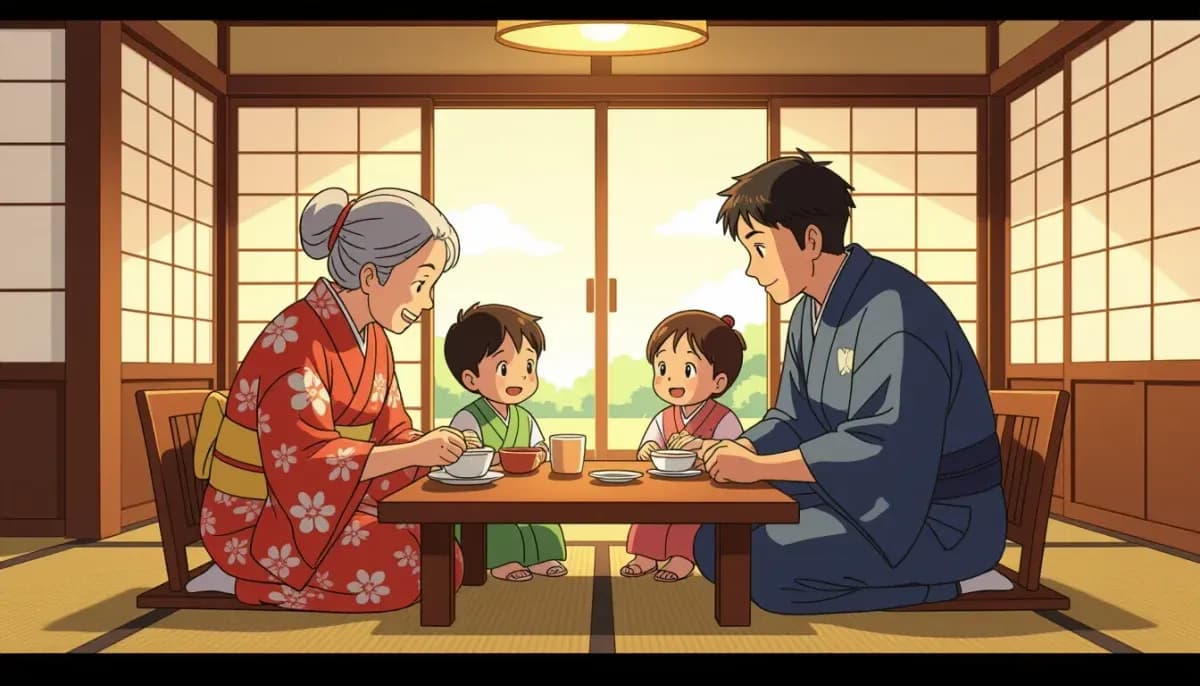
Understand how grandparents (obaasan, ojiisan) participate in Japanese family life — childcare support, cultural roles, three-generation households, and tips for foreign families navigating these relationships in Japan.
Grandparent Involvement in Japanese Family Life: A Complete Guide for Foreign Families
Grandparents hold a uniquely powerful role in Japanese family life. Whether you are a foreign parent raising children in Japan or a Japanese partner navigating cross-cultural family dynamics, understanding how grandparents — especially grandmothers — fit into daily life, childcare, and child-rearing decisions can be one of the most important keys to thriving in Japan. This guide explores the cultural expectations, practical realities, and challenges around grandparent involvement, with a particular focus on how foreign families can navigate these relationships respectfully and effectively.
The Cultural Role of Grandparents in Japan
In Japan, grandparents are not simply background figures who visit on holidays. They are often active participants in the day-to-day upbringing of grandchildren. The Japanese grandmother, known as obaasan (おばあさん), is a central figure in family life — a cultural transmitter who teaches traditional cooking, folk remedies, the customs of the seasons, and sometimes even arts like tea ceremony and flower arranging (ikebana).
The grandfather, ojiisan (おじいさん), meanwhile tends to play more of a character-building and moral guidance role, taking grandchildren on outings, teaching patience and perseverance, and serving as a living connection to a broader family history.
Historically, Japan operated under the ie system — an extended family structure where multiple generations lived under one roof, with the eldest son's family and his parents sharing a household. While this system has largely dissolved in urban areas, its cultural echoes still influence expectations about how grandparents and adult children should relate to one another.
Today, even in nuclear families, the bond between grandparents and grandchildren in Japan is often strong. According to research involving 2,000 Japanese grandparents with preschool-aged grandchildren, 54.4% of grandparents are actively involved in grandchild care, and 62.3% report feeling no sense of burden from this involvement.
Three-Generation Households vs. Nuclear Families
Japan's family structure has shifted dramatically over the past century. While three-generation households — where grandparents, parents, and children all live together — were once common, they have declined significantly. As of the 2010s, only 16.3% of Japanese households with children under 18 were three-generation households, and this figure continues to fall.
That said, a new ideal has emerged in Japanese family culture: chikaku ni sunderu (近くに住んでる), meaning "living close but separately." Many families aim to live within easy commuting distance of grandparents — close enough for regular contact and emergency childcare, but not under the same roof. This arrangement minimizes daily friction while preserving close bonds.
| Living Arrangement | Percentage of Grandparents |
|---|---|
| Co-residing with grandchildren | 35.8% |
| Living separately (some involvement) | 64.3% |
| Active in grandchild care overall | 54.4% |
| Co-parenting arrangements (Tokyo) | 12% |
| Report no burden from childcare duties | 62.3% |
Several factors drive the preference for separate living in modern Japan:
- Housing costs: Urban housing is expensive and often too small for extended families
- Work schedules: Both parents and grandparents may work or have active social lives
- Independence values: Younger generations value privacy and autonomy
- Relationship management: Living separately reduces daily friction and tension
How Grandparents Support Working Parents
One of the most practically significant dimensions of grandparent involvement is childcare support for working parents. Japan's daycare shortage has been a well-documented challenge for decades, and even as the government has expanded capacity, waitlists remain long in many urban areas.
Grandparents fill a critical gap. Research shows that 53% of Japanese couples receive childcare support from grandmothers until the child reaches age 3, and this figure rises to 58% when the mother is employed. This support typically comes in several forms:
- Direct childcare: Picking up children from daycare or school, babysitting in the evenings or on weekends, and caring for sick children when parents cannot take time off work
- Emotional support for parents: Offering reassurance, advice on child-rearing, and a listening ear during stressful periods
- Household help: Cooking meals, doing laundry, and helping with household tasks when parents are overwhelmed
- Financial support: Contributing to school fees, extracurricular activities, family outings, and major purchases
The research identifies four key functions grandparents play in Japanese families:
- Daily care and healthcare — hands-on childcare and managing health matters
- Emotional support for parents — buffering stress and providing guidance
- Character development for grandchildren — teaching values, traditions, and life skills
- Grandparents' own wellbeing — involvement improves grandparents' mental and physical health
Navigating Grandparent Relationships as a Foreign Family
For foreign families in Japan, grandparent relationships can be both a source of wonderful support and occasional tension. There are several distinct scenarios depending on whether you are an international couple, a couple where one partner is Japanese, or a fully foreign family with grandparents living overseas.
When Your Partner's Parents Are Japanese Grandparents
If one partner is Japanese, expectations from Japanese grandparents can feel overwhelming to the foreign partner. Common areas of cultural difference include:
- Opinions on child-rearing: Japanese grandparents may have strong opinions about feeding schedules, sleep training, discipline, and education choices
- Language: They may expect or strongly prefer that grandchildren speak Japanese at home
- Visit frequency: Japanese family culture often involves more frequent contact than some Western families are used to
- Financial dynamics: There may be cultural expectations around gifts, contributions, or supporting the family financially
It is worth noting that Japanese grandparents are generally not trying to be controlling — they are expressing care and connection in the way their culture taught them. Open, respectful communication (with the Japanese partner taking the lead where possible) is essential.
When Both Partners Are Foreign
Foreign couples often lack the grandparent support network that Japanese families take for granted. This means:
- Relying more heavily on paid childcare (daycare, babysitting services, au pairs)
- Building your own support network through expat communities, international parent groups, and neighborhood relationships
- Planning for holiday and school vacation periods carefully, since grandparents cannot step in easily
One valuable resource is Japan Dev's comprehensive guide to childcare in Japan for international families, which covers daycare subsidies, international schools, and support services available to foreign families.
For general guidance on living in Japan as a foreign family, Living in Nihon is a helpful resource covering everything from housing to family life.
Bringing a Grandparent to Japan
Some foreign families choose to bring a grandparent to Japan to provide childcare support. This is legally possible under specific conditions. Holders of the Highly-Skilled Foreign Professional (HSP) visa can sponsor a parent or parent-in-law to reside in Japan specifically to care for a child under age 7 or a pregnant spouse.
If this option interests you, refer to our guide on visa and legal issues for foreign families with children in Japan for full details on the HSP visa pathway and dependent visa requirements.
The Grandmother's Special Role: Obaasan as Cultural Bridge
The Japanese grandmother occupies a particularly important place in family life. Studies consistently show that grandmothers score higher than grandfathers on emotional support for parents, while grandfathers tend to score higher on character development and their own personal wellbeing from involvement.
Obaasan is often the one who:
- Teaches grandchildren osechi ryouri (New Year's food), ohagi (traditional sweets), and seasonal cooking
- Explains the meaning of festivals like Obon, Hinamatsuri, and Shichi-Go-San
- Knows the old folk remedies (minkan ryōhō) that have been passed down for generations
- Serves as a household peacekeeper and mediator during family tensions
For children of mixed heritage or children raised in a foreign-language household, the grandmother can play a crucial role as a living connection to Japanese language and culture. Even if she does not speak English, regular time with obaasan can be one of the most effective ways for children to absorb natural, authentic Japanese.
For more on maintaining language and cultural connections, see our guide on heritage language maintenance for children in Japan.
Generational Differences and Potential Conflicts
No discussion of grandparent involvement would be complete without acknowledging the tension that can arise between generations. Japan is no exception, and several common friction points emerge in families both Japanese and mixed:
Child-rearing philosophy: Older Japanese grandparents often favor stricter discipline, earlier independence in certain areas, and group harmony over individual expression. Younger parents, especially those with exposure to Western parenting approaches, may prefer gentler, more child-led methods.
Screen time and diet: Grandparents may offer more sweets, processed snacks, or allow more TV time than parents prefer. These are small but real sources of daily tension.
Education pressure: Japanese grandparents may push early academic preparation (juken, or entrance exam prep) more aggressively than parents want.
Gender expectations: Traditional gender roles — particularly for girls — may be more pronounced in grandparents' expectations.
Research from Ritsumeikan University comparing Japan and China found that in Japan, grandparent involvement generally has minimal negative effects on children's personality development when grandparents offer supplementary rather than primary care. The key seems to be boundaries: when grandparents support but don't override parents, the outcomes are positive.
For guidance on supporting children's wellbeing through these dynamics, see our guide on mental health and emotional wellbeing for foreign children in Japan.
Grandparents and Finances: A Complex Dynamic
An often unspoken dimension of grandparent involvement in Japan is financial support. Japanese grandparents frequently absorb significant costs, including:
- Restaurant bills and family outings
- Children's school supplies, club activities, and school trips
- Large purchases like school desks or equipment
- Helping with housing deposits or relocation costs
Japan Today reported cases of grandparents spending extraordinary sums from savings to support their children's families, often driven by cultural reluctance to say no for fear of being cut off from family visits.
This dynamic can create unhealthy financial dependency or guilt on both sides. For foreign families navigating financial relationships with Japanese in-laws, setting clear, kind expectations early — ideally before marriage or childbirth — is essential.
For broader financial planning as an expat family in Japan, our guide on financial planning for expat families with children in Japan provides practical frameworks.
Resources and Further Reading
Understanding grandparent involvement in Japan requires both cultural knowledge and practical planning. Here are some resources to explore:
- Living in Nihon — Practical guides for expats living in Japan, including family life and child-rearing
- For Work in Japan — Resources for working professionals with families in Japan
- Chuukou Benkyou — Study and family-related resources for life in Japan
- Grandparents' Family Functions in Japan — Research Open World — Academic overview of grandparent roles in Japanese families
- The Role of Grandmothers in Japanese Culture — YouGoJapan — Cultural context for the grandmother's role
- Positive and Negative Effects of Grandparent Childcare: Japan vs. China — Ritsumeikan University — Academic comparison of grandparent involvement outcomes
Also see our related guides:
- Government benefits and subsidies for families in Japan
- Baby and infant care in Japan for foreign parents
- Toddler parenting in Japan: Ages 1 to 3
Conclusion
Grandparent involvement in Japanese family life is deep, multifaceted, and evolving. For foreign families, understanding this dynamic opens doors to richer relationships with Japanese in-laws, better support systems, and a deeper connection for children to Japanese culture and language. While tensions can arise around parenting philosophies and expectations, the research is clear: when grandparents and parents work as partners rather than competitors, everyone — especially the children — benefits.
Whether your grandparents are in Japan or overseas, building intentional, clear, and warm relationships across generations is one of the most meaningful investments you can make for your family's life in Japan.

Originally from Vietnam, living in Japan for 16+ years. Graduated from Nagoya University, with 11 years of professional experience at Japanese and international companies. Sharing practical information for foreign parents raising children in Japan.
View Profile →Related Articles
Modern Parenting Trends and Changes in Japan
Explore how parenting in Japan is changing in 2025 — from landmark government reforms and childcare expansion to shifting discipline norms and the rise of involved fathers. A practical guide for foreign families.
Read more →
Mama-Tomo Culture: Navigating Mother Friendships in Japan
Understand mama-tomo (ママ友) culture in Japan and learn practical strategies for foreign mothers to build genuine friendships through hoikuen, kodomokan, and school communities.
Read more →
The Ikumen Movement: Japan's Push for Involved Fathers
Discover Japan's ikumen movement — the cultural push for involved fatherhood. Learn about paternity leave rights, government initiatives, and what it means for foreign fathers living in Japan.
Read more →
Japanese vs Western Parenting Styles Compared
Discover the key differences between Japanese and Western parenting styles — from amae and shitsuke to co-sleeping, discipline, and public behavior. A practical guide for foreign parents in Japan.
Read more →
Group Harmony and Socialization in Japanese Child-Rearing
Understand wa (group harmony) and how Japanese schools, proximal parenting, and mimamoru shape your child's socialization. Essential guide for expat families in Japan.
Read more →
Japanese Approach to Early Childhood Development
Understand Japan's early childhood development philosophy: hoikuen, yochien, kodomoen, mimamoru, and Chi-Toku-Tai. A complete guide for foreign parents raising children in Japan.
Read more →