
Types of High Schools in Japan: Academic, Vocational, and Specialized

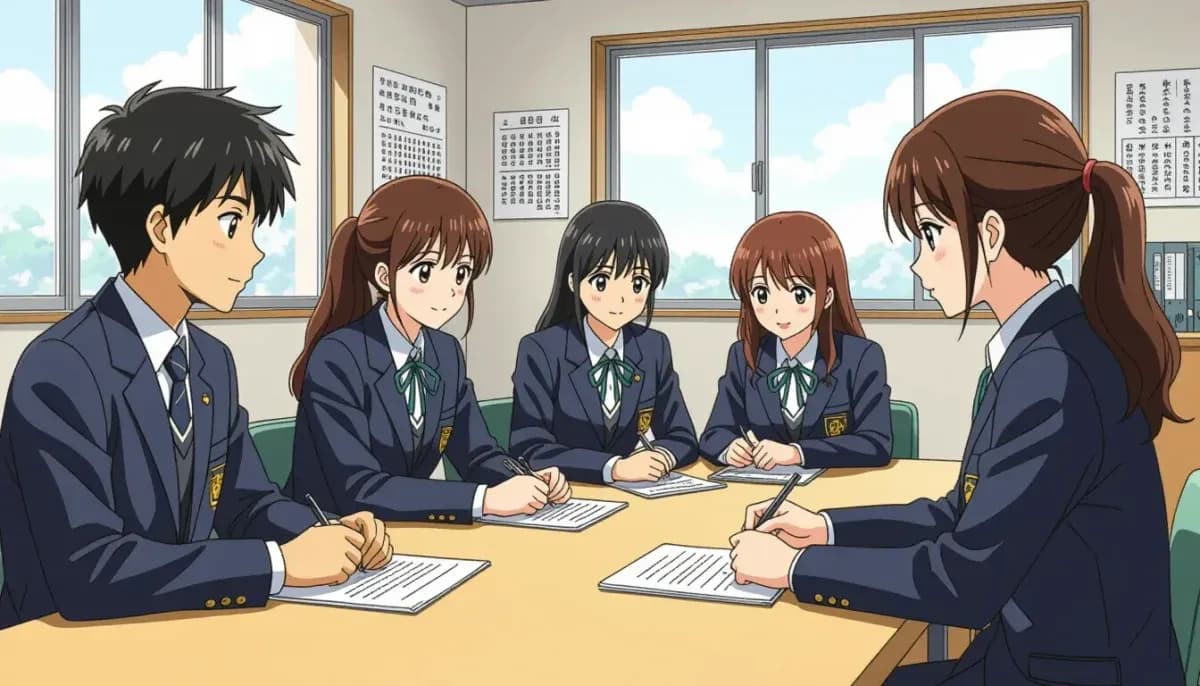
Complete guide to the types of high schools in Japan for foreign families — academic, vocational, correspondence, and Kōsen. Includes costs, foreign student programs, and how to choose.
Types of High Schools in Japan: Academic, Vocational, and Specialized
Choosing the right high school in Japan is one of the most pivotal decisions your child will make during their educational journey. For foreign families living in Japan, understanding the different types of high schools — academic, vocational, and specialized — can feel overwhelming, especially when navigating a system conducted primarily in Japanese. This guide breaks down the key high school tracks, explains what each one means for your child's future, and offers practical guidance for foreign families making this important choice.
The Japanese High School System: An Overview
High school in Japan (高校/kōkō) is not compulsory, but the enrollment rate is over 98%, making it virtually universal. After completing junior high school (中学校/chūgakkō) at age 15, students take entrance examinations and apply to their chosen high school. The type of school chosen largely shapes a student's path — whether toward university, vocational employment, or something in between.
There are three broad categories of high schools in Japan:
- Academic General High Schools (普通科高校/futsu-ka kōkō)
- Vocational High Schools (専門学科高校/senmon gakka kōkō)
- Correspondence and Evening High Schools (通信制・定時制高校)
Additionally, some students attend Kōsen (colleges of technology) which offer a unique five-year combined secondary and associate degree program.
For foreign families, the landscape also includes international schools and public schools with special foreign student quotas, both of which are worth understanding before your child enters the high school phase.
Academic General High Schools (普通科高校)
General academic high schools are by far the most common type in Japan, enrolling approximately 75% of all high school students. These schools follow a broad academic curriculum designed to prepare students for university entrance examinations.
Curriculum and Focus
The core subjects at academic high schools include:
- Japanese language and literature
- Mathematics (algebra, calculus, statistics)
- Science (physics, chemistry, biology, earth science)
- Social studies (history, geography, civics)
- English (mandatory)
- Physical education and arts
Within academic high schools, there are often internal tracks or courses that allow students to specialize in sciences (理系/rikei) or humanities and social sciences (文系/bunkei) from the second or third year.
Elite vs. Standard Academic Schools
Academic high schools in Japan exist on a spectrum:
- Elite academic schools focus on getting students into Japan's top universities (Tokyo University, Kyoto University, etc.). Competition for entry is intense, and students face significant academic pressure.
- Standard academic schools serve the majority of students, offering a more balanced approach that includes club activities alongside academics.
What This Means for Foreign Students
Foreign students who aim for Japanese universities typically enroll in academic high schools. Japanese language proficiency is essential — most instruction is in Japanese. However, some elite private academic schools offer International Baccalaureate (IB) programs or bilingual tracks.
For more on navigating the broader Japanese education system as a foreign family, see our guide: The Complete Guide to the Japanese Education System for Foreign Families.
Vocational High Schools (専門学科高校)
Vocational high schools offer specialized training alongside core academic subjects, preparing students for careers in specific industries. These schools account for roughly 25% of high school enrollment and are divided into several subtypes.
Main Types of Vocational High Schools
| School Type | Japanese Name | Focus Areas |
|---|---|---|
| Technical (Industrial) | 工業高校 (Kōgyō kōkō) | Engineering, manufacturing, IT, electronics |
| Commercial (Business) | 商業高校 (Shōgyō kōkō) | Business, accounting, trade, marketing |
| Agricultural | 農業高校 (Nōgyō kōkō) | Farming, forestry, animal husbandry, food science |
| Fisheries | 水産高校 (Suisan kōkō) | Marine science, fishing industry, aquaculture |
| Home Economics | 家庭科高校 (Katei-ka kōkō) | Cooking, fashion, childcare, nutrition |
| Healthcare/Nursing | 看護科高校 | Nursing assistant training, healthcare basics |
| Arts/Music | 芸術高校 | Visual arts, music, dance, theater |
Technical High Schools (工業高校)
Technical high schools (kōgyō kōkō) focus on engineering and manufacturing. Students learn civil engineering, electrical engineering, chemical engineering, mechanical engineering, and IT. These schools often have industry partnerships that lead directly to employment after graduation. The student body is predominantly male.
Commercial High Schools (商業高校)
Commercial high schools prepare students for careers in business and finance. Students learn accounting, business management, computer applications, and trade practices. Many graduates go directly into the workforce, though some continue to business-focused universities. The student body is traditionally more female-leaning.
Agricultural High Schools (農業高校)
Agricultural high schools combine practical farming and food science with theoretical study. Students learn crop science, animal husbandry, forestry, and food processing. These schools are typically located in rural areas.
For Foreign Students in Vocational Schools
Vocational high schools can be a good fit for foreign students who have a clear career interest. Because instruction is more hands-on and practical, there is sometimes more flexibility in how English is taught. However, all core instruction remains in Japanese.
If your child is still in junior high school and deciding on a path, read our overview: Junior High School in Japan: Guide for Foreign Families.
Correspondence and Evening High Schools (通信制・定時制高校)
Correspondence schools (通信制/tsūshin-sei) and evening schools (定時制/teiji-sei) are alternative pathways to a high school diploma. They are designed for:
- Students in remote areas who cannot commute to a regular school
- Working teenagers who need flexible schedules
- Students who dropped out of day school and wish to return
- Students with health issues or anxiety that makes regular attendance difficult
How They Work
- Correspondence schools send coursework by mail or online. Students attend school for a set number of days per year (typically 30-60 days) for face-to-face instruction and exams.
- Evening schools hold classes from approximately 5:30 PM to 9:30 PM. Students can typically graduate in three to four years.
Relevance for Foreign Families
For foreign children who arrive in Japan mid-year, are still building Japanese language skills, or who struggle with the social environment of regular school, correspondence and evening schools can provide a gentler entry point. They also tend to have lower entrance exam requirements.
Kōsen: Colleges of Technology (高等専門学校)
Kōsen (高専) are a unique Japanese institution that combines the final two years of high school with a three-year junior college program into a single five-year track. Students enroll at age 15 and graduate at 20 with both their high school diploma and an associate degree in technical fields such as:
- Electrical and computer engineering
- Mechanical engineering
- Civil engineering
- Materials science
- Biological engineering
Top Kōsen graduates can transfer directly into the third year of four-year engineering universities. This is an excellent path for students with strong aptitude in science and engineering who want to fast-track their careers.
Special Programs for Foreign Students
Foreign students face additional considerations when entering Japanese high schools. Here is a breakdown of the key options:
Tokyo Metropolitan Special Quotas
Tokyo has six designated public high schools that reserve spots specifically for foreign students living in Tokyo. Key eligibility requirements include:
- Completed 9 years of schooling (in Japan or abroad)
- Registered as a foreign national living with a parent in Tokyo
- Arrival in Japan within the past 3 years (as of application)
Notable schools with foreign student programs:
| School | Location | Enrollment | Special Features |
|---|---|---|---|
| Tokyo Metropolitan Kokusai High School | Komaba, Meguro | ~25 April / ~5 September | IB program, multiple languages |
| Tokyo Metropolitan Asuka High School | Oji, Kita Ward | ~20 April / ~3 September | Ability-grouped classes |
| Tokyo Metropolitan Fuchu Nishi High School | Fuchu | ~15 April / ~3 September | Technology focus |
| Tokyo Metropolitan Tagara High School | Nerima Ward | ~20 total | Japanese traditions curriculum |
Annual tuition at public schools is approximately ¥118,800, with a one-time admission fee around ¥59,400.
Private International-Track High Schools
Private high schools generally have more flexibility in admissions and curriculum. Options for foreign families include:
- Kanto International Senior High School (Shinjuku): ¥240,000 admission + ¥31,500/month; designated "Super English Language High School"
- International Christian University High School (Koganei): ¥330,000 entrance + ¥591,000 annual; 65%+ returnee population, dormitory available
For a detailed guide to international school options across all grade levels, see: International Schools in Japan: The Definitive Guide for Families.
How to Choose the Right High School Type for Your Child
Selecting a high school type depends on several key factors:
Academic Goals
- Planning for Japanese university? → Academic general high school
- Planning for overseas university? → International school or IB-track private school
- Career in technical field? → Vocational (kōgyō) or Kōsen
- Career in business? → Commercial high school (shōgyō)
Japanese Language Level
Students with limited Japanese should explore:
- International schools
- Public schools with foreign student quotas
- Correspondence schools during a language-building transition period
Our resources on supporting your child's Japanese language development may help: Teaching Japanese to Foreign Children: Methods and Resources.
Cost Considerations
| School Type | Approximate Annual Cost |
|---|---|
| Public general high school | ¥118,800–¥200,000 |
| Public vocational high school | ¥118,800–¥200,000 |
| Private high school (standard) | ¥300,000–¥600,000 |
| Private high school (international track) | ¥600,000–¥1,500,000+ |
| International school | ¥1,500,000–¥3,000,000+ |
Note: Japan's High School Tuition Support Fund (高等学校等就学支援金) provides subsidies for low-to-middle income families at public and many private high schools. Foreign families on qualifying visas are eligible.
External Resources for Further Reading
For families who want to go deeper on high school options in Japan, these resources are highly recommended:
- Complete Guide to Raising Children and Education in Japan for Foreigners – Living in Nihon covers the full education spectrum from kindergarten through university.
- For Work in Japan – Education and Lifestyle Resources provides practical information for foreigners building their life in Japan.
- High School Entrance Exam Complete Guide – Chuukou Benkyou is an excellent resource on the entrance exam process for both public and private schools.
- Three Main Types of High Schools in Japan – TEFL Course offers an educator's perspective on the distinctions.
- 10 Japanese High Schools That Accept Foreign Students – Savvy Tokyo provides a curated list of Tokyo schools welcoming international students.
Conclusion
Japan's high school system offers a diverse range of paths — from intense academic preparation for university to hands-on vocational training for a career. For foreign families, the additional layer of language and cultural adjustment makes choosing the right school type even more important.
The key takeaways:
- Academic high schools are best for university-bound students willing to commit to Japanese-language instruction
- Vocational high schools suit students with clear career interests and practical learning styles
- Correspondence/evening schools offer flexibility for students still developing language skills or adjusting to Japan
- Kōsen are ideal for engineering-minded students wanting a fast technical track
- Special quotas and private international-track schools provide entry points for students with limited Japanese
Start your research early — ideally in junior high school — and consult your local Board of Education for specific programs available in your prefecture. For a complete overview of the high school journey in Japan, visit our pillar guide: High School in Japan: Options and Guidance for Foreign Families.

Originally from Vietnam, living in Japan for 16+ years. Graduated from Nagoya University, with 11 years of professional experience at Japanese and international companies. Sharing practical information for foreign parents raising children in Japan.
View Profile →Related Articles
High School Tuition Costs and Financial Aid in Japan
Complete guide to high school tuition costs and financial aid in Japan for foreign families. Learn about public vs private school costs, the 2025 free tuition program, government subsidies, and eligibility for foreign residents.
Read more →
Dropping Out of High School in Japan: Alternatives and Support
Foreign students drop out of Japanese high schools at 7x the national rate. Learn about correspondence school, free schools, the equivalency exam, and support systems available to foreign families in Japan.
Read more →
Night School and Correspondence High Schools in Japan
A complete guide to night school (定時制) and correspondence high school (通信制) in Japan for foreign families — enrollment, costs, language support, and tips.
Read more →
International Baccalaureate High Schools in Japan
Complete guide to IB high schools in Japan for foreign families. Learn about costs (¥1.5M-3M/year), top schools, admission process, and how the IB Diploma opens doors to universities worldwide.
Read more →
Ronin Year: When Students Retake University Entrance Exams
Learn what the ronin year means in Japan, how yobiko prep schools work, what it costs, the mental health impact, and how foreign students navigate university entrance exam retakes.
Read more →
High School Graduation Requirements in Japan
Complete guide to high school graduation requirements in Japan for foreign families. Learn about the 74-credit system, 2023 reforms for foreign students, costs, and support resources.
Read more →