
Japanese National Holidays: A Family Guide

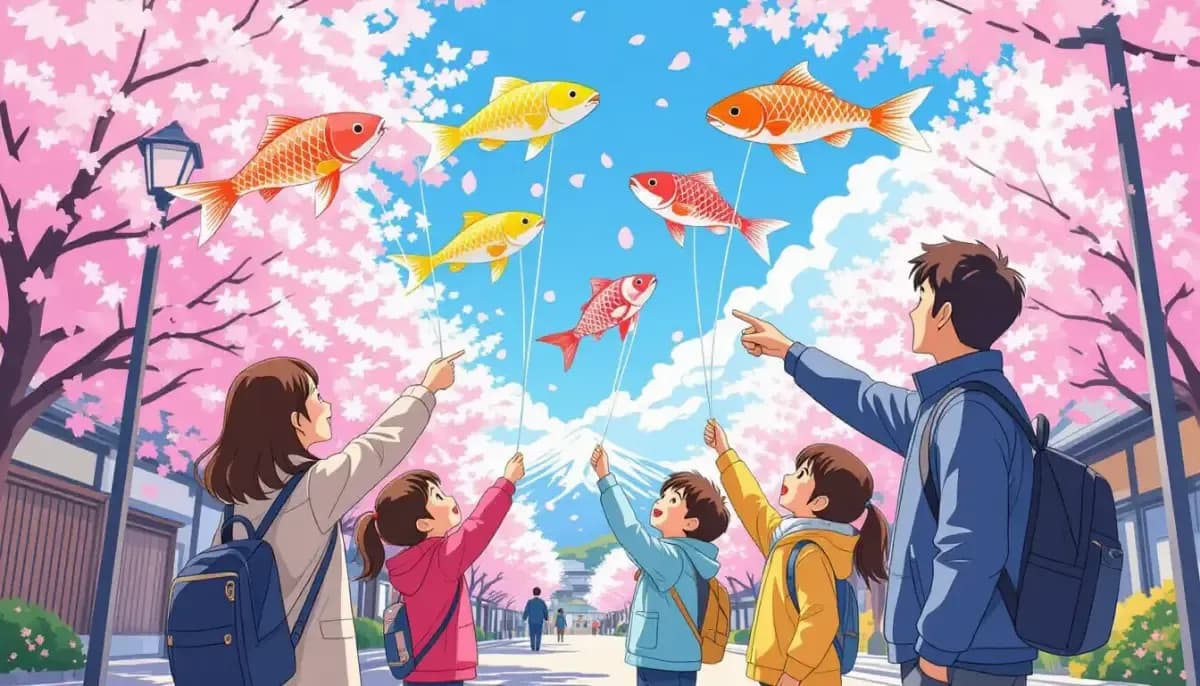
A complete guide to all 16 Japanese national holidays for expat families. Discover traditions, family activities, practical tips for Golden Week, Children's Day, New Year, and every public holiday in Japan.
Japanese National Holidays: A Family Guide for Expats in Japan
Living in Japan as a foreign family means navigating a rich calendar of national public holidays that are unlike anything you may have experienced in your home country. Japan observes 16 official national holidays per year, each with its own cultural traditions, activities, and family significance. Understanding these holidays not only helps you plan your schedule but opens doors to some of the most memorable family experiences Japan has to offer.
Whether you're freshly arrived or have been raising children in Japan for years, this guide walks you through every Japanese national holiday, the family traditions behind them, and practical tips for expat families looking to participate meaningfully — and make the most of those precious days off.
Understanding Japan's National Holiday System
Japan's public holidays are governed by the National Holidays Law (国民の祝日に関する法律), established in 1948 and amended over a dozen times since. There are currently 16 official national holidays per year, making Japan one of the more generous countries in Asia when it comes to public days off.
Key rules every expat family should know:
- Substitute holidays: When a holiday falls on a Sunday, the following Monday becomes the official day off.
- Sandwiched days: A regular weekday that falls between two national holidays automatically becomes a public holiday — a rule that creates some surprisingly long breaks.
- Happy Monday system: Since 2000, several holidays have been moved to Mondays to create guaranteed three-day weekends, which is great for family outings and short trips.
Schools, daycare centers, and most businesses close on national holidays. Some daycare centers and international schools may follow slightly different schedules, so always check with your specific institution. For more on navigating the school calendar in Japan, see our guide to elementary school for foreign parents.
All 16 Japanese National Holidays at a Glance
| # | Holiday (English) | Japanese Name | Date / Rule | Family Theme |
|---|---|---|---|---|
| 1 | New Year's Day | 元日 Ganjitsu | January 1 | Family reunion, shrine visits |
| 2 | Coming of Age Day | 成人の日 Seijin no Hi | 2nd Monday, January | Celebrating young adults |
| 3 | National Foundation Day | 建国記念の日 | February 11 | Cultural pride, flag displays |
| 4 | Emperor's Birthday | 天皇誕生日 | February 23 | Imperial Palace garden parties |
| 5 | Vernal Equinox Day | 春分の日 Shunbun no Hi | ~March 20 | Ancestor remembrance, spring walks |
| 6 | Showa Day | 昭和の日 | April 29 | Golden Week start, history |
| 7 | Constitution Memorial Day | 憲法記念日 | May 3 | Civic education, family outings |
| 8 | Greenery Day | みどりの日 Midori no Hi | May 4 | Nature, parks, botanical gardens |
| 9 | Children's Day | こどもの日 Kodomo no Hi | May 5 | Koinobori, children's wishes |
| 10 | Marine Day | 海の日 Umi no Hi | 3rd Monday, July | Beach, ocean activities |
| 11 | Mountain Day | 山の日 Yama no Hi | August 11 | Hiking, nature appreciation |
| 12 | Respect for the Aged Day | 敬老の日 Keiro no Hi | 3rd Monday, September | Honoring grandparents |
| 13 | Autumnal Equinox Day | 秋分の日 Shubun no Hi | ~September 23 | Ancestor rites, autumn foliage |
| 14 | Sports Day | スポーツの日 | 2nd Monday, October | Physical activity, family sports |
| 15 | Culture Day | 文化の日 Bunka no Hi | November 3 | Arts, museums, school festivals |
| 16 | Labor Thanksgiving Day | 勤労感謝の日 | November 23 | Gratitude for work and community |
The Big Family Holidays: Deep Dives
New Year (Oshōgatsu) — January 1–3
Oshōgatsu is undeniably Japan's most important family holiday. While technically only January 1 is an official public holiday, most businesses, schools, and services close from January 1 through 3, and many families treat the entire first week of January as a holiday period.
Family traditions to participate in:
- Hatsumōde (初詣): The first shrine or temple visit of the New Year. Families line up together — sometimes in very long queues at famous shrines — to pray for good health, academic success, and happiness in the year ahead. Even expat families can participate by following the simple etiquette: toss a coin, bow twice, clap twice, bow once, and make your wish. Children love receiving omamori (protective charms) and omikuji (fortune slips).
- Otoshidama (お年玉): Adults give decorated money envelopes to children. If your children have Japanese friends or relatives, they'll likely receive otoshidama too. Expat families often adopt this tradition warmly — it's a great financial literacy opportunity for kids.
- Osechi ryōri (おせち料理): Elaborately prepared boxed meals with symbolic foods: kazunoko (herring roe) for children and prosperity, kuromame (black soybeans) for health and hard work, and datemaki (sweet rolled omelette) for academic achievement. Osechi sets can be ordered from department stores weeks in advance.
- Toshikoshi soba: Long noodles eaten on New Year's Eve to symbolize longevity and crossing into the new year.
Most convenience stores remain open during New Year, but supermarkets and many restaurants close January 1–3. Stock up on groceries beforehand.
Golden Week — Late April to Early May
Golden Week is the single most family-focused holiday period in Japan, clustering four national holidays in just one week:
- Showa Day (April 29): A day to reflect on the Showa era (1926–1989) and Emperor Hirohito's reign.
- Constitution Memorial Day (May 3): Celebrating the 1947 Constitution.
- Greenery Day (May 4): Parks, botanical gardens, and nature events. Many gardens offer free or discounted admission. Perfect for picnics.
- Children's Day (May 5): The most child-centric holiday (see below).
With strategic use of paid leave, families can enjoy up to 10–11 consecutive days off. However, this is also Japan's busiest domestic travel season. Book accommodation and shinkansen tickets 1–3 months in advance. Prices surge significantly during Golden Week.
Family tip: If you prefer to avoid crowds, consider exploring your local neighborhood on the peak travel days (April 29 and May 3–5) and saving longer trips for the days in between.
Children's Day (Kodomo no Hi) — May 5
Children's Day is the holiday most beloved by expat families with kids. Originally celebrating boys specifically (paired with Hinamatsuri on March 3 for girls), it is now officially dedicated to all children's happiness and honoring mothers.
Koinobori (鯉のぼり) — carp-shaped streamers flown on tall poles — are the defining symbol of the holiday. The traditional set includes:
- A black carp (magoi) for the father
- A red carp (higoi) for the mother
- Smaller colorful carp for each child
You can buy koinobori sets at home centers (like Cainz or Kohnan) and department stores starting in early April. Apartment-dwellers can purchase smaller sets that hang on balconies. Children love picking their own color.
Families also display gogatsu ningyo (May warrior dolls) indoors and eat kashiwa mochi (rice cake wrapped in oak leaves, symbolizing a wish for children to carry on the family legacy) and chimaki (sweet sticky rice cake). Many parks and community centers hold special Children's Day events.
For more on Japanese cultural traditions your children can participate in, see our guide to raising bilingual children in Japan.
Seasonal Outdoor Holidays Perfect for Family Activities
Marine Day (Umi no Hi) — 3rd Monday, July
Marine Day celebrates Japan's relationship with the ocean and expresses gratitude to the sea. It marks the unofficial start of summer and beach season. Aquariums nationwide run special programs, and many coastal communities hold festivals. Book beach accommodations early — this is one of the most popular long weekends for seaside trips.
Mountain Day (Yama no Hi) — August 11
Japan's newest national holiday (established in 2016) encourages appreciation of Japan's magnificent mountains. It falls during summer school vacation, making it ideal for family hikes. Japan has hundreds of family-friendly mountain trails ranging from gentle 30-minute forest walks to more ambitious climbs. Mount Takao near Tokyo, Rokko Mountain near Kobe, and Inasayama near Nagasaki are popular family options requiring little specialist equipment.
Practical tip: The trails can be very crowded on August 11 itself. Consider hiking the day before or after for a quieter experience.
Autumnal Equinox Day (Shubun no Hi) — ~September 23
The week around the autumnal equinox is called ohigan (お彼岸) — a time for Buddhist ancestor veneration. Families traditionally visit graves, clean headstones, and leave flowers, incense, and food offerings for deceased relatives. Expat families without Japanese relatives nearby can use this as a day for quiet reflection or autumn foliage walks, as Japan's forests begin to turn in late September.
Cultural and Learning Holidays for Expat Families
Culture Day (Bunka no Hi) — November 3
Culture Day celebrates Japan's arts and academic achievements. The Imperial Palace opens its inner grounds to the public for free viewing — a rare and memorable experience for children. Museums and art galleries nationwide offer free or deeply discounted admission. Many elementary and junior high schools hold their annual cultural festival (bunka-sai) in early November, giving children a chance to showcase academic projects, theatrical performances, and artwork.
Respect for the Aged Day (Keiro no Hi) — 3rd Monday, September
This holiday honors Japan's elderly population and encourages intergenerational respect. If your children have Japanese grandparents or elderly neighbors, this is a meaningful day to visit or send handmade cards. Expat families can use the day to discuss aging and respect for elders with their children — values deeply embedded in Japanese culture.
Labor Thanksgiving Day (Kinro Kansha no Hi) — November 23
Originally a harvest festival rooted in Shinto traditions, this holiday now celebrates labor and community. Some elementary schools ask children to make thank-you cards for community workers — postal workers, grocery store staff, doctors — reinforcing gratitude as a core value. It's a meaningful family conversation starter about the value of work and community interdependence.
Practical Tips for Expat Families on Japanese Holidays
Plan ahead for Golden Week and New Year: These are Japan's two peak domestic travel periods. Book accommodation, restaurants, and transport well in advance — 1–3 months minimum for popular destinations.
Check your school calendar: International schools and some daycare centers may not follow all Japanese public holidays. Confirm your school's specific holiday schedule at the beginning of each academic year. Our guide to international schools in Japan covers this in more detail.
Involve children in traditions: Even small gestures like writing hatsumōde wishes, displaying koinobori, or making kashiwa mochi together create powerful cultural memories and help children feel rooted in their Japanese community.
Neighborhood events: Many municipal boards (jichikai) and community centers organize local events for major holidays — neighborhood koinobori displays, children's sports days, and New Year markets. Check your local community bulletin board or city website for events near you.
Use holidays for cultural exploration: Many national museums, art galleries, and castle grounds offer free or reduced admission on Culture Day and other national holidays. This is an easy and affordable way to introduce Japanese history and art to your children.
For expat families navigating Japan's broader cultural landscape, resources like Living in Nihon offer practical guides on daily life, cultural customs, and community integration. For those balancing work and family life as foreigners, For Work in Japan covers employment rights, paid leave entitlements, and holiday benefits for foreign workers. If you have school-age children preparing for Japanese academic milestones, Chuukou Benkyou provides study resources for middle and high school entrance exams.
For comprehensive holiday date information and event listings, Japan Guide and Expats Guide Japan are reliable English-language references updated annually.
Making the Most of Japanese Holidays as a Foreign Family
Japan's national holidays are not just days off — they're windows into Japan's values: respect for nature, reverence for ancestors, celebration of children, and gratitude for community. Expat families who lean into these traditions rather than sitting them out invariably find that holidays become some of their richest and most lasting memories of life in Japan.
Start small: fly a koinobori on the balcony for Children's Day, visit a local shrine on New Year's morning, or pack a picnic for Greenery Day. These simple acts build cultural fluency for your children and signal to your Japanese neighbors and community that you are genuinely engaged in the life of your adopted country.
Japan's 16 national holidays are an invitation — and as a family raising children here, accepting that invitation is one of the best things you can do.
For more on raising children in Japan and navigating Japanese family life, explore our healthcare guide for children in Japan, toddler parenting guide, and our guide to government benefits for families in Japan.

Originally from Vietnam, living in Japan for 16+ years. Graduated from Nagoya University, with 11 years of professional experience at Japanese and international companies. Sharing practical information for foreign parents raising children in Japan.
View Profile →Related Articles
Cherry Blossom Season (Hanami) with Children
Complete guide to enjoying cherry blossom season (hanami) with children in Japan. Best family parks, safety tips, what to bring, cultural etiquette, and activities for kids during sakura season.
Read more →
Japanese Summer Festivals (Matsuri) with Kids
Complete guide to Japanese summer festivals (matsuri) for foreign families with children. Top festivals, kid-friendly activities, yukata tips, heat safety, and how to participate respectfully.
Read more →
Seasonal Crafts and Activities to Do with Your Children
Discover the best seasonal crafts and activities to do with your children in Japan — from spring koinobori and Tanabata wishes to autumn moon viewing and Setsubun bean throwing. A complete guide for expat families.
Read more →
School Events Calendar: What to Expect Throughout the Year
A complete guide to the Japanese school events calendar for foreign parents. Learn about Sports Day, Cultural Festival, graduation ceremonies, and all major school events throughout the year.
Read more →
Christmas Celebrations in Japan with Children
Complete guide to celebrating Christmas in Japan with kids: KFC traditions, stunning illuminations, gift shopping, at-home crafts, and practical tips for foreign families living in Japan.
Read more →
Halloween in Japan: How Families Celebrate
Discover how families celebrate Halloween in Japan: theme park events, shopping mall trick-or-treat routes, school parties, and the best family-friendly Halloween events across the country.
Read more →