
Local Community Centers and Activities for Families

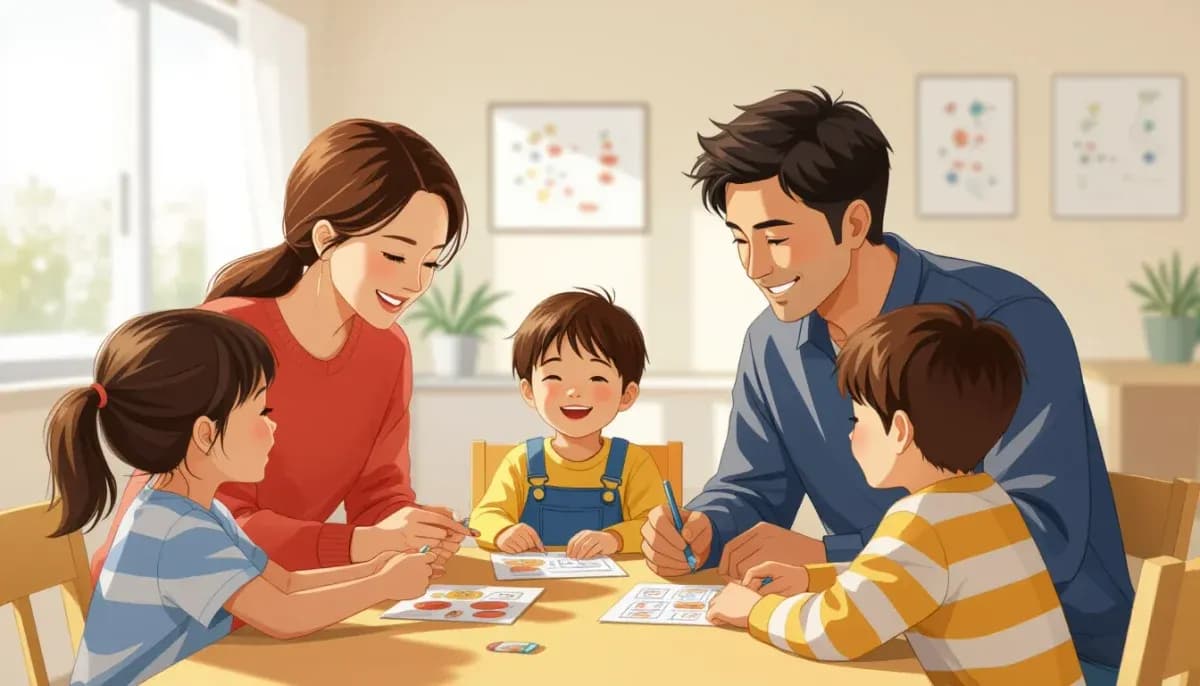
Discover Japan's kominkan community centers, international support hubs, and family activity programs. A complete guide for expat families on finding free and low-cost activities for children in Japan.
Local Community Centers and Activities for Families in Japan
Moving to Japan with children opens the door to a rich network of community resources that many expat families never discover. Japan's local community centers — called kominkan (公民館) — are one of the best-kept secrets for foreign families looking to integrate into their neighborhood, keep children active, and build lasting friendships. Whether you're newly arrived or have been in Japan for years, understanding these resources can transform your family's experience.
This guide covers everything you need to know about kominkan, international community centers, family activity programs, and how to get the most out of Japan's community infrastructure as a foreign resident.
What Is a Kominkan? Japan's Community Center Network
A kominkan (公民館) is a publicly funded community learning and activity center found in virtually every city, town, and ward across Japan. With over 16,000 kominkan nationwide — more than the total number of secondary schools — these facilities represent one of the densest community infrastructure networks in the world.
Originally established in 1940 and massively expanded after World War II, kominkan received significant government investment (up to 10 billion yen post-war) to serve as cultural and civic support hubs for local communities. Today, approximately 50,000 staff work across these centers, offering a staggering variety of programs for all ages.
What makes kominkan special for families:
- They are free or extremely low cost — most programs charge between ¥500 and ¥2,000 per session
- They are open to all residents, including foreign nationals
- They cover activities for every age group, from infants to seniors
- They are walkable — most neighborhoods have one nearby
For foreign families, kominkan offer an unparalleled opportunity to meet local Japanese families, practice the language, and participate in authentic community life. You don't need to be a Japanese citizen or speak perfect Japanese to attend.
For more on adapting to life in Japan as a foreign parent, see our guide on raising bilingual children in Japan.
What Programs and Activities Are Available?
Kominkan programs are surprisingly diverse. The specific offerings vary by facility and season, but you can generally expect:
| Category | Examples of Programs |
|---|---|
| Arts & Crafts | Origami, calligraphy (shodo), pottery, ikebana (flower arranging) |
| Music | Choir, traditional instruments (koto, shamisen), recorder |
| Fitness & Sports | Yoga, tai chi, table tennis, folk dance |
| Language & Culture | Japanese language classes, English conversation, cultural studies |
| Children's Programs | After-school clubs, holiday craft workshops, sports days |
| Parenting Support | Parenting classes, baby playgroups, childcare during adult sessions |
| Community Events | Seasonal festivals, neighborhood flea markets, neighborhood cleanups |
| Lectures | Health seminars, legal information sessions, community planning meetings |
Many kominkan also have temporary childcare services during workshops and seminars, allowing parents to attend sessions while their children are cared for safely on-site. This is a major benefit for parents of young children who want to join language classes or cultural workshops.
To learn more about early childhood options in Japan, check our detailed guide on daycare and hoikuen in Japan.
International Community Centers: Multilingual Support for Expat Families
While kominkan are open to everyone, Japan also has a dedicated network of municipal international centers specifically designed to support foreign residents. These facilities offer multilingual services and expat-focused programming.
Here are the major international centers by region:
| Center | Location | Services |
|---|---|---|
| FRESC | Shinjuku, Tokyo | Visa consultations, labor referrals, legal advice — all free |
| YOKE | Yokohama | Counseling in 12 languages, volunteer referrals, community events |
| OFIX | Osaka | 11-language support, mental health consultations, cultural programs |
| KICC | Kobe | Immigration support, cultural events, Japanese language classes |
| NIC | Nagoya | Multilingual counseling, community program calendar |
| FCIF | Fukuoka | Counseling, cultural activities, community connections |
These centers are invaluable when you're navigating bureaucratic hurdles — from visa renewals to school enrollment — and they often run family-oriented programs such as cultural exchange events, bilingual story time for children, and international friendship festivals.
For guidance on visa and legal matters for your family in Japan, see our article on visa and legal issues for foreign families with children in Japan.
Family-Specific Groups and Networks
Beyond official facilities, Japan has a thriving network of community groups specifically tailored for expat families:
Tokyo Mothers Group (TMG) One of the most well-established English-speaking networks for parents in and around Tokyo. TMG is a volunteer-run organization offering seasonal meetups, parenting workshops, and childcare guidance. It's an excellent entry point for English-speaking mothers (and fathers) who want to connect with other international families.
Tokyo Pregnancy Group (TPG) For expectant expat parents, TPG provides support, information sessions, and community connections throughout pregnancy and early parenthood.
Facebook and Online Communities
- Tokyo Expat Network: 30,000+ members sharing local advice, events, and recommendations
- r/japanlife on Reddit: 479,000+ members with an active community of foreign residents across Japan
Local Neighborhood Associations (Chonaikai / 町内会) These are hyperlocal volunteer associations that organize neighborhood events, seasonal festivals, and community watches. Joining your local chonaikai is one of the fastest ways to meet Japanese neighbors and become part of the fabric of your community. Many distribute helpful local information in multiple languages in more international neighborhoods.
For practical tips on settling in, Living in Nihon offers excellent guidance for expats navigating daily life in Japan.
Free and Low-Cost Activities for Children in Japan
Japan's commitment to child welfare means families have access to many free or subsidized activities for children throughout the year:
Free Early Childhood Education Since October 2019, Japan's national free early childhood education policy makes preschool effectively free for children aged 3–5 enrolled in authorized hoikusho (daycare) or yochien (kindergarten) facilities. Children under 3 pay sliding-scale fees based on household income, with second children receiving a 50% discount and third and subsequent children attending free.
Parks and Nature Programs Japan's extensive network of public parks, many with dedicated children's play areas, offers free recreational space year-round. Many cities also operate forest schools and nature experience programs through their local education boards, often at little or no cost.
Museum and Cultural Facility Discounts Most public museums, science centers, and cultural facilities offer free or reduced admission for children, and many have family programs on weekends. Libraries attached to kominkan are free to use and often have children's sections with picture books in multiple languages.
Sports Clubs Through Schools Elementary and junior high schools in Japan often organize after-school sports clubs (bukatsu) open to community children. Alternatively, ward-level sports associations run affordable team sports leagues for children from kindergarten age upward.
For information on school sports and academic life, see our guide on elementary school in Japan for foreign parents.
How to Find and Join Your Local Community Center
Finding your kominkan is straightforward:
- Ask at your city/ward office (shiyakusho / kuyakusho) — They can give you the address and a schedule of current programs
- Look for posters — Kominkan schedules are posted on community bulletin boards near train stations, supermarkets, and convenience stores
- Check the city website — Most municipalities publish their kominkan program calendars online (often in Japanese, but Google Translate works well)
- Walk around your neighborhood — Kominkan are usually clearly marked public buildings; just walk in and ask for a schedule (jigyouannai / 事業案内)
When you arrive, introduce yourself as a foreign resident interested in joining programs. Staff are generally welcoming and will do their best to assist you even if there is a language barrier. Many kominkan in international areas have staff who speak basic English.
For additional support navigating Japanese community life, For Work in Japan provides practical resources for foreign residents, and Chuukou Benkyou is a helpful resource for families focused on education and community learning in Japan.
Tips for Making the Most of Community Centers as a Foreign Family
Bring a Japanese-speaking friend for your first visit If your Japanese is limited, asking a Japanese colleague, neighbor, or language exchange partner to come with you for the first registration can make the process much smoother.
Start with children's programs Children's craft workshops, seasonal events, and baby playgroups are naturally multilingual — smiles, gestures, and shared activities cross language barriers easily. These programs are excellent starting points for the whole family.
Attend seasonal events Kominkan and community associations host events tied to the Japanese calendar — summer festivals (natsumatsuri), autumn sports days (undoukai), and New Year gatherings. Attending these gives your children authentic cultural experiences and creates natural opportunities to meet Japanese families.
Be consistent Community relationships in Japan are built over time through repeated, regular presence. Attending the same weekly class consistently will open up conversations and friendships that sporadic attendance will not.
Consider volunteering Many community centers welcome volunteers to help with event setup, English conversation circles, and children's programs. Volunteering is one of the fastest ways to become a recognized and respected member of your local community.
For more on supporting your children's social and emotional development in Japan, see our guide on mental health and emotional wellbeing for foreign children in Japan.
Japan's community infrastructure for families is genuinely world-class — but only if you know how to access it. From the humble kominkan around the corner to the major international centers in city centers, there are resources waiting to make your family's life in Japan richer, more connected, and more enjoyable. The first step is simply to walk through the door.
For a broader overview of raising children in Japan as a foreign family, explore our complete guide to the Japanese education system for foreign families and our resource on government benefits and subsidies for families in Japan.
External Resources:

Originally from Vietnam, living in Japan for 16+ years. Graduated from Nagoya University, with 11 years of professional experience at Japanese and international companies. Sharing practical information for foreign parents raising children in Japan.
View Profile →Related Articles
Playgroups and Baby Groups for Foreign Parents in Japan
Find the best playgroups and baby groups for foreign parents in Japan. From Tokyo Mothers Group to Roppongi Cooperative Playgroup, discover English-speaking communities for expat families across Japan.
Read more →
How to Build Your Support Network from Scratch in Japan
Step-by-step guide to building a support network in Japan as a foreigner. From online communities to government support centers, find your tribe from day one.
Read more →
Social Services Available to Foreign Families in Japan
Discover all social services available to foreign families in Japan: health insurance, child allowances up to ¥15,000/month, free daycare, pension, welfare, and support organizations in 18 languages.
Read more →
Embassy and Consulate Family Services in Japan
A complete guide to embassy and consulate family services in Japan — covering dependent visas, birth registration, emergency support, and practical tips for foreign families living in Japan.
Read more →
Cultural Exchange Programs for International Families
Discover the best cultural exchange programs for international families in Japan — from JAPEC homestays to HelloWorld hosting. Build community, learn Japanese, and raise bicultural children.
Read more →
Volunteer Organizations Supporting Foreign Families
Discover the best volunteer organizations and NPOs supporting foreign families in Japan. Find multilingual help for education, legal issues, childcare, mental health, and community integration.
Read more →