
Education Subsidies and Free Textbooks in Japan

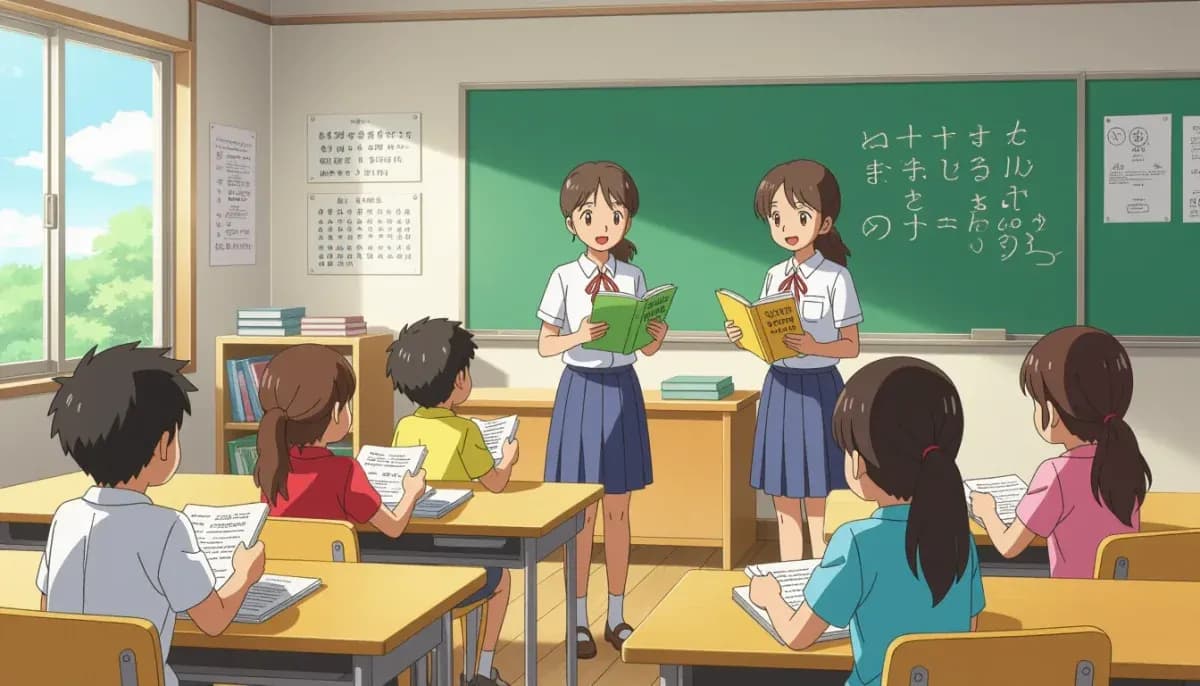
Complete guide to education subsidies in Japan for foreign families: free textbooks, high school tuition support, Shugakuhi Hojo, and early childhood care benefits. Who qualifies and how to apply.
Education Subsidies and Free Textbooks in Japan: A Complete Guide for Foreign Families
Raising children in Japan can be a wonderful experience, but navigating the education system — especially understanding what financial support is available — can feel overwhelming for foreign families. The good news is that Japan offers a surprisingly generous range of education subsidies, and many of these benefits apply equally to foreign residents. From free textbooks throughout compulsory education to high school tuition support and municipal-level assistance programs, there is real financial help available if you know where to look.
This guide explains every major education subsidy and free resource available to foreign families in Japan, including who qualifies, how to apply, and what amounts to expect.
Free Textbooks for All Compulsory Education Students
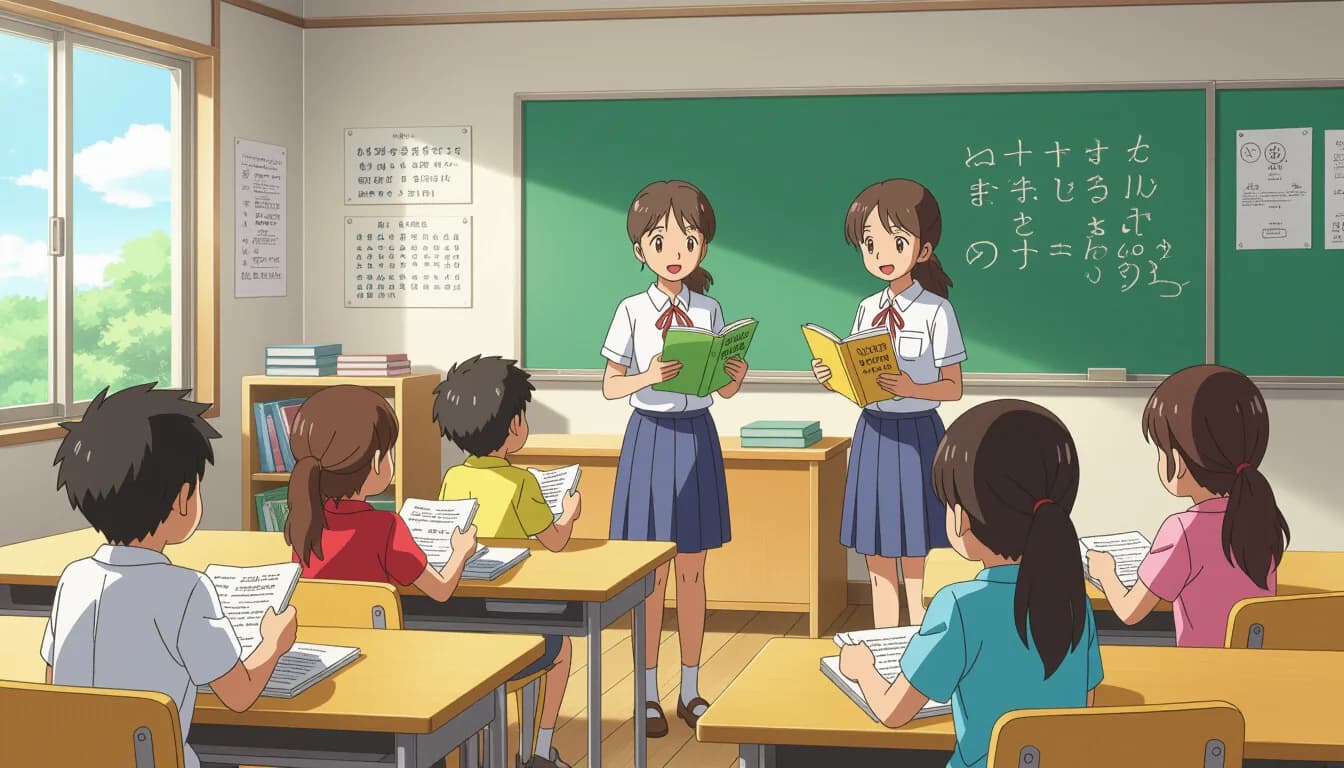
One of Japan's most significant — and least publicized — education benefits is its free textbook policy. Under Japan's Compulsory Education Law, all textbooks for elementary school (grades 1–6) and lower secondary school (junior high, grades 7–9) are provided free of charge to every enrolled student. This includes foreign children.
There are no income requirements, no nationality requirements, and no application process needed. If your child is enrolled in a public elementary or junior high school in Japan, they will receive their textbooks free of cost at the start of each school year or when a new textbook cycle begins.
This policy is funded by the national government (MEXT — the Ministry of Education, Culture, Sports, Science and Technology) and covers:
- All core subject textbooks (Japanese language, mathematics, science, social studies, English)
- Home economics, music, art, and physical education materials
- Moral education textbooks
For more details on what compulsory education looks like for foreign families, see our guide to Elementary School in Japan for Foreign Parents and Junior High School in Japan for Foreign Families.
According to the official MEXT policy page, this free textbook distribution has been in place since 1963 and covers all students enrolled in public and designated private compulsory education schools.
High School Tuition Support (高校就学支援金)
High school is not technically part of Japan's compulsory education, so it is not automatically free. However, the national government provides substantial tuition support through the Kōkō Shūgyō-ryō Shien-kin (High School Tuition Support Fund) program.
Here is how the support works:
| School Type | Household Income | Monthly Support | Annual Support |
|---|---|---|---|
| Public High School | All incomes (from FY2026) | ¥9,900/month | ¥118,800/year |
| Private High School | Under ~¥5.9M/year | Up to ¥33,000/month | Up to ¥396,000/year |
| Private High School | ¥5.9M–¥9.1M/year | ¥9,900/month | ¥118,800/year |
| Private High School | Over ~¥9.1M/year | Not eligible (until FY2026) | — |
Important update for 2026: From FY2026, Japan is abolishing the income cap entirely. This means all households — regardless of income — will be eligible for at least the base subsidy amount for public high school tuition. This is a major expansion of access to free high school education.
Income is assessed based on your municipal resident tax (jūminzei). The threshold roughly corresponds to paying less than ¥304,200 in municipal income tax, which for a family of four corresponds to approximately ¥9.1 million in household income.
Foreign nationals residing legally in Japan are eligible for this support on equal terms with Japanese nationals. The application is typically handled through your child's high school at enrollment. For more on high school options, see our guide to High School in Japan for Foreign Families.
You can find official information about this program on the MEXT tuition support page.
Shugakuhi Hojo: Municipal School Expense Assistance (就学援助)
Beyond free textbooks and high school tuition support, Japan has a municipal-level program called Shugakuhi Hojo (就学援助), also called Jugyōryōhi Menjo in some municipalities. This is financial assistance for low-to-middle income families to help cover school-related costs that fall outside tuition.
What the program typically covers:
- School supply costs (notebooks, pens, bags)
- School lunch fees (kyūshoku)
- School trip costs (ensoku, shuugaku ryokou)
- Club activity fees
- Medical examination fees
- School uniform costs (in some municipalities)
Who qualifies: Eligibility is based on household income falling below a locally-set threshold (which varies by municipality), or receipt of public assistance, child-rearing allowance (jidō fuyō teate), or other welfare benefits. Foreign nationals with valid residence registration and a registered address (jūminhyō) qualify on equal footing with Japanese nationals.
How to apply: There is no single national application. The process runs through each municipality's city hall (市役所) or ward office (区役所). The typical process is:
- Complete residence registration at your local city hall to get a jūminhyō
- Enroll your child at the local public school
- Ask the school office or local Board of Education (教育委員会) for the Shugakuhi Hojo application forms
- Submit income documentation (typically your most recent tax return or proof of income)
- Applications are usually due once a year, commonly around April–July
For an example of how one major city handles this, see Yokohama City's English-language support page.
For more on navigating government benefits as a foreign family, see our guide to Government Benefits and Subsidies for Families in Japan.
Free Early Childhood Education (Ages 3–5)
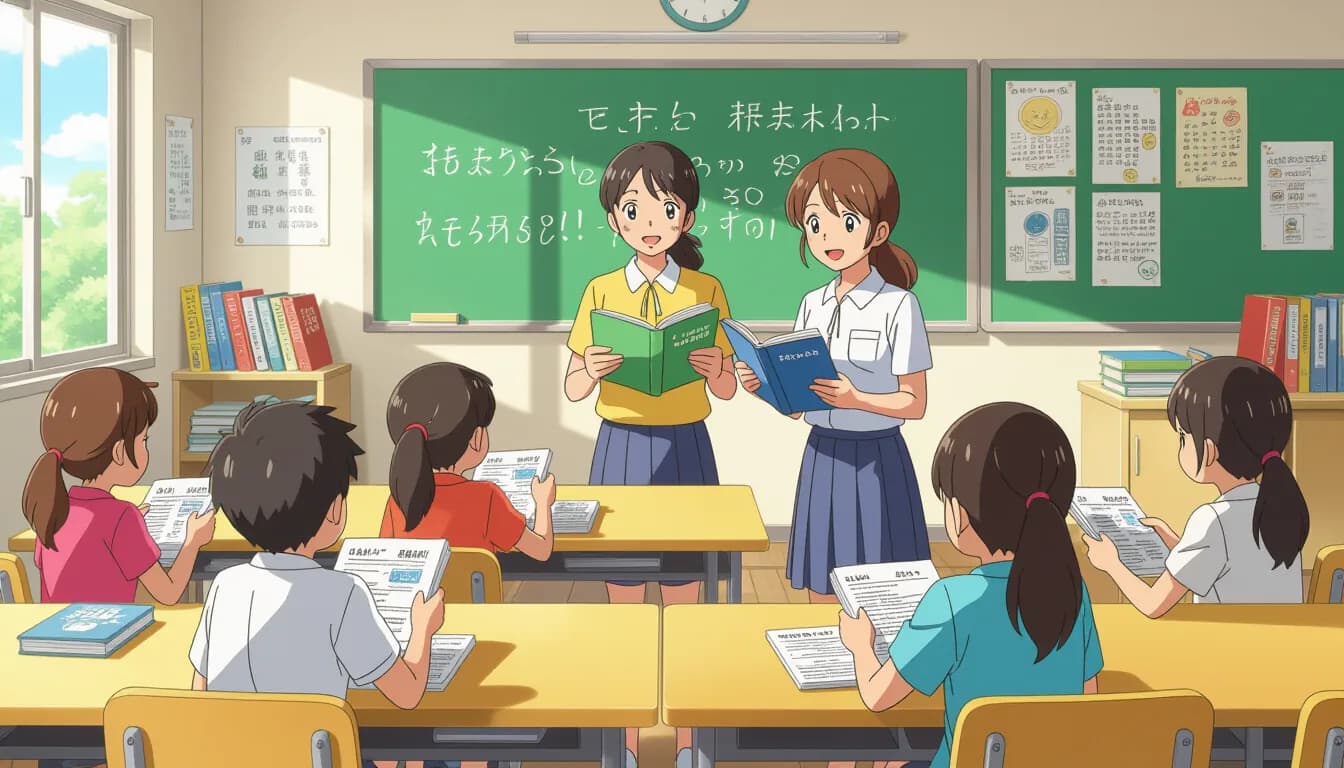
Japan made a major policy change in 2019: all licensed childcare and kindergarten (yōchien and hoikuen) is now free for children aged 3 to 5, regardless of household income and regardless of nationality.
This applies to children enrolled in:
- Licensed hoikuen (認可保育園) — daycare centers
- Yōchien (幼稚園) — kindergartens
- Nintei kodomo-en (認定こども園) — combined facilities
- Some unlicensed facilities up to a capped subsidy amount
For children aged 0–2, full fee waivers apply to households that are exempt from resident tax (non-taxable households). This typically covers low-income families and those on public assistance.
To access this benefit, foreign families simply need to:
- Have valid residence status in Japan
- Complete residence registration at city hall
- Apply for hoikuen or yōchien enrollment through the local municipality
For a detailed breakdown of daycare and early childhood education options, read our complete guide to Daycare and Hoikuen in Japan for Foreign Parents and Kindergarten in Japan for Foreign Parents.
Living in Nihon also has helpful general resources for foreign families navigating life in Japan — visit Living in Nihon for more practical guides.
What Foreign Families Need to Know: Eligibility and Common Pitfalls
While Japan's education subsidies are theoretically available to foreign residents, there are real practical barriers that families should be aware of.
Residency registration is the key requirement. Every subsidy — from free textbooks to school expense assistance to early childhood subsidies — requires that your family have a registered address in Japan (jūminhyō). This is typically handled at your local city hall when you first arrive. Without this registration, you cannot access most support programs.
Foreign children have no legal obligation to enroll — but access is guaranteed. Japan's law compels Japanese nationals to enroll children in school, but no equivalent obligation applies to foreign nationals. This legal gap means that foreign families are sometimes not proactively informed about school enrollment or subsidy entitlements. You may need to reach out directly to your local Board of Education (教育委員会) to ask about enrollment and benefits.
Language barriers create real access gaps. Many application forms and information resources are only available in Japanese. Some larger municipalities offer support in English, Chinese, Portuguese, and other languages, but smaller cities and towns may not. Organizations like For Work in Japan provide practical information for navigating Japanese systems as a foreign resident.
Statistics reveal significant gaps in access. According to research cited by Nippon.com, an estimated 20,000 compulsory-education-age foreign children are outside any school system in Japan — roughly 1 in 5 to 6 foreign children. The high school dropout rate for foreign students is approximately 5%, five times the national average. Awareness and access to subsidies are part of addressing this gap.
For practical advice on supporting your children's education and language development, see our guides to Teaching Japanese to Foreign Children and Raising Bilingual Children in Japan.
Summary: All Major Education Subsidies at a Glance
| Program | Coverage | Eligibility | How to Apply |
|---|---|---|---|
| Free Textbooks (MEXT) | All compulsory education textbooks | All enrolled students | Automatic — no application needed |
| High School Tuition Support | Up to ¥118,800–¥396,000/year | Legal residents; income-tested (abolished FY2026) | Via high school at enrollment |
| Shugakuhi Hojo (就学援助) | Lunches, supplies, trips, etc. | Low-income legal residents | Via city hall / school office |
| Free Early Childhood Care | Full hoikuen/yōchien fees | Ages 3–5: all incomes; Ages 0–2: low-income | Via city hall enrollment process |
| Child Allowance (Jidō Teate) | ¥10,000–¥15,000/month per child | Legal residents with children under 15 | Via city hall |
For detailed information about international school options and how costs compare to public education, see our guide to International Schools in Japan.
For families navigating the full spectrum of raising children in Japan, Chuukou Benkyou offers additional educational resources and study support information in Japan.
The Navigator Japan blog also provides a practical overview of costs and subsidies from a foreign parent perspective.
Financial Planning Around Japan's Education System
Understanding available subsidies is just one piece of financial planning for foreign families. Even with free textbooks and tuition support, there are still costs to budget for: school uniforms, club activities, school trips, and cram school (juku) fees can add up significantly over the years.
For high school, private schools can cost ¥500,000–¥1,000,000 per year before subsidies. International schools often cost ¥1,500,000–¥3,000,000+ per year and are generally not covered by Japanese subsidies.
Our guide to Financial Planning for Expat Families Raising Children in Japan covers how to budget effectively for education across all stages.
For more information on the costs involved in high school for foreign residents, E-Housing's guide to Japanese high schools for foreign residents provides a detailed breakdown of costs, subsidies, and application processes.
Japan's education subsidy system is more accessible to foreign families than many people realize — the key is knowing what exists, verifying your eligibility, and proactively applying through the right channels at the local level.

Originally from Vietnam, living in Japan for 16+ years. Graduated from Nagoya University, with 11 years of professional experience at Japanese and international companies. Sharing practical information for foreign parents raising children in Japan.
View Profile →Related Articles
Recent Policy Changes Affecting Foreign Families in Japan
Stay up to date on Japan's 2024–2025 immigration policy changes for foreign families, including PR language requirements, SSW2 family rules, My Number health card updates, childcare programs, and fee increases.
Read more →
Regional Differences in Family Support Programs in Japan
Discover how Japan's family support programs vary dramatically by region — from Tokyo's ¥5,000/month child supplements and free childcare to rural relocation bonuses of ¥1,000,000 per child. A complete guide for foreign families.
Read more →
How to Apply for Government Family Benefits in Japan
Complete guide for foreign residents on how to apply for Japan's government family benefits: child allowance, childbirth lump sum, medical subsidies, and more. Step-by-step application instructions.
Read more →
Housing Subsidies and Support for Families in Japan
A complete guide to housing subsidies, rent assistance, and support programs for families in Japan — including the Housing Security Benefit, relocation incentives, and home loan tax relief for foreigners.
Read more →
Municipal Family Support Programs Across Japan
Complete guide to municipal family support programs in Japan for foreign residents. Learn about child allowances, free daycare, medical subsidies, and how to apply in 2025.
Read more →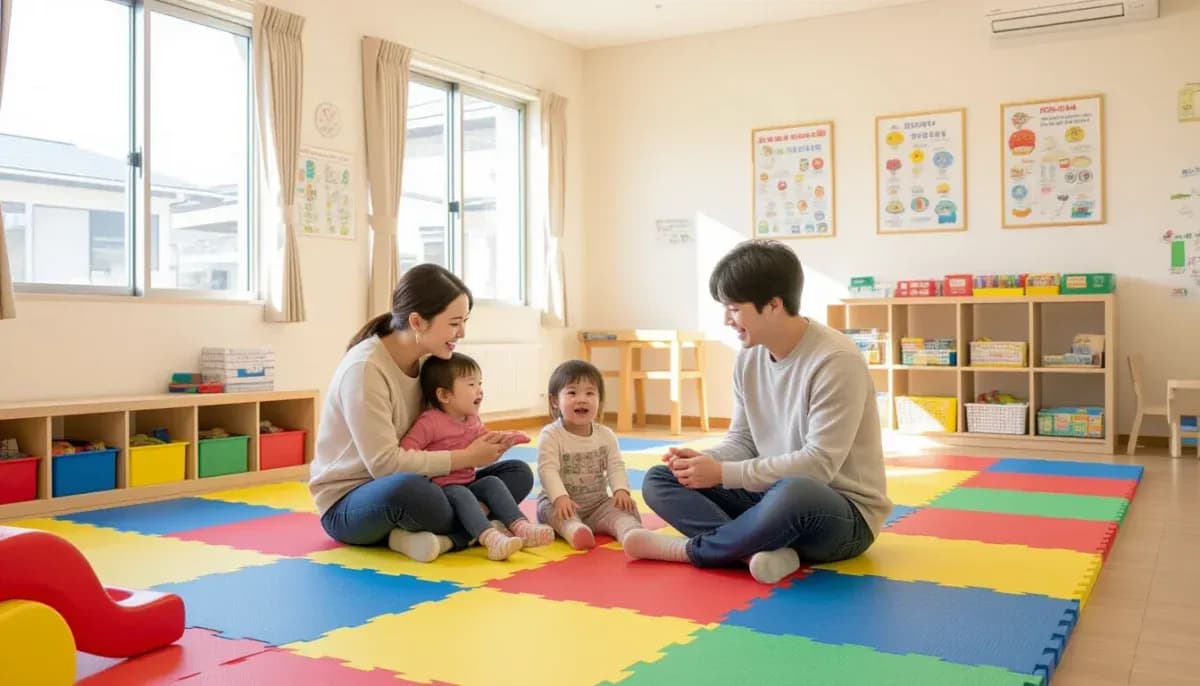
Child-Rearing Support Centers in Japan
Discover Japan's free child-rearing support centers (kosodate shien sentaa). Learn what services they offer, how to find one near you, and how foreign parents can access multilingual support.
Read more →