
Regional Differences in Family Support Programs in Japan

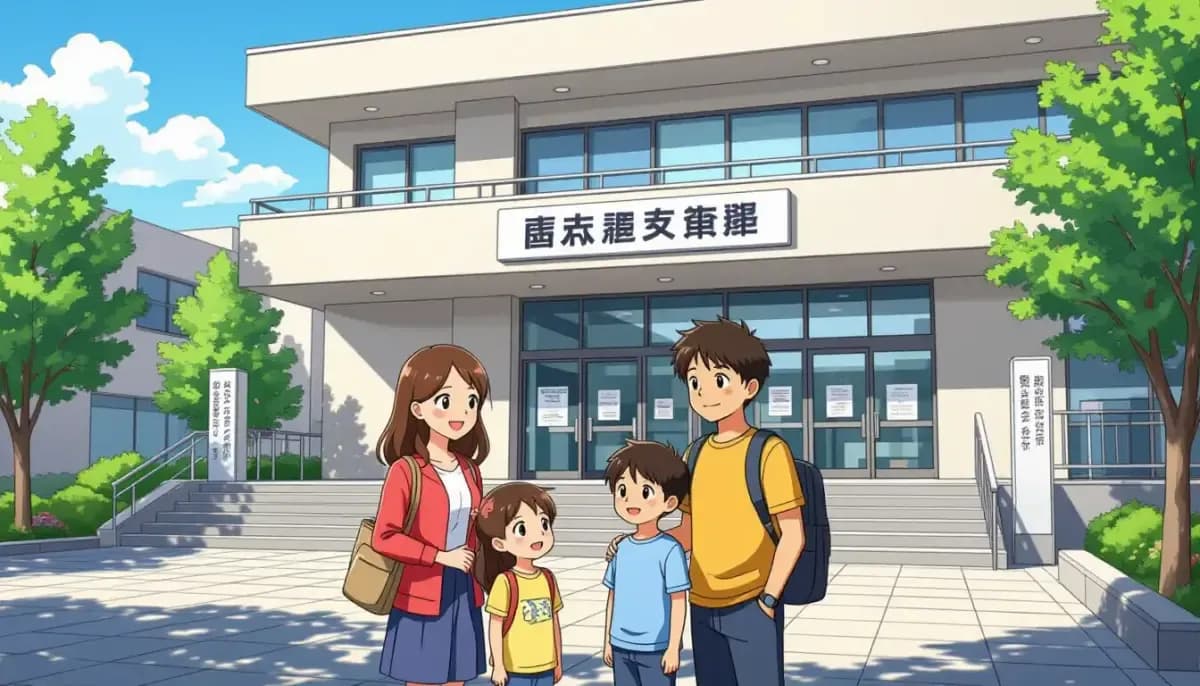
Discover how Japan's family support programs vary dramatically by region — from Tokyo's ¥5,000/month child supplements and free childcare to rural relocation bonuses of ¥1,000,000 per child. A complete guide for foreign families.
Regional Differences in Family Support Programs in Japan
Japan offers an impressive array of family support programs — from monthly child allowances to free childcare and generous birth grants — but what many foreign families discover is that where you live in Japan matters enormously. Two families with identical circumstances can receive vastly different levels of financial support depending on whether they reside in Tokyo, Osaka, a mid-sized regional city, or a rural municipality actively seeking new residents.
This guide breaks down the national baseline programs available everywhere in Japan, then explores how regional and municipal supplements can dramatically increase (or limit) your family's total support package. Whether you're planning a move, already settled in Japan, or comparing cities before deciding where to put down roots, understanding these regional differences could mean a difference of hundreds of thousands — even millions — of yen per year.
The National Baseline: What Every Family Gets Everywhere in Japan
Before examining regional differences, it helps to understand what the Japanese national government guarantees to all families regardless of location.
Child Allowance (児童手当, Jidō Teate) — As of October 2024, this program underwent a major overhaul. Income limits were completely eliminated, meaning all families now qualify regardless of how much they earn. Monthly payments are:
| Age of Child | 1st & 2nd Child | 3rd Child Onward |
|---|---|---|
| Under 3 years | ¥15,000/month | ¥30,000/month |
| Age 3 – High School | ¥10,000/month | ¥30,000/month |
Previously, the allowance ended at middle school age. The expanded high school coverage took effect in October 2024. Payments are made every even-numbered month (February, April, June, August, October, December). You must apply within 15 days of your child's birth or of moving to a new municipality — missing this window results in lost retroactive payments.
Childbirth Lump-Sum Grant (出産一時金) — A one-time payment of ¥500,000 per birth (¥840,000 for twins) is available to all residents enrolled in Japanese public health insurance. Hospitals typically receive the payment directly, reducing your out-of-pocket costs at delivery. Starting in fiscal year 2026, standard deliveries will be effectively free — covered by public insurance with no co-payment required.
Parental Leave Subsidies — Working parents who take parental leave receive 67% of their salary for the first 180 days, dropping to 50% thereafter until the child's first birthday. The monthly cap is approximately ¥215,000. Paid maternity leave is 98 days total (6 weeks before birth, 8 weeks after).
All of these national programs are available to foreign residents who hold a valid residence status, are registered at their local municipal office (住民票, jūminhyō), and reside with their child in Japan. Nationality is not a determining factor for any of these programs. For comprehensive details on navigating benefits registration, see our guide to government benefits and subsidies for families in Japan.
Tokyo: The Most Generous Metro — But Also the Most Expensive
Tokyo is consistently the most generous prefecture for family support, thanks to the Tokyo Metropolitan Government layering its own programs on top of national benefits. At the same time, Tokyo is Japan's most expensive city, so understanding the full picture is essential.
Tokyo's Additional ¥5,000/Month Child Supplement — The Tokyo Metropolitan Government provides an extra ¥5,000 per month for every child under 18, funded entirely by the metropolitan government and separate from the national child allowance. This brings a Tokyo family's monthly per-child baseline up to ¥15,000–¥20,000 for younger children, depending on birth order.
Near-Zero Childcare Costs — As of September 2025, licensed nurseries (認可保育所, ninka hoikujo) for children ages 0–5 in Tokyo charge effectively ¥0 in base fees. Private kindergarten subsidies reach up to ¥25,700/month for ages 3–5. For unlicensed daycare (認可外保育施設), Tokyo wards supplement costs by ¥40,000–¥100,000/month depending on the specific ward.
Free Medical Care Through Age 18 — Tokyo provides free medical care for all children through age 18, one of the most comprehensive medical support packages in the country.
Ward-Level Differences Within Tokyo — Even within Tokyo's 23 special wards, there are meaningful differences:
| Ward | Standout Benefit |
|---|---|
| Minato (港区) | Up to ¥100,000/month for unlicensed daycare; kindergarten entrance fee reimbursement (¥30,000) |
| Chiyoda (千代田区) | Free licensed daycare was in place before 2025; streamlined admissions process |
| Shibuya (渋谷区) | Enhanced unlicensed daycare subsidies (~¥80,000/month) |
| Shinjuku (新宿区) | Multilingual support for foreign families; extended high school coverage |
| Setagaya (世田谷区) | Multilingual resources; large international community support |
Total annual savings potential for a Tokyo family with two young children compared to a family in a lower-support municipality can reach ¥950,000–¥2,600,000, according to analysis of 2025 subsidy rates. For more on raising young children in this environment, see our complete guide to daycare and hoikuen in Japan.
Regional Cities: A Mixed Picture Across Japan
Outside Tokyo, other major cities and prefectures have developed their own supplement programs, but the generosity varies considerably.
Fukuoka vs. Kitakyushu — A Lesson in Local Contrast — One of the most striking examples of municipal-level differences can be found within Fukuoka Prefecture itself. Fukuoka City, the prefectural capital and a popular destination for foreign families, fully subsidizes elementary school lunches — school meals are free for all students. Neighboring Kitakyushu City, located in the same prefecture, offers no such subsidy. Parents in Kitakyushu pay full price for school lunches, typically ¥4,000–¥5,000 per month per child.
This example illustrates a critical point: two municipalities within the same prefecture, governed by the same prefectural laws, can implement completely different support policies at the city level.
Osaka, Nagoya, Sapporo, and Other Cities — Many large cities offer supplemental medical coverage, additional childcare subsidies, and birth celebration payments, but amounts vary. Osaka Prefecture, for instance, has expanded its free medical care for children and introduced its own childcare support measures. Nagoya has competitive childcare subsidies, and Sapporo offers programs targeting younger families to boost the city's declining birth rate.
For families weighing which city to settle in, it is worth requesting a breakdown from each city's municipal office (市役所, shiyakusho) or ward office (区役所, kuyakusho) to understand the exact package available at your intended address.
Rural Japan: Relocation Incentives That Can Be Life-Changing
If you're open to living outside major urban centers, Japan's rural municipalities offer some of the most generous family support packages in the country — motivated by a pressing need to reverse population decline.
National Regional Revitalization Program — The Japanese government's national regional revitalization program offers up to ¥1,000,000 per child for families who relocate from major cities (Tokyo's 23 wards and a handful of other major urban areas) to participating rural municipalities. A single relocating individual can receive ¥600,000. The program requires a five-year commitment and proof of employment or business activity in the rural area.
Fukushima-cho and Similar Extreme Examples — Some rural towns have launched their own independent incentive programs on top of national support. Fukushima-cho, a small town in Hokkaido, offers:
| Child Order | Fukushima-cho Bonus |
|---|---|
| 1st child | ¥50,000 |
| 2nd child | ¥200,000 |
| 3rd child or beyond | ¥1,000,000 |
While not every rural municipality is this generous, Fukushima-cho represents a category of small towns that view large birth bonuses as an existential investment in their community's future.
What Rural Life Means Practically for Foreign Families — Moving to rural Japan for better financial support involves real trade-offs: lower average salaries, fewer international schools, reduced English-language services, and less diverse social infrastructure. For families with children already in the Japanese school system, see our guide to elementary school in Japan for foreign parents for what to expect in smaller community settings.
Newlywed and New Family Housing Support — Not Available Everywhere
One often-overlooked support category is housing assistance for young families. The national newlywed housing support program (新婚さんいらっしゃい的な補助, informally known as the 結婚新生活支援事業) offers up to ¥300,000 toward rent, home purchase costs, or moving expenses — but only in participating municipalities.
As of the latest data, only 257 of Japan's 1,724 municipalities participate in this program. Eligibility requirements include:
- Both spouses under age 34 (some municipalities extend to 39)
- Household income below ¥3.4 million
- New marriage (registration within the previous fiscal year)
This benefit is particularly useful for young foreign couples starting a family in Japan. However, because eligibility is entirely municipal, you must verify participation with your specific local office. For more on legal and financial considerations for foreign families in Japan, see our financial planning guide for expat families with children in Japan.
What's Coming in 2026: Major New Programs on the Horizon
Japan's family support landscape is actively expanding. Several significant changes take effect in 2026 that will benefit all families regardless of location:
"Childcare for All Children" (April 2026) — Starting April 2026, infants and toddlers aged 6 months to 2 years will be eligible to attend licensed daycare facilities for up to 10 hours per month regardless of whether their parents are employed. Previously, licensed daycare enrollment required proof of parental employment. The expected hourly rate will be approximately ¥275–¥300. This is a fundamental policy shift that expands access for stay-at-home parents and caregivers.
Free Childbirth (FY2026) — Standard deliveries will become effectively free under public health insurance, eliminating the cost differential between the ¥500,000 lump-sum grant and actual delivery costs (the national average was ¥518,000 in 2024; Tokyo deliveries often exceeded ¥625,000).
Child and Child-Rearing Support Contribution Levy — To fund expanding programs, a new levy of approximately ¥250–¥450/month will apply to health insurance subscribers starting April 2026, shared between employees and employers.
For the latest on 2026 policy updates, Japan Today's coverage of childbirth and childcare support changes provides a useful summary.
How to Maximize Your Family's Support Package
Understanding the national baseline is just the starting point. Here are practical steps to ensure you're accessing everything your municipality offers:
- Register at your municipal office immediately upon moving or having a child. The 15-day window for child allowance applications is strict, and other programs have their own deadlines.
- Request a comprehensive benefits briefing (補助金・支援制度の説明) at your local ward or city office. Many offices have foreign resident support desks with multilingual staff.
- Compare municipalities before committing to a neighborhood — especially if you're flexible about which area of a city to live in. Tokyo ward differences alone can mean tens of thousands of yen per month in childcare subsidies.
- Investigate rural incentive programs if you're open to relocating. The financial case for rural living can be compelling, especially for families expecting multiple children.
- Track upcoming policy changes — Japan is expanding family support rapidly. Programs that weren't available when you first registered may now apply to your situation.
For more information on navigating Japan's family support ecosystem, Living in Nihon and For Work in Japan provide ongoing guides and updates for foreign residents. The Chuukou Benkyou resource also covers educational and family-related topics for those raising children in Japan.
Additional research from GaijinPot's overview of government subsidies and Romancing Japan's analysis of rural relocation incentives offers further perspective on the full range of programs available.
Understanding Your Local Municipal Office: Your Most Important Resource
No matter where you live in Japan, the single most important resource for maximizing your family's support is your local municipal office (市区町村役所). This is where you register your child, apply for allowances, and learn about local supplements. The process can feel bureaucratic, but most offices serving areas with significant foreign populations now provide English-language support or can connect you with translators.
Key offices to visit:
- Ward office (区役所, kuyakusho) — in Tokyo's 23 special wards
- City office (市役所, shiyakusho) — in incorporated cities
- Town or village office (町役場/村役場) — in smaller municipalities
Bring your residence card (在留カード, zairyū kādo), MyNumber card, health insurance card, and bank account details to any application appointment.
For comprehensive coverage of healthcare considerations for children in Japan, including how regional differences affect medical access, see our guide to healthcare and medical care for children in Japan. And for families preparing for the school system, our complete guide to the Japanese education system for foreign families provides essential context on what to expect as your child grows.
Japan's family support programs are genuinely among the most comprehensive in the world — and they are getting more generous each year. The key for foreign families is knowing what to ask for, where to ask, and how location can be one of the most powerful financial variables in your parenting journey in Japan.

Originally from Vietnam, living in Japan for 16+ years. Graduated from Nagoya University, with 11 years of professional experience at Japanese and international companies. Sharing practical information for foreign parents raising children in Japan.
View Profile →Related Articles
Recent Policy Changes Affecting Foreign Families in Japan
Stay up to date on Japan's 2024–2025 immigration policy changes for foreign families, including PR language requirements, SSW2 family rules, My Number health card updates, childcare programs, and fee increases.
Read more →
How to Apply for Government Family Benefits in Japan
Complete guide for foreign residents on how to apply for Japan's government family benefits: child allowance, childbirth lump sum, medical subsidies, and more. Step-by-step application instructions.
Read more →
Housing Subsidies and Support for Families in Japan
A complete guide to housing subsidies, rent assistance, and support programs for families in Japan — including the Housing Security Benefit, relocation incentives, and home loan tax relief for foreigners.
Read more →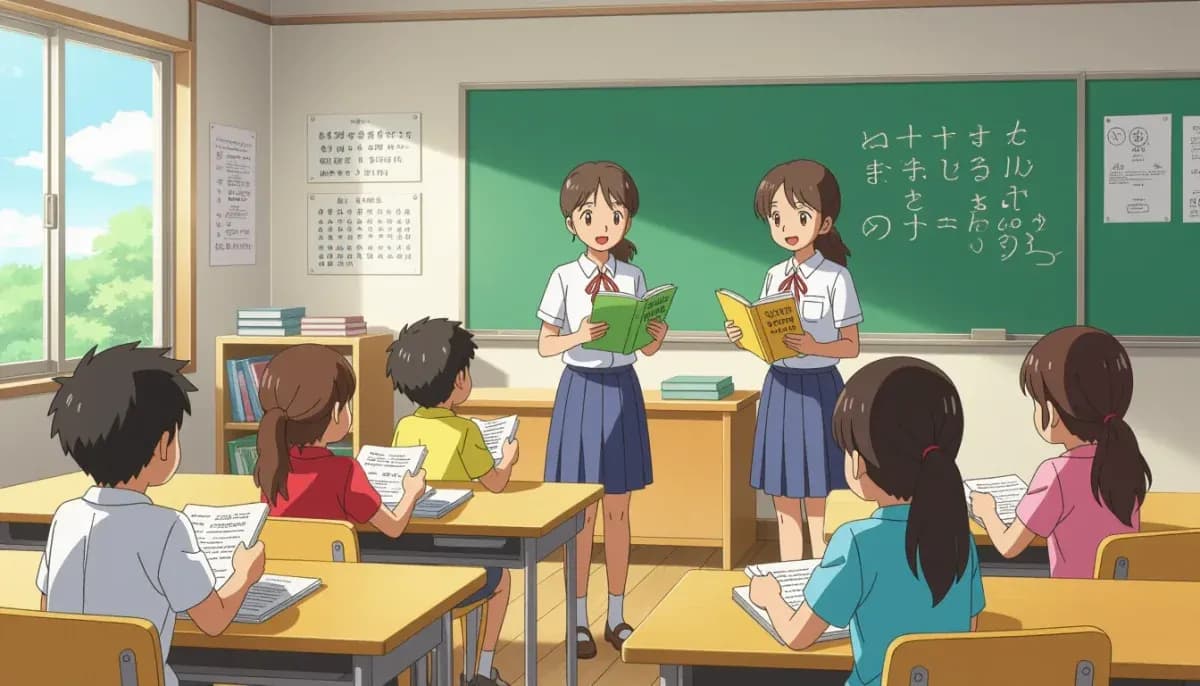
Education Subsidies and Free Textbooks in Japan
Complete guide to education subsidies in Japan for foreign families: free textbooks, high school tuition support, Shugakuhi Hojo, and early childhood care benefits. Who qualifies and how to apply.
Read more →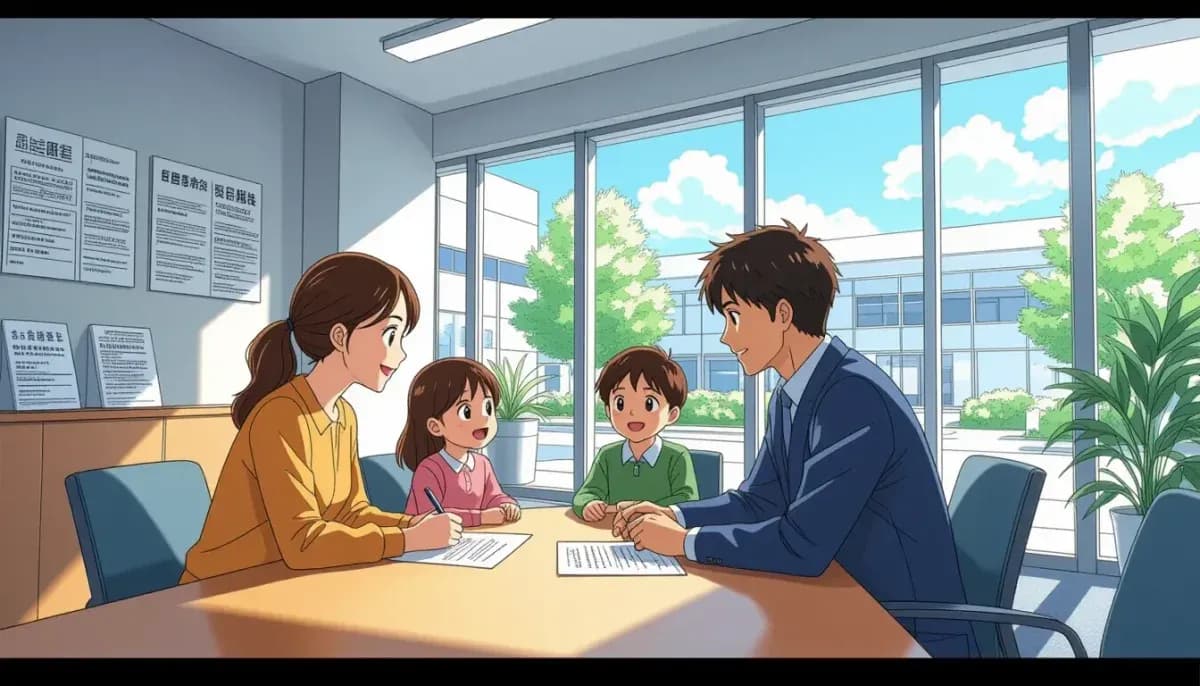
Municipal Family Support Programs Across Japan
Complete guide to municipal family support programs in Japan for foreign residents. Learn about child allowances, free daycare, medical subsidies, and how to apply in 2025.
Read more →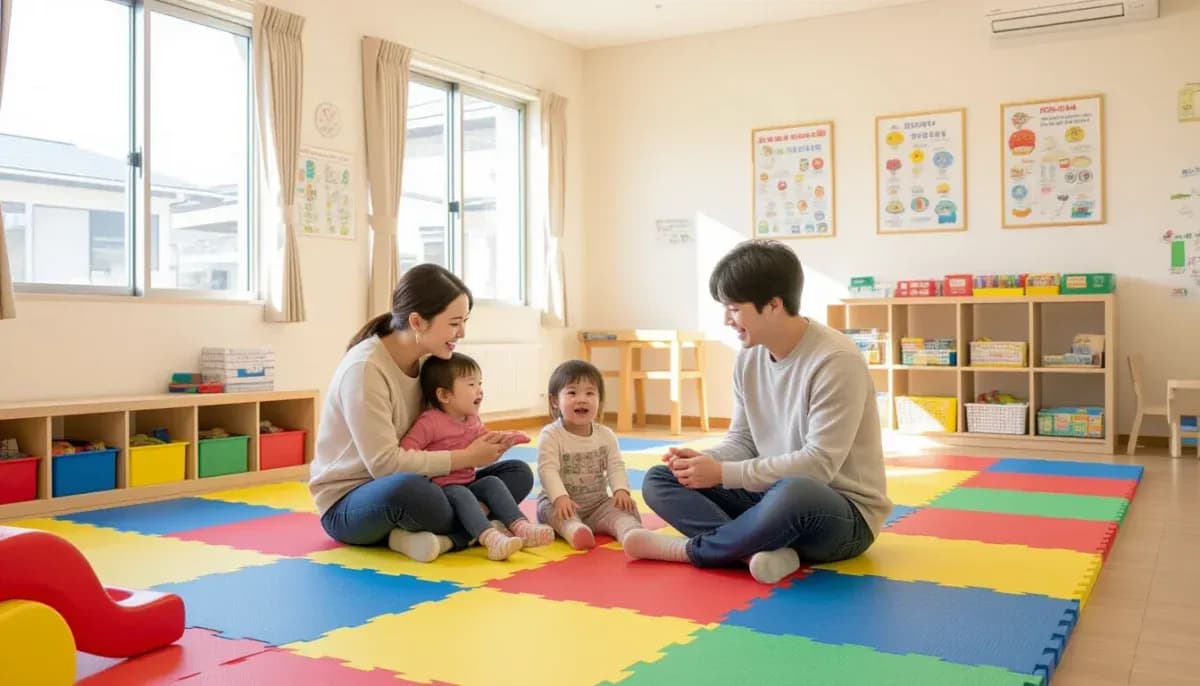
Child-Rearing Support Centers in Japan
Discover Japan's free child-rearing support centers (kosodate shien sentaa). Learn what services they offer, how to find one near you, and how foreign parents can access multilingual support.
Read more →