
Raising Trilingual Children in Japan: Is It Possible?


Is it really possible to raise trilingual children in Japan? Discover proven strategies like OPOL, daily reading routines, heritage language schools, and real tips from expat families navigating multilingual parenting in Japan.
Raising Trilingual Children in Japan: Is It Possible?
Moving to Japan as a foreign family brings incredible opportunities — but also a unique challenge most parents didn't anticipate: how do you raise a child who speaks three languages fluently? Whether your household speaks English and Spanish, French and Korean, or any other combination alongside the Japanese your child picks up at school, the goal of trilingualism in Japan is ambitious — but absolutely achievable.
This guide is for expat and international parents in Japan who want to give their children the gift of multiple languages. We'll explore what the research says, the most effective strategies, the real challenges you'll face, and how families are making trilingualism work every day in Japanese cities and towns.
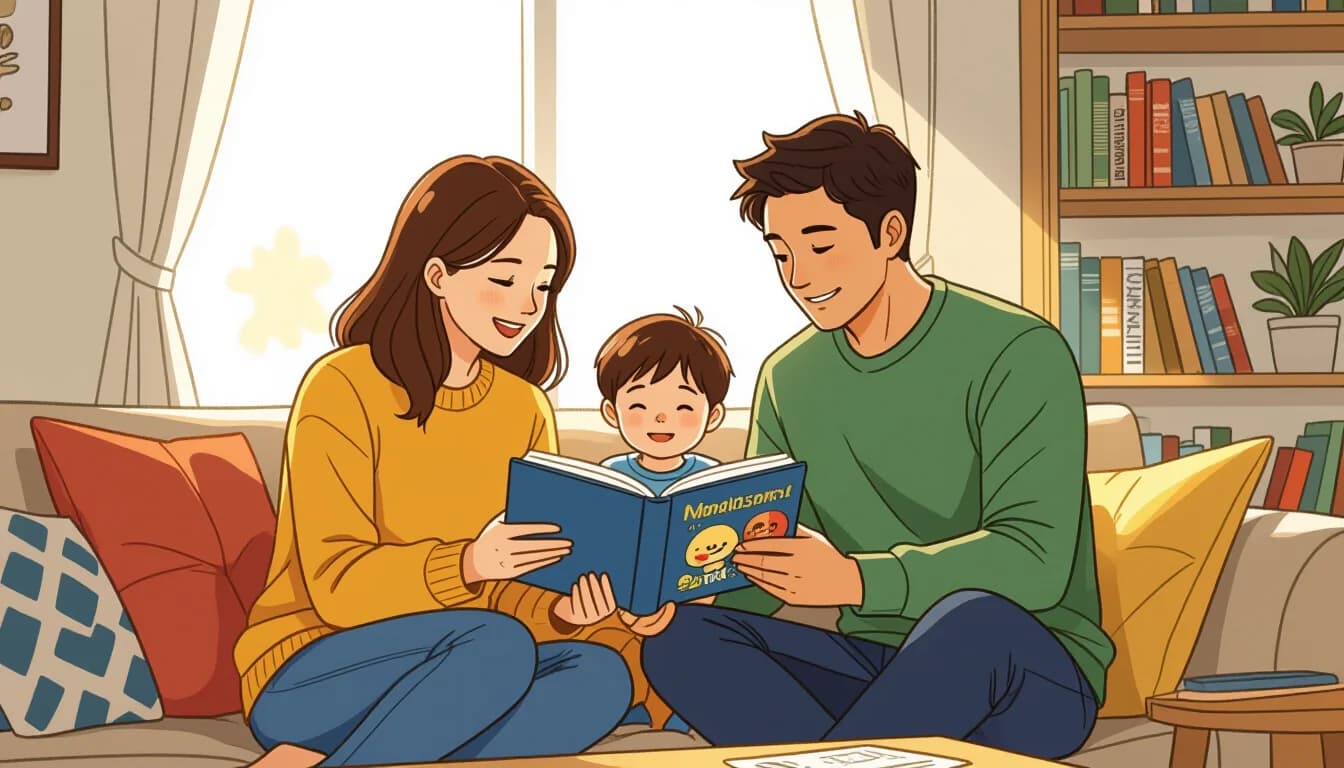
What Does "Trilingual" Actually Mean for Children in Japan?
Before diving into strategies, it's worth clarifying what we mean by trilingual. For most families in Japan, the three languages typically break down as follows:
- Japanese — the dominant community language that children absorb through school, friends, and daily life
- Parent's native language (e.g., English, French, Spanish) — the heritage/home language
- Partner's native language — in international couples where each parent has a different mother tongue
The realistic goal for most trilingual children in Japan is not perfect academic mastery of all three languages, but rather functional competency — the ability to communicate meaningfully in each language for age-appropriate purposes.
Research distinguishes two important phases of language development:
- BICS (Basic Interpersonal Communication Skills): Everyday conversational fluency. Takes approximately 1–2 years to acquire.
- CALP (Cognitive Academic Language Proficiency): The deeper literacy, logical reasoning, and subject-specific vocabulary needed for academic success. Takes 5–7 years to develop fully.
This distinction matters because a child may seem "fluent" in a language conversationally while still lacking the academic depth that will serve them later in school.
For a broader overview of how Japanese education intersects with language development, see our guide on the Japanese education system for foreign families.
The Critical Window: Why Starting Early Matters
The ages between 0 and 7 are widely recognized as the most important period for language acquisition. During this window, children's brains are remarkably receptive to multiple language inputs simultaneously. Language specialists often emphasize that language environment stability is most critical until around age 10 — after which peer influence and social pressure to conform to the dominant language (Japanese) increases dramatically.
This doesn't mean it's too late if you're starting at age 5 or 8 — but the earlier you begin a consistent strategy, the stronger the foundation will be.
What Happens When Japanese Takes Over?
Once your child enters Japanese kindergarten (yochien) or nursery school (hoikuen), Japanese will begin to dominate. School, friendships, media, sports — all in Japanese. Without deliberate effort, the home languages can fade remarkably quickly, a process linguists call language attrition.
Many expat parents are surprised by how rapidly Japanese becomes their child's dominant language, sometimes within just 6–12 months of starting school. Planning for this before it happens is key.
Learn more about what to expect when your child starts school in our kindergarten guide for foreign parents.
Proven Strategies for Trilingual Families in Japan
1. One Parent, One Language (OPOL)
The most widely recommended strategy for trilingual households is One Parent, One Language (OPOL). The principle is simple: each parent consistently speaks their own native language to the child at all times, regardless of what language is being used around them.
Example setup for a trilingual household in Japan:
- Father (American English speaker) → always speaks English to the child
- Mother (French speaker) → always speaks French to the child
- School, friends, neighborhood → Japanese
This creates a clear, predictable language environment for the child. Studies show children in OPOL households tend to develop strong receptive skills in both home languages, especially when parents are consistent from infancy.
Important caveat for Japan: Research notes that "socio-cultural factors particular to Japan may make OPOL more challenging to implement consistently" — particularly because Japanese social norms around group conformity can make children resistant to speaking a minority language in public settings, especially once they enter school.
2. Time-and-Place (T&P) Strategy
For families where OPOL is impractical — such as single-parent households or families where both parents share a common language — the Time-and-Place strategy can be effective. This designates specific times or locations for each language:
- At home: Parent's native language(s)
- At school / outside: Japanese
- Weekend mornings / bedtime: Heritage language story time
3. Daily Reading in Minority Languages
One of the most consistently effective habits is daily read-aloud time in minority languages. Language experts recommend at least 15–30 minutes of reading per day in each non-Japanese language. This builds vocabulary, literacy awareness, and an emotional connection to the language.
Building a home library in your native language — both physical books and digital resources — is one of the best investments you can make. Japanese public libraries in major cities often carry English and other foreign language children's books.
4. Digital Tools and Media
Leverage streaming services, apps, and audiobooks to expose children to their minority languages:
- English: Disney+, Netflix (set to English), BBC CBeebies
- French: France 4 kids' content, RFI Savoirs
- Spanish: Mitele, Club de Lectura
- Korean: EBS Kids
The key is making minority-language media fun and desirable — not a chore. When children enjoy the content, they seek it out on their own.
For more strategies specifically on teaching Japanese, see Teaching Japanese to Foreign Children: Methods and Resources.
Real Challenges Trilingual Families Face in Japan
| Challenge | When It Typically Appears | How Families Handle It |
|---|---|---|
| Japanese dominance at school | Age 3–6 | Increase home language input, daily reading |
| Child refusing minority language | Age 5–10 | Keep it fun, avoid pressure, involve grandparents |
| Academic gaps in heritage language | Age 8–12 | Supplementary school, online tutoring |
| Peer pressure to speak Japanese | Middle school | Emphasize language as a skill, not a burden |
| Parent exhaustion / inconsistency | Any age | Support groups, divide strategy clearly |
The Middle School Challenge
Many trilingual families report that the biggest threat to minority language maintenance comes in middle school (中学校). At this age, fitting in with Japanese peers becomes extremely important to children, and speaking a foreign language in public can feel embarrassing.
Families who successfully navigate this period often report framing language skills as a competitive advantage — for career prospects, international friendships, and university admissions — rather than an obligation. This resonates more with older children.
See our guide on junior high school in Japan for foreign families for more on navigating this transition.
Support Resources for Multilingual Families in Japan
You don't have to figure this out alone. There are active communities of multilingual families throughout Japan:
- International schools often serve as hubs for multilingual families and offer instruction in English or other languages alongside Japanese
- Community language schools (heritage language schools) meet on weekends and provide structured instruction in minority languages
- Parent groups and expat networks in Tokyo, Osaka, Nagoya, and other cities organize meetups for multilingual families
- Online tutoring platforms connect children with native-speaking tutors in almost any language
For comprehensive advice on bilingual education specifically, Living in Nihon's bilingual education guide offers detailed practical tips for families navigating Japan's education system.
For information specifically about returnee students (帰国子女) and how bilingual experience can be leveraged in university admissions, see Chuukou Benkyou's returnee exam guide.

What About Heritage Language Schools?
For many families, weekend heritage language schools (補習校, hoshūkō) are an essential part of the trilingual puzzle. These schools — often run by national governments or community organizations — provide structured academic instruction in a child's heritage language, including reading, writing, and mathematics.
Japan has heritage language schools for many nationalities in major cities:
- Japanese supplementary schools (for returnee children or those maintaining Japanese)
- American/British Saturday schools for English
- French Lycée (international French schools)
- Korean and Chinese community schools
- Many others depending on your city
The cost varies widely, but these programs often represent the most affordable way to build academic-level literacy in a minority language.
For a broader look at how heritage language connects to identity, read our article on Heritage Language Maintenance for Children in Japan.
The Long-Term View: Returnee Children and University Admissions
One powerful motivation for maintaining trilingualism is the long-term advantage in education and careers. Japan's universities have expanded their international admissions pathways significantly — Japan recorded 336,708 international students in 2024, a 21% year-over-year increase, driving universities to expand global programs.
For children who grow up trilingual in Japan, the returnee student admissions track (帰国子女入試) can provide an alternative pathway into competitive Japanese universities. This system evaluates students on overseas educational experience, language proficiency (TOEFL, IELTS), and how international experience has shaped their perspective — rewarding exactly the skills trilingual children develop.
For more on this, For Work in Japan's guide to bilingual and returnee parenting covers the academic implications in detail.
Practical Costs of Multilingual Education in Japan
Maintaining multilingualism often comes with financial commitments. Here's what families typically budget for:
| Resource | Estimated Monthly Cost |
|---|---|
| Heritage language school (weekend) | ¥5,000–¥15,000 |
| Specialized returnee tutoring | ¥20,000–¥50,000 |
| General academic tutoring (minority language) | ¥10,000–¥30,000 |
| Correspondence education programs | ¥3,000–¥8,000 |
| Children's books and materials (annual) | ¥10,000–¥30,000 |
| Streaming / media subscriptions | ¥1,000–¥3,000 |
Not all families use all of these — but understanding the investment helps with financial planning.
For broader financial planning advice for expat families, see our guide on financial planning for expat families with children in Japan.
So — Is Trilingualism Really Possible in Japan?
Yes — but it requires intention, consistency, and community support.
The families who succeed in raising trilingual children in Japan share several traits:
- They start early, ideally from birth or before school age
- They maintain clear, consistent language strategies at home
- They don't rely on school to maintain minority languages
- They make languages fun and valuable — not a chore
- They connect with other multilingual families for support and inspiration
The Japanese environment is not naturally hostile to multilingualism — but it is strongly Japanese. The community language will always dominate unless you work deliberately against that current. The good news is that thousands of families are doing exactly this, and thriving.
Your child's trilingual future is possible. It just takes a plan, a community, and a lot of bedtime stories in three languages.
For more guides on raising children in Japan as a foreigner, explore our complete series on raising bilingual children in Japan and the cultural identity challenges facing hafu and mixed-race children in Japan.
Additional resources: Japan Today — 16 Tips for Raising a Bilingual Child in Japan | Multilingual Parenting — OPOL Strategy

Originally from Vietnam, living in Japan for 16+ years. Graduated from Nagoya University, with 11 years of professional experience at Japanese and international companies. Sharing practical information for foreign parents raising children in Japan.
View Profile →Related Articles

How to Measure Your Child's Bilingual Language Proficiency
Learn practical methods, tools, and milestones for measuring your bilingual child's language proficiency in Japan. Covers home assessment, formal tools, and when to seek help.
Read more →
Online Tutors and Language Apps for Bilingual Kids
Discover the best online tutors and language apps for bilingual kids in Japan. Expert guide covering apps like Duolingo, Lingodeer, and top tutoring platforms for expat families raising bilingual children.
Read more →
Weekend Language Schools and Saturday Schools in Japan
Complete guide to weekend language schools and Saturday schools in Japan for foreigners. Discover part-time Japanese classes, costs, visa requirements, and options for children's heritage language education.
Read more →
Supporting Bilingual Children in Japanese Public Schools
A complete guide for foreign parents on supporting bilingual children in Japanese public schools — language programs, home strategies, cognitive benefits, and tips for working with teachers.
Read more →
Bilingual Speech Delay: Facts vs Fiction
Is bilingual speech delay real? Science says no. Learn the facts vs fiction about raising bilingual children in Japan, including when to seek help and expert tips for expat families.
Read more →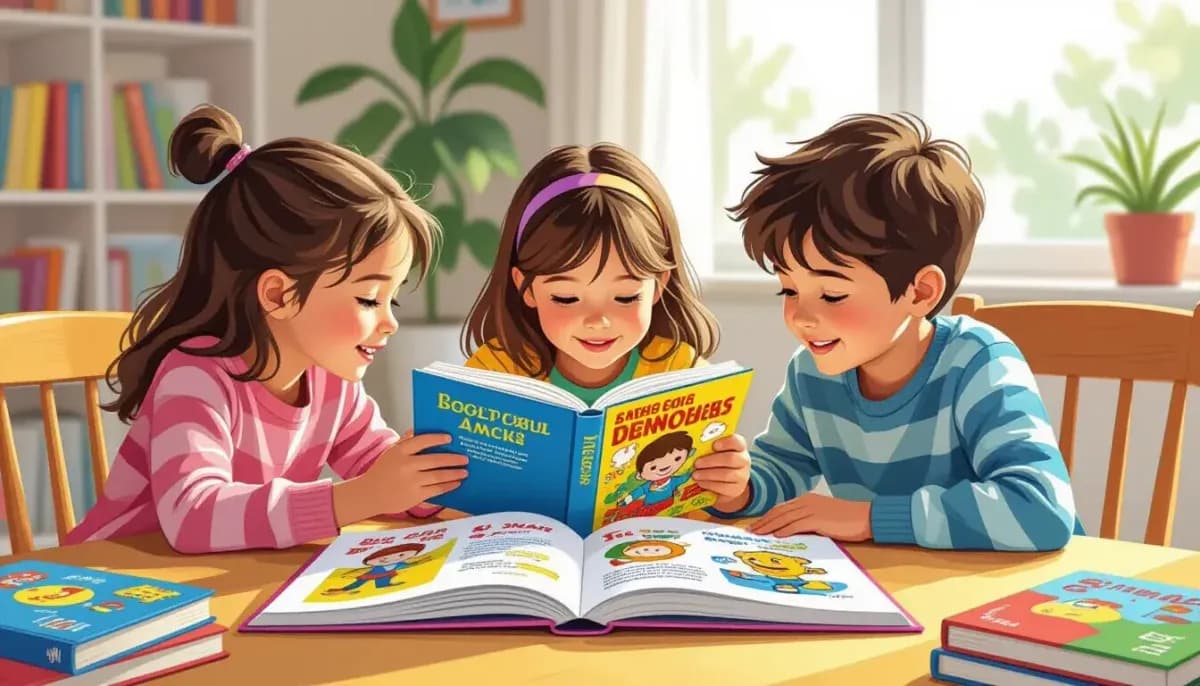
Best Bilingual Education Resources and Books for Kids
Discover the best bilingual English-Japanese books, apps, playgroups, and programs for raising multilingual kids in Japan. Practical guide for expat and foreign parents.
Read more →