
Supporting Bilingual Children in Japanese Public Schools

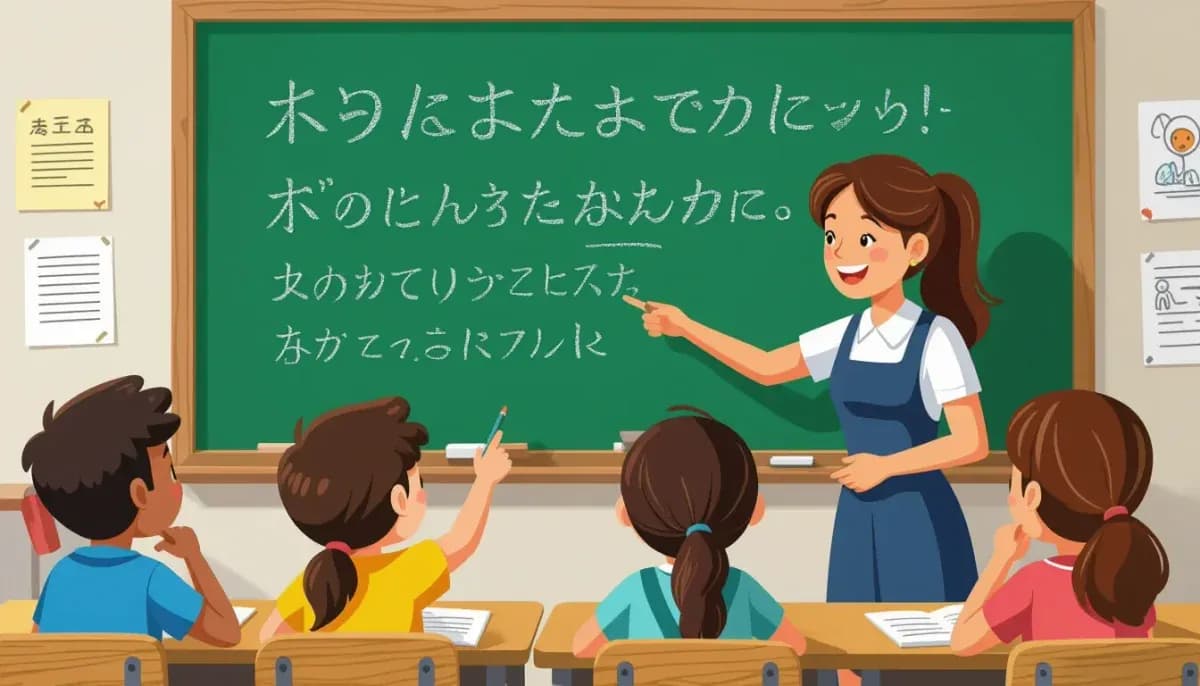
A complete guide for foreign parents on supporting bilingual children in Japanese public schools — language programs, home strategies, cognitive benefits, and tips for working with teachers.
Supporting Bilingual Children in Japanese Public Schools
Raising a bilingual child in Japan is one of the most rewarding — and challenging — journeys a foreign parent can take. Japanese public schools offer an excellent, virtually free education, but they operate almost entirely in Japanese. For foreign families, navigating language barriers, cultural differences, and identity questions can feel overwhelming. The good news: with the right strategies and support systems in place, your child can thrive academically and grow up fluent in two (or more) languages.
This guide covers everything you need to know about supporting your bilingual child through the Japanese public school system, from understanding the official language support available to building effective routines at home.
Understanding the Scale: Foreign Children in Japan's Public Schools
The number of foreign children in Japanese public schools has grown dramatically over the past decade. As of 2024, approximately 129,000 foreign students are enrolled in Japanese public elementary and secondary schools — and around 70,000 of those children require Japanese language instruction (JSL). That number has doubled over the past ten years, with about 10,000 additional children needing support each year.
At the elementary school level alone, 46,132 students (0.78% of total elementary enrollment) required specialized language support in 2023. Among JSL students, Brazilians, Chinese, and Peruvians make up more than 70% of the total population — though families from across the world are represented.
Despite this growth, support quality varies significantly by region. In 2024, over 1,000 foreign children were documented as not enrolled in any school at all, a reminder that the system still has gaps. Understanding what support is available — and how to advocate for your child — is critical.
For a broader overview of how Japanese schools work for expat families, see our guide to the Japanese education system for foreign families.
What Language Support Does the Japanese Public School System Offer?
Japan's Ministry of Education (MEXT) has developed several programs to help non-Japanese-speaking children integrate into public schools:
Japanese as a Second Language (JSL) Instruction
The most common form of support is "取り出し指導" (toridashi shidō) — pull-out instruction where children receive intensive, one-on-one or small group Japanese language lessons outside of regular class time. The frequency and quality of these sessions depend heavily on your municipality and the specific school.
Mother-Tongue Support Providers
Some school boards deploy mother-tongue support staff (母語支援員, bogo shien-in) who can communicate with children in their native language, helping them understand school routines, homework, and communication from teachers. Cities with large foreign populations — such as Hamamatsu, Nagoya, and Tokyo — tend to have better access to these resources.
Pre-Enrollment Programs
A small number of municipalities offer pre-school orientation programs to help newly arrived children prepare for the language and culture of Japanese schools before their first day. These are not universal, so it's worth contacting your local Board of Education (教育委員会, kyōiku iinkai) before enrollment.
Additional Teaching Staff
Schools with a high concentration of foreign students may receive additional staffing support from the municipal or prefectural government. This is allocated based on enrollment data, so it typically improves over time as the school population grows.
For more detail on the enrollment process itself, see our elementary school guide for foreign parents.
Key Language Support Programs Compared
| Support Type | Who Provides It | Availability | Best For |
|---|---|---|---|
| JSL Pull-Out Instruction | School / Board of Education | Most public schools | Children with no or limited Japanese |
| Mother-Tongue Support Staff | Municipal government | Large cities / areas with large foreign populations | Early integration, parent communication |
| Pre-Enrollment Programs | Some municipalities | Limited availability | Newly arrived families |
| Additional Classroom Staff | Prefectural government | Schools with high foreign enrollment | Ongoing classroom support |
| Weekend/Heritage Language Schools | Private / community organizations | Major cities | Maintaining home language literacy |
Effective Home Strategies for Bilingual Support
While the school system provides a foundation, the most successful bilingual families in Japan rely heavily on consistent strategies at home. Research and experience from families across Japan point to a few key approaches:
1. Prioritize Natural Language Use — Not Rigid Rules
The classic "one parent, one language" (OPOL) method — where each parent always speaks only their native language to the child — sounds logical, but it often backfires in Japan. When one language dominates the school, media, and social environment so completely, enforcing strict home language rules can make the minority language feel like a burden or even a source of shame.
Experts from Tokyo's bilingual education community suggest that children should encounter both languages naturally and without pressure. Let conversations flow in the language that feels most comfortable in the moment, while making sure the home language is used regularly and consistently.
2. Read Together in Both Languages Every Day
Literacy is the most powerful predictor of long-term bilingual ability. Research on Japanese-English bilingual children in Japan consistently shows that recreational reading is one of the most accessible and affordable ways to develop home language literacy — and it doesn't require moving abroad or expensive tutoring.
Build a home library in your native language. Visit the library. Use apps and audiobooks. Read aloud together every night. Even 15 minutes a day makes a measurable difference over months and years.
3. Connect with Community
Find your cultural community in Japan. Whether it's a Brazilian festival in Hamamatsu, a Filipino community center in Osaka, or an English-speaking playgroup in Tokyo, regular exposure to others who share your child's background reinforces that the home language has real social value.
Many cities also have weekend community schools (補習校, hoshūkō or コミュニティスクール) run by national communities — particularly active for Korean, Chinese, Brazilian, Filipino, and English-speaking families. These can provide structured home language literacy instruction.
4. Maintain Realistic Expectations
Children learning Japanese through full immersion often go through a silent period of several months where they absorb the language without speaking much. This is completely normal and does not mean your child is struggling. Most children, especially those who start elementary school, become conversationally fluent in Japanese within 1–2 years.
At the same time, be patient with your home language. Academic vocabulary, literacy, and nuanced expression in the minority language require ongoing effort — they don't develop automatically just from speaking at home.
For guidance on teaching Japanese to your child directly, see our article on teaching Japanese to foreign children.
The Cognitive Benefits of Bilingualism
There is strong scientific evidence that raising a bilingual child provides lasting cognitive advantages. Research consistently shows that bilingual children:
- Develop stronger executive function — the ability to switch between tasks, filter distractions, and plan ahead
- Outperform monolingual peers on reasoning and problem-solving tests
- Show greater cultural empathy and social flexibility
- May develop greater resilience against cognitive decline later in life, including Alzheimer's-related dementia
These benefits are not automatic — they require genuine, sustained use of both languages. But for foreign families raising children in Japan, the circumstances are already ideal for developing true bilingualism if the home language is actively supported.
Learn more about the broader challenges and rewards of raising bilingual children in Japan.
Working Effectively with Your Child's School
Navigating the Japanese school system as a foreign parent requires both patience and proactive communication. Here are practical steps to support your child's bilingual journey from the school side:
Before Enrollment:
- Contact your local Board of Education (教育委員会) to ask specifically about JSL support, mother-tongue staff, and any pre-enrollment programs
- Request a school tour and ask to meet the homeroom teacher before your child starts
- Ask whether the school has a 指導記録 (shidō kiroku) — an individual instruction record — for language support students
At the Start of School:
- Prepare a simple one-page information sheet in Japanese about your child: their personality, language background, things they enjoy, and anything that might help the teacher
- Ask about the school's system for sending home notices (連絡帳, renrakuchō) and whether translations are available
- Connect with the school's international student support coordinator (if one exists) or the vice-principal (教頭, kyōtō), who often handles special cases
Ongoing Communication:
- Attend parent-teacher meetings (個人面談, kojin mendan) — many schools are now accustomed to working with translators or bilingual parents
- Regularly check in on your child's emotional wellbeing, not just academic progress
- Consider joining the school's PTA to build relationships and stay informed
For more on mental health and emotional support for children navigating two cultures, see our guide on mental health and wellbeing for foreign children in Japan.
Planning for the Future: Secondary School, University, and Beyond
One of the unique advantages of raising a genuinely bilingual child in Japan is the growing recognition of bilingualism in secondary and tertiary education. Japan's universities increasingly offer returnee and foreign student admission tracks (帰国子女・外国人入試), which feature:
- Lower competition ratios than standard admissions
- Essay and interview components in both Japanese and English
- Recognition of international experience and English proficiency certificates (TOEFL, IELTS, Eiken)
For children enrolled in Japanese public schools, maintaining and developing the home language literacy and English proficiency needed for these pathways requires intentional effort — but the long-term payoff is significant.
For guidance on what comes next academically, see our junior high school guide for foreign families and high school options in Japan.
For detailed information on the returnee exam system and what it means for your child's academic future, Chuukou Benkyou's guide to the returnee and foreign student exam system is an excellent resource.
Further Reading and Resources
Supporting a bilingual child in Japan is a long-term project — but you don't have to figure it out alone. Here are some valuable resources:
- Living in Nihon: Complete Guide to Raising Children and Education in Japan — a comprehensive overview of education options, costs, and strategies for foreign families
- For Work in Japan: English Teaching and Education Industry Guide — useful context on English-language education in Japan and the role of bilingual skills in the job market
- Overcoming the Odds: Bilingual Education in Japan — an in-depth look at the real challenges and strategies from experts and families
- 16 Tips for Raising a Bilingual Child in Japan — practical, experience-based advice from parents who have done it
- Japanese Education System for Foreign Families — E-Housing's clear breakdown of how the system works
For information on heritage language programs and how to maintain your child's connection to their cultural roots, see our article on heritage language maintenance for children in Japan.
Supporting a bilingual child in Japanese public schools takes consistent effort, smart strategy, and close collaboration with your child's teachers and community. The system has made real progress in providing language support — and your child's bilingualism, developed and nurtured over years, is a genuine lifelong asset.

Originally from Vietnam, living in Japan for 16+ years. Graduated from Nagoya University, with 11 years of professional experience at Japanese and international companies. Sharing practical information for foreign parents raising children in Japan.
View Profile →Related Articles

How to Measure Your Child's Bilingual Language Proficiency
Learn practical methods, tools, and milestones for measuring your bilingual child's language proficiency in Japan. Covers home assessment, formal tools, and when to seek help.
Read more →
Online Tutors and Language Apps for Bilingual Kids
Discover the best online tutors and language apps for bilingual kids in Japan. Expert guide covering apps like Duolingo, Lingodeer, and top tutoring platforms for expat families raising bilingual children.
Read more →
Weekend Language Schools and Saturday Schools in Japan
Complete guide to weekend language schools and Saturday schools in Japan for foreigners. Discover part-time Japanese classes, costs, visa requirements, and options for children's heritage language education.
Read more →
Bilingual Speech Delay: Facts vs Fiction
Is bilingual speech delay real? Science says no. Learn the facts vs fiction about raising bilingual children in Japan, including when to seek help and expert tips for expat families.
Read more →
Raising Trilingual Children in Japan: Is It Possible?
Is it really possible to raise trilingual children in Japan? Discover proven strategies like OPOL, daily reading routines, heritage language schools, and real tips from expat families navigating multilingual parenting in Japan.
Read more →
Best Bilingual Education Resources and Books for Kids
Discover the best bilingual English-Japanese books, apps, playgroups, and programs for raising multilingual kids in Japan. Practical guide for expat and foreign parents.
Read more →