
Student Life at Japanese Universities: What to Expect

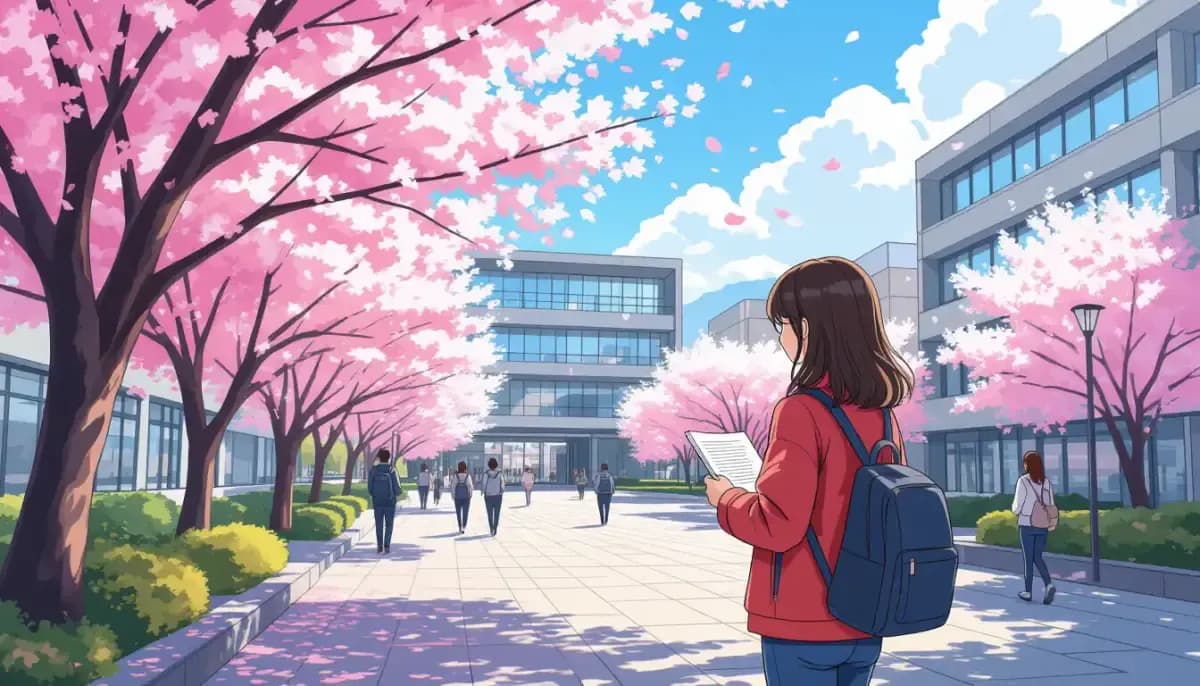
Everything foreign students need to know about university life in Japan — from club culture, part-time work rules, and housing costs to scholarships, job hunting (shūkatsu), and cultural adjustment tips.
Student Life at Japanese Universities: What to Expect
Starting university in Japan is a unique experience unlike any other in the world. Whether you are a foreign student relocating to Japan, or a parent whose child is about to embark on this journey, understanding what campus life actually looks like will help you prepare. This guide covers everything from academic culture and social life to finances and the all-important job hunt, so you know exactly what to expect from student life at Japanese universities.
The Academic Culture: Relaxed But Unequal
One of the first surprises for foreign students is how relaxed university academics can feel after surviving Japan's notoriously competitive high school entrance exams. Japanese university is sometimes called a "four-year vacation" — the reward after years of cramming for entrance tests. Surveys have found that 84% of male students and 59% of female students study one hour or less per day.
This does not mean academics are unimportant. The reputation of the university you attend matters enormously to future employers. However, once enrolled, day-to-day coursework is less demanding compared to institutions in many Western countries. Lectures are large, attendance policies are often loose, and term papers are uncommon outside of graduate programs.
For international students, the language of instruction matters greatly. While English-taught degree programs are expanding at universities like Waseda, Keio, and Tokyo University, most courses at traditional institutions are delivered in Japanese. Competitive programs typically require JLPT N1 or N2 proficiency. Graduate school applicants must also submit a detailed research plan and identify a prospective academic advisor before applying.
If you are navigating the Japanese education system as a foreign family, it helps to understand the broader context — read our Complete Guide to the Japanese Education System for Foreign Families for background on how university fits into Japan's educational ladder.
Club Activities and Social Life: The Heart of Campus
If there is one thing you should do at a Japanese university, it is join a club or circle. These student organizations — covering everything from baseball and kendo to anime, jazz, and robotics — are the primary way students make friends and build their social network.
There are two main types:
- Bukatsu (部活) — Formal, competitive clubs affiliated with the university, with structured schedules and tournaments.
- Circles (サークル) — Informal clubs that are more relaxed and social. Often a mix of activities and social events.
During the first weeks of spring semester, campuses explode with recruitment events as clubs compete for new members. The atmosphere is festive and a little overwhelming — known as "circle-kake" (circle-hunting), where freshmen tour multiple clubs before committing.
Students who skip club activities entirely often report difficulty building friendships, since much of campus social life revolves around these shared activities. Clubs also serve as important networking opportunities, as senpai (seniors) often help kohai (juniors) in the same club during the job hunt.
Working Part-Time: Almost Universal Among Students
Part-time work (アルバイト, arubaito) is a cornerstone of student life in Japan. Japanese students average over 3.5 hours of part-time work daily — more time than many spend studying. Common jobs include convenience store clerk, restaurant server, English conversation tutor, and warehouse worker.
For international students on student visas, the rules are clear:
- Up to 28 hours per week during school terms (with the university's prior permission)
- Up to 8 hours per day during extended school breaks (summer, winter, spring)
- Working more than permitted hours is a visa violation with serious consequences
Part-time work typically pays between ¥1,000–1,500 per hour depending on the region and role. In addition to income, arubaito gives international students valuable Japanese language practice and social integration outside the campus bubble.
For more on working and earning income in Japan, For Work in Japan has a comprehensive guide on the international student-to-professional pathway covering everything from visa transitions to career strategy.
Housing and Cost of Living: Planning Your Budget
Housing is one of the biggest decisions for incoming students. Options include university dormitories, private apartments, and share houses. Here is a cost comparison:
| Housing Type | Monthly Cost (Approx.) | Best For |
|---|---|---|
| University dormitory | ¥20,000–60,000 | First-year students, meeting people |
| Share house / guest house | ¥45,000–90,000 | Social living, flexible leases |
| Private apartment (1K) | ¥55,000–120,000 | Privacy, independence |
| Homestay | ¥60,000–100,000 | Language immersion, cultural depth |
University dormitories are the most affordable option and the best place to meet both Japanese and international students. However, spaces are limited and competition can be fierce, especially at top universities.
Beyond rent, monthly living expenses typically run:
- Food: ¥25,000–40,000 (cooking at home vs. eating out)
- Transportation: ¥5,000–15,000 (student discount cards available)
- Entertainment/Social: ¥10,000–20,000
- Mobile/Utilities: ¥8,000–15,000
Total monthly budget in Tokyo: ¥100,000–150,000. Regional cities like Osaka, Kyoto, or Sendai are significantly more affordable at ¥70,000–120,000 per month.
Tuition costs also vary widely: national/public universities charge approximately ¥540,000 per year, while private universities average ¥860,000 per year (and higher for medical or art programs). Living in Nihon's guide to studying in Japan provides an excellent deep-dive into total cost planning including one-time startup costs.
Scholarships: How to Fund Your Studies
The cost of studying in Japan is real, but there are significant scholarship opportunities available. Key programs include:
MEXT Scholarship (文部科学省奨学金) Japan's most prestigious government scholarship, covering tuition fees, a monthly living allowance of ¥140,000–145,000, and round-trip airfare. Competition is fierce; applicants are typically nominated through Japanese embassies or directly by universities.
JASSO Scholarship (日本学生支援機構) The Japan Student Services Organization provides monthly grants of ¥48,000 to eligible international students. Unlike loans, this does not need to be repaid.
University-specific scholarships Many universities offer their own tuition reductions of 30–100% for high-achieving international students. Check the specific university's international student affairs office for details.
Private foundations Rotary International, Toyota Foundation, and dozens of Japanese private foundations offer smaller grants ranging from ¥50,000–200,000 per year. Many go under-applied because students are unaware they exist.
As of June 2025, Japan hosts over 435,200 international students — an 8.2% increase year-over-year, surpassing the government's 2033 enrollment target eight years ahead of schedule. This growth reflects increasing investment in international scholarship programs.
For families with children moving through the Japanese school system before reaching university, our guide on high school options in Japan for foreign families is a helpful next step in planning.
Job Hunting (Shūkatsu): The Third-Year Reality Check
For many Japanese students, the relaxed first two years of university end abruptly in the third year when shūkatsu (就職活動) — Japan's unique job-hunting process — begins. This highly ritualized system of company information sessions, aptitude tests, group interviews, and internships is unlike anything in most other countries.
Key features of shūkatsu:
- Typically begins in October–November of third year, with formal applications opening in March of the final year
- Companies recruit almost exclusively from graduating students in a mass annual hiring cycle
- Students often wear identical recruit suits (black suit, white shirt, conservative tie or blouse) to every interview
- Cultural fit and attitude matter as much or more than grades or major
- Rejection rates at top companies are extremely high — applying to 20–30 companies is normal
For international students, shūkatsu has additional complexity. Japanese language ability is a key differentiator — business and planning roles generally require JLPT N1, while IT and engineering positions can be accessible at N2–N3. Approximately 52.5% of graduating international students secure employment in Japan, meaning preparing early is essential.
Mental health pressures during this period are real. Studies have found elevated rates of stress and anxiety among students navigating shūkatsu, and universities increasingly offer counseling services specifically for this period. Our article on mental health and emotional wellbeing for foreign children in Japan discusses support resources available in Japan more broadly.
Language, Culture, and Integration: The Honest Picture
No guide to Japanese university life would be complete without an honest discussion of cultural adjustment. Japanese campus culture operates on unwritten rules that can take time to learn:
- Senpai-kohai relationships — Hierarchy between senior and junior students is taken seriously, especially in clubs and labs
- Consensus culture — Expressing strong individual opinions in group settings can feel socially awkward
- Punctuality — Being even five minutes late to a meeting or class is considered disrespectful
- Indirect communication — "That might be difficult" often means "no"
Language is the biggest integration barrier for most international students. Even in English-program universities, daily life — convenience stores, hospitals, government offices, and social situations — is predominantly Japanese. Students who invest in Japanese language learning, even at a conversational level, report far richer experiences.
Most universities offer Japanese language classes as part of their international student support programs, along with buddy systems pairing international students with Japanese peers. These programs are worth using from day one.
For families considering the full educational journey in Japan, Chuukou Benkyou has helpful resources on exam preparation and navigating Japan's academic culture, particularly for the earlier stages of Japanese schooling that precede university entrance.
What to Expect: A Quick Reference Summary
Here is a quick-reference summary of what makes Japanese university life distinctive for international students:
| Aspect | What to Expect |
|---|---|
| Academic workload | Lower than expected; reputation of university matters more than GPA |
| Social life | Club/circle membership is essential for making friends |
| Part-time work | Near-universal; up to 28 hours/week on student visa |
| Housing costs | ¥20,000–120,000/month depending on type and city |
| Tuition | ¥540,000–860,000+/year (national vs. private) |
| Job hunting | Starts year 3; intense, ritualized, language-dependent |
| Language | Japanese needed for daily life even in English programs |
| Scholarships | MEXT, JASSO, and university-specific programs available |
Japanese university life rewards students who arrive prepared — with language skills, an open attitude toward club culture, and a realistic understanding of both the relaxed academic environment and the intensely competitive job-hunting process that follows. With the right preparation, these four years can be transformative, offering deep cultural immersion, lifelong friendships, and a strong foundation for a career in Japan.
For a comprehensive look at raising and educating children through Japan's full school system — from daycare all the way to university — see our Complete Guide to the Japanese Education System for Foreign Families. For additional guidance on the international student experience in Japan, Study in Japan's official resource center and the JPSS Living Guide are excellent references maintained by Japanese government-affiliated organizations.

Originally from Vietnam, living in Japan for 16+ years. Graduated from Nagoya University, with 11 years of professional experience at Japanese and international companies. Sharing practical information for foreign parents raising children in Japan.
View Profile →Related Articles

Community College and Junior College Options in Japan
Everything foreigners need to know about junior colleges (tanki daigaku) in Japan: costs, admission requirements, language requirements, career paths, and how to apply as an international student.
Read more →
Career Prospects After University in Japan
A complete guide to career prospects after university in Japan — covering the shinsotsu system, job-hunting timeline, top industries for foreign graduates, visa options, JLPT requirements, and practical job search resources for 2025.
Read more →
University Costs: Tuition and Living Expenses in Japan
Complete guide to university tuition fees and living expenses in Japan for foreign students. Covers national vs private costs, scholarships, part-time work rules, and money-saving strategies.
Read more →
Gap Year Options for Students in Japan
Discover the best gap year options for students in Japan—working holiday visas, language schools, teaching English, volunteer programs, and structured gap year programs. Includes visa details and costs.
Read more →
Vocational Schools and Alternatives to University in Japan
A complete guide to senmon gakko (vocational schools) and alternatives to university in Japan for foreign students and expat families. Covers enrollment, costs, language requirements, and career outcomes.
Read more →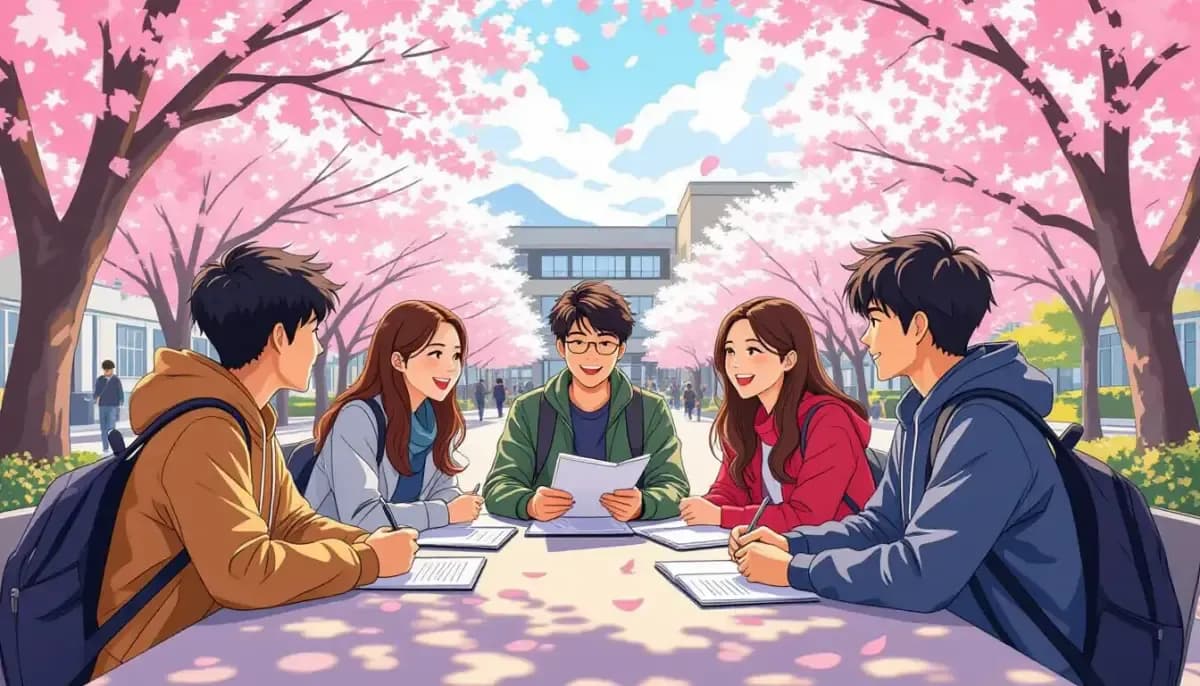
English-Taught Degree Programs at Japanese Universities
Complete guide to English-taught degree programs at Japanese universities: top schools, tuition costs, application requirements, scholarships, and student life tips for international students.
Read more →