
Gap Year Options for Students in Japan

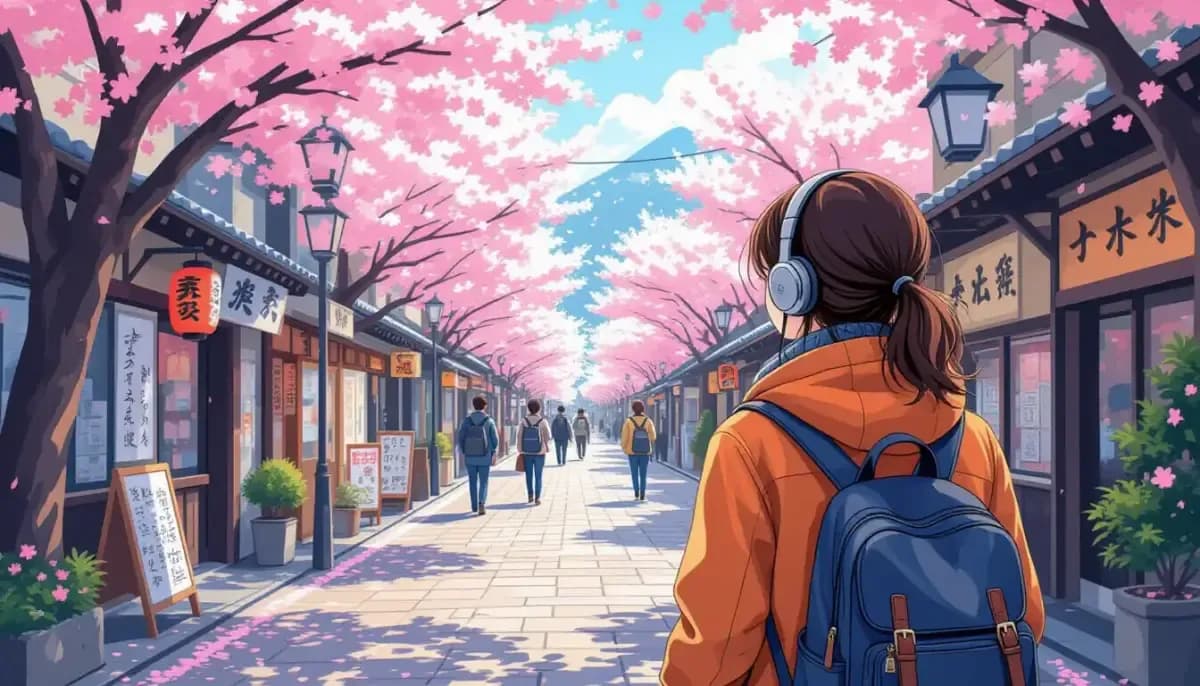
Discover the best gap year options for students in Japan—working holiday visas, language schools, teaching English, volunteer programs, and structured gap year programs. Includes visa details and costs.
Gap Year Options for Students in Japan: The Complete Guide
Taking a gap year in Japan is one of the most rewarding decisions a student can make. Whether you're fresh out of high school, between university years, or recently graduated, Japan offers an extraordinary range of experiences—from language immersion programs and teaching English to working holidays and cultural volunteering. This guide covers every major gap year option available to foreign students in Japan, including practical details on visas, costs, and how to get started.
As of June 2025, Japan hosts a record 435,200 international students—up 8.2% from the previous year—demonstrating the country's growing appeal as a destination for international education and experiences. Whether your goal is to improve your Japanese, gain work experience, or simply explore one of the world's most fascinating cultures, Japan has a gap year path for you.
Understanding Gap Year Culture in Japan
Before diving into the options, it helps to understand the cultural context. Gap years are not a traditional concept in Japanese society. Japanese students typically move directly from high school to university entrance exams, with those who don't pass spending a preparatory year known as "ronin" (浪人)—literally meaning "wandering samurai"—to re-study and re-apply. This is quite different from the Western gap year model, where students intentionally take time off to travel, work, or explore.
For foreign students, however, Japan is increasingly welcoming gap year participants. The government's support for international education, the availability of working holiday visas with many countries, and the growth of structured language and cultural programs all make it easier than ever to plan a meaningful year in Japan.
It's also worth understanding what role this gap year might play in your broader educational journey. If you're considering Japanese universities afterward, see our guide to Japanese University Admission System Explained for how a gap year can factor into your application.
Working Holiday Visa: Best Option for Eligible Nationalities
The Working Holiday Visa (WHV) is arguably the most flexible and popular option for gap year students who qualify. It allows you to live, work, and travel in Japan for up to one year—combining cultural immersion with real income-generating opportunities.
Who is eligible? Citizens of the following countries can apply:
- Australia, New Zealand, Canada, United Kingdom, Ireland
- France, Germany, Denmark, Taiwan, South Korea
- Hong Kong, Portugal, Poland, Slovakia, Austria, Hungary, Spain, Norway, Czech Republic, Argentina, Chile
Most programs require applicants to be between 18 and 30 years old (some countries extend to 35). The visa must be applied for before you leave your home country, and most countries only allow one working holiday visa per person.
What you can do on a WHV:
- Work part-time or full-time in most industries
- Teach English at language schools or as a private tutor
- Work in hospitality, retail, farming, or office environments
- Attend language classes (limited hours)
- Travel freely within Japan
The WHV gives you maximum flexibility—you're not tied to a single employer or program, and you can piece together your own experience. The downside is that it requires more self-direction and planning than a structured program.
| Working Holiday Country | Age Limit | Annual Quota |
|---|---|---|
| Australia | 18–30 | 10,000 |
| United Kingdom | 18–30 | 6,000 |
| Canada | 18–35 | 6,500 |
| France | 18–30 | 1,500 |
| Germany | 18–30 | 3,500 |
| New Zealand | 18–30 | 2,000 |
| South Korea | 18–25 | 10,000 |
For students who are not eligible for a WHV—or who want a more structured experience—there are several excellent alternatives.
Language School Programs: Immersive Study With Legal Work Rights
Enrolling in a Japanese language school is one of the most popular structured gap year options. Programs range from short-term courses of 6 weeks to full one-to-two-year immersive programs. Language schools are located throughout Japan, with major concentrations in Tokyo, Osaka, Kyoto, and Fukuoka.
Key details:
- Visa: Students on programs longer than 90 days need a Student (留学) Visa
- Tuition: ¥700,000–900,000 per year (~$4,700–$6,000 USD)
- Work rights: Up to 28 hours per week during school terms, full-time during breaks
- Class sizes: Typically 8–15 students per class
- Levels: Most schools offer beginner through advanced courses
Language schools provide a ready-made community of international students, which can ease the transition into Japanese life. Many schools also offer accommodation support, helping you find homestays, shared apartments, or student dormitories.
Popular programs include Go! Go! Nihon, which offers structured study packages in Shinjuku, Tokyo with costs ranging from ¥350,000 to ¥490,000 for shorter programs. For more on long-term costs, see our breakdown of University Costs: Tuition and Living Expenses in Japan.
For a deeper look at what student life looks like in Japan—including daily routines, housing, and social life—read more on Living in Nihon's student and study guide.
Teaching English (TEFL/TESOL): Earn While You Learn
Teaching English is the most financially sustainable gap year option in Japan, and it remains in high demand across the country. With a TEFL or TESOL certification (obtainable online in 4–12 weeks), you can find positions at:
- Eikaiwa schools (private English conversation schools)
- Public and private elementary, junior high, and high schools (often through the JET Programme)
- Corporate language training programs
- Private tutoring (in-person or online)
The JET Programme (Japan Exchange and Teaching Programme) is highly competitive but offers exceptional benefits: a salary of approximately ¥3,000,000–¥3,600,000 per year, accommodation assistance, and a structured integration into Japanese life. Applications open each autumn for positions beginning the following August.
Private eikaiwa schools like NOVA, AEON, and ECC offer more accessible entry points. Many will sponsor your work visa, and some provide accommodation. Pay is typically ¥230,000–¥280,000 per month.
For students considering a long-term career path in Japan, the connections and Japanese language skills built through teaching can be invaluable. See For Work in Japan's guide for international students transitioning to professionals for how work experience during a gap year can strengthen your professional profile.
University Exchange Programs and Short-Term Study Abroad
If you're currently enrolled at a university, a semester or year exchange program in Japan offers a structured academic gap year experience. Most universities have partnerships with Japanese institutions, and exchanges typically run 6 months to one academic year.
Exchange students usually pay tuition to their home institution (often at home rates) while studying at a Japanese university, making this a cost-effective option compared to enrolling directly. Academic credits are generally transferable, meaning your gap year still counts toward your degree.
Alternatively, many Japanese universities offer summer intensive programs and winter sessions open to students not enrolled at that institution. These are a great way to test the waters before committing to a longer stay.
For families helping students evaluate this path alongside other options, our guide to Study Abroad Programs from Japan for High School and University provides a helpful comparison framework.
Structured Gap Year Programs: CIEE and Others
Several organizations offer fully structured gap year programs specifically designed for students who want guidance rather than having to plan everything independently.
CIEE Japanese Language & Culture GAP Program stands out as one of the most comprehensive. Based in Kyoto and Osaka, this full academic year program includes:
- Homestay accommodation with a Japanese family
- Full attendance at a Japanese high school (Monday–Friday, 8:30 AM–4:30 PM)
- Classes in calligraphy, Japanese literature, chemistry, biology, mathematics, and PE
- Cultural excursions and community activities
This program is particularly valuable for students who want deep cultural immersion rather than simply tourist-level exposure.
Other structured options include:
- EF Education First gap year programs in Japan
- Go Overseas program directory with vetted Japan options
- GoAbroad listings covering internships, volunteer programs, and language courses
For students who ultimately plan to pursue higher education in Japan, it's worth understanding the Japanese University vs Foreign University decision early, as a gap year experience in Japan can significantly inform that choice.
Volunteer Programs and Community Immersion
For students on a tight budget, volunteer programs offer a way to experience Japan while keeping accommodation costs low. Platforms like Worldpackers and Workaway connect travelers with Japanese hosts—family farms, guesthouses, yoga retreats, and community organizations—who offer free accommodation and sometimes meals in exchange for several hours of work per week.
Visa considerations: Volunteer work is generally permitted on a tourist visa for stays under 90 days. However, if you receive direct compensation or your stay exceeds 90 days, you will need an appropriate visa. Always verify the terms carefully before accepting a volunteer position.
Popular volunteer opportunities in Japan include:
- Organic farming (especially in rural Hokkaido and Kyushu)
- Guesthouse support work in Kyoto and Nara
- English teaching assistance at community centers
- Conservation and nature preservation projects
Volunteer programs are especially popular during sakura season (late March–April) and autumn foliage season (November), when tourism peaks and many guesthouses need additional support.
Living Costs: Budgeting Your Japan Gap Year
Understanding the true cost of a gap year in Japan is essential for planning. Costs vary significantly by location—Tokyo is considerably more expensive than smaller cities or rural areas.
| Expense Category | Tokyo (Monthly) | Regional City (Monthly) |
|---|---|---|
| Rent (shared/dormitory) | ¥60,000–100,000 | ¥40,000–70,000 |
| Food & groceries | ¥30,000–50,000 | ¥25,000–40,000 |
| Transportation | ¥10,000–20,000 | ¥5,000–15,000 |
| Phone & utilities | ¥10,000–15,000 | ¥8,000–12,000 |
| Entertainment/misc | ¥15,000–30,000 | ¥10,000–20,000 |
| Total estimated | ¥125,000–215,000 | ¥88,000–157,000 |
Homestay arrangements often reduce costs significantly, as host families typically provide breakfast and dinner. The cultural immersion benefits of homestay are an added bonus.
For scholarship options that could help offset these costs, see our comprehensive Scholarships for Students in Japan guide.
Visa Options at a Glance
| Visa Type | Best For | Duration | Work Rights |
|---|---|---|---|
| Tourist Visa | Short visits, volunteering | Up to 90 days | None (limited volunteer work) |
| Student Visa (留学) | Language school, university programs | 1–3 years, renewable | 28 hrs/week |
| Working Holiday | Work + travel (eligible countries) | 1 year | Full-time allowed |
| Work Visa | Employment with sponsor | 3 months–5 years | Full-time |
| Designated Activities | Internships, post-grad job search | Up to 1 year | Limited |
For detailed visa guidance related to families with children studying in Japan, see our Visa and Legal Issues for Foreign Families with Children in Japan resource.
For additional gap year inspiration and practical Japan living advice, check out Real Step's gap year in Japan guide and Go! Go! Nihon's blog on language immersion gap years.
If you're thinking about the longer-term picture beyond your gap year, explore what student life at Japanese universities looks like and the range of vocational schools and alternatives to university in Japan as you map out your path.
For additional resources on academic programs and education support in Japan, Chuukou Benkyou provides guidance on Japanese academic preparation that may be useful for students planning to enter the Japanese education system after their gap year.
Is a Gap Year in Japan Right for You?
A gap year in Japan is not the cheapest option globally—costs in Tokyo especially can add up quickly. But the combination of safety, infrastructure, cultural richness, and genuine career-building opportunities makes it exceptional value for what you get.
The most successful gap year students in Japan are those who:
- Have clear goals (language learning, career exploration, cultural immersion)
- Plan their visa and finances before arrival
- Engage actively with Japanese communities rather than staying in expat bubbles
- Use the experience as a bridge—not just a pause—in their educational or professional journey
Whether you're eyeing a working holiday in Tokyo, a language immersion year in Kyoto, or an English teaching role in rural Japan, the country offers genuine depth for anyone willing to engage with it seriously.

Originally from Vietnam, living in Japan for 16+ years. Graduated from Nagoya University, with 11 years of professional experience at Japanese and international companies. Sharing practical information for foreign parents raising children in Japan.
View Profile →Related Articles

Community College and Junior College Options in Japan
Everything foreigners need to know about junior colleges (tanki daigaku) in Japan: costs, admission requirements, language requirements, career paths, and how to apply as an international student.
Read more →
Career Prospects After University in Japan
A complete guide to career prospects after university in Japan — covering the shinsotsu system, job-hunting timeline, top industries for foreign graduates, visa options, JLPT requirements, and practical job search resources for 2025.
Read more →
Student Life at Japanese Universities: What to Expect
Everything foreign students need to know about university life in Japan — from club culture, part-time work rules, and housing costs to scholarships, job hunting (shūkatsu), and cultural adjustment tips.
Read more →
University Costs: Tuition and Living Expenses in Japan
Complete guide to university tuition fees and living expenses in Japan for foreign students. Covers national vs private costs, scholarships, part-time work rules, and money-saving strategies.
Read more →
Vocational Schools and Alternatives to University in Japan
A complete guide to senmon gakko (vocational schools) and alternatives to university in Japan for foreign students and expat families. Covers enrollment, costs, language requirements, and career outcomes.
Read more →
English-Taught Degree Programs at Japanese Universities
Complete guide to English-taught degree programs at Japanese universities: top schools, tuition costs, application requirements, scholarships, and student life tips for international students.
Read more →