
Study Abroad Programs from Japan for High School and University

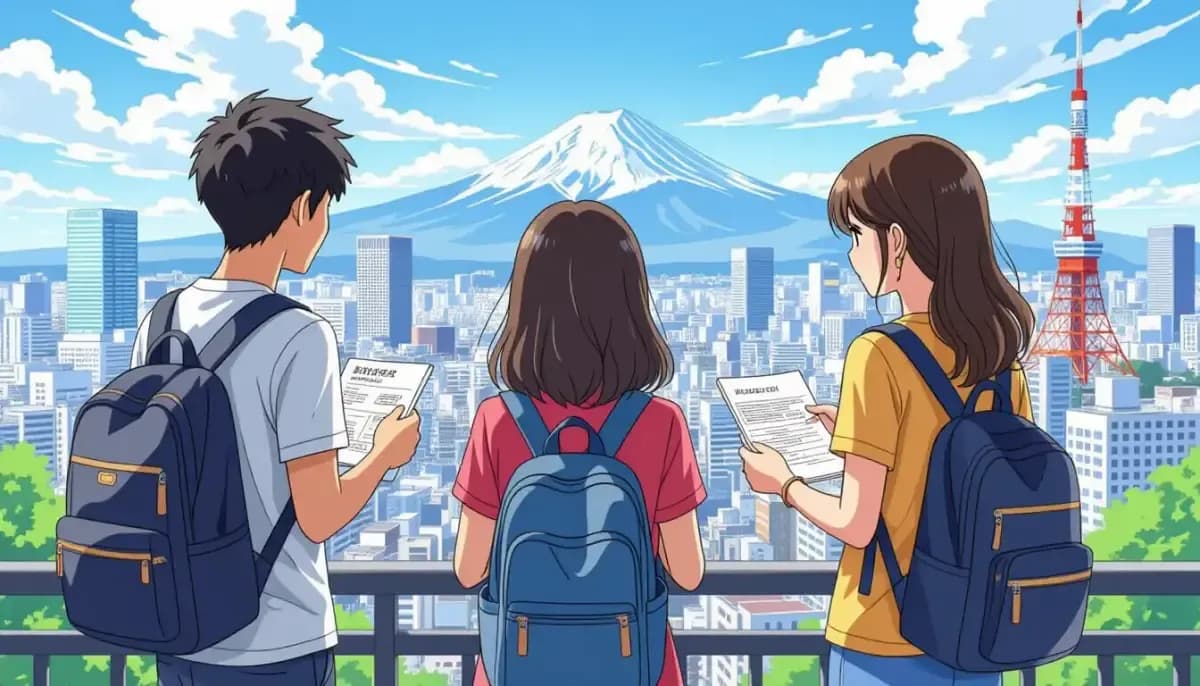
Complete guide to study abroad programs from Japan for high school and university students. Costs, top providers, scholarships, destinations, and practical preparation tips for 2025.
Study Abroad Programs from Japan for High School and University
Thinking about studying abroad from Japan — or helping your child take that leap? Whether you're a Japanese student, a foreign parent raising kids in Japan, or an expat family planning the next stage of education, study abroad programs offer transformative experiences that go far beyond language learning.
Japan's government has set an ambitious goal: 500,000 Japanese students abroad by 2033 under the J-MIRAI Strategy. This includes 150,000 degree-seeking students, 230,000 short-term participants, and 110,000 high school students. The momentum is real — JAOS member organizations sent 70,253 students abroad in 2024, reaching 90% of pre-pandemic levels. If you're considering making the leap, now is an excellent time to explore your options.
This guide covers the key study abroad programs available for high school and university students based in Japan, including costs, requirements, top destinations, and practical tips for both Japanese nationals and foreign families.
Why Study Abroad from Japan?
Japan offers excellent domestic education, but studying abroad delivers unique advantages that are increasingly valued by employers and universities alike.
Language and Communication Skills
Japan ranks 92nd out of 116 non-native English-speaking countries on the EF English Proficiency Index (2024). For students who want to work in international environments, an overseas study experience provides immersive English (or other language) training that classroom study alone cannot replicate.
Global Perspective and Independence
Living abroad forces students to navigate unfamiliar systems — opening bank accounts, cooking their own meals, resolving conflicts without family support. These life skills build resilience and independence that employers consistently rate highly.
Career Advantages
In Japan's competitive job market, international experience can set candidates apart. Major corporations and foreign-affiliated companies increasingly seek graduates with overseas experience and cross-cultural communication skills.
Breaking the Domestic Bubble
Japan's cultural and educational systems are world-class, but deeply inward-facing. Study abroad programs expose students to different teaching styles, collaborative learning cultures, and perspectives that enrich their thinking. For children raised in Japan as part of a multicultural or expat family, studying abroad can also be a way to reconnect with their heritage culture. You might also find useful guidance in our article on raising bilingual children in Japan and heritage language maintenance for children in Japan.
High School Study Abroad Programs from Japan
High school study abroad programs are typically 1 to 12 months in duration and fall into two categories: short-term cultural immersion (summer programs) and academic year exchange programs.
Major High School Study Abroad Providers
| Program | Provider | Duration | Language Requirement | Approx. Cost (USD) |
|---|---|---|---|---|
| High School Abroad Japan | AFS-USA | Summer / Semester / Year | None for summer | $8,000–$18,000 |
| Study Abroad Japan | Youth For Understanding (YFU) | Summer / Semester / Year | None required | $7,500–$16,000 |
| High School Immersion | CIEE | Semester / Year / Summer | Basic Japanese (longer programs) | $10,000–$18,000 |
| Greenheart Exchange | Greenheart Travel | Trimester / Semester / Year | 1 yr Japanese or JLPT N4 | $9,000–$17,000 |
| AYUSA International | AYUSA | Summer / Semester / Year | 2+ yrs for academic; none summer | $8,500–$18,065 |
| Rotary Youth Exchange | Rotary International | Summer + Academic Year | Varies | Scholarships available |
| High School Japan | EF Education | 2–12 weeks | None | $4,000–$12,000 |
| ASSE International | ASSE | Academic Year | None (intensive on arrival) | $10,000–$15,000 |
General Eligibility Requirements:
- Age: Typically 15–17 at time of travel; must not turn 18 during the program
- School year: 9th–12th grade equivalent
- GPA: Minimum 3.0 (2.7 for some providers)
- Teacher/school recommendation letters
- Interview (for longer programs)
For a full directory of accredited high school programs, visit AATJ's study abroad database, which lists programs vetted for students studying Japanese or heading to Japan.
Top Destinations for Japanese High Schoolers
The most popular destinations for Japanese students are English-speaking countries:
- United States — largest number of programs, but high cost (~$50,000/year for degree programs)
- Canada — strong programs, lower cost than the US, growing popularity
- Australia — fastest-growing destination, lower cost, and relaxed visa environment
- New Zealand — affordable, safe, excellent English programs
- UK — prestigious universities and strong cultural exchange programs
Short-term programs (under 3 months) make up roughly 74% of all Japanese outbound students, reflecting the preference for manageable, affordable bursts of international experience.
What to Expect: Homestay vs. Dormitory
Most high school exchange programs offer homestay placement, which is the most immersive option. Students live with a local family, share meals, and experience daily life firsthand. Some programs offer dormitory or shared housing, particularly for short-term summer programs.
University Study Abroad Programs from Japan
At the university level, study abroad options are broader and more flexible. Japanese universities typically offer three pathways:
1. Exchange Programs Through Your University (Institutional Exchange)
Most Japanese universities have bilateral exchange agreements with overseas institutions. These allow enrolled students to:
- Study abroad for a semester or year
- Pay Japanese tuition fees (not overseas rates)
- Transfer credits upon return
- Access university scholarships
As of 2021, there are 3,375 student exchange and study abroad programs through formalized US–Japan university agreements alone, with 33% including a language studies component. Check your university's international office for partner institutions.
2. Direct Enrollment (Independent Study Abroad)
Students apply directly to a foreign university as a visiting or enrolled student. This option offers more flexibility in destination choice but typically costs more and requires individual credit transfer arrangements.
Popular University Programs:
- Temple University Japan (TUJ) — offers summer and semester programs in Tokyo with English-taught courses
- Waseda, Keio, ICU — all have established outbound exchange programs
- JASSO Scholarships — Japan Student Services Organization offers multiple scholarship programs for outbound Japanese students
3. Short-Term Language and Cultural Programs
For university students not ready for a full semester, short-term programs (2–8 weeks) provide a practical middle ground:
- Language schools (intensive English or other language study)
- Summer university programs
- Internship-abroad programs
- Volunteer or service-learning abroad
These are particularly popular due to the Japanese job hunting (shūkatsu) calendar, which typically requires students to be in Japan during their third university year. Short-term programs minimize disruption to the graduation timeline.
Costs and Financial Aid
Study abroad is a significant investment. Here's a realistic breakdown:
| Type | Duration | Estimated Cost (USD) |
|---|---|---|
| High school summer (non-profit) | 4–8 weeks | $4,000–$8,000 |
| High school semester | 4–5 months | $8,000–$12,000 |
| High school academic year | 9–10 months | $15,000–$18,000+ |
| University semester (exchange) | 4–6 months | $5,000–$15,000 (living expenses) |
| University year abroad (direct) | 12 months | $20,000–$60,000+ |
| Short-term program (university) | 2–4 weeks | $2,000–$5,000 |
Note: Costs vary significantly by destination. Australia and New Zealand are generally cheaper than the US or UK.
Scholarships and Funding Options
- MEXT Scholarships — Japan's Ministry of Education offers scholarships for Japanese students going abroad. Competition is high.
- JASSO (Japan Student Services Organization) — provides outbound scholarships; check studyinjapan.go.jp for details
- Rotary Youth Exchange — offers scholarships for high school students, covering program fees and airfare in many cases
- YFU and AFS — both offer need-based financial assistance
- Corporate Scholarships — many major Japanese companies sponsor employee children or graduates for overseas study
- Prefectural and Municipal Grants — some local governments in Japan offer study abroad subsidies for residents
For expats and foreign residents in Japan planning next career steps, resources on financial planning for expat families in Japan may also help frame the investment.
Preparing for Study Abroad: What Students Need to Do
English Language Preparation
Given Japan's relatively low English proficiency ranking, English preparation is essential for programs in English-speaking countries:
- TOEFL / IELTS — required by most university programs (minimum TOEFL iBT 60–80 for many university admissions)
- EIKEN (英検) — Japan's domestic English proficiency exam; some programs accept Grade 2 or Pre-1
- English camps and intensive courses — popular preparation options in Japan
Visa and Documentation
Most high school exchange programs include visa assistance as part of the package. For university-level programs, students typically apply for a student visa independently. Key documents usually include:
- Valid passport (at least 6 months beyond program end date)
- University acceptance letter or program enrollment confirmation
- Proof of financial support
- Health insurance documentation
- Medical examination (for some countries)
For families navigating Japan's residency requirements alongside study abroad plans, our guide on visa and legal issues for foreign families with children in Japan provides complementary information.
Mental Health and Adjustment
Culture shock is real — and it goes both ways. Students returning from study abroad also experience reverse culture shock when re-adjusting to Japan. Preparation includes:
- Cultural orientation sessions (most reputable programs include these)
- Language training before departure
- Connecting with alumni or online communities of Japan-based students abroad
- Understanding support resources available at the destination institution
Our article on mental health and emotional wellbeing for foreign children in Japan covers related themes for families thinking about emotional preparation.
Resources and Next Steps
Starting your research? These are the most useful resources:
- Study in Japan Official Website — operated by JASSO and MEXT; covers inbound and outbound programs, scholarships, and visa information in 12 languages
- AATJ High School Program Directory — comprehensive list of accredited programs
- GoAbroad High School Japan Programs — user reviews and program comparisons
- ICEF Monitor Japan Market Report — latest statistics on Japanese students abroad
- Living in Nihon — expat lifestyle resources for families based in Japan
- For Work in Japan — resources on international careers and working in or from Japan
- Chuukou Benkyou — resources on education in Japan for students and families
Final Thoughts
Study abroad is one of the most impactful investments a student can make — in language skills, independence, cultural awareness, and future career opportunities. Japan's J-MIRAI Strategy reflects a national recognition that outbound mobility is essential for the country's global future.
Whether you're supporting a Japanese national student, raising children in Japan as a foreign family, or navigating a bicultural household, the programs available today offer more flexibility, scholarship support, and professional guidance than ever before.
Start early, research programs thoroughly, and take advantage of the many financial aid options available. A semester or year abroad can change the trajectory of a student's life — and it's more achievable than most families initially believe.
For broader context on education options in Japan, see our guide to the Japanese education system for foreign families and the high school in Japan guide for foreign families.

Originally from Vietnam, living in Japan for 16+ years. Graduated from Nagoya University, with 11 years of professional experience at Japanese and international companies. Sharing practical information for foreign parents raising children in Japan.
View Profile →Related Articles

Community College and Junior College Options in Japan
Everything foreigners need to know about junior colleges (tanki daigaku) in Japan: costs, admission requirements, language requirements, career paths, and how to apply as an international student.
Read more →
Career Prospects After University in Japan
A complete guide to career prospects after university in Japan — covering the shinsotsu system, job-hunting timeline, top industries for foreign graduates, visa options, JLPT requirements, and practical job search resources for 2025.
Read more →
Student Life at Japanese Universities: What to Expect
Everything foreign students need to know about university life in Japan — from club culture, part-time work rules, and housing costs to scholarships, job hunting (shūkatsu), and cultural adjustment tips.
Read more →
University Costs: Tuition and Living Expenses in Japan
Complete guide to university tuition fees and living expenses in Japan for foreign students. Covers national vs private costs, scholarships, part-time work rules, and money-saving strategies.
Read more →
Gap Year Options for Students in Japan
Discover the best gap year options for students in Japan—working holiday visas, language schools, teaching English, volunteer programs, and structured gap year programs. Includes visa details and costs.
Read more →
Vocational Schools and Alternatives to University in Japan
A complete guide to senmon gakko (vocational schools) and alternatives to university in Japan for foreign students and expat families. Covers enrollment, costs, language requirements, and career outcomes.
Read more →