
Vocational Schools and Alternatives to University in Japan

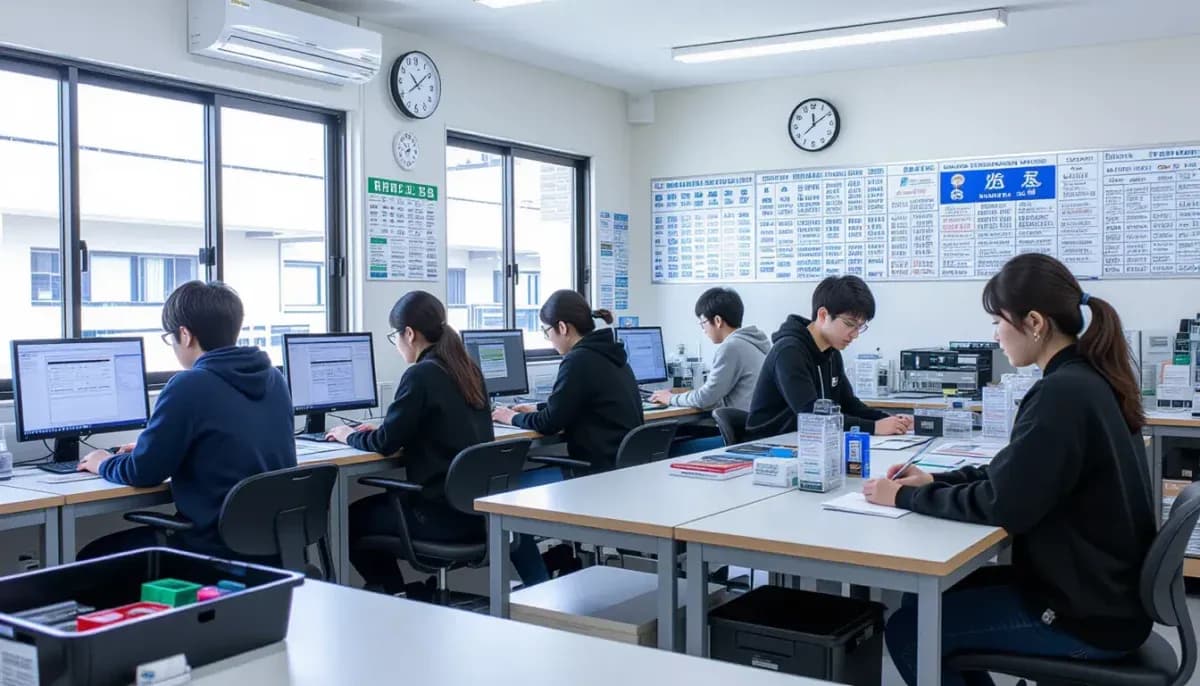
A complete guide to senmon gakko (vocational schools) and alternatives to university in Japan for foreign students and expat families. Covers enrollment, costs, language requirements, and career outcomes.
Vocational Schools and Alternatives to University in Japan: A Complete Guide for Foreigners
When most people think about higher education in Japan, universities immediately come to mind. But Japan's vocational school system — known as senmon gakko (専門学校) or professional training colleges — offers a compelling, practical, and often more affordable pathway into the Japanese workforce. For foreign families raising children in Japan, or for expats exploring educational options, understanding these alternatives can open doors that traditional university pathways might not.
This guide covers everything you need to know about vocational schools and other alternatives to university in Japan, with a focus on how foreign residents and their children can take advantage of these programs.
What is a Senmon Gakko? Understanding Japan's Vocational Schools
A senmon gakko (専門学校), officially called a "professional training college," is a post-secondary institution offering specialized, career-focused education. Unlike universities, which emphasize theoretical and academic learning, senmon gakko programs are intensely practical — students spend most of their time in hands-on training directly relevant to their future careers.
Japan has over 2,700 senmon gakko, of which more than 90% are private institutions. These schools operate under the School Education Act and are recognized as formal educational institutions by the Ministry of Education, Culture, Sports, Science and Technology (MEXT).
The eight official fields of study at senmon gakko are:
- Industry (engineering, IT, robotics, automotive)
- Agriculture
- Medical Care (nursing, dental hygiene, physical therapy)
- Hygiene/Health (cosmetology, beauty, food sanitation)
- Education and Social Welfare (childcare, social work)
- Business and Commerce (accounting, tourism, hotel management)
- Fashion and Home Economics (fashion design, cooking)
- Culture and Liberal Arts (anime, manga, game design, music, photography)
For foreigners especially, fields like IT, game design, anime/manga, culinary arts, fashion, and hotel management are popular choices — combining Japan's cultural prestige in these areas with practical career training.
Vocational Schools vs. University in Japan: Key Differences
Choosing between a senmon gakko and a university is one of the biggest decisions a student can make. Both have merits, and the right choice depends on a student's goals, learning style, and financial situation.
| Feature | Senmon Gakko (Vocational) | University |
|---|---|---|
| Duration | 1–4 years (typically 2) | 4 years |
| Focus | Practical, career-specific | Academic and theoretical |
| Annual cost | ~¥1.2M (~$8,000 USD) | ~¥1.8M–¥3M ($12,000–$20,000 USD) |
| Graduation qualification | Diploma / Advanced Diploma | Bachelor's Degree |
| Employment rate | ~80% direct job placement | Varies by field |
| Class size | Small, hands-on | Often larger, lecture-based |
| Entrance difficulty | Less competitive | Competitive (entrance exams) |
| Graduate school eligibility | Advanced Diploma holders qualify | All graduates qualify |
Attending a senmon gakko costs approximately 1.2 million yen (~$8,000 USD) per year — significantly less than most Japanese universities. For families managing education costs, this difference can be substantial over the course of a program.
Graduates of 2-year senmon gakko programs (requiring 1,700+ classroom hours) receive a Diploma (専門士), which allows them to transfer to university if they wish. Graduates of 4-year advanced programs (3,400+ hours) receive an Advanced Diploma (高度専門士), qualifying them for graduate school entry — making the pathway to postgraduate education still accessible.
How Foreign Students Can Enroll in a Japanese Vocational School
For foreign students, enrollment in a senmon gakko requires meeting specific academic and language requirements. Here is what you need to know:
Academic Requirements
Applicants must have completed 12 years of prior schooling — the equivalent of completing primary and secondary education. If your home country's education system has fewer years, you may need to take additional qualifying courses or exams.
Japanese Language Requirements
Since most senmon gakko classes are conducted in Japanese, language proficiency is essential. Schools typically require one of the following:
- Completion of 6+ months at a Ministry of Justice-designated Japanese language school
- JLPT N2 or above (the most commonly accepted standard)
- A score of 200+ on the EJU Japanese exam
- A BJT Business Japanese proficiency score of 400+
N2 is a practical target: it means you can understand Japanese used in everyday situations and a wider range of topics. For students who grew up in Japan and attended Japanese schools, meeting this requirement is generally straightforward. For those who did not, investing in language study before applying is critical.
Visa Considerations
Foreign students attending a senmon gakko are eligible for a Student Visa. On a student visa, you are permitted to work part-time up to 28 hours per week, helping offset living and tuition costs. This is the same rule that applies to university students.
For guidance on navigating visa and residency requirements as a foreign family, see our guide on Visa and Legal Issues for Foreign Families with Children in Japan.
The Application Process and Timeline
One critical aspect of applying to a senmon gakko is planning well in advance. Most Japanese schools — including vocational schools — only accept new students in April, when Japan's academic year begins (though some schools also have October enrollment).
A recommended application timeline:
12 months before enrollment: Begin researching schools, programs, and language requirements. Attend open campus events if possible.
9–12 months before: Start or intensify Japanese language study if you have not yet reached N2 level.
6–9 months before: Prepare application documents. These typically include: academic transcripts, proof of Japanese language proficiency, a statement of purpose, and letters of recommendation. Pay attention to document requirements — certified translations may be required.
3–6 months before: Submit applications and pay application fees. Interview preparations are often required.
1–3 months before: Receive acceptance notification, apply for or update your student visa, arrange housing.
For families whose children are transitioning from Japanese high school into post-secondary education, understanding the full educational landscape is important. Our guide to High School in Japan: Options and Guidance for Foreign Families covers the years leading up to this transition.
Popular Vocational School Programs for Foreigners
Certain senmon gakko programs attract large numbers of international students because they combine Japan's global reputation with practical career outcomes.
IT and Programming: Japan has a significant demand for software engineers and IT professionals. IT-focused senmon gakko programs teach programming, networking, cybersecurity, and systems design, often partnering directly with tech companies for internships and job placement.
Anime, Manga, and Game Design: Japan is the world capital of anime and manga. Schools specializing in animation, character design, 2D/3D art, and game development draw students from around the world. Graduates often find work at major game studios, animation studios, or as freelance creators.
Culinary Arts: Japanese cuisine — including sushi, ramen, Japanese pastry, and kaiseki — commands global prestige. Culinary senmon gakko programs offer rigorous practical training and connections to restaurants, hotels, and food companies.
Hotel and Tourism Management: Japan's booming tourism industry creates strong demand for bilingual professionals. Hotel management programs often include internships at major hotel chains and training in hospitality service standards unique to Japan.
Beauty and Cosmetology: Japan's beauty industry is sophisticated and internationally recognized. Cosmetology programs train students in cutting-edge techniques, with strong local job placement rates.
About 80% of senmon gakko graduates find employment directly after graduation, and 91% of current students report that their school provides sufficient job placement support. This combination of practical training and active career support distinguishes senmon gakko from more academic pathways.
Other Alternatives to University in Japan
Beyond senmon gakko, there are several other educational paths worth considering for students who may not take the traditional four-year university route.
Junior Colleges (Tanki Daigaku / 短期大学)
Japan has roughly 300 junior colleges offering two-year programs resulting in an Associate Degree. Historically popular for women, junior colleges have declined in enrollment but still offer programs in education, nursing, home economics, and business. They are more academically oriented than senmon gakko but shorter than four-year universities.
Correspondence Universities (Tsushin Daigaku)
Distance learning universities allow students to earn a full bachelor's degree while working or managing other responsibilities. These programs are flexible but require strong self-motivation. They offer full-fledged university degrees at a fraction of the on-campus cost.
Apprenticeships and On-the-Job Training
Some industries in Japan — particularly skilled trades, construction, and manufacturing — offer apprenticeship-style pathways where young people enter the workforce directly and train on the job. This path is less structured but provides immediate income and practical experience.
Community College Programs
While Japan does not have community colleges in the same sense as some Western countries, local governments and industry organizations sometimes offer subsidized vocational training programs for adults, including foreigners. These range from IT bootcamps to Japanese language + skills programs.
For families thinking about the full arc of education for their children in Japan, our overview of The Complete Guide to the Japanese Education System for Foreign Families provides essential context.
Resources and Further Reading
Navigating Japan's education system as a foreigner can be complex. Several resources are available to help:
- For guidance on living in Japan as a foreigner including education resources, visit Living in Nihon — a comprehensive resource for expats navigating everyday life in Japan.
- For foreigners working in Japan and planning their children's education around career demands, For Work in Japan offers practical advice on work-life balance for expat families.
- For guidance on Japanese study methods that can help children and teens build the language proficiency required for vocational school admission, Chuukou Benkyou offers study resources targeting Japanese middle and high school level content.
- For more about the vocational school experience from an international student's perspective, read How Japanese Vocational Schools Assist International Students on GaijinPot.
- For a practical comparison of university vs. vocational school costs and career outcomes, Step Up Japan offers a detailed breakdown.
Is a Vocational School the Right Choice?
For many foreign students and families, the senmon gakko pathway offers real advantages: lower cost, shorter duration, practical skills, strong job placement, and access to Japan's most admired industries. The key trade-off is that the credential is specialized — it may not carry the same prestige as a university degree in all career contexts or in all countries.
Before deciding, consider:
- Does your target career require a university degree, or does it value practical skills?
- Are you planning to stay and work in Japan long-term, or potentially return home?
- What is your current Japanese language level, and how realistic is reaching N2 before enrollment?
- What is the reputation of specific schools in your target field?
Connecting with the school directly, attending open campus events, and speaking with current or former international students are among the most valuable steps you can take. Many schools have international student support offices that can answer specific questions about admission requirements for your country.
Japan's education system offers more pathways than most people realize — and for the right student, a vocational school can be the most direct route to a rewarding career and a fulfilling life in Japan.

Originally from Vietnam, living in Japan for 16+ years. Graduated from Nagoya University, with 11 years of professional experience at Japanese and international companies. Sharing practical information for foreign parents raising children in Japan.
View Profile →Related Articles
Community College and Junior College Options in Japan
Everything foreigners need to know about junior colleges (tanki daigaku) in Japan: costs, admission requirements, language requirements, career paths, and how to apply as an international student.
Read more →
Career Prospects After University in Japan
A complete guide to career prospects after university in Japan — covering the shinsotsu system, job-hunting timeline, top industries for foreign graduates, visa options, JLPT requirements, and practical job search resources for 2025.
Read more →
Student Life at Japanese Universities: What to Expect
Everything foreign students need to know about university life in Japan — from club culture, part-time work rules, and housing costs to scholarships, job hunting (shūkatsu), and cultural adjustment tips.
Read more →
University Costs: Tuition and Living Expenses in Japan
Complete guide to university tuition fees and living expenses in Japan for foreign students. Covers national vs private costs, scholarships, part-time work rules, and money-saving strategies.
Read more →
Gap Year Options for Students in Japan
Discover the best gap year options for students in Japan—working holiday visas, language schools, teaching English, volunteer programs, and structured gap year programs. Includes visa details and costs.
Read more →
English-Taught Degree Programs at Japanese Universities
Complete guide to English-taught degree programs at Japanese universities: top schools, tuition costs, application requirements, scholarships, and student life tips for international students.
Read more →