
Cultural Arts Festivals and Children's Participation

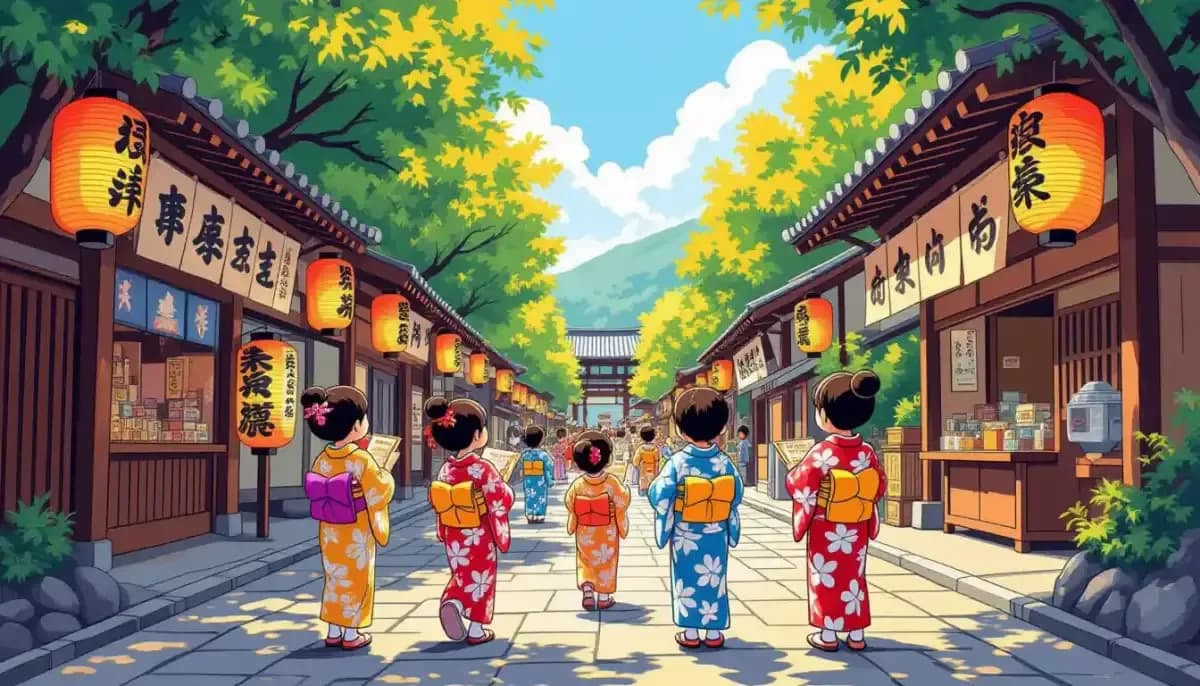
Complete guide to cultural arts festivals and children participation in Japan for expat families. Covers bunkasai, Shichi-Go-San, Kodomo no Hi, matsuri traditions, and how foreign children can participate fully.
Cultural Arts Festivals and Children's Participation in Japan: A Complete Guide for Expat Families
Japan is a country where festivals are woven into the very fabric of daily life. From neighborhood bon odori dances to grand school bunkasai (cultural festivals), children are at the heart of Japan's rich tradition of communal celebration. For foreign families raising children here, these events offer an extraordinary window into Japanese culture — and a genuine opportunity for your kids to belong, create, and connect.
This guide covers everything expat parents need to know about cultural arts festivals in Japan: the major celebrations dedicated to children, how school festivals work, how to participate as a foreign family, and practical tips for making the most of Japan's festival culture year-round.
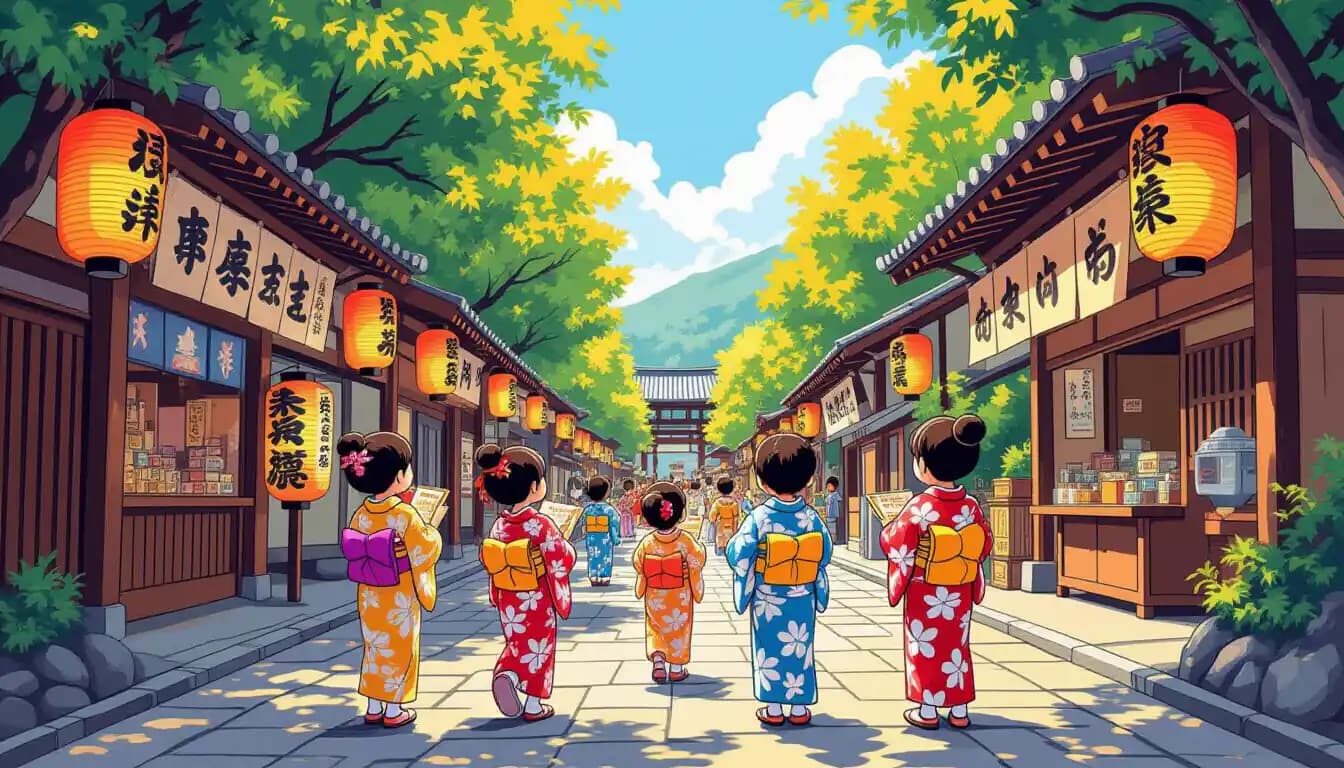
Japan's Festival Culture: Scale and Significance
The sheer scale of Japan's festival culture is difficult to overstate. According to data compiled by Statista, Japan holds approximately 1,200 major cultural festivals annually. When all local neighborhood events, school celebrations, and community gatherings are counted, the number reaches an estimated 300,000 small-sized festivals per year nationwide. This makes Japan one of the most festival-dense societies on earth.
For children — both Japanese and foreign — this means that growing up in Japan means growing up surrounded by music, color, performance, and communal art. Festivals here are not passive spectator events. Children throw beans at demons during Setsubun. They parade in kimono at Shichi-Go-San. They perform on stage at school bunkasai and build elaborate floats for local matsuri. Participation is the norm, not the exception.
This culture of active childhood involvement in the arts has deep roots. Historically, festivals were the primary mechanism through which communities transmitted culture, values, and artistic traditions to the next generation. That function is very much alive today, even as the forms evolve.
School Bunkasai (Cultural Festival): Where Children Become Creators
The centerpiece of Japan's school-based arts festival culture is the Bunkasai (文化祭), or school cultural festival. Almost every Japanese school — from kindergarten through university — holds one annually, typically in autumn (September through November).
What makes bunkasai remarkable is the degree of student ownership. These are not events organized by teachers for students to perform in. Students plan, budget, design, build, rehearse, and execute the entire festival themselves, with teachers in an advisory role. A student-led executive committee coordinates across the school months in advance.
What Happens at Bunkasai?
According to JNTO's official education guide, the most popular programs at school cultural festivals include:
- Dance performances — often original choreography by student groups
- Band concerts — both school club performances and student-organized bands
- Food and beverage booths — students run actual food stalls, handling everything from procurement to cooking to customer service
- Haunted houses — elaborate student-built scare experiences
- Art and science exhibitions — showcasing work from the year
- Theater productions — full plays, comedy sketches, and musicals
- Craft workshops — where visitors can try making things alongside students
JNTO notes that "All students participate" in bunkasai, calling this level of universal involvement "unusual in the world." For foreign children enrolled in Japanese public schools, participation in bunkasai is full and equal — your child will be on the planning committee, running food stalls, and performing on stage just like their Japanese classmates.
Some schools take the concept even further. For example, certain high schools run "Entrepreneur Experience Programs" as part of their bunkasai, where student classes establish registered stock corporations, manufacture products, market them at the festival, and formally dissolve the company afterward — a hands-on business education wrapped in a cultural arts event.
For more on how Japanese school culture works for foreign families, see the JNTO official school culture festivals guide.
Can Expat Parents Attend?
Yes — in general, school cultural festivals at the high school and university level are open to the public. Elementary and junior high school bunkasai may be limited to families, but most will welcome anyone accompanying a student. Contact the school office in advance if you are unsure. Attending bunkasai at your child's school is one of the best ways to understand Japanese school culture from the inside.
At kindergarten and nursery school level, the equivalent event is called Seikatsu-happyō-kai (生活発表会) — "Daily Life Presentation Gatherings." These are intimate events focused on younger children performing simple songs, group skits, and exhibitions of their daily activities. They are always held for families and are among the most emotionally resonant experiences of the expat parenting journey.
Traditional Festivals Dedicated to Children
Beyond school festivals, Japan's calendar is marked by several traditional celebrations that place children at the center of the festivities.
Shichi-Go-San (七五三) — November 15
Shichi-Go-San — literally "Seven-Five-Three" — is one of Japan's most beloved childhood rites of passage. On (or around) November 15, families bring children aged 3, 5, and 7 to Shinto shrines dressed in formal attire: kimono for girls, hakama for boys. The tradition marks key milestones in childhood and has roots in antiquity, when these ages were considered significant survival thresholds given historically high infant mortality rates.
At the shrine, children receive blessings and are given chitose-ame — long red-and-white candy whose name means "thousand-year candy," symbolizing a wish for long life. Tokyo's Meiji Shrine is among the most popular venues, drawing thousands of families in November. The visual spectacle of small children in formal kimono walking through forested shrine grounds is one of Japan's most photographed traditions.
For foreign families, participating in Shichi-Go-San is entirely accessible. Kimono rental services are available near major shrines, and shrine priests do not require family members to be Japanese. The blessing ceremony itself is conducted in Japanese but is easy to follow. This is one of the most meaningful ways to integrate your child into Japanese cultural life.
Kodomo no Hi (こどもの日) — May 5
Children's Day, a national holiday, falls on May 5 during Golden Week. Originally celebrated as Tango no Sekku — a male-only holiday — it was renamed Kodomo no Hi in 1948 to celebrate all children and to express gratitude to mothers.
The most visible symbol of Kodomo no Hi is the koinobori — large carp-shaped windsocks flown from poles outside homes, on bridges, and at parks. Carp are considered symbols of strength and determination in Japanese culture (they swim upstream), making them an ideal emblem of childhood aspiration. Families with sons traditionally display kabuto (samurai helmet replicas) indoors. Tokyo Tower and Roppongi Hills both host large public koinobori festivals that anyone can enjoy.
On this day, many shopping centers and cultural venues run special children's programming: hands-on crafts, career experience events where children aged 6-12 try jobs like food preparation and retail sales, and traditional arts demonstrations.
Setsubun (節分) — February 3
While not exclusively a children's festival, Setsubun is one that children adore. On this day marking the transition between seasons, the tradition of mame-maki (bean throwing) is practiced across Japan: participants throw roasted soybeans at someone wearing an Oni (demon) mask while shouting "Oni wa soto! Fuku wa uchi!" ("Demons out! Good fortune in!"). Children then eat a number of beans equal to their age to bring good health for the year.
Major shrine events draw large crowds, and virtually every Japanese kindergarten and elementary school stages a mame-maki event — often with teachers dressed as Oni getting pelted with beans by gleeful children. If your child attends a Japanese school, Setsubun will be one of their favorite school days of the year.
Hina Matsuri (雛まつり) — March 3
Hina Matsuri, the Doll Festival, is dedicated to girls and held on March 3. Families display tiered platforms of ornate imperial court dolls (hina ningyo) in the weeks before the festival, then put them away promptly after — a tradition that, according to folklore, ensures girls will find happiness in marriage.
Notable public Hina Matsuri events include the Hyakudan Hinamatsuri at Hotel Gajoen in Tokyo, where hundreds of elaborate doll sets are displayed across the venue's famous stepped-corridor architecture. The Shimogamo Shrine in Kyoto holds a river-float ceremony where doll effigies are set afloat on the Kamo River to carry away bad fortune.
For foreign families raising girls in Japan, participating in Hina Matsuri — even just setting up a small doll display at home — is a meaningful way to honor your daughter and connect with Japanese tradition. Hina ningyo sets are available at department stores across Japan from January through March.
Hamamatsu Kite Festival (May 3-5): Celebrating Newborn Boys
During Golden Week, the Hamamatsu Matsuri in Shizuoka Prefecture celebrates the birth of boys born in the past year through a spectacular kite-flying competition. Teams fly large kites bearing the names of newborn boys from sand dunes near the sea, attempting to cut competitors' kite strings. The tradition dates to the 16th century and involves over 100 kites. In the evening, ornate festival floats parade through the city center.
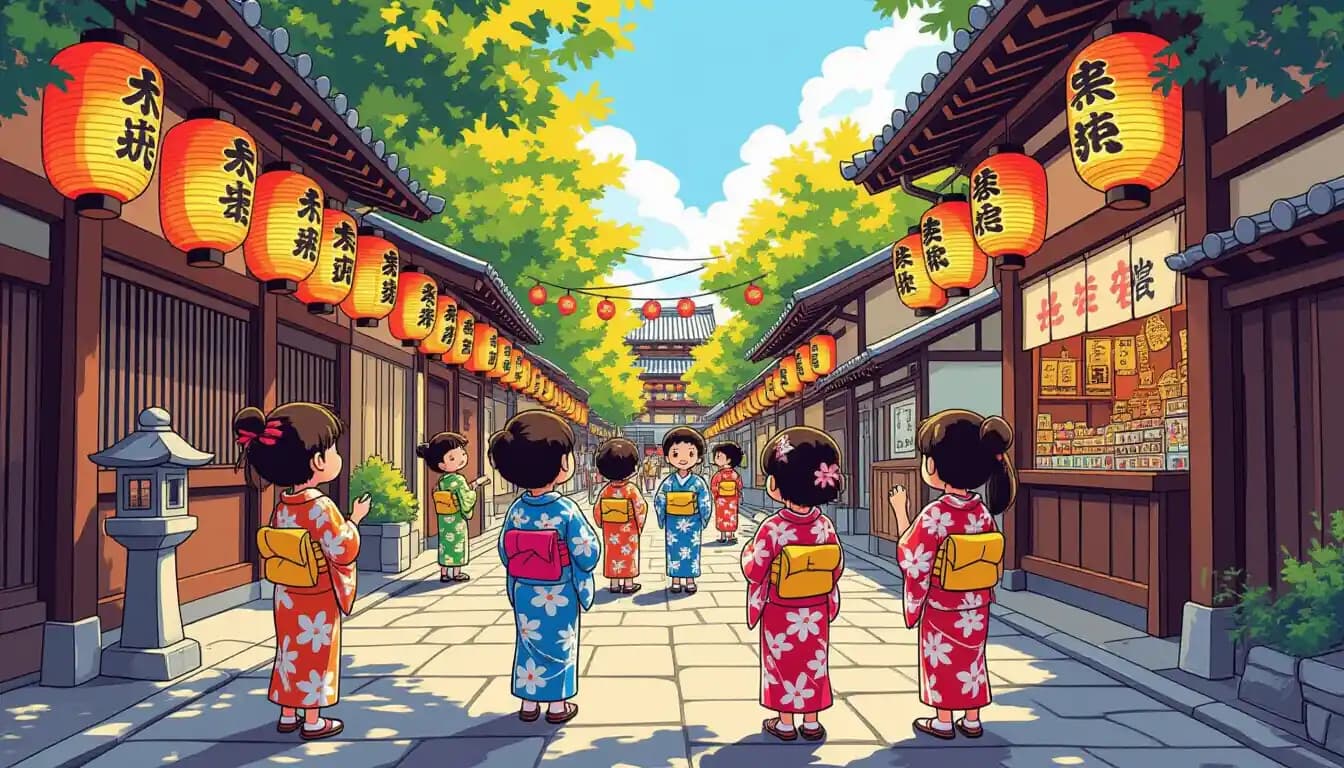
Contemporary Art Festivals: Cultural Experiences for the Whole Family
Japan's contemporary arts festival scene offers another layer of cultural participation, one that has grown significantly in recent decades. These large-scale events combine art, community engagement, and educational programming in ways that are excellent for families.
| Festival | Location | Season | Family/Children Element |
|---|---|---|---|
| Setouchi Triennale | 17 islands, Seto Inland Sea | 3 seasons, 100 days | Island exploration, outdoor art, guided tours |
| Aichi Triennale | Aichi Prefecture | Autumn | Workshops, guided tours, volunteer programs |
| NARA HANARART | Nara | Spring/Autumn | Historic townhouse exhibitions, local crafts, community activities |
| Osaka Kansai International Art Festival | Osaka | 2025 (linked to Expo) | Social impact focus, multiple community venues |
| Echigo-Tsumari Art Field | Niigata | Summer | Outdoor sculptures in rice fields, children's programs |
These festivals provide excellent opportunities for older children (ages 8 and up) to engage with contemporary art in immersive outdoor environments. The Setouchi Triennale in particular turns island-hopping into an art treasure hunt, making it a genuinely unforgettable family travel experience.
For more information on Japan's contemporary arts festival scene, see the JNTO Japan Magazine guide to art festivals in 2025.
How Foreign Children Can Participate in Traditional Matsuri
Community matsuri (festivals) are held throughout Japan across the spring and summer seasons, typically organized by local shrines and neighborhood associations. They are almost universally welcoming to foreign residents. Here is how your children can participate actively rather than just watch:
Bon Odori Dancing
Bon Odori folk dances are performed at summer Obon festivals across Japan (typically July-August depending on region). The dances are deliberately designed to be accessible: movements repeat in simple cycles so that anyone can join by watching and copying the people around them. Children pick it up within minutes. Wearing a yukata (casual summer kimono) enhances the experience and signals active participation — yukata are widely available for rent at festival venues or can be purchased affordably at department stores and second-hand shops.
Festival Games and Crafts
Most large matsuri feature yatai (food stalls) and game booths where children can try:
- Kingyo-sukui — goldfish scooping with a fragile paper scoop
- Yo-yo tsuri — fishing for water-balloon yo-yos
- Wanage — ring toss
- Amezaiku — watching (and sometimes trying) candy sculpture art
- Daruma doll painting — decorating your own daruma with a wish
Practical note: most yatai only accept cash. Bring coins and small bills when attending matsuri with children, as card payment is rarely available.
Halloween and Contemporary Children's Events
While not traditional Japanese, Halloween has been enthusiastically adopted — particularly in urban areas. The Harajuku Omotesando Hello Halloween Parade in Tokyo is a standout family event where over 1,000 children parade in costumes along the 1km Omotesando boulevard, with a participation fee of approximately 1,000 yen for children aged 12 and under. For a full list of Tokyo family events, the Magical Trip kids events guide is regularly updated with practical details.
The Future of Festival Culture: Challenges and Opportunities
Japan's festival culture faces significant structural challenges. Research published on Nippon.com found that sustaining a traditional matsuri typically requires a minimum of approximately 25 households of active participants. With over 20,000 Japanese communities now having majority populations aged 65 and over, and with Japan's birth rate continuing to decline, many rural festivals are genuinely at risk.
Some festivals have already been discontinued. The Sominsai in Iwate Prefecture — a 1,000-year-old festival — was sustained by only about 10 elderly households before it was held for the last time in 2024. This is a broader pattern across rural Japan.
For foreign families, this context matters: in some communities, your children's participation in local festivals may be genuinely welcomed not just culturally but practically — as a contribution to keeping a living tradition alive. This creates a meaningful opportunity for expat families to integrate into community life in a way that goes beyond mere observation.
For broader context on Japanese community life and raising children in Japan, resources like Living in Nihon and For Work in Japan provide helpful guides for foreign residents navigating daily life. For families whose children are preparing for Japanese middle school or high school entry, Chuukou Benkyou covers entrance exam preparation in detail.
Practical Guide: Festival Participation by Age Group
| Child's Age | Recommended Festivals | Participation Level | Tips |
|---|---|---|---|
| 0-2 years | Hina Matsuri (display at home), local matsuri | Observer | Keep visits short; bring carriers/strollers |
| 3-5 years | Shichi-Go-San, Kodomo no Hi, nursery happyokai | Active participant | Arrive early for shrine visits; bring snacks |
| 6-10 years | Bunkasai (school), Bon Odori, Setsubun, summer matsuri | Full participant | Let them try yatai games independently |
| 10-14 years | Bunkasai (leading roles), contemporary art festivals | Leader/creator | Encourage them to join planning committees |
| 15+ years | Bunkasai (executive committee), volunteer at community matsuri | Organizer | Some festivals recruit high school volunteers |
Building Bilingual, Bicultural Festival Memories
One of the most valuable aspects of raising children in Japan is the opportunity to participate in a living arts and festival culture that has no equivalent in most other countries. For children growing up here, bunkasai memories — the nervous excitement before going on stage, the exhaustion of managing a food stall, the pride of a performance gone right — often become among their most vivid and formative experiences.
For expat families, festivals serve an additional function: they create shared reference points between your children and their Japanese peers that transcend language. A child who has thrown beans at an Oni, helped set up a food stall at bunkasai, or danced Bon Odori has something genuine in common with every Japanese person who did the same.
If you are in the early stages of navigating Japanese school enrollment and cultural integration for your children, our guides on elementary school in Japan and raising bilingual children in Japan provide detailed, practical starting points. For healthcare and wellbeing considerations as you settle in, see our healthcare guide for children in Japan.
The festivals are waiting. Bring your family and join in.
For more information on school culture festivals at Japanese schools, see the official JNTO Education guide. For a comprehensive guide to traditional children's festivals, visit Japan Experience. For practical festival participation tips, see the ANA Matsuri Guide.

Originally from Vietnam, living in Japan for 16+ years. Graduated from Nagoya University, with 11 years of professional experience at Japanese and international companies. Sharing practical information for foreign parents raising children in Japan.
View Profile →Related Articles
How to Support Your Creative Child in Japan
Discover how to nurture your creative child in Japan through traditional crafts, naraigoto lessons, bilingual expression, and smart use of Japan's generous family support programs. A complete guide for foreign parents.
Read more →
Art Competitions and Exhibitions for Children in Japan
Complete guide to art competitions and exhibitions for children in Japan. Discover Pentel ICAE, JQA Environmental Drawing Contest, top museums, and tips for expat families supporting young artists.
Read more →
Digital Art and Animation Classes for Kids in Japan
A complete guide for expat families: find English-friendly digital art and animation classes for kids in Japan, from iPad studios to bilingual workshops in Tokyo and beyond.
Read more →
Community Art Programs and Workshops for Kids
Discover community art programs and workshops for kids in Japan. Find English-friendly studios, costs, and tips for expat families to enroll children in art classes.
Read more →
Best Museums and Art Galleries for Children in Japan
Discover the best museums and art galleries for children in Japan — from Tokyo's Ghibli Museum and teamLab to Railway Museum and Kids Plaza Osaka. Practical tips, admission prices, and age-by-age recommendations for foreign families.
Read more →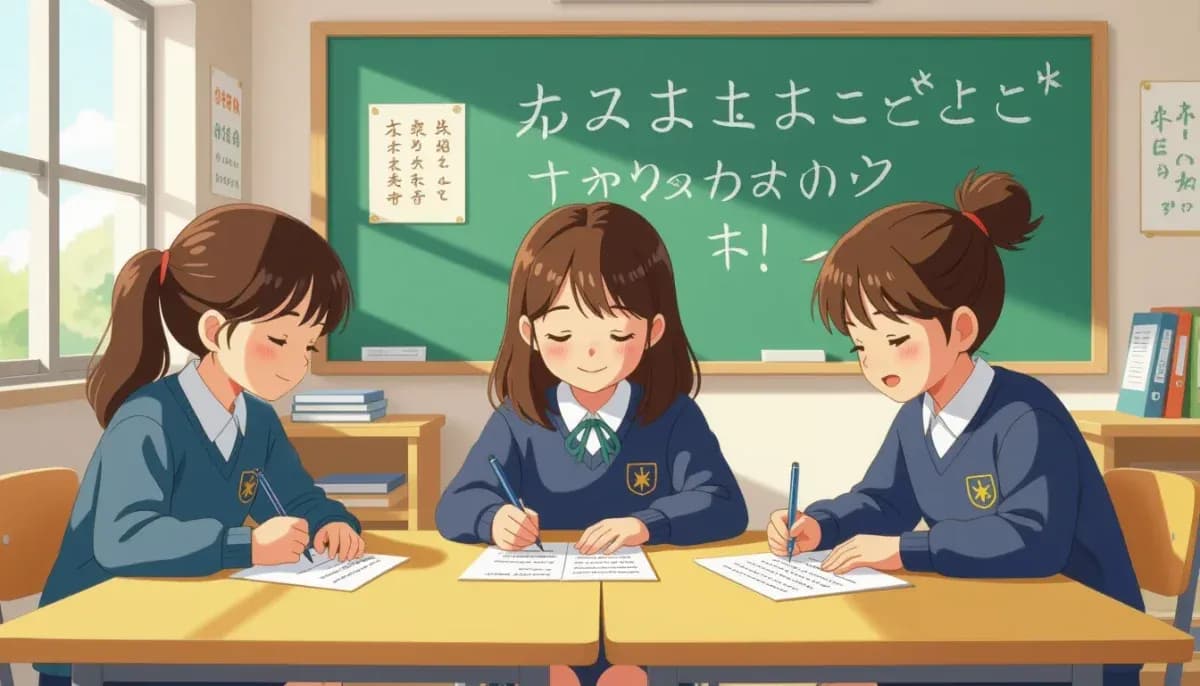
Creative Writing and Poetry for Kids in Japan
Discover haiku, tanka, zuihitsu, and English-language writing programs for children in Japan. A complete guide for expat families supporting young writers.
Read more →