
Digital Art and Animation Classes for Kids in Japan

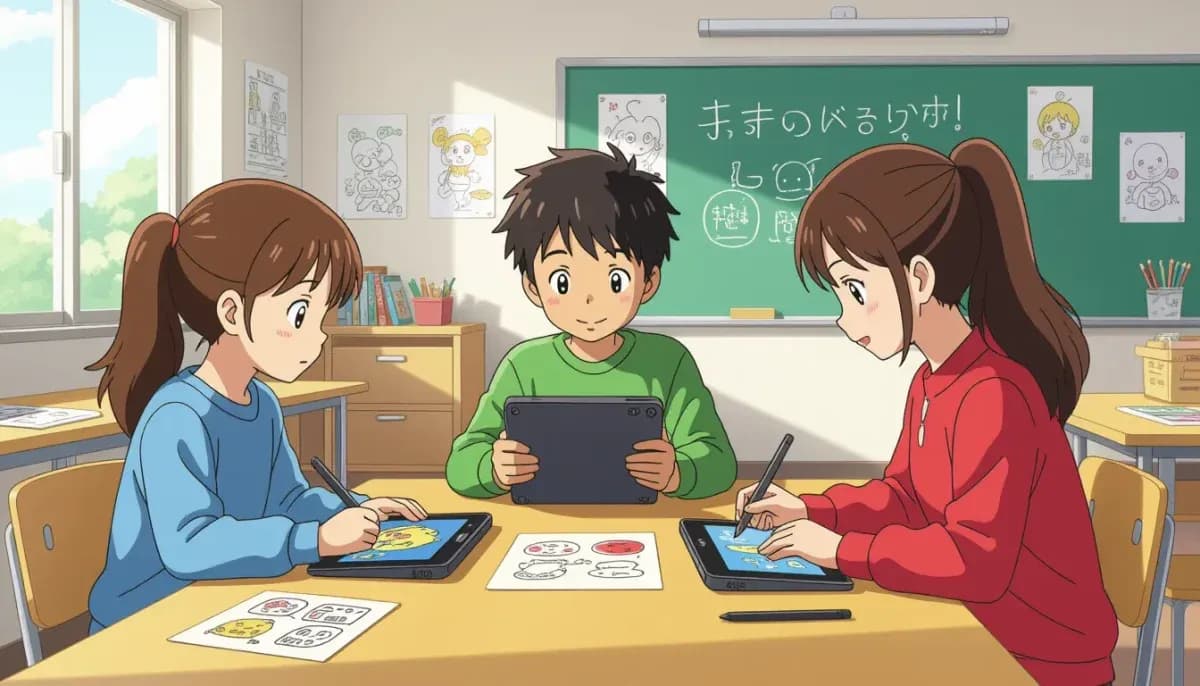
A complete guide for expat families: find English-friendly digital art and animation classes for kids in Japan, from iPad studios to bilingual workshops in Tokyo and beyond.
Digital Art and Animation Classes for Kids in Japan: A Complete Guide for Foreign Families
Japan is the undisputed home of anime and manga — and that creative culture runs deep, influencing art education at every level. For foreign families raising children in Japan, enrolling kids in digital art or animation classes is one of the most exciting ways to connect with local culture while nurturing real creative skills. Whether your child dreams of drawing manga characters, animating their own short films, or simply exploring digital tools in a supportive environment, Japan offers a surprisingly rich landscape of options — including many accessible to non-Japanese speakers.
This guide covers everything expat parents need to know about digital art and animation classes for kids in Japan: what's available, how to find English-friendly programs, what to expect, and how to support your child's creative journey in this uniquely inspiring country.
Why Japan Is a Remarkable Place for Kids to Learn Digital Art and Animation
Japan produces more animation than almost any other country on Earth. The anime industry generated a record 3.35 trillion yen in revenue in 2023, and the global anime market is projected to reach $47.8 billion by 2027. This industry doesn't just dominate screens — it shapes school culture, fuels countless afterschool clubs, and inspires millions of young people to pick up a stylus or drawing tablet.
For children growing up in Japan, digital art and animation are not niche hobbies. Anime and manga are taught in schools as recognized cultural subjects. Bookstores dedicate entire floors to how-to-draw manga books. Stationary shops sell professional illustration supplies next to children's pencil cases. Your child is surrounded by creative inspiration at every turn.
This cultural saturation means:
- Peer motivation is high — classmates likely share your child's interests
- Materials and tools are widely available at affordable prices
- Professional-grade schools exist across major cities
- After-school and weekend programs cater specifically to children
- English-friendly options are increasingly available in metropolitan areas
Even if your child doesn't speak Japanese fluently, learning digital art in Japan is achievable — and the exposure to Japan's animation tradition is an education in itself.
Types of Digital Art and Animation Programs Available for Kids
Understanding the landscape of options helps you choose the right fit for your child's age, skill level, and language comfort.
After-School Creative Studios
These are informal programs that meet weekly, often in community spaces, private studios, or dedicated art schools. They typically welcome children from age 5 or 6 and focus on:
- Digital drawing using tablets (often iPads or Wacom tablets)
- Introduction to software like Clip Studio Paint, Procreate, or Adobe Fresco
- Character design, illustration, and basic animation principles
- Mixed media combining traditional and digital techniques
Prices typically range from ¥5,000–¥15,000 per month for weekly sessions.
iPad-Based Creative Schools
A newer format pioneered in Japan is tablet-centric creative education. iPadmate Kids, founded in Japan in 2020, is recognized as Japan's first creative school using iPad as the primary tool. Programs combine digital drawing, animation, storytelling, and even basic coding through an intuitive, child-friendly curriculum. This approach has proven highly engaging for younger children (ages 5–12) who find tablet interfaces natural and approachable.
Workshop-Based Programs
One-off or short-series workshops at art studios are ideal for families not ready to commit to monthly enrollment. Tokyo has several studios offering bilingual or English-friendly workshops for children. Artbar Tokyo — with locations in Daikanyama, Harajuku, Ueno, Yokohama, and Osaka — offers kids' classes with bilingual instructors starting from around ¥5,500 per session (approximately 2 hours). These are great for trying digital art in a low-pressure setting.
Coding + Digital Art Hybrid Programs
Japan has seen strong growth in STEM and creative coding programs for children. Coding Lab offers computer programming for ages 6–17 with all lessons conducted entirely in English — making it one of the most accessible choices for expat families. These programs blend logical thinking with creative output, often including digital animation and game design as project outcomes.
Junior Animation Clubs and School Programs
Many Japanese elementary and junior high schools have art clubs (美術部, bijutsu-bu) that incorporate digital tools. International schools in Japan often include art technology in their curriculum. If your child attends a Japanese public school, encouraging them to join the art club (or manga club, where one exists) is a wonderful and low-cost way to engage with digital creative work alongside Japanese peers.
English-Friendly Digital Art Classes for Kids in Japan
For families whose children are not yet comfortable in Japanese, finding English-friendly instruction is a priority. Here are well-regarded options:
| Program | Location | Language | Age Range | Approx. Cost |
|---|---|---|---|---|
| Artbar Tokyo | Tokyo (5 locations), Osaka | Bilingual EN/JP | 5 and up | ¥5,500/session |
| Art.Wine Tokyo | Ueno, Hiroo | English available | 6 and up | ¥6,600/session |
| Tokyo International Art School | Tokyo | Bilingual EN/JP | 4 and up | Contact for fees |
| iPadmate Kids | Online + Tokyo area | Japanese (beginner-friendly) | 5–12 | ¥5,000–¥8,000/mo |
| Coding Lab | Tokyo | English | 6–17 | ¥15,000–¥20,000/mo |
| Kspace International School | Tokyo | English-centric | 6–15 | Contact for fees |
| Miro Art Labo | Tokyo | Japanese | 3–12 | ¥5,000–¥10,000/mo |
| Kyoto Handicraft Center | Kyoto | Bilingual EN/JP | All ages | ¥2,200/session |
Tokyo International Art School offers fully bilingual instruction designed to develop creativity through art in both English and Japanese — an ideal bridge for children navigating bilingual life in Japan. You can find more strategies for supporting bilingual children at /raising-bilingual-children-japan-strategies.
Artbar Tokyo and Art.Wine Tokyo are particularly popular among the expat community, with instructors comfortable working with English-speaking children. Both studios regularly update their class schedules and offer special holiday workshops.
For families based outside Tokyo, similar bilingual or English-friendly programs can be found in Osaka, Nagoya, Fukuoka, and Kyoto. The Japan Living Guide's classes for children section maintains an updated listing of kids' programs across Japan.
What Your Child Will Learn: Skills and Curriculum
Modern digital art and animation classes for children in Japan typically cover:
Foundational Art Skills
- Line quality and gesture drawing
- Color theory and composition
- Character design basics (proportions, expression, personality)
- Perspective and background drawing
Digital Tools and Software
- Clip Studio Paint — the industry-standard manga and illustration tool, widely used even in beginner classes
- Procreate (iPad) — intuitive for younger children
- Adobe Fresco / Photoshop — introduced at intermediate levels
- Stop-motion animation apps — accessible entry point for young animators
- Adobe Animate / Toon Boom — for more advanced or teen-oriented programs
Animation Fundamentals
- The 12 principles of animation (adapted for children)
- Keyframing and in-between drawing
- Creating simple character loops and expressions
- Storyboarding short scenes
- Exporting and sharing finished animations
Cultural and Creative Context
Being in Japan, children naturally absorb manga storytelling conventions, anime visual language, and the aesthetic sensibilities that make Japanese illustration distinctive. This cultural immersion is an irreplaceable bonus that no course abroad can replicate.
Finding the Right Program: Practical Tips for Expat Parents
Start with a Trial Class
Most studios offer a trial session (体験レッスン, taiken ressun) at reduced cost. This lets your child experience the teaching style, classroom dynamic, and tools before committing to enrollment.
Ask About Language Support
Even nominally Japanese-only classes often have instructors willing to communicate in simple English with younger children. Reach out in advance and explain your child's situation — Japanese teachers are generally very accommodating toward foreign children.
Check for Portfolio Opportunities
Some programs culminate in exhibitions, online showcases, or student portfolios. These provide wonderful motivation for children and tangible proof of progress for scholarship applications and school admissions later on.
Consider the Technology Setup
Find out whether the school provides devices (tablets, styluses) or if you need to purchase them. Many programs work with iPads using the Apple Pencil — a setup you can replicate at home for additional practice. Wacom tablets (connected to a laptop or PC) are common in more advanced programs.
Connect with Expat Parent Networks
GaijinPot's guide to English-friendly art workshops and Facebook groups like "Tokyo Families" and "Expat Kids in Japan" are active communities where parents share up-to-date recommendations for their specific city and neighborhood.
For broader guidance on navigating children's education in Japan, Living in Nihon covers a wide range of topics for foreign residents, and For Work in Japan offers useful resources for families relocating for work. You can also find supplementary Japanese study resources at Chuukou Benkyou if your child needs support alongside their art studies.
Supporting Your Child's Digital Art Journey at Home
Enrollment in a class is a great start, but your child's creative growth accelerates with home support:
Build a Practice-Friendly Setup
Even a basic iPad with Procreate (a one-time purchase of around ¥1,630) provides hours of practice opportunity. Pair it with an Apple Pencil for a professional-feeling experience. For PC users, an entry-level Wacom Intuus tablet costs around ¥8,000–¥12,000 and works with Clip Studio Paint's free trial.
Explore Japan's Animation Heritage Together
Visit the Suginami Animation Museum (free admission) in Tokyo for an immersive look at how anime is made, including hands-on activities for children. The Ghibli Museum in Mitaka (advance booking required) offers a magical introduction to the art of animation for younger children.
Follow Japanese Illustration Communities
Platforms like Pixiv (Japan's leading digital art sharing site) allow children to explore work by thousands of amateur and professional Japanese illustrators. Many Japanese artists share tutorials on YouTube, which can supplement classroom learning even for non-Japanese speakers.
Encourage Cross-Cultural Creative Projects
Encourage your child to create art that blends their home culture with Japanese influences — bilingual comics, anime-style characters from their home country's folklore, or animated stories that weave together multiple cultural threads. This kind of creative synthesis is deeply valuable for children navigating cultural identity as part of a foreign family.
Pathways: From Kids' Classes to Formal Study
If your child develops serious passion for digital art and animation, Japan offers world-class formal education pathways. Understanding these helps you support long-term ambitions:
- Junior high and high school art clubs provide structured peer learning and competition opportunities
- Vocational animation schools (like Yoyogi Animation Gakuin — the oldest in Japan, whose alumni worked on Detective Conan and Pokémon) offer 2–3 year post-high-school programs
- University programs including Kyoto Seika University (~30% international students), Digital Hollywood University (92% employment rate), and Tokyo University of the Arts provide degree pathways
- Formal programs typically require JLPT N3–N4 minimum Japanese proficiency; some programs require N1–N2 for university admission
For families planning to stay in Japan long-term, building Japanese language skills alongside creative skills opens every door. Resources for teaching Japanese to foreign children can help complement art class enrollment.
Artful Japan's guide on art schools in Japan for foreigners provides an excellent overview of formal study options across the country.
Costs and Financial Considerations
Digital art education in Japan is generally affordable compared to similar programs in North America or Europe:
| Type of Program | Monthly / Per-Session Cost | Notes |
|---|---|---|
| After-school studio (weekly) | ¥5,000–¥15,000/mo | Most common format |
| iPad/tablet creative school | ¥5,000–¥8,000/mo | Home device required |
| English-language workshop | ¥5,500–¥8,800/session | No commitment needed |
| Bilingual art school | ¥15,000–¥25,000/mo | Premium programs |
| Coding + animation (English) | ¥15,000–¥25,000/mo | Strong for bilingual families |
| Free options | Free | School clubs, community centers |
Some municipal community centers (公民館, kōminkan) offer subsidized or free art workshops for children — worth checking with your local ward office. Government benefits and subsidies for families in Japan may also cover certain educational activities depending on your residency status.
Conclusion: Let Japan's Creative Culture Inspire Your Child
Japan's extraordinary animation heritage and thriving creative arts scene make it an ideal environment for children who love to draw, design, and imagine. Whether your child joins a bilingual art studio in Tokyo, experiments with Procreate on an iPad at home, or one day joins a school manga club, they are engaging with a living cultural tradition that spans generations.
As a foreign parent, you have the wonderful advantage of raising a child in the country where anime was born — a country that takes visual storytelling seriously as art, culture, and craft. The classes, tools, and communities are there waiting. All it takes is finding the right fit for your family and giving your child the space to create.
For more on raising children as a foreign family in Japan, explore our complete guide to the Japanese education system and our resources on mental health and emotional wellbeing for foreign children.

Originally from Vietnam, living in Japan for 16+ years. Graduated from Nagoya University, with 11 years of professional experience at Japanese and international companies. Sharing practical information for foreign parents raising children in Japan.
View Profile →Related Articles
Cultural Arts Festivals and Children's Participation
Complete guide to cultural arts festivals and children participation in Japan for expat families. Covers bunkasai, Shichi-Go-San, Kodomo no Hi, matsuri traditions, and how foreign children can participate fully.
Read more →
How to Support Your Creative Child in Japan
Discover how to nurture your creative child in Japan through traditional crafts, naraigoto lessons, bilingual expression, and smart use of Japan's generous family support programs. A complete guide for foreign parents.
Read more →
Art Competitions and Exhibitions for Children in Japan
Complete guide to art competitions and exhibitions for children in Japan. Discover Pentel ICAE, JQA Environmental Drawing Contest, top museums, and tips for expat families supporting young artists.
Read more →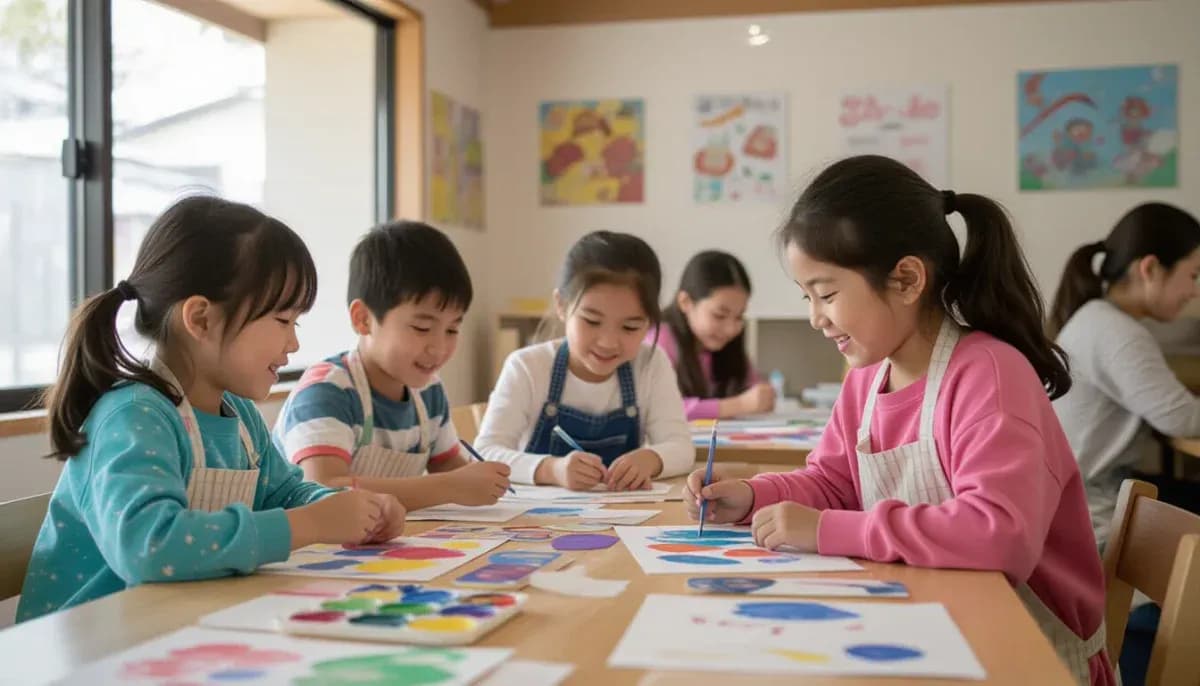
Community Art Programs and Workshops for Kids
Discover community art programs and workshops for kids in Japan. Find English-friendly studios, costs, and tips for expat families to enroll children in art classes.
Read more →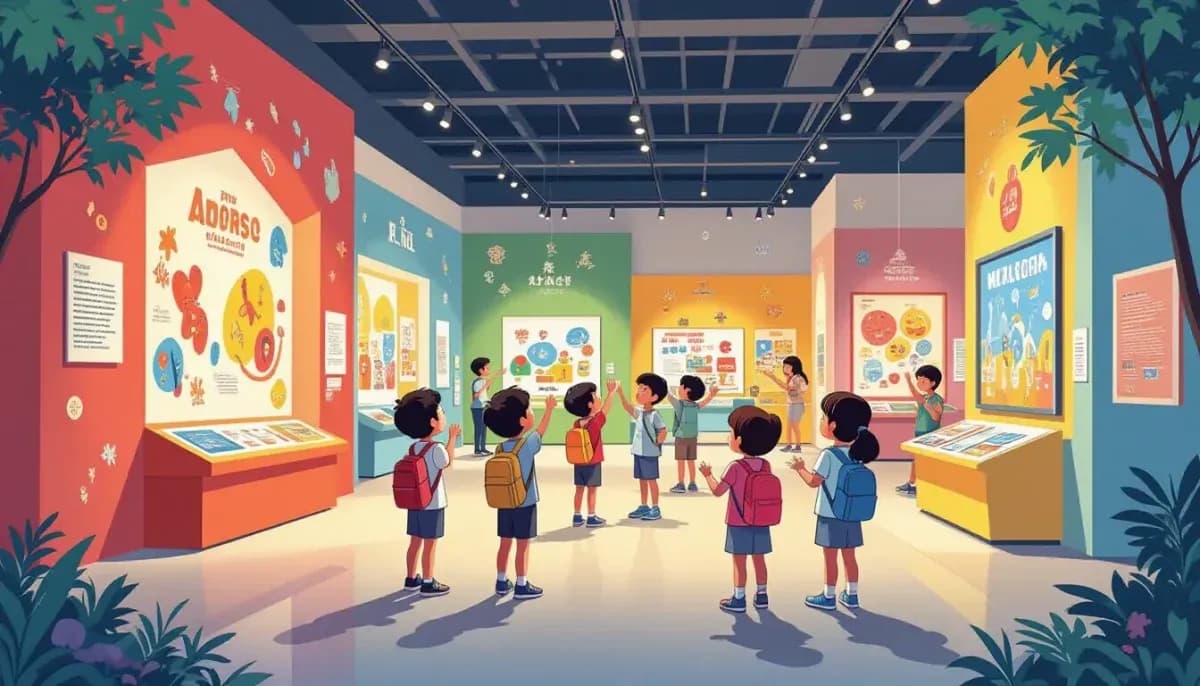
Best Museums and Art Galleries for Children in Japan
Discover the best museums and art galleries for children in Japan — from Tokyo's Ghibli Museum and teamLab to Railway Museum and Kids Plaza Osaka. Practical tips, admission prices, and age-by-age recommendations for foreign families.
Read more →
Creative Writing and Poetry for Kids in Japan
Discover haiku, tanka, zuihitsu, and English-language writing programs for children in Japan. A complete guide for expat families supporting young writers.
Read more →