Arts, Music, and Creative Development for Children in Japan
Japan has long been celebrated for its rich artistic heritage and its dedication to nurturing creativity in young people. From traditional arts like calligraphy and koto to contemporary music programs and international art schools, children growing up in Japan — whether Japanese or foreign-born — have access to an extraordinary range of creative opportunities. For expat families wondering how to support their child's artistic development while living in Japan, this comprehensive guide covers everything you need to know.
Arts and Music in the Japanese School Curriculum
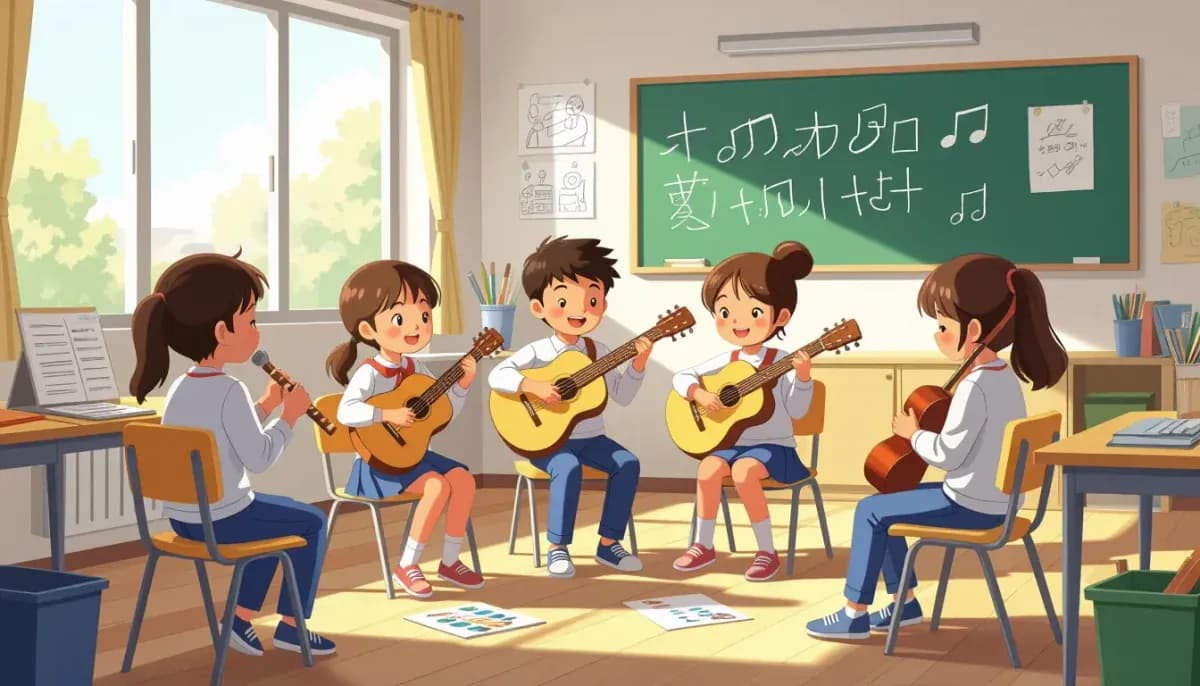
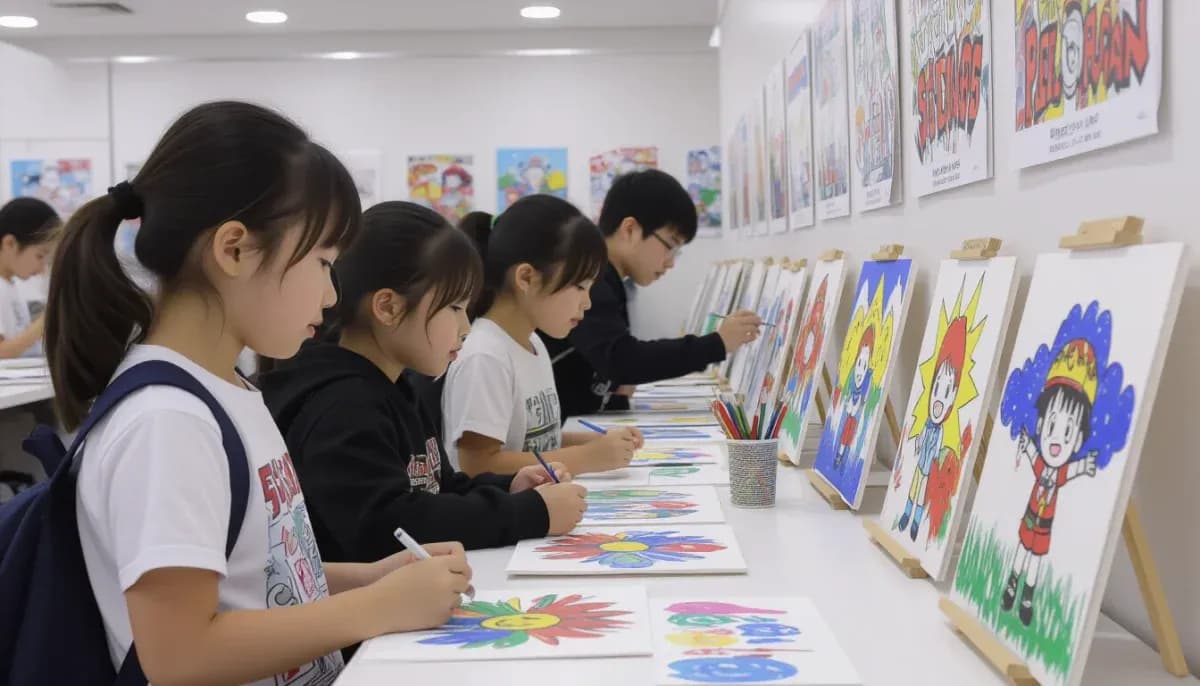
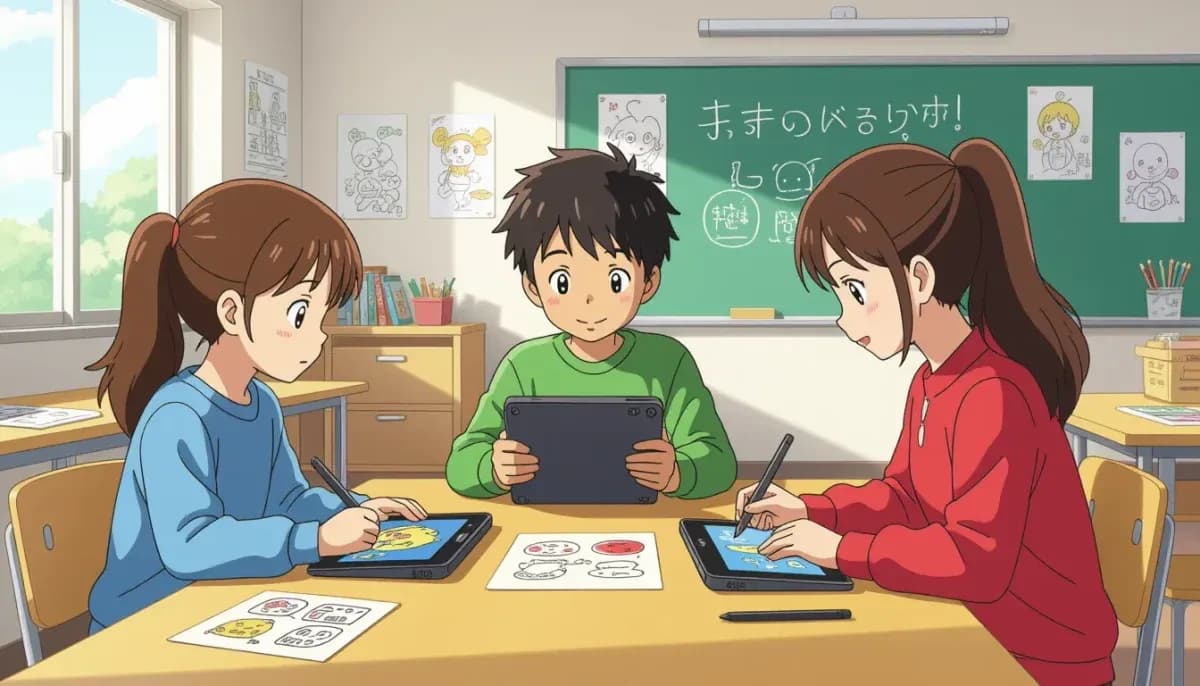
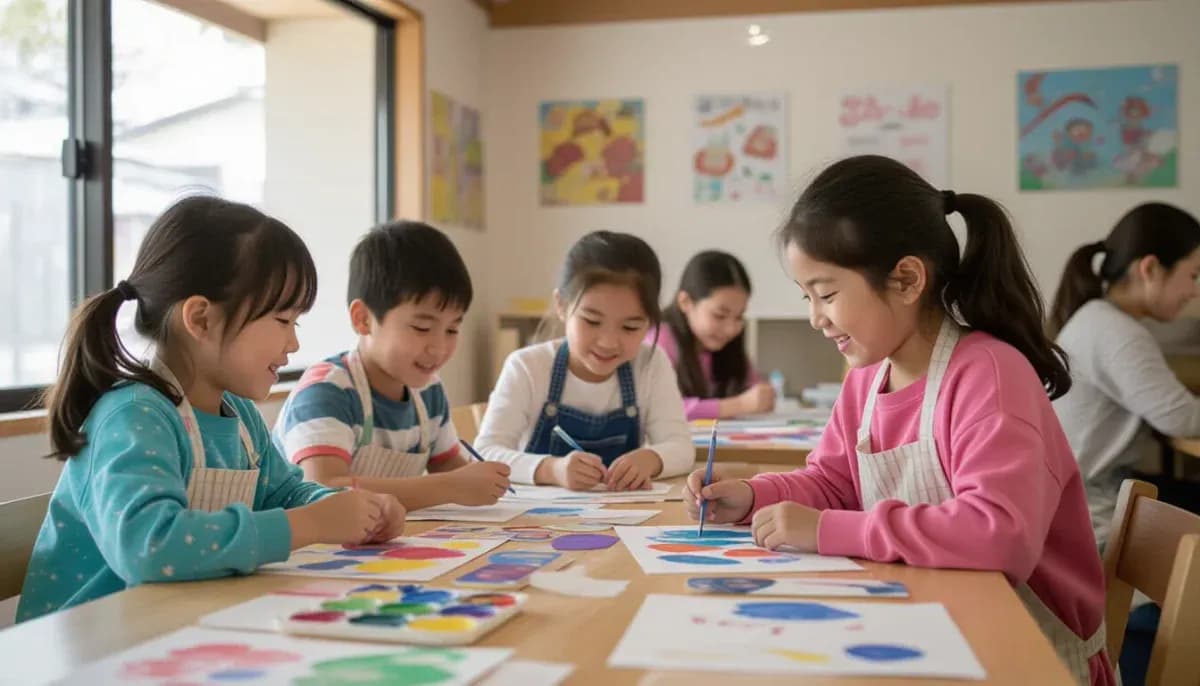
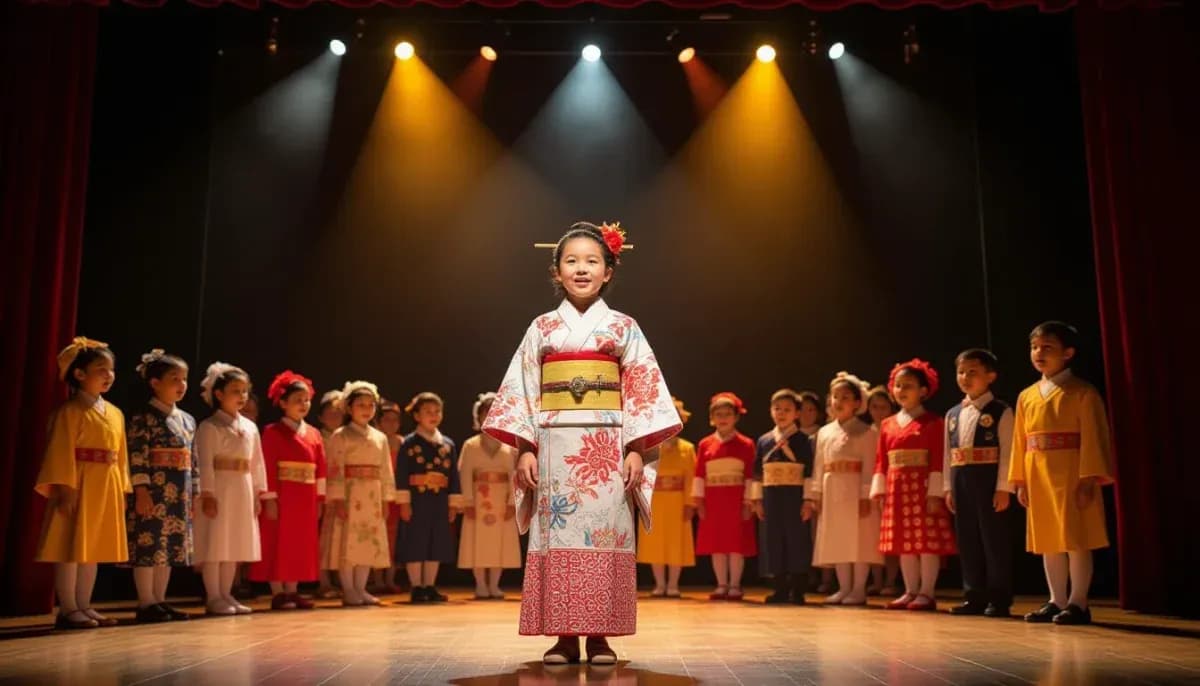
Arts and music are not optional extras in Japan — they are core mandatory subjects at every level of compulsory education. Under the guidelines set by MEXT (Ministry of Education, Culture, Sports, Science and Technology), all elementary school and junior high school students receive regular instruction in fine arts, music, and often calligraphy.
What sets Japan apart is the depth of this instruction. Japanese elementary school students often perform musical pieces at a level typically reserved for high schoolers in Western countries. School concerts and art exhibitions are major events in the school calendar, taken seriously by students, teachers, and parents alike. By the time a child finishes junior high school in Japan, they have had years of ensemble performance experience, exposure to both Western and traditional Japanese musical forms, and hands-on training in visual arts.
For foreign families whose children attend Japanese public schools, this can come as a pleasant surprise. Even if your child doesn't speak Japanese fluently, participation in music and art classes offers a meaningful way to integrate and connect with classmates. The universal language of creativity bridges many barriers.
If your child is attending an international school, the arts curriculum will vary depending on the institution. Many international schools offer strong arts programs as well — particularly those following the IB (International Baccalaureate) framework. For more on choosing between public and international schooling, see our guide to international schools in Japan.
Extracurricular Arts and Music: The Naraigoto Culture
One of the most distinctive aspects of childhood in Japan is the culture of naraigoto — private lessons or after-school activities. It is extremely common for Japanese children to attend two or three naraigoto simultaneously, typically combining a physical activity, an academic subject, and a creative discipline.
Statistics reveal just how ingrained this culture is:
- 24.9% of children in Japan study piano privately, making it the single most popular musical instrument
- 90% of Japanese high school students participate in at least one extracurricular activity
- Swimming, English conversation, calligraphy, and dance are among the most common alongside music
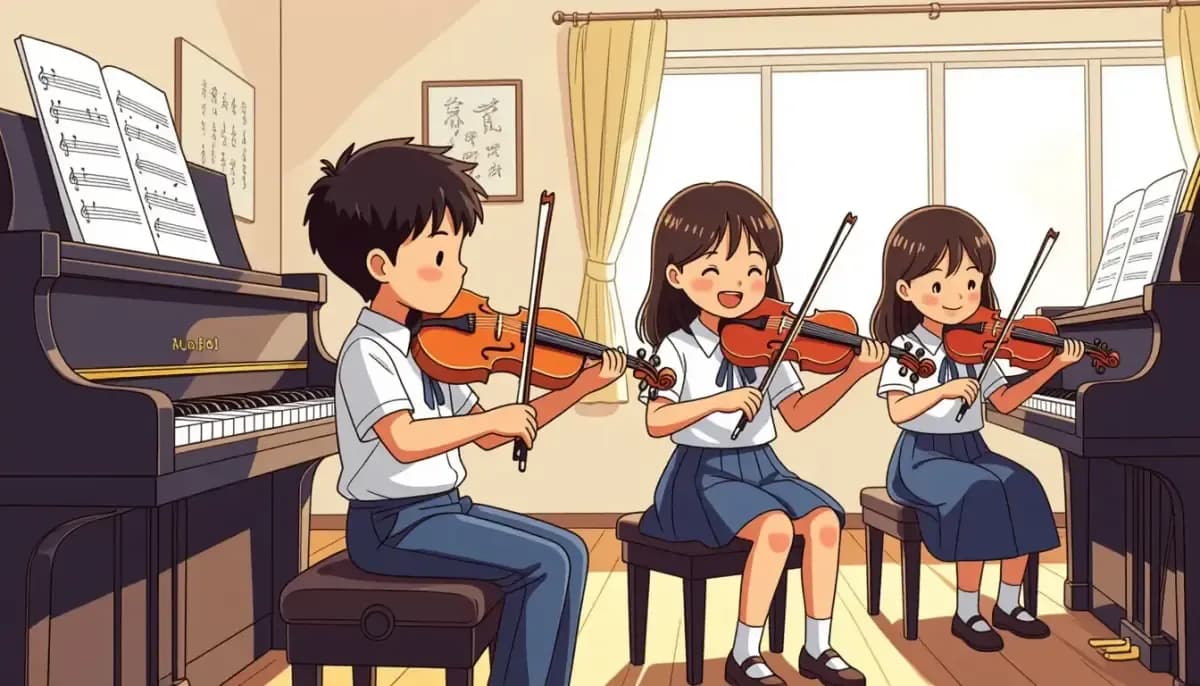
Piano lessons dominate the creative naraigoto landscape, but violin, guitar, and traditional instruments like the koto and shamisen are also widely studied. Many neighborhood music schools, including Yamaha Music Schools and Kawai Music Schools, offer group and individual lessons for children from as young as age 2 or 3.
Costs for private music lessons typically range from ¥5,000 to ¥15,000 per month, depending on the instrument, frequency, and school. Group lessons at large chains tend to be more affordable, while private instruction from specialist teachers can cost more. Art classes, calligraphy, and dance schools operate in similar price ranges.
For a broader look at after-school activities and how to help your child participate, visit our guide to elementary school life in Japan for foreign families.
Major Music Education Systems in Japan
Japan has developed some of the world's most respected music education methodologies. Understanding these systems helps parents make informed choices for their children.
| System | Focus | Age Range | Notes |
|---|
| Suzuki Method | Violin, piano, cello; learning by listening | From age 3 | Developed in Japan; internationally used |
| Yamaha Music Education System | Group lessons; ear training; composition | From age 2 | Widespread across Japan; bilingual options |
| Kawai Music Schools | Piano-focused; individual and group | From age 3 | Strong recital culture |
| PTNA (Piano Teachers National Association) | Piano; competition pathway | Competitive level | Major national competition system |
| Tohō Music School for Children | Pre-professional training | Ages 6–18 | Feeds into Tohō Gakuen; world-class output |
The Suzuki Method, created by Japanese violinist Shinichi Suzuki, is perhaps Japan's most globally recognized contribution to music education. It emphasizes learning music the way children learn language — through immersive listening and parental involvement rather than reading notation first. Many expat families find Suzuki programs particularly accessible because instruction is available in English in major cities.
For children showing exceptional talent or interest in a professional path, Japan's top music schools — including Tohō Gakuen Music School and the Tokyo National University of the Arts (Geidai) — produce world-class professional musicians. Japan is widely regarded as one of Asia's leading countries for classical music training and performance.
For help navigating after-school programs and the naraigoto landscape, the team at Living in Nihon offers practical advice for expat families settling into Japanese life.
Traditional Japanese Arts for Children
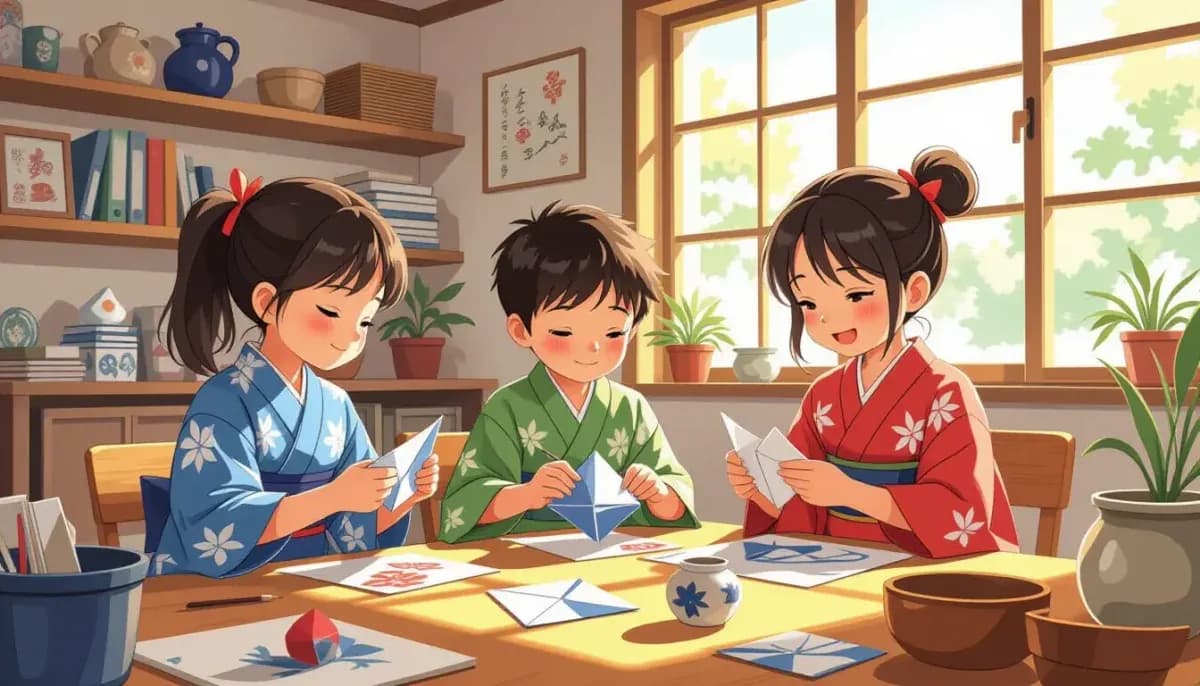
Beyond Western music and modern art, Japan offers children a unique opportunity to engage with living traditional art forms. These experiences are not just culturally enriching — they connect children to Japan's deep artistic heritage and are often unavailable anywhere else in the world.
Tokyo Traditional Arts Program is one of the most accessible entry points. It offers 18 hands-on courses for children in traditional art forms including:
- Noh theatre — one of the oldest theatrical forms in the world
- Nihon Buyo — classical Japanese dance
- Sankyoku — ensemble music featuring koto (harp-like instrument)
- Nagauta — shamisen and hayashi (drum) music from the Kabuki tradition
Classes are small, taught by professional performers, and available in English. This is a rare opportunity for foreign children to study directly with masters of these ancient arts.
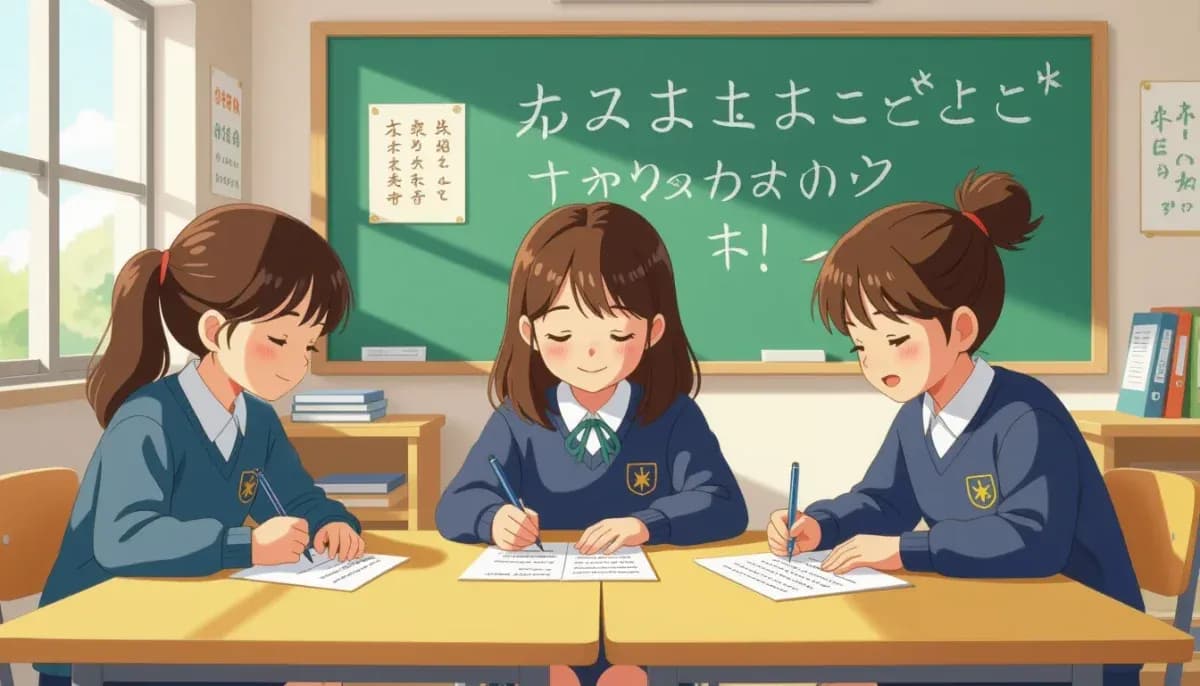
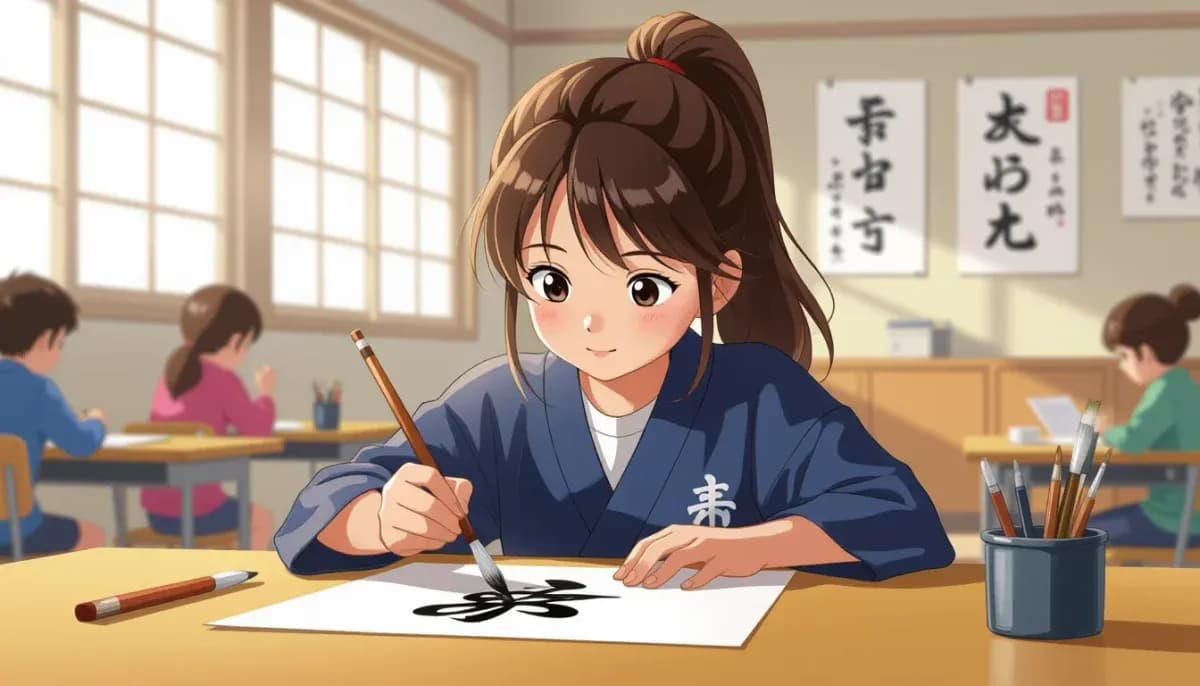
Calligraphy (shodo) is another traditional art widely practiced by children in Japan. Many elementary schools include calligraphy in their curriculum, and private calligraphy schools (shodo kyoshitsu) are found in almost every neighborhood. The practice of brush calligraphy is meditative, builds fine motor skills, and connects children to the written beauty of the Japanese language.
For families interested in raising children who appreciate both their home culture and Japanese traditions, exploring traditional arts alongside modern activities creates a wonderfully rich childhood. See our guide on cultural identity for hafu and mixed-race children in Japan for more on navigating multiple cultural influences.
Arts and Music Options for Expat Families in Tokyo
Tokyo in particular has a growing ecosystem of English-friendly arts programs specifically designed for international families. Here are some of the most recommended options:
Visual Arts:
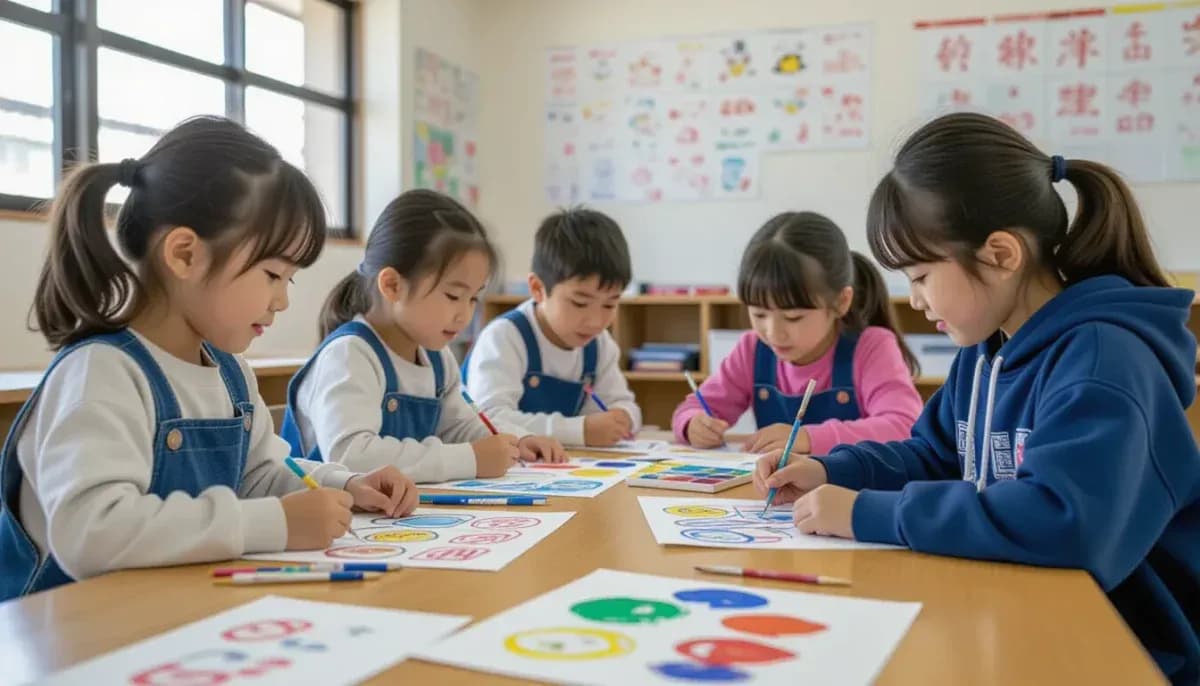
- Miro Art Labo — A child-led art studio where children work with canvas, clay, and fabric. There is no fixed curriculum; children explore their own creative impulses. Ideal for young children aged 3 and up.
- Tokyo International Art School — Bilingual art instruction combining visual creativity with communication skills. Popular with international school families.
- Kspace International School — Offers after-school arts alongside chess and cooking in an international atmosphere.
Music:
- Akino Music Together — English-language music classes for children aged 0–7, incorporating singing, dance, and percussion instruments. Uses the internationally recognized Music Together curriculum.
- GYMBOREE Play & Music — For ages 0–6, this global program builds confidence through music and movement. Multiple Tokyo locations.
- Tokyo Piano School — Affordable private piano lessons for students of all ages. English-speaking teachers available.
- Music School of EIFJ Tokyo — Bilingual music lessons open to all families, not only those enrolled in international schools. A flexible and welcoming option.
For families outside Tokyo, Osaka, Nagoya, Kyoto, and Fukuoka all have comparable ecosystems of international-friendly arts programs, though English-language availability decreases outside the capital. The team at For Work in Japan has resources for expat families navigating life in various Japanese cities.
Inclusive Arts Programs: Music and Creativity for All Children
Japan has a growing movement of inclusive arts programs ensuring that children with disabilities or special needs can participate fully in creative development. Several pioneering organizations deserve mention:
| Organization | Location | Focus |
|---|
| White Hand Chorus | Tokyo, Kyoto, Okinawa | Hand-song (shuka) for deaf and hard-of-hearing children |
| Tsunagari Music Lab | Tokyo, Hyogo | Custom instruments; music therapy; behavior analysis |
| Heart Talking Music Studio | Setagaya, Tokyo | From age 1; songwriting; certified music therapists |
| Music Sharing | Nationwide | Founded by violinist Midori Goto; traditional and Western instruments |
| Kawasaki Drake Music Project | Kawasaki | Adaptive music technology in partnership with UK program |
These programs reflect a broader understanding in Japan that arts participation is not just for the especially talented — it is a right of every child. For foreign families whose children have additional needs, these inclusive programs can be particularly valuable. For guidance on accessing support services in Japan, see our guide to healthcare and medical care for children in Japan.
More information on accessible music programs can be found via Japan Today's coverage of music accessibility and through Yamaha's music education research hub.
Supporting Your Child's Creative Development: Practical Tips for Expat Parents
Navigating the Japanese arts and music scene as a foreign parent takes a bit of research, but the rewards are enormous. Here are practical steps to get started:
1. Start with school programs first. Before enrolling in private lessons, understand what arts and music your child receives at school. Japanese schools offer more than most parents expect, and adding too many activities can overwhelm children.
2. Visit a Yamaha or Kawai trial lesson. Both chains offer free or low-cost trial lessons (taiken jugyō) and have English-speaking staff at many locations. This is a low-risk way to assess your child's interest before committing to monthly fees.
3. Ask your neighborhood association (*jichikai* or *chōkai*). Local community groups often know about arts programs for children in the area, including subsidized programs run by municipal governments. Many cities offer culturally enriching programs at minimal cost.
4. Look into the public school music club (*bukatsu*). Japanese junior high and high school music clubs are legendary for their intensity and quality. Many school bands compete in the prestigious All-Japan Band Competition. If your child is musically inclined, participation in bukatsu can be transformative — and it's free.
5. Connect with expat parent networks. Facebook groups for expat parents in your city, as well as sites like Japan Living Guide and Real Life Japan, are invaluable for up-to-date recommendations on specific schools and teachers.
6. Explore Japanese cultural arts before leaving Japan. Experiences like koto lessons, calligraphy, or a Noh performance workshop are genuinely rare opportunities. Even if your family will eventually return to your home country, these experiences can become lifelong passions and memories.
For more context on raising children who thrive in Japan while staying connected to their heritage, see our articles on raising bilingual children in Japan and heritage language maintenance. Resources for academic enrichment can also be found at Chuukou Benkyou, which focuses on supporting children's educational development in Japan.
Conclusion
Japan is, quietly and remarkably, one of the best places in the world to raise a creative child. The mandatory arts curriculum in schools, the rich culture of naraigoto, the availability of world-class music education systems, and the unique access to living traditional art forms create an environment where children can develop artistically in ways that would be difficult to replicate elsewhere. For expat families, the ecosystem of English-friendly programs in Tokyo and other major cities makes participation accessible without full Japanese fluency.
Whether your child wants to master the piano, explore Noh theatre, paint freely, or learn calligraphy, Japan offers pathways for every interest and talent level. The investment in creative development during childhood pays dividends for life — in academic performance, emotional wellbeing, cultural connection, and personal fulfillment. Embrace the opportunities around you, and let your child's creativity flourish in Japan's uniquely supportive environment.