
Traditional Japanese Crafts for Children

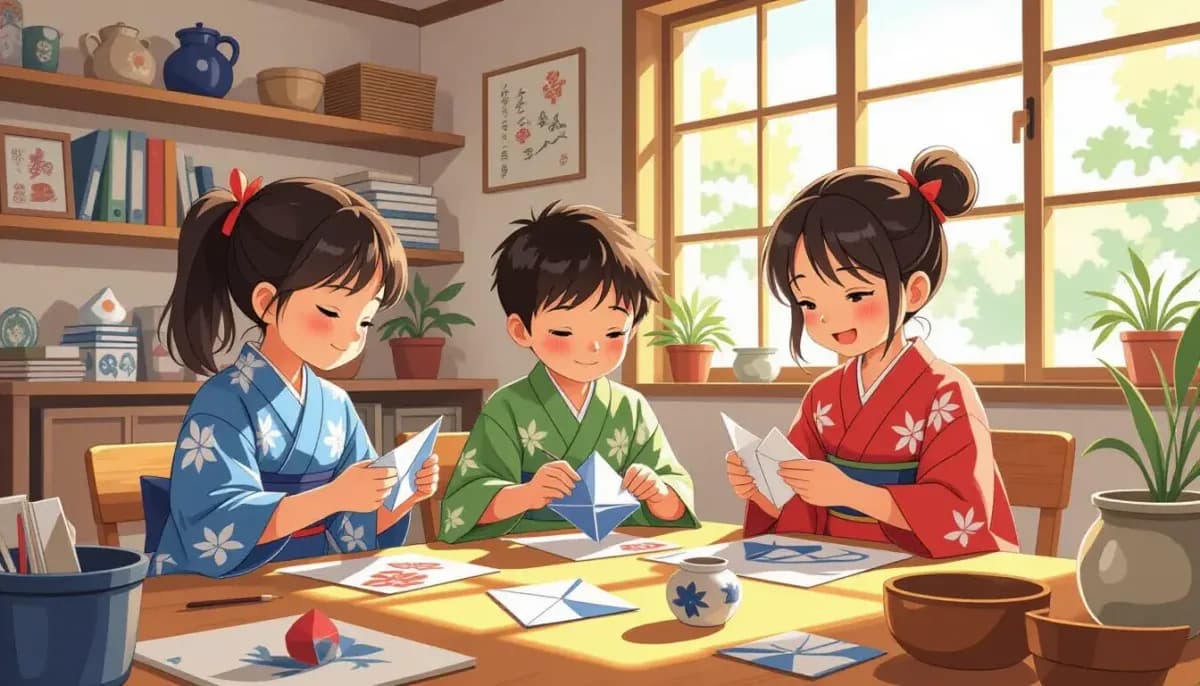
Discover traditional Japanese crafts for children — origami, koinobori, kokeshi dolls, and more. Find workshops, seasonal activities, and tips for expat families in Japan.
Traditional Japanese Crafts for Children: A Complete Guide for Families in Japan
Japan's rich tradition of handmade arts offers children a remarkable window into culture, history, and creative expression. Whether your child is attending a Japanese school, joining community activities, or simply exploring their new home, traditional Japanese crafts provide hands-on experiences that connect kids to Japanese heritage in a meaningful way. For foreign families living in Japan, these crafts are also an accessible entry point into the broader culture — and a wonderful way to build bonds with Japanese neighbors and classmates.
This guide covers the most popular traditional Japanese crafts for children, where to try them, and how expat parents can make the most of these experiences.
Why Traditional Crafts Matter for Children in Japan
Traditional crafts are deeply embedded in Japanese education and culture. From kindergarten through primary school, children are introduced to crafts like origami, clay work, and seasonal decorations as part of their regular curriculum. For foreign children, participating in these activities helps them feel included and connected to their Japanese peers.
Beyond social integration, crafts offer real developmental benefits. Activities like origami, calligraphy, and pottery develop fine motor skills, hand-eye coordination, and finger muscle strength — all of which directly support writing and drawing ability. Craft-making also builds patience, attention to detail, and the ability to follow multi-step instructions.
From a cultural preservation perspective, Japan officially recognizes over 240 traditional crafts designated by the Ministry of Economy, Trade and Industry (METI). The program began in 1974 and requires a craft to have at least 100 years of history. Many of these crafts are at risk as younger generations drift away from traditional arts — which makes children's engagement especially valuable.
For expat families, craft workshops also offer a non-language-dependent way to participate in Japanese culture. Even if your child doesn't speak Japanese fluently yet, folding paper cranes or painting a kokeshi doll requires no translation. For more on language integration strategies, see our guide on teaching Japanese to foreign children.
The Most Popular Traditional Japanese Crafts for Children
Origami (折り紙)
Origami is the most accessible of all traditional Japanese crafts and the natural starting point for children of any age. Using only square sheets of paper, children fold geometric shapes into animals, flowers, boats, and more. Workshops start at around 500 JPY (~$3 USD), and sessions can be completed in as little as 30 minutes.
Origami cranes hold special cultural significance in Japan — they symbolize peace, longevity, and good fortune. The tradition of folding 1,000 cranes (senbazuru) is a wish for health and happiness, often done as a group project in schools. Children as young as 3–4 can manage simple folds with guidance, while older kids can tackle complex modular origami.
The Nippon Origami Museum at Narita Airport Terminal 1 displays over 400 origami pieces and is a great introduction for families arriving in Japan.
Koinobori (鯉のぼり — Carp Streamers)
Koinobori are colorful carp-shaped windsocks traditionally flown to celebrate Children's Day on May 5 (a national holiday). Making koinobori is a classic craft activity in Japanese schools and homes throughout April and early May.
Children decorate paper or fabric carp streamers with paint, markers, or washi tape. The carp symbolizes strength and perseverance — a fish that swims upstream — making it a meaningful symbol for children to engage with. Most kindergartens and elementary schools run koinobori-making activities in late April. It's also easy to recreate at home with paper bags, newspaper, and paint.
Kokeshi Dolls (こけし)
Kokeshi are traditional cylindrical wooden dolls with simple hand-painted faces, originating from the Tohoku region of Japan. While the authentic versions are carved by artisans, children can recreate kokeshi-style characters using salt dough, clay, or wooden cylinders from craft stores.
Many workshop venues offer kokeshi painting stations where children select a pre-made wooden doll blank and paint their own design. It's one of the most popular family workshop activities and works well for children aged 5 and up.
Sumi-e (墨絵 — Ink Wash Painting)
Sumi-e is a traditional form of Japanese ink wash painting using black ink and a brush. Basic strokes taught to beginners include bamboo, rocks, and flower petals. In classroom settings, child-safe black tempera paint can substitute for traditional ink, making the medium accessible even for young children.
Sumi-e develops brush control, spatial awareness, and an appreciation for minimalist aesthetics — concepts that carry over naturally into Japanese calligraphy. For more on calligraphy specifically, see our dedicated article on Japanese calligraphy (shodo) for children.
Washi Paper-Making (和紙)
Washi (Japanese paper) is a UNESCO-recognized intangible cultural heritage. Children can learn to make washi paper in hands-on workshops across Japan — the process involves soaking mulberry fibers, spreading them over a screen, and pressing and drying the resulting sheet.
Washi workshops are particularly popular in the Echizen area of Fukui Prefecture (Japan's washi capital), but are also available in Kyoto, Tokyo, and many regional museums.
Where to Do Traditional Craft Workshops in Japan
Japan offers an impressive range of dedicated craft workshop venues, especially suited for families with children.
| Location | Craft Focus | Family Suitability | Notes |
|---|---|---|---|
| Yunokuni no Mori, Kanazawa | 50+ crafts in one venue | Excellent — all ages | Gold leaf, ceramics, kite-making, and more |
| Kyoto | Fan-making, kimono dyeing, tea ceremony | Good — ages 6+ | Many English-language options available |
| Arita, Saga Prefecture | Porcelain and ceramics | Good — ages 7+ | Japan's porcelain capital since 1616 |
| Tokushima | Indigo dyeing (aizome) | Good — ages 5+ | Authentic farm-based dyeing workshops |
| Okinawa | Yachimun pottery, Ryukyu textiles | Good — all ages | Rich indigenous craft tradition |
| Tokyo (Asakusa) | Origami, washi, lacquerware | Excellent — all ages | Multiple drop-in studios, English support common |
The Yunokuni no Mori village near Kanazawa is particularly recommended for families — it offers over 50 different craft workshops in a single scenic venue, with sessions ranging from 30 minutes to half a day.
Workshop pricing generally ranges from ¥500 (simple origami) to ¥5,000 (ceramics or lacquerware) per person per session for standard drop-in workshops. Longer immersive experiences can run ¥17,800–¥175,000 for structured cultural tours.
For broader guidance on cultural and creative programs, see our overview of community art programs and workshops for kids.
Seasonal Crafts and School Events
Japanese traditional crafts are often tied to the school and seasonal calendar. Here are key craft opportunities throughout the year:
Spring (March–May):
- Koinobori-making for Children's Day (May 5)
- Hanami (cherry blossom) crafts — paper flowers, bento decorations
Summer (June–August):
- Tanabata decorations — writing wishes on tanzaku strips and making paper ornaments
- Wind chime (furin) painting workshops
Autumn (September–November):
- Momiji (maple leaf) craft projects
- Harvest decorations using traditional materials
Winter (December–February):
- New Year's card (nengajo) making
- Kadomatsu (bamboo and pine New Year decorations)
- Daruma doll painting — an interactive goal-setting craft where children paint in one eye when setting a goal, and the other when achieved
Most of these seasonal crafts are integrated into Japanese school curricula, so children attending local schools will encounter them naturally. For foreign children in international schools, parents can supplement with community workshop visits or home projects.
See our guide to cultural arts festivals and children's participation for more on seasonal event opportunities.
How to Support Traditional Craft Participation as a Foreign Parent
Expat parents often wonder how to engage with traditional crafts without feeling like outsiders. Here are practical approaches:
Join school craft events. Japanese school PTAs and classroom events frequently include hands-on craft activities. Volunteer to help — you don't need to speak perfect Japanese to assist with cutting paper or organizing materials.
Visit craft-focused museums. The National Crafts Museum in Kanazawa, the Japan Folk Crafts Museum (Mingeikan) in Tokyo, and the Kyoto National Museum of Modern Art all have family-friendly galleries with hands-on components. See our full list of best museums and art galleries for children in Japan.
Purchase from artisans directly. Aoyama Square Traditional Crafts, operated by the Japan Traditional Crafts Promotion Association, sells certified traditional crafts and supports artisans directly. Buying authentic goods — especially as gifts for children — connects families to living craft traditions.
Support your child's creative identity. If your child shows a strong interest in a particular craft, consider enrolling them in ongoing lessons. Many community centers (kominkan) and private studios offer affordable regular sessions. For broader guidance, see our article on how to support your creative child in Japan.
For general information on raising children in Japan, resources like Living in Nihon offer helpful guidance on integrating into Japanese daily life and culture. Expat parents working in Japan can also find community connections through For Work in Japan, which includes information on work-life balance for foreign workers with families. For educational support resources, Chuukou Benkyou covers academic preparation pathways for children in Japan.
The Cultural Significance of Preserving Traditional Crafts
Japan's traditional craft sector faces real challenges. In Kanazawa alone, the number of gold leaf craftsmen dropped from over 300 to fewer than 20 in recent decades. Across Japan, approximately 40,000 small businesses close annually, and many are craft-related enterprises. Training programs may accept only 4 new apprentices every 3 years due to limited demand and funding.
When foreign families participate in craft workshops, purchase handmade goods from artisans, and encourage children to engage with these traditions, they contribute directly to cultural preservation. Workshop fees go to master craftspeople. Children who learn these techniques carry knowledge forward — even if they later return to their home country.
For comprehensive information on traditional craft experiences across Japan, the Japan National Tourism Organization's craft guide is an excellent starting resource. The Snow Monkey Resorts arts and crafts guide provides a thorough overview of all 30 major traditional and modern Japanese arts.
Getting Started: A Practical First Step
If you're new to Japan and want to introduce your child to traditional crafts, here's a simple progression:
- Start at home — Buy a pack of origami paper at any 100-yen shop (Daiso, Seria) and try basic folds from free YouTube tutorials or the many Japanese children's origami books available at bookstores.
- Visit a drop-in workshop — Tokyo's Asakusa area has multiple studios offering 30-minute sessions with English support. Most major cities have similar options at tourism information centers or cultural museums.
- Attend a school or community event — Check your child's school newsletter for seasonal craft activities. Community centers (kominkan) in your neighborhood often run low-cost family craft days.
- Plan a craft-focused day trip — Head to Kanazawa, Kyoto, or another craft-destination city for a dedicated family craft experience. Yunokuni no Mori in Kanazawa is a top pick for families wanting variety in a single visit.
Traditional crafts offer something increasingly rare in the digital age: slow, tactile, meaningful making. For children growing up in Japan — whether for one year or a lifetime — these experiences create memories and connections that last far beyond the classroom.
For more on arts and creative development in Japan, explore the full Arts, Music, and Creative Development for Children in Japan guide.

Originally from Vietnam, living in Japan for 16+ years. Graduated from Nagoya University, with 11 years of professional experience at Japanese and international companies. Sharing practical information for foreign parents raising children in Japan.
View Profile →Related Articles
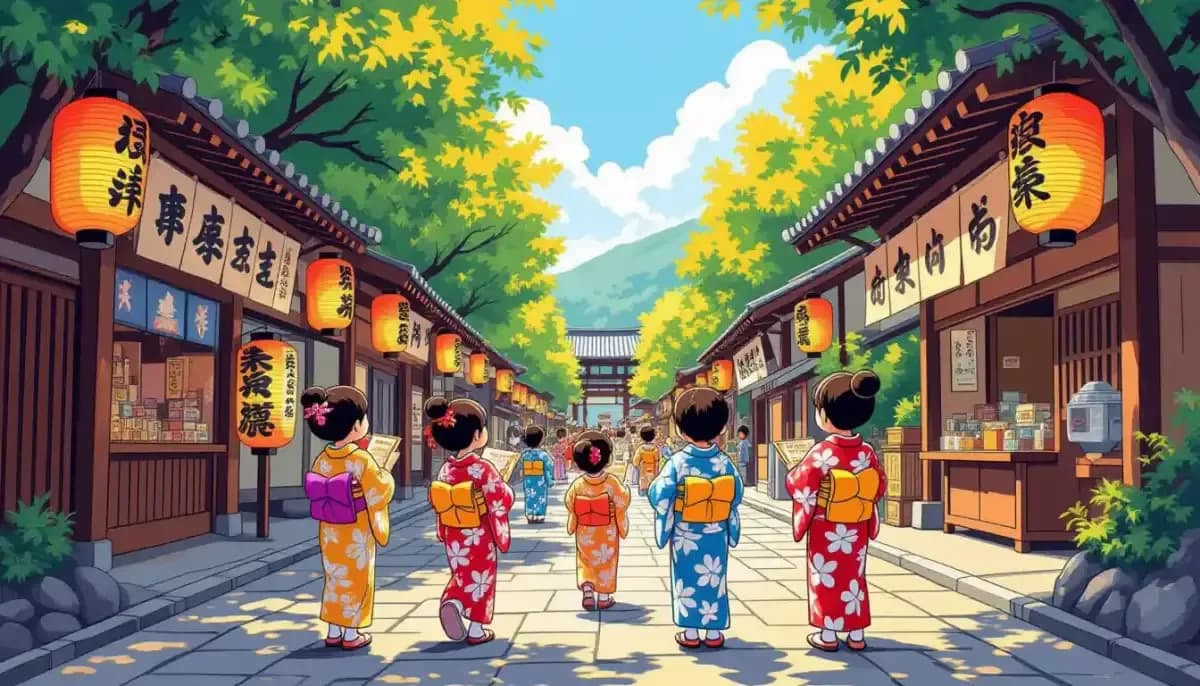
Cultural Arts Festivals and Children's Participation
Complete guide to cultural arts festivals and children participation in Japan for expat families. Covers bunkasai, Shichi-Go-San, Kodomo no Hi, matsuri traditions, and how foreign children can participate fully.
Read more →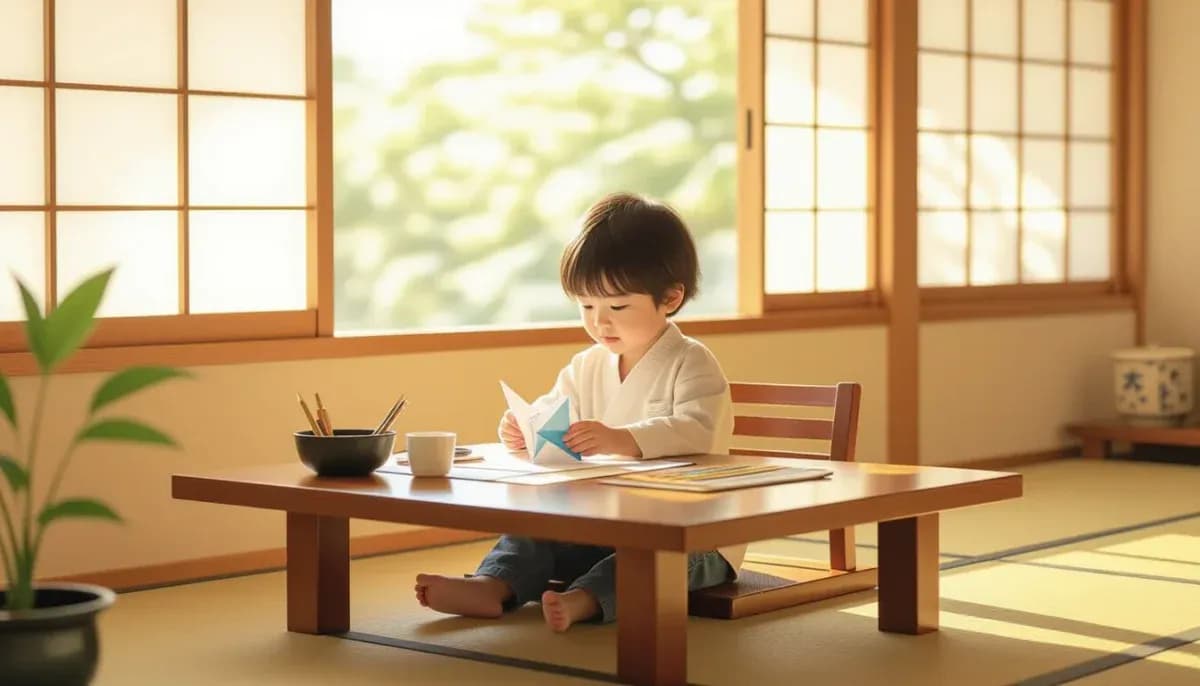
How to Support Your Creative Child in Japan
Discover how to nurture your creative child in Japan through traditional crafts, naraigoto lessons, bilingual expression, and smart use of Japan's generous family support programs. A complete guide for foreign parents.
Read more →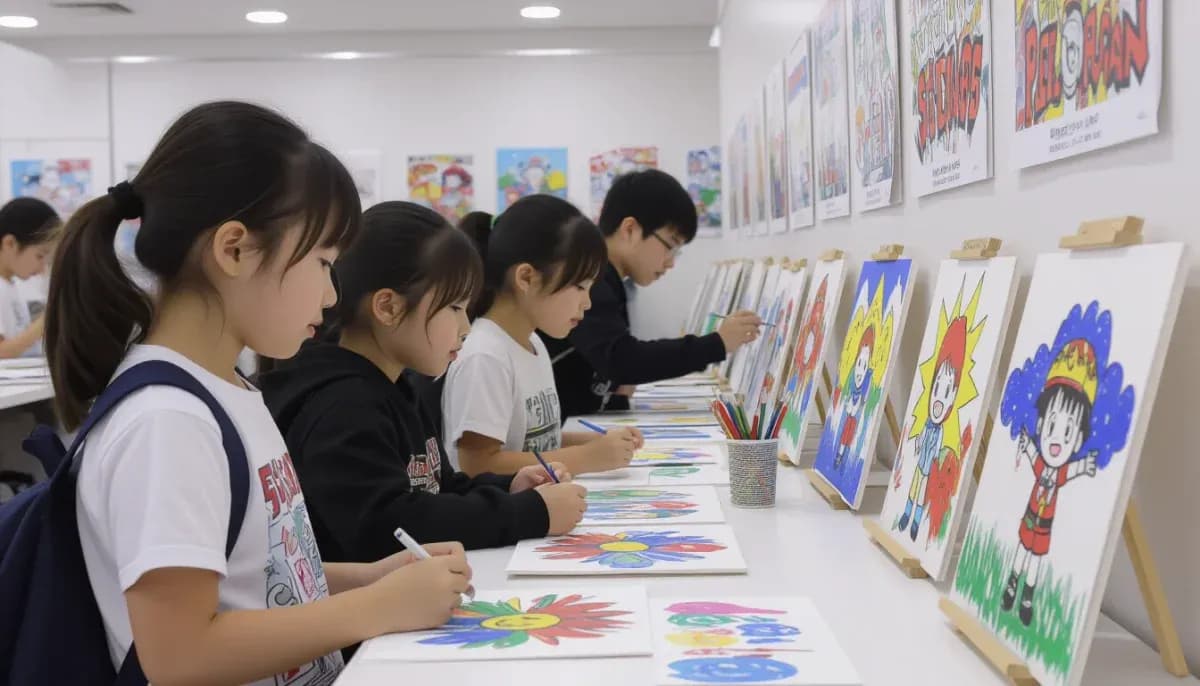
Art Competitions and Exhibitions for Children in Japan
Complete guide to art competitions and exhibitions for children in Japan. Discover Pentel ICAE, JQA Environmental Drawing Contest, top museums, and tips for expat families supporting young artists.
Read more →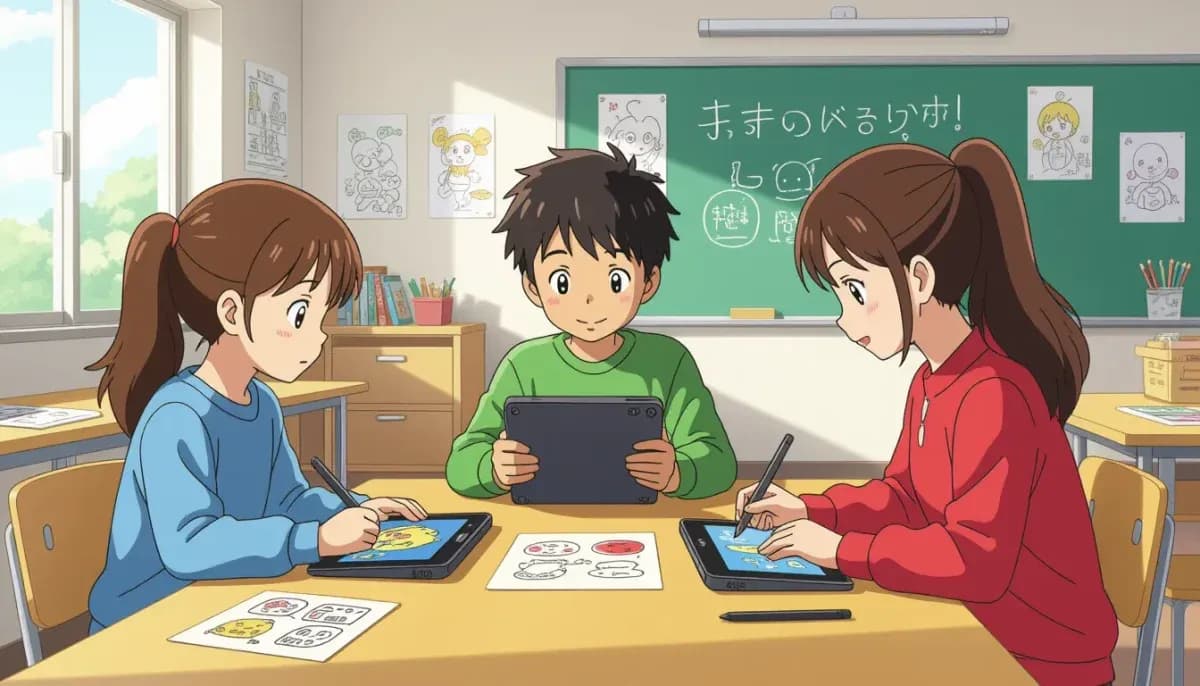
Digital Art and Animation Classes for Kids in Japan
A complete guide for expat families: find English-friendly digital art and animation classes for kids in Japan, from iPad studios to bilingual workshops in Tokyo and beyond.
Read more →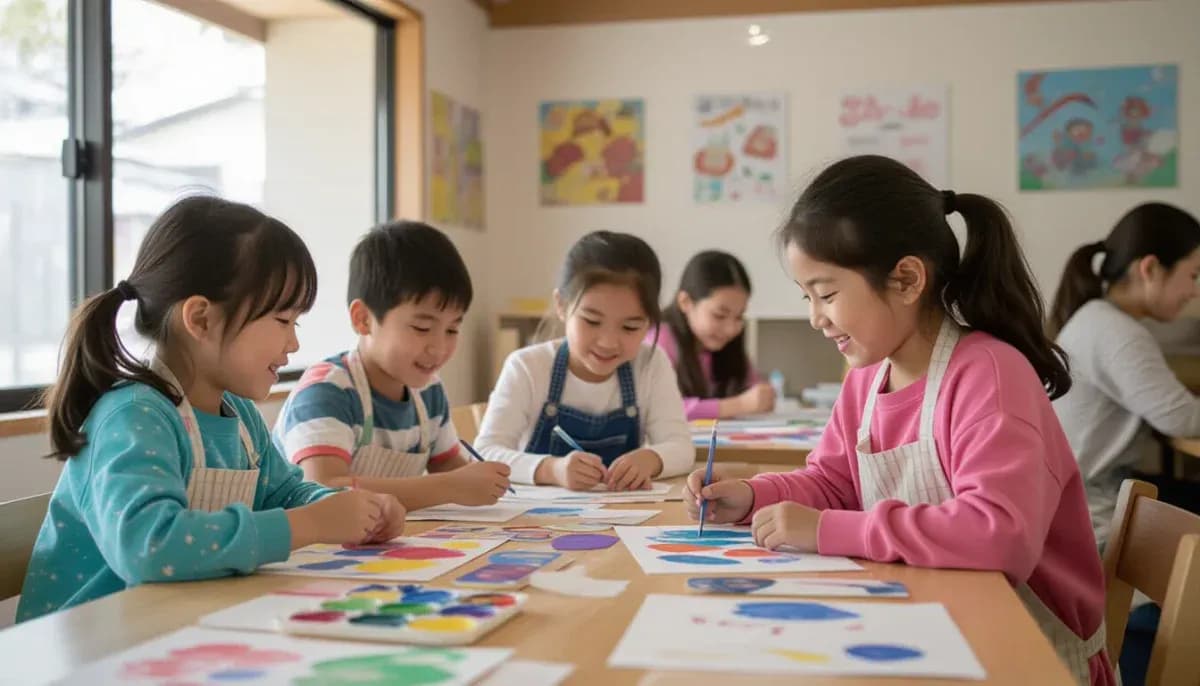
Community Art Programs and Workshops for Kids
Discover community art programs and workshops for kids in Japan. Find English-friendly studios, costs, and tips for expat families to enroll children in art classes.
Read more →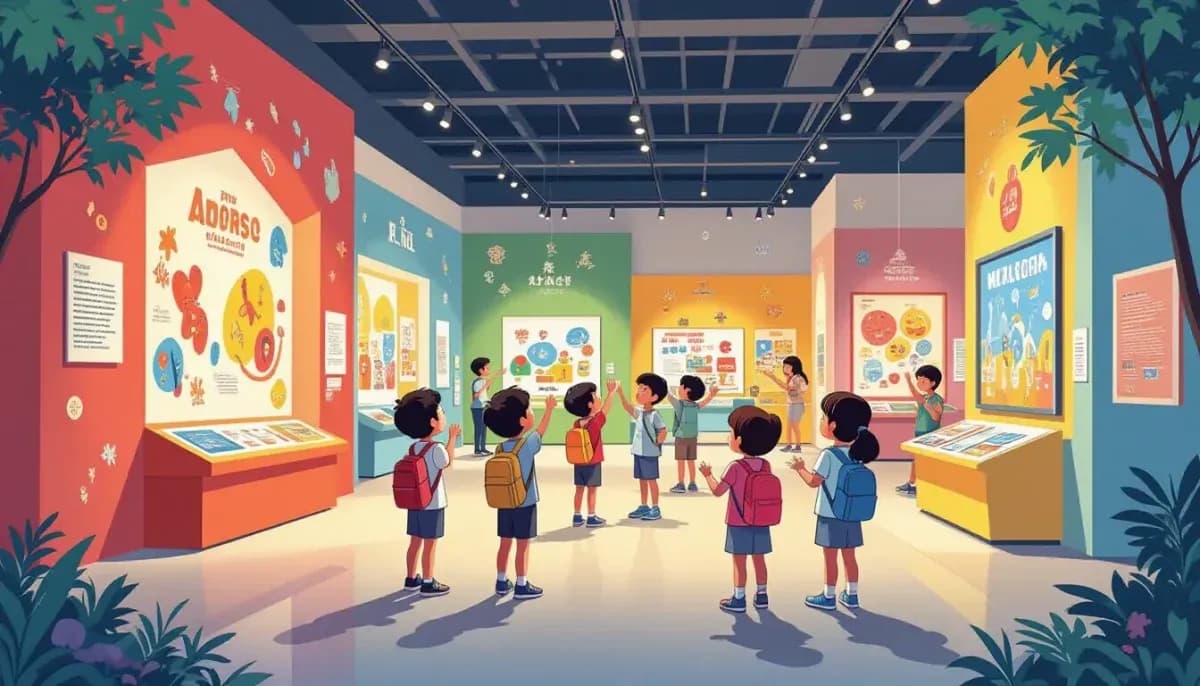
Best Museums and Art Galleries for Children in Japan
Discover the best museums and art galleries for children in Japan — from Tokyo's Ghibli Museum and teamLab to Railway Museum and Kids Plaza Osaka. Practical tips, admission prices, and age-by-age recommendations for foreign families.
Read more →