
How to Support Your Creative Child in Japan

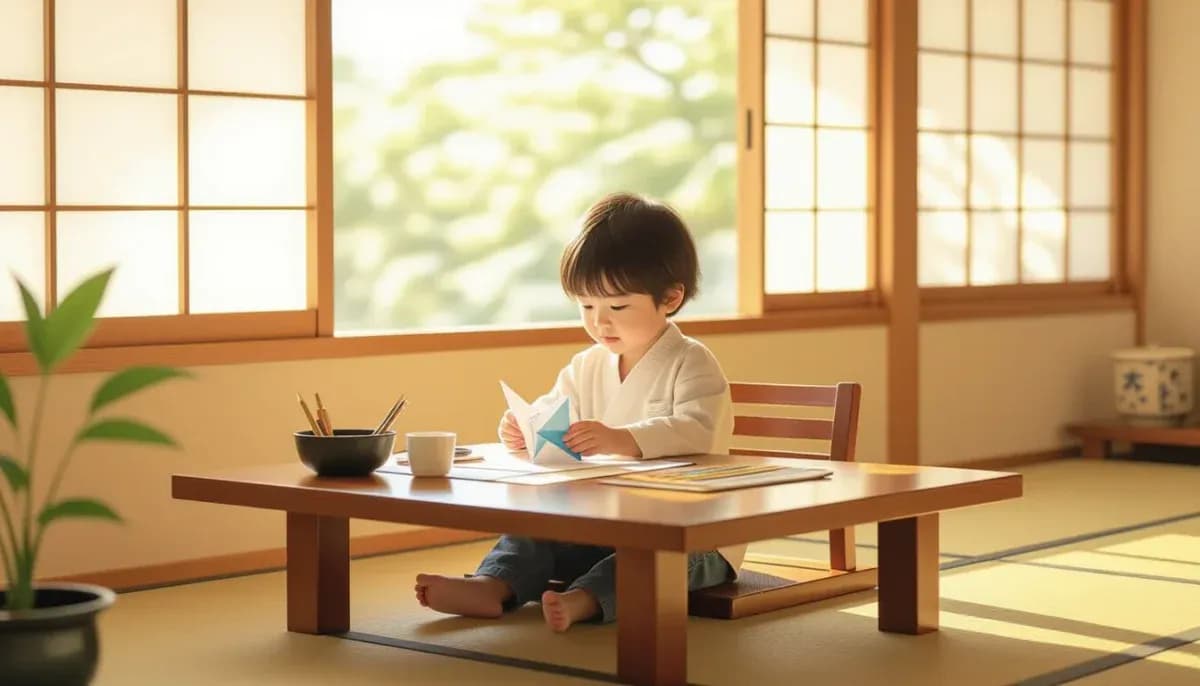
Discover how to nurture your creative child in Japan through traditional crafts, naraigoto lessons, bilingual expression, and smart use of Japan's generous family support programs. A complete guide for foreign parents.
How to Support Your Creative Child in Japan
Raising a creative child in Japan is both a rewarding journey and a fascinating cultural balancing act. Japan offers an extraordinary environment for nurturing young minds — from centuries-old craft traditions to a deeply rooted ethos of mastery, persistence, and self-expression. At the same time, as foreign parents quickly discover, the Japanese education system grows increasingly structured and exam-focused as children advance through school. Understanding this landscape is the first step toward giving your child the creative support they need to truly flourish.
Whether your child loves drawing, storytelling, music, or building things, this guide will walk you through the opportunities, strategies, and cultural context that shape creative development for children growing up in Japan.
Why Japan Is Both a Great and Challenging Place for Creative Children
Japan has a complicated relationship with creativity in education. At the elementary school level, creative expression is actively encouraged — children are given time for art, music, and open-ended projects, and the concept of hansei (self-reflection) teaches them to identify areas for improvement and set personal goals. This growth mindset forms a strong foundation for creative risk-taking.
However, as children enter junior high school, the pressure of entrance exams and standardized testing increasingly dominates. Research has shown that Japan's secondary education system emphasizes conformity and rote memorization, which can inhibit the kind of divergent thinking that powers creative work. Despite this, Japan consistently ranks among the world's top nations for patent applications — a testament to the country's deeper creative capacity when it's given the right outlet.
For foreign families, this means elementary school years (ages 6–12) are a golden window. The art education programs in Japanese schools during these years are genuinely strong, and the time before cram school (juku) pressure intensifies is the best moment to invest in your child's creative development.
Traditional Japanese Crafts as a Creative Foundation
One of the most accessible and culturally rich ways to support your creative child in Japan is through traditional crafts. Japanese cultural arts don't just teach technique — they build patience, fine motor skills, problem-solving ability, and a deep sense of aesthetic that carries over into all forms of creative work.
Origami (折り紙) — Paper folding develops spatial reasoning and precise, patient execution. Even very young children can start with simple forms, and the tradition scales up to extraordinary complexity.
Sumi-e painting — Ink brush painting teaches children to see shapes, contrast, and negative space in ways that fundamentally improve visual thinking.
Calligraphy (Shodo, 書道) — Learning to write kanji beautifully instills discipline, focus, and an appreciation for the art of communication itself.
Kintsugi (金継ぎ) — The art of repairing broken pottery with gold-dusted lacquer teaches a profound lesson: imperfection can be transformed into beauty. For creative children, this philosophy is life-changing.
Temari (手まり) — Traditional embroidered thread balls develop intricate pattern thinking and color theory in a tactile, hands-on way.
These crafts are widely available through community centers (kominkan), local craft schools, and many elementary schools. For a deeper dive into what structured art instruction looks like in Japan, see our guide on art education in Japanese schools.
Extracurricular Activities (Naraigoto) for Creative Kids
Japan has a well-developed culture of naraigoto (習い事) — after-school enrichment lessons. Most Japanese elementary-age children participate in two or three naraigoto simultaneously, typically balancing one physical activity, one academic subject, and one creative or artistic pursuit.
For creative children, the options are excellent:
| Activity | Typical Cost | Age Range | Creative Benefit |
|---|---|---|---|
| Piano / Music | ¥6,000–¥12,000/month | 4+ | Fine motor skills, emotional expression, pattern recognition |
| Art / Drawing Classes | ¥5,000–¥10,000/month | 4+ | Visual thinking, color theory, free expression |
| Calligraphy (Shodo) | ¥3,000–¥6,000/month | 6+ | Focus, precision, aesthetic development |
| Dance / Ballet | ¥6,000–¥15,000/month | 4+ | Physical expression, rhythm, storytelling through movement |
| Pottery (Ceramics) | ¥5,000–¥12,000/month | 6+ | Tactile creativity, patience, 3D thinking |
| English Creative Classes | ¥8,000–¥15,000/month | 3+ | Language + storytelling, bilingual expression |
| Manga / Illustration | ¥5,000–¥10,000/month | 7+ | Sequential art, narrative thinking, digital skills |
Most naraigoto sessions run once or twice a week for 40–90 minutes. The regular rhythm of practice — combined with Japan's emphasis on showing up consistently and doing your best (ganbatte) — naturally builds the sustained effort that creative mastery requires.
For more on balancing your child's activities within the Japanese school system, our guide to understanding juku and cram schools in Japan provides helpful context on how Japanese families manage academic and enrichment activities.
Supporting Bilingual Creative Expression
Foreign children in Japan have a unique creative advantage: they are growing up between two worlds, two languages, and two cultural traditions. This bilingual, bicultural context is itself a profound source of creative material.
Encouraging your child to create in both languages — writing stories in English and Japanese, drawing comics that blend Eastern and Western visual traditions, or making music that incorporates both their cultures — gives them a distinctive creative voice that is genuinely rare and valuable.
Research consistently shows that bilingual children demonstrate stronger creative flexibility and problem-solving skills than their monolingual peers. Japan's emphasis on collective harmony and careful observation complements the more individualistic, expressive orientation many Western parents bring — and creative children who internalize both can develop exceptional depth.
For strategies on nurturing this advantage, see our guides on raising bilingual children in Japan and best methods for teaching children Japanese. Maintaining your child's heritage language is equally important — learn more in our article on why heritage language maintenance matters.
Navigating the Japanese School System as a Creative Parent
Approximately 129,000 foreign children now attend Japanese public schools (2024), a figure that has grown 9% year-over-year. Understanding how the school system works allows you to be a more effective advocate for your creative child's development.
At elementary school level (小学校): Art (zukō, 図工) is a compulsory subject throughout elementary school. Children are exposed to painting, crafts, printing, and three-dimensional work. Music is also taught every year. These are genuine opportunities for creative expression, not afterthoughts.
At junior high school level (中学校): Art and music continue as required subjects, but academic pressure increases sharply. This is the time to maintain creative outlets outside of school, through naraigoto and home creative practice.
Communicating with teachers: Japanese teachers (sensei) deeply value parental involvement and are generally responsive to parents who show genuine interest in a child's development. If your child has a particular creative strength, sharing this with their homeroom teacher (tantou no sensei) during parent-teacher meetings (sandan) can lead to positive attention and encouragement within the classroom.
For a complete overview of how the Japanese education system works, Living in Nihon's guide to the Japanese education system for foreigners is an excellent resource for expat parents navigating this landscape.
Creating a Creative Home Environment
The home environment is the most powerful place to support your creative child. In Japan, where apartments are often compact, creating a dedicated creative space requires some intentionality — but it's absolutely achievable.
Designate a "making zone": Even a single low table (like a traditional chabudai) with good lighting, stocked with art supplies, paper, and craft materials, signals to your child that creative work is valued in your home.
Limit passive screen time strategically: Japan has a high-quality media culture, and anime, manga, and video games can absolutely be creative inputs. The key is balance — ensure your child also has unstructured time to make things, not just consume them.
Connect creativity to daily life: Traditional Japanese aesthetics are everywhere — in food presentation, garden design, gift wrapping, seasonal decorations. Point out and discuss the creativity in everyday Japanese life. Visit art museums, attend local craft festivals (matsuri), and explore the incredible variety of Japanese stationery stores together.
Celebrate process, not just outcome: Japanese educational philosophy, with its emphasis on hansei and ganbatte, actually aligns beautifully with a healthy creative mindset. Praise effort, curiosity, and iteration — not just the finished product.
For broader guidance on parenting approaches in Japan, For Work in Japan's resources on family life and Chuukou Benkyou's educational guides offer complementary perspectives on supporting children through the Japanese system.
Financial Support for Creative Education
Japan's family support programs are genuinely useful for funding creative enrichment. Key resources include:
Child Allowance (Jidou Teate, 児童手当): Expanded in October 2024, this allowance now covers children through high school with no income cap. Payments range from ¥10,000 to ¥30,000 per child per month depending on age. For a family with multiple children, this can meaningfully offset the cost of naraigoto. See our complete guide to child allowance in Japan for eligibility and application details.
Free preschool: Tuition for 3–5-year-olds at licensed preschools and kindergartens is fully covered by the government, making early creative education (music classes, art programs) genuinely accessible.
Community center programs: Municipal kominkan (community centers) offer subsidized craft, music, and art workshops for children at a fraction of private lesson costs. These are often overlooked by foreign families but are excellent value.
Tax deductions: Some educational expenses for children may qualify for deductions on Japanese taxes. Consult a tax advisor or your municipality's tax office for details.
For a complete breakdown of the costs and support systems involved in raising a child in Japan, our guide on the cost of raising a child in Japan covers everything from education to extracurricular activities.
When Creative Kids Struggle: Addressing Stress and Belonging
For foreign creative children in Japan, social belonging can be a complex challenge. Japan's strong group culture (shudan ishiki) means children who stand out — whether due to appearance, language, or simply being "different" — may face social friction.
Creatively oriented children are sometimes more sensitive to social dynamics, and the conformity pressures of Japanese schooling can feel particularly constraining. Watch for signs of stress: withdrawal from activities your child previously enjoyed, reluctance to go to school, sleep disturbances, or increased irritability. Our guide on signs of stress and anxiety in expat children provides a detailed checklist and advice on when to seek support.
At the same time, Japan's creative community is vibrant and welcoming. Art classes, music groups, and craft workshops are natural places where children who "think differently" find their people. Helping your child find their creative tribe — whether in school art club, a local music school, or an international community group — is one of the most valuable things you can do.
For guidance on navigating friendships specifically, see our article on helping foreign children make friends in Japan.
Resources and Further Reading
Supporting a creative child in Japan draws on a rich ecosystem of resources. For broader context on raising children in Japan as a foreign family, these resources are highly recommended:
- Real Life Japan: Popular Extracurricular Activities for Kids in Japan — detailed overview of naraigoto options and costs
- Savvy Tokyo: Supporting Your Child in the Japanese School System — expat parent perspectives on navigating Japanese schools
- Savvy Tokyo: How Japan Raises Resilient Children — cultural insights into Japanese child-rearing philosophy
- Living in Nihon: Education Guide for Foreign Families — comprehensive resource for expat families
- For Work in Japan: Family and Life Resources — practical guides for living in Japan
- Chuukou Benkyou: Educational Support Resources — academic support and enrichment guidance
Japan is a country that quietly fosters extraordinary creative talent — in its crafts, its design, its storytelling, its technology. By actively supporting your child's creative development during these formative years, you are giving them not just skills, but a relationship with making things that will serve them for life.

Originally from Vietnam, living in Japan for 16+ years. Graduated from Nagoya University, with 11 years of professional experience at Japanese and international companies. Sharing practical information for foreign parents raising children in Japan.
View Profile →Related Articles
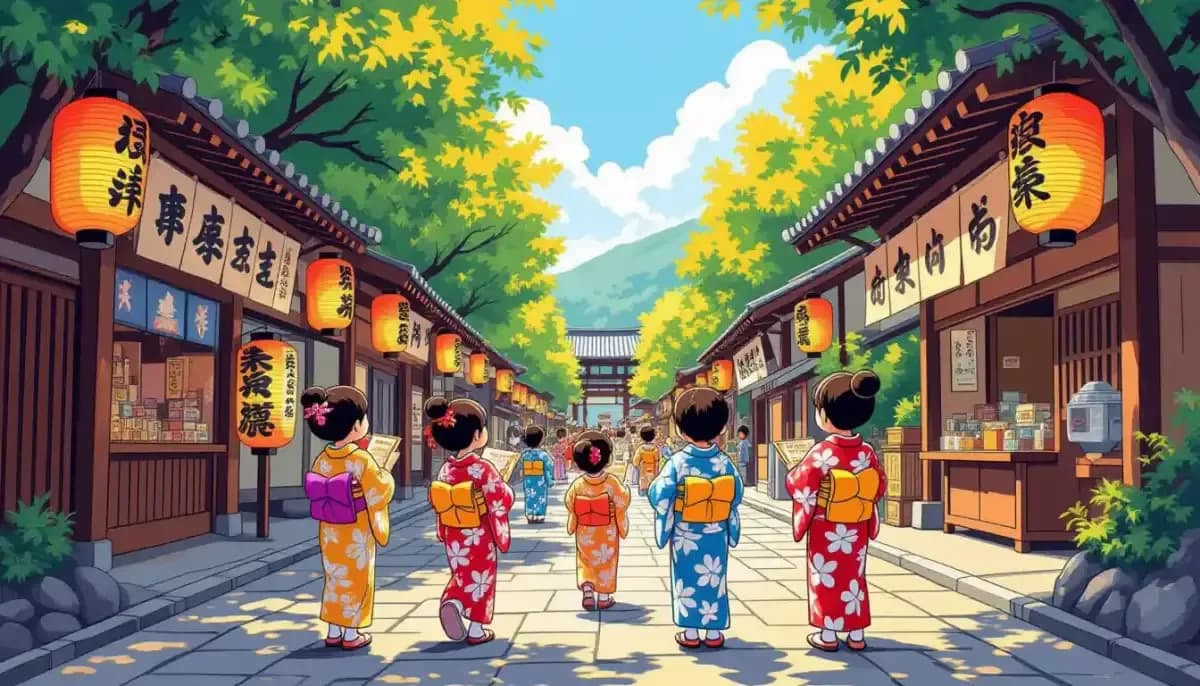
Cultural Arts Festivals and Children's Participation
Complete guide to cultural arts festivals and children participation in Japan for expat families. Covers bunkasai, Shichi-Go-San, Kodomo no Hi, matsuri traditions, and how foreign children can participate fully.
Read more →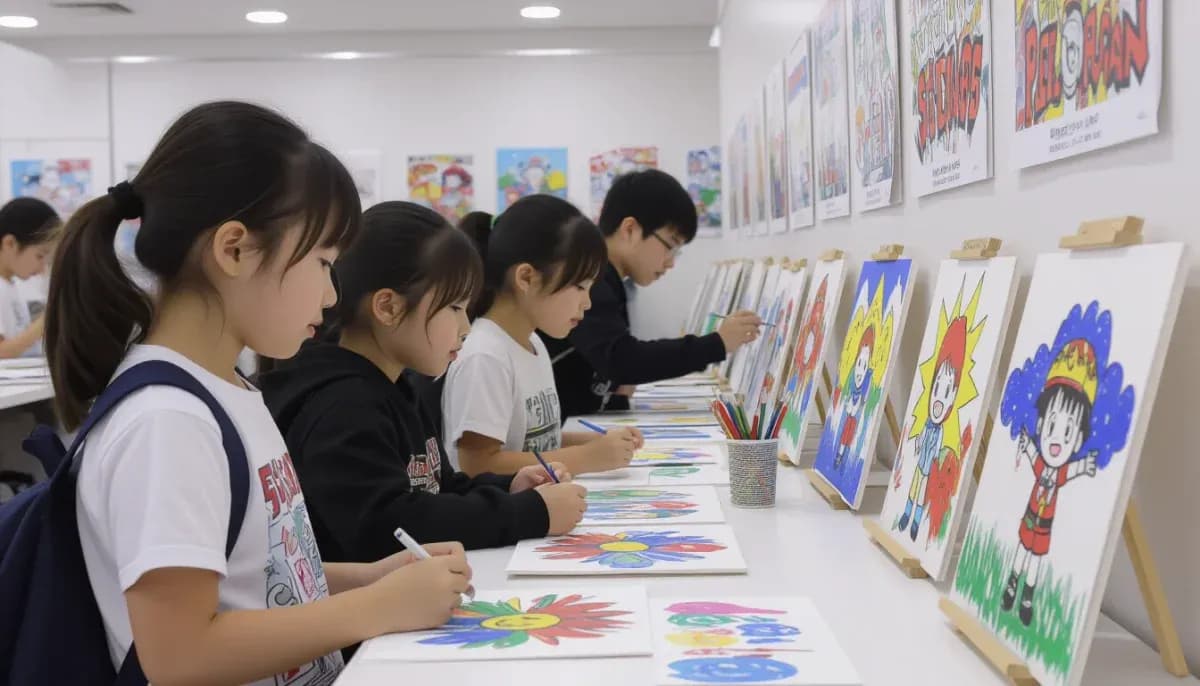
Art Competitions and Exhibitions for Children in Japan
Complete guide to art competitions and exhibitions for children in Japan. Discover Pentel ICAE, JQA Environmental Drawing Contest, top museums, and tips for expat families supporting young artists.
Read more →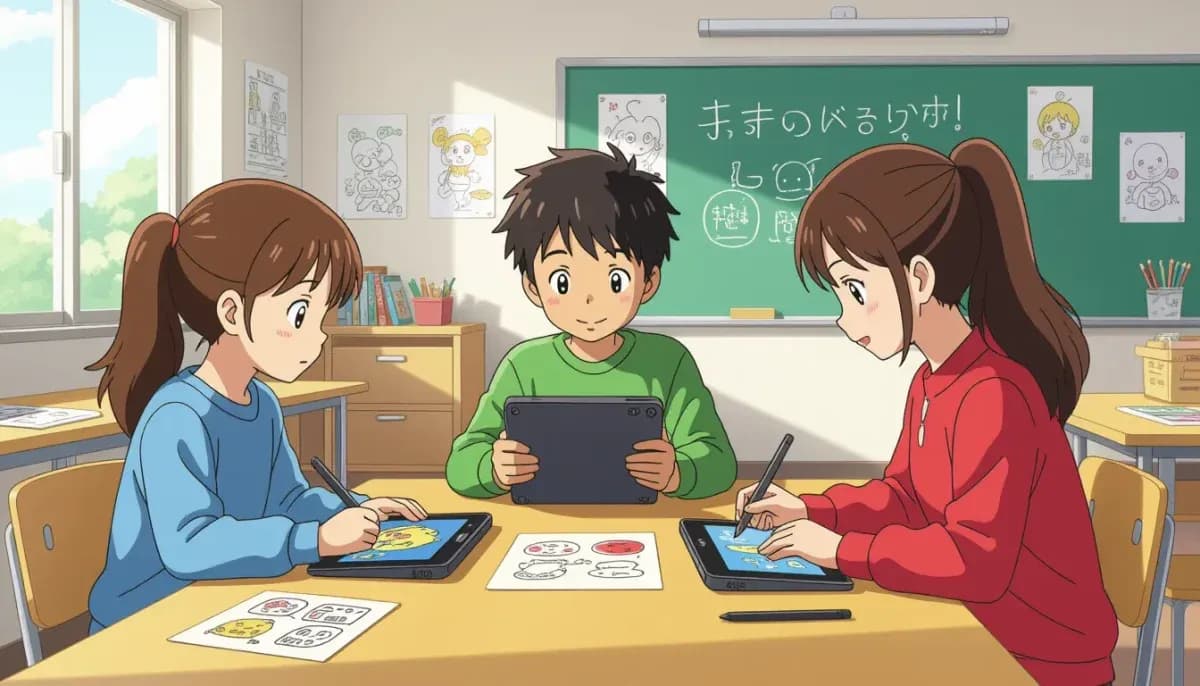
Digital Art and Animation Classes for Kids in Japan
A complete guide for expat families: find English-friendly digital art and animation classes for kids in Japan, from iPad studios to bilingual workshops in Tokyo and beyond.
Read more →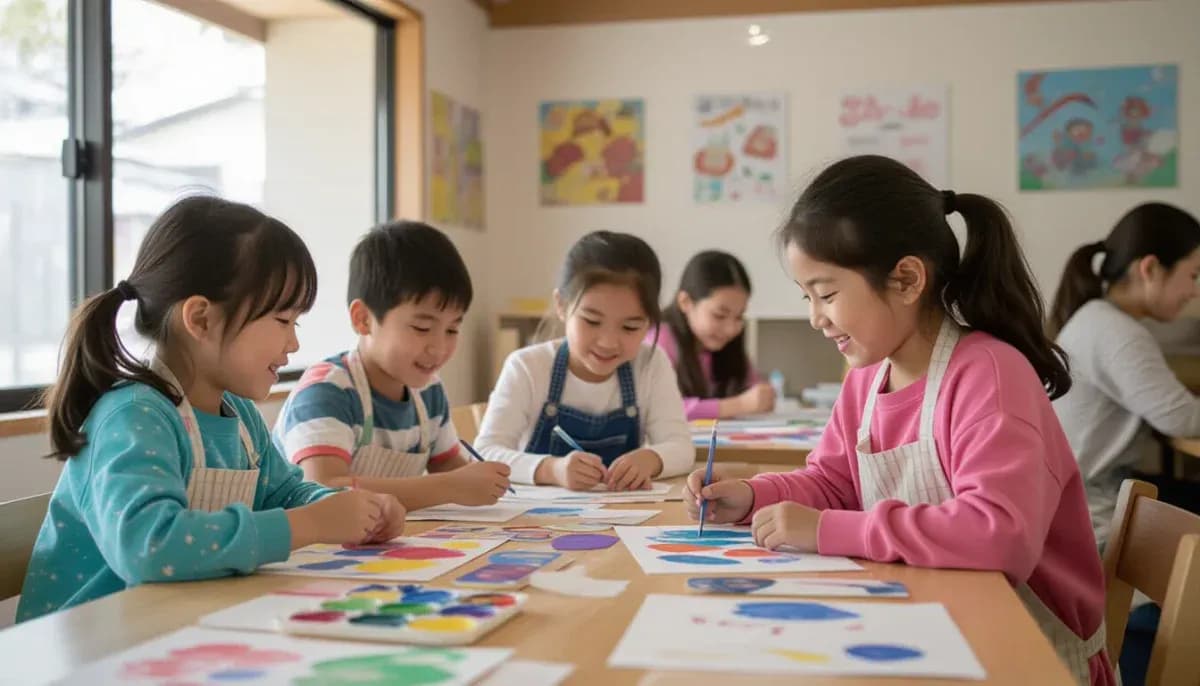
Community Art Programs and Workshops for Kids
Discover community art programs and workshops for kids in Japan. Find English-friendly studios, costs, and tips for expat families to enroll children in art classes.
Read more →
Best Museums and Art Galleries for Children in Japan
Discover the best museums and art galleries for children in Japan — from Tokyo's Ghibli Museum and teamLab to Railway Museum and Kids Plaza Osaka. Practical tips, admission prices, and age-by-age recommendations for foreign families.
Read more →
Creative Writing and Poetry for Kids in Japan
Discover haiku, tanka, zuihitsu, and English-language writing programs for children in Japan. A complete guide for expat families supporting young writers.
Read more →