
Creative Writing and Poetry for Kids in Japan

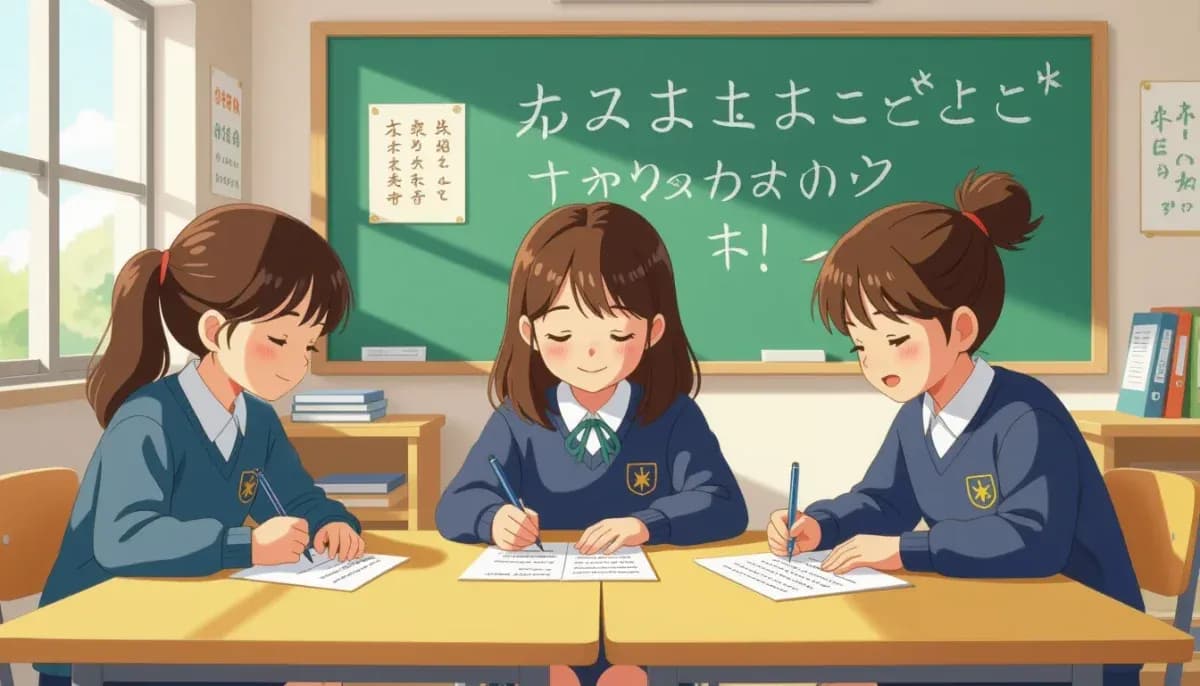
Discover haiku, tanka, zuihitsu, and English-language writing programs for children in Japan. A complete guide for expat families supporting young writers.
Creative Writing and Poetry for Kids in Japan: A Complete Guide for Foreign Families
Japan has one of the world's richest literary traditions, spanning from ancient haiku masters like Matsuo Bashō to contemporary manga storytelling. For foreign families raising children in Japan, this cultural depth creates a remarkable opportunity: your child can develop their creative voice while immersed in a culture that has elevated writing to an art form for over a thousand years. Whether your child attends a Japanese school, an international school, or is homeschooled, Japan offers inspiring avenues for nurturing young writers and poets.
This guide covers everything you need to know about creative writing and poetry programs, cultural writing forms, and how to support your child's literary journey as an expat family in Japan.
Why Creative Writing Matters for Children in Japan
For foreign children growing up in Japan, creative writing serves a dual purpose. It develops general literacy and communication skills—critical for any child—while also providing a powerful tool for processing the unique experience of living between cultures. Writing helps bilingual and multicultural children articulate emotions, memories, and observations that can be difficult to express in everyday conversation.
Research supports this view. A 2025 peer-reviewed study published in ScienceDirect found that Japanese elementary school teachers report significantly higher supportive behavior for creative learning compared to middle and high school teachers. This means the early school years are the most receptive environment for introducing creative writing, and parents who nurture creative writing habits in primary school are investing at exactly the right moment.
Japan's primary school enrollment ratio stood at 100.5% in 2022, meaning virtually every child participates in a structured educational environment. However, the Japanese curriculum traditionally emphasizes composition (sakubun) over expressive fiction, poetry, or personal narrative. This is precisely where extracurricular programs and parent engagement make the biggest difference for children who want to explore their creative voices in English or other languages.
For guidance on navigating the broader educational landscape, see our guide to the Japanese education system for foreign families.
Japanese Literary Forms for Children: Haiku, Tanka, and More
One of the greatest gifts Japan offers young writers is a set of structured poetic forms that are simultaneously simple to learn and infinitely deep to explore. These forms give children a clear framework—and children often thrive within creative constraints.
Haiku
Haiku is the most internationally known Japanese poetic form. It follows a strict three-line structure of 5–7–5 syllables. Traditionally, haiku captures a single moment of observation from the natural world, often including a kigo (seasonal word) that anchors the poem in time.
Example:
An old silent pond… A frog jumps into the pond. Splash! Silence again. — Matsuo Bashō (translated)
Children can practice haiku by observing their surroundings—a playground, a convenience store, cherry blossoms, or a rainy afternoon. The restriction to 17 syllables teaches economy of language, one of the most valuable writing skills a child can develop.
Tanka
Tanka extends the haiku form to five lines with a 5–7–5–7–7 syllable structure. The additional two lines allow for a more emotional, reflective, or philosophical turn. While haiku captures a snapshot, tanka invites the writer to respond to it. This makes tanka particularly suitable for older children (ages 10+) who are ready to move from observation into interpretation.
Haiga
Haiga is a combined art form that pairs a haiku with a drawing—traditionally a shadow or silhouette illustration. This is an excellent classroom or home activity because it bridges writing and visual art, making it accessible even for children who feel intimidated by poetry alone. A child can write a haiku about a cicada, then sketch the cicada's shadow on a summer wall.
Zuihitsu
The zuihitsu is a classical Japanese prose form dating to the Heian period (794–1185 CE). The name translates roughly as "following the brush"—you press the pen to paper without a fixed direction, letting thoughts flow freely. It is one of the world's earliest forms of stream-of-consciousness writing. For children, zuihitsu practice can be framed simply as "write whatever comes to your mind for 10 minutes without stopping." This is a powerful tool for overcoming writer's block and building writing confidence.
Seasonal and Festival Writing
Japanese poetry has always been tied to the cultural calendar. Children can anchor their writing practice to real events they experience living in Japan:
| Festival | Date | Writing Theme |
|---|---|---|
| New Year (Oshogatsu) | January 1–3 | New beginnings, hopes, winter landscape |
| Girls' Festival (Hinamatsuri) | March 3 | Dolls, spring, family traditions |
| Boys' Festival (Kodomo no Hi) | May 5 | Strength, koi streamers, family wishes |
| Tanabata | July 7 | Stars, wishes, the Milky Way |
| Moon Viewing (Tsukimi) | October full moon | Autumn moon, harvest, reflection |
| Shichi-Go-San | November 15 | Growing up, childhood memories |
Tying writing assignments to these festivals gives children an authentic cultural anchor and creates a natural portfolio of work across the year.
Organized Programs and Workshops for Kids in Japan
Tokyo Kids Write (TKW)
The most prominent English-language creative writing program for children in Japan is Tokyo Kids Write, which serves children ages 7–17 in Tokyo through writing camps and workshops year-round.
The Sunday Club meets on select Sundays at the Tree of Life Language and Creative Arts Center, located near Komagome Station. Sessions cost approximately ¥5,000 per child for ages 8–17. The format follows a professional workshop model with peer critique, mentorship from published authors, and real-world writing applications.
Past program themes have included:
- Food writing and restaurant reviews
- Nature writing through outdoor observation
- Drama and theatre writing
- Novel-in-verse and poetry collections
Field outings to botanical gardens, bus terminals, convenience stores, and even ballet performances are used as writing prompts—an approach that teaches children to find stories in everyday Japanese life. Guest authors have included celebrated writers such as Leza Lowitz (PEN Award winner, 20+ books), Suzanne Kamata (APALA YA Honor Book author), Holly Thompson, and Annie Donwerth-Chikamatsu (known for her novel-in-verse work set in Japan).
For more on the international writing community in Japan, the Japan Times has documented how foreign authors build careers in Japan, which also reflects the network of bilingual writing instructors available to teach children.
International School Writing Programs
Many international schools in Japan incorporate creative writing into their English curricula. Schools following the International Baccalaureate (IB) curriculum include creative writing as part of both the Primary Years Programme (PYP) and Middle Years Programme (MYP). If your child attends an international school, speak with their English teacher about the writing component and how you can extend it at home.
For a comprehensive overview of international school options, see our guide to international schools in Japan.
Community and Library Programs
The American Library in Tokyo, British Council branches, and various community centers periodically host children's writing events. Many are free or low-cost. Following local expat parent groups on social media is the most reliable way to discover these, as they are often not widely advertised.
How to Support Creative Writing at Home
The most powerful environment for nurturing a young writer is the home. Here are practical strategies for expat families in Japan:
Create a Writing Routine
Consistency matters more than duration. Even 10–15 minutes of writing per day—journals, story starters, haiku observations, or free writing in the zuihitsu style—builds the habit and the confidence that serious writers need. Keep a dedicated notebook for each child, separate from school work.
Use Japan as a Classroom
Living in Japan provides constant writing material. Encourage your child to write about:
- The sound of the rain on a Japanese roof
- What they see at a matsuri (festival)
- The taste of their favorite convenience store snack
- A conversation they had with a neighbor
- What it feels like to celebrate two different New Year traditions
This kind of observational writing is the foundation of great storytelling, and it helps children process and appreciate their experience of growing up in Japan.
Read Japanese Literature in Translation
Introduce your child to Japanese literature appropriate for their age. Picture books by Kenji Miyazawa, middle-grade works by Eiko Kadono (Kiki's Delivery Service), and the poetry of Misuzu Kaneko are excellent starting points. Reading as a writer—noticing how authors use language—accelerates creative development.
Connect with the Expat Writing Community
Japan has a surprisingly active English-language literary community. Beyond Tokyo Kids Write, there are adult writing groups that welcome serious teenage writers, online communities for bilingual families, and annual English-language literary events. Connecting with this community gives your child the sense that writing is a valued, shared activity—not just homework.
For broader support on raising bilingual children in Japan, see our article on raising bilingual children in Japan.
Bilingual Creative Writing: The Special Advantage
Children growing up bilingual in Japan have a unique creative advantage that researchers are only beginning to document. The ability to move between languages and cultural frameworks produces what linguists call "conceptual transfer"—the capacity to see familiar ideas from unfamiliar angles. This is one of the defining characteristics of great writers.
Encourage your child to experiment with writing in both their home language and Japanese. They might write a haiku in Japanese and translate it into English, or write an English story set in Japan using Japanese words where no English equivalent captures the feeling (komorebi, wabi-sabi, mono no aware). This kind of code-switching in creative writing is not a limitation—it is a literary skill.
For more on supporting your child's language development, see our guide on heritage language maintenance for children in Japan.
Recommended Resources and Further Reading
Building a home library of writing resources alongside Japanese cultural resources enriches your child's creative environment. Below are the categories of resources most useful for expat families:
| Resource Type | Examples | Best For |
|---|---|---|
| Haiku anthologies | Bashō, Buson, Issa collections | Ages 8+ |
| Creative writing workbooks | Young Writers series | Ages 7–14 |
| English YA fiction set in Japan | Holly Thompson, Suzanne Kamata | Ages 10–16 |
| Japanese picture books (bilingual) | Kenji Miyazawa, Misuzu Kaneko | Ages 4–10 |
| Writing workshop programs | Tokyo Kids Write | Ages 7–17 |
| Online communities | SWET Japan, international school parent groups | Parents + teens |
For comprehensive resources on supporting your children's creative and cultural development in Japan, explore the global resources available at Living in Nihon, which covers expat family life across Japan. For working parents navigating parenting and professional life in Japan, For Work in Japan provides practical guidance. And for academic preparation and study resources relevant to Japanese education, Chuukou Benkyou is a valuable reference.
The Yale Teachers Institute has also published a detailed curriculum unit for teaching Japanese poetry to children, which parents and homeschool educators can adapt freely for home use. The Word Connection blog offers an excellent overview of the global popularity of Japanese creative writing forms, from haiku to manga, providing useful cultural context.
Practical Tips for Getting Started This Week
You do not need a formal program to begin. Here is a simple one-week starter plan:
- Day 1: Buy a dedicated writing notebook for your child. Decorate the cover together.
- Day 2: Read three haiku together. Talk about what each one makes you imagine.
- Day 3: Take a walk and collect observations: sounds, smells, textures. Write them down.
- Day 4: Write your own haiku from the observations. Don't worry about perfection.
- Day 5: Try a 10-minute zuihitsu—free writing with no stopping and no judgment.
- Day 6: Look up the next Japanese festival coming up. Write a poem or short story connected to it.
- Day 7: Share your work. Read aloud to each other. Celebrate the act of writing.
This simple routine costs nothing and can begin immediately. The most important thing is to make writing a joyful, low-pressure activity. Correction and refinement come later. Confidence and joy come first.
Conclusion
Japan is a uniquely inspiring place to raise a young writer. The country's deep literary traditions—from haiku to novel-length storytelling—provide children with a rich set of forms and cultural anchors. Organized programs like Tokyo Kids Write offer professional mentorship and community. And the simple act of living in Japan, experiencing festivals, navigating a multilingual world, and observing the extraordinary in the everyday, gives your child more material than they will ever run out of.
Support your child's writing now, while Japan's landscapes and seasons and celebrations surround them. These are stories only they can tell.
For more on supporting your child's education and wellbeing in Japan, explore our guides on mental health and emotional wellbeing for foreign children and the complete guide to elementary school in Japan.

Originally from Vietnam, living in Japan for 16+ years. Graduated from Nagoya University, with 11 years of professional experience at Japanese and international companies. Sharing practical information for foreign parents raising children in Japan.
View Profile →Related Articles
Cultural Arts Festivals and Children's Participation
Complete guide to cultural arts festivals and children participation in Japan for expat families. Covers bunkasai, Shichi-Go-San, Kodomo no Hi, matsuri traditions, and how foreign children can participate fully.
Read more →
How to Support Your Creative Child in Japan
Discover how to nurture your creative child in Japan through traditional crafts, naraigoto lessons, bilingual expression, and smart use of Japan's generous family support programs. A complete guide for foreign parents.
Read more →
Art Competitions and Exhibitions for Children in Japan
Complete guide to art competitions and exhibitions for children in Japan. Discover Pentel ICAE, JQA Environmental Drawing Contest, top museums, and tips for expat families supporting young artists.
Read more →
Digital Art and Animation Classes for Kids in Japan
A complete guide for expat families: find English-friendly digital art and animation classes for kids in Japan, from iPad studios to bilingual workshops in Tokyo and beyond.
Read more →
Community Art Programs and Workshops for Kids
Discover community art programs and workshops for kids in Japan. Find English-friendly studios, costs, and tips for expat families to enroll children in art classes.
Read more →
Best Museums and Art Galleries for Children in Japan
Discover the best museums and art galleries for children in Japan — from Tokyo's Ghibli Museum and teamLab to Railway Museum and Kids Plaza Osaka. Practical tips, admission prices, and age-by-age recommendations for foreign families.
Read more →