
When to Hire an Immigration Lawyer for Family Matters


Learn when foreign families in Japan need an immigration lawyer for spousal visas, family status changes, custody disputes, and more. Includes 2025 fee breakdown and free consultation options.
When to Hire an Immigration Lawyer for Family Matters in Japan
Navigating Japan's immigration system as a foreign family can be overwhelming. Whether you're bringing a spouse to Japan, managing a family visa after divorce, or dealing with complex custody issues, knowing when to hire an immigration lawyer—and what kind—can make or break your case. This guide explains the situations where professional legal help is essential, what it costs, and how to find the right expert in Japan.

Understanding the Two Types of Immigration Professionals in Japan
Not all "immigration lawyers" in Japan are the same. There are two main types of licensed professionals who handle immigration matters:
Gyosei Shoshi (行政書士) – Administrative Scriveners These are the most common immigration specialists you'll encounter. Licensed by the Ministry of Internal Affairs, gyosei shoshi are authorized to prepare and submit immigration applications to the Immigration Services Agency on your behalf. They handle the majority of family visa cases: spousal visas, Certificate of Eligibility (CoE) applications, visa renewals, and status changes.
Bengoshi (弁護士) – Attorneys-at-Law Bengoshi are fully licensed attorneys who handle cases involving litigation or court proceedings. For family immigration matters, you'll need a bengoshi if your case involves deportation appeals, denial of refugee status, international custody disputes in family court, or any matter requiring legal representation before a judge.
| Professional | Japanese | Best For |
|---|---|---|
| Gyosei Shoshi | 行政書士 | Visa applications, renewals, CoE, status changes |
| Bengoshi | 弁護士 | Court cases, deportation appeals, custody litigation |
| Both | — | Complex cases combining admin + litigation |
For most families, a gyosei shoshi is sufficient. However, if your situation has moved into legal territory—such as a contested divorce with custody implications—you may need both.
When You Should Hire an Immigration Lawyer
1. You're Applying for a Spousal or Family Visa for the First Time
Inviting a foreign spouse or dependent children to Japan requires a Certificate of Eligibility (CoE), which immigration authorities typically take 72.9 days to process. While CoE applications can theoretically be done independently, immigration officers scrutinize family applications carefully. They look for:
- Proof of genuine marital or family relationship
- Sponsor's tax compliance (income tax, residence tax, health insurance, pension)
- Financial capacity to support dependents
- Remittance records and evidence of regular contact
A single missing document or a poorly organized application can result in additional information requests or outright rejection—adding months to the process. A specialist ensures your application package is complete and persuasive from the start.
As of April 2025, the government fee for a status change application increased from ¥4,000 to ¥6,000, and processing scrutiny has increased alongside rising applications. This makes professional preparation even more valuable.
For more context on Japan's family visa framework, see our guide on Visa and Legal Issues for Foreign Families with Children in Japan.
2. You've Had a Previous Visa Rejection
A prior rejection is one of the clearest signals that you need professional help. Immigration officers record application history, and a second rejection can significantly damage your prospects for future applications. A gyosei shoshi can analyze why your previous application was denied and rebuild it with the right documentation.
3. Your Family Situation Has Changed
Life changes—divorce, remarriage, a new child, a job change—can all affect your residence status in Japan. If you hold a "Spouse or Child of Japanese National" visa and your marriage ends, you must notify immigration authorities within 14 days and typically have a limited window to change your status. Failing to act correctly can put your right to remain in Japan at risk.
Common post-change scenarios requiring legal help:
- Changing from spouse visa to work or long-term resident visa after divorce
- Updating dependent visa status after sponsor's job change
- Acquiring residence status for a newborn born in Japan
- Re-applying for a visa after domestic violence forced a status change
As of December 2019, 145,254 foreigners held "Spouse or Child of Japanese National" status—a large pool of people who may find themselves in flux when family circumstances change.
For detailed guidance on post-divorce legal rights, see our guide on Child Custody and Family Law in Japan for International Families.
4. You Want to Bring Parents to Japan
Inviting parents to live in Japan as dependents is notoriously difficult. Japan does not have a straightforward "parent visa" category. Applications are reviewed case-by-case, and approval often requires demonstrating that no other family members can care for the parent in their home country, that the sponsor in Japan has substantial income, and that the parent cannot support themselves.
Most immigration firms charge a retainer fee of ¥100,000 plus a success fee of ¥300,000 if the application is approved—reflecting how difficult these cases are.
5. You're Dealing with International Child Custody Issues
Japan is a signatory to the Hague Convention on International Child Abduction (since 2014), but enforcement remains complex. If your child has been taken overseas without consent, or if you're navigating a divorce where one parent wants to take children abroad, you need a bengoshi—not a gyosei shoshi.
International custody disputes in Japan involve both Japanese family courts and, potentially, the Central Authority (Ministry of Foreign Affairs). This is one of the most sensitive and legally demanding areas of family immigration law. Professional legal representation is not optional here.

How Much Does an Immigration Lawyer Cost in Japan?
Fees vary significantly by firm and case complexity. The following figures are based on published 2025 fee schedules from major immigration law firms:
| Service | Typical Fee (2025) |
|---|---|
| CoE (Certificate of Eligibility) for family | ¥150,000 |
| Spousal visa – change of status | ¥70,000–¥135,000 |
| Visa renewal (unchanged circumstances) | ¥45,000–¥50,000 |
| Visa renewal (after remarriage or major change) | ¥150,000 |
| Newborn residence status acquisition | ¥100,000 |
| Parent dependent visa application | ¥100,000 retainer + ¥300,000 success fee |
| English-language support surcharge | +¥35,000 (some firms) |
| Government status change fee (from April 2025) | ¥6,000 |
These fees are for gyosei shoshi services. Bengoshi fees for litigation are typically higher and billed at hourly rates or case retainers.
For a detailed breakdown of current visa application service fees, see ACROSEED's 2025 fee schedule and Samurai Immigration Law Firm's published rates.
Where to Get Free Consultations
Not every family needs to immediately hire a paid specialist. Several free resources are available:
Legal Aid (法テラス / Hotterasu) Japan's government-funded legal support center offers free consultations for those who meet income requirements. Crucially, they provide interpretation services, making this an accessible option for foreigners who need legal advice but cannot afford private fees. Find your nearest office at the official Legal Aid website.
Tokyo Bar Association and Regional Bar Associations Bar associations across Japan offer free 30-minute consultations, often with interpreter support for family law matters. This is a good first step to understand whether your situation requires paid representation.
Major Immigration Firms Several firms offer free initial consultations:
- Samurai Immigration Law Firm – Free consultations at 4 branch locations
- ACROSEED – Free eligibility assessments by phone and email
For a broader comparison of English-speaking immigration lawyers in Japan, see Japan Dev's 2026 Immigration Lawyer Guide.
Key Documents You'll Need to Prepare
Regardless of whether you hire a lawyer or self-apply, immigration authorities will scrutinize the authenticity of your family relationship and your sponsor's financial stability. Be prepared with:
| Document Category | Examples |
|---|---|
| Proof of family relationship | Marriage certificate, birth certificates, family registry (koseki) |
| Financial evidence | Tax certificates, withholding slips (源泉徴収票), bank statements |
| Tax/insurance compliance | Proof of paid residence tax, health insurance, pension contributions |
| Relationship evidence | Remittance records, chat history, photos, cohabitation proof |
| Sponsor's employment | Employment contract, company certificate |
A specialist's main value is ensuring this documentation package is complete, well-organized, and answers the implicit questions that immigration officers are asking.
Choosing the Right Immigration Specialist
When selecting a professional, consider:
- Language ability: Confirm they offer English (or your language) consultation. Some firms charge a surcharge for English-language services.
- Specialization: Not all gyosei shoshi handle family cases—look for ones who list family visas explicitly.
- Track record: Ask about success rates for cases similar to yours.
- Transparency: Published fee schedules are a good sign of a trustworthy firm.
- Availability: Immigration deadlines (like the 14-day notification window after divorce) are strict.
For further reading, Lawzana's list of top immigration lawyers in Japan provides a starting point for comparison.
Also check out these useful resources for foreign families navigating Japan's legal system:
- Living in Nihon – Legal Issues & Troubleshooting Guide for Foreigners in Japan
- For Work in Japan – Japan Visa & Residence Status Guide
- Chuukou Benkyou – Resources for Families in Japan
Related Guides for Foreign Families in Japan
If you're dealing with family-related legal and administrative matters in Japan, these resources may also be helpful:
- Financial Planning for Expat Families Raising Children in Japan
- Government Benefits and Subsidies for Families in Japan
- Healthcare and Medical Care for Children in Japan
Hiring an immigration lawyer isn't always necessary—but in complex family situations, the cost of a professional is almost always less than the cost of a rejected application, a missed deadline, or a status lapse. When in doubt, start with a free consultation, understand your specific situation, and make an informed decision from there.

Originally from Vietnam, living in Japan for 16+ years. Graduated from Nagoya University, with 11 years of professional experience at Japanese and international companies. Sharing practical information for foreign parents raising children in Japan.
View Profile →Related Articles
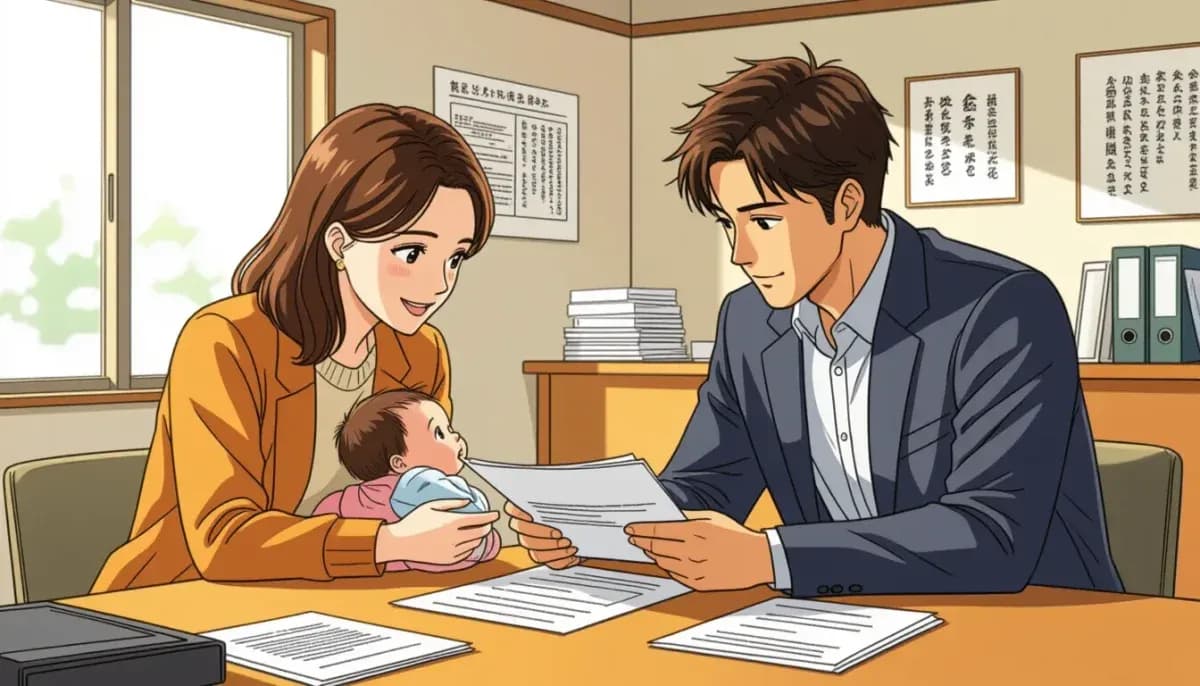
Name Registration Rules for Mixed-Nationality Children
Complete guide to name registration rules for mixed-nationality children in Japan: birth notification deadline, koseki, dual nationality, residence status, and how to avoid statelessness.
Read more →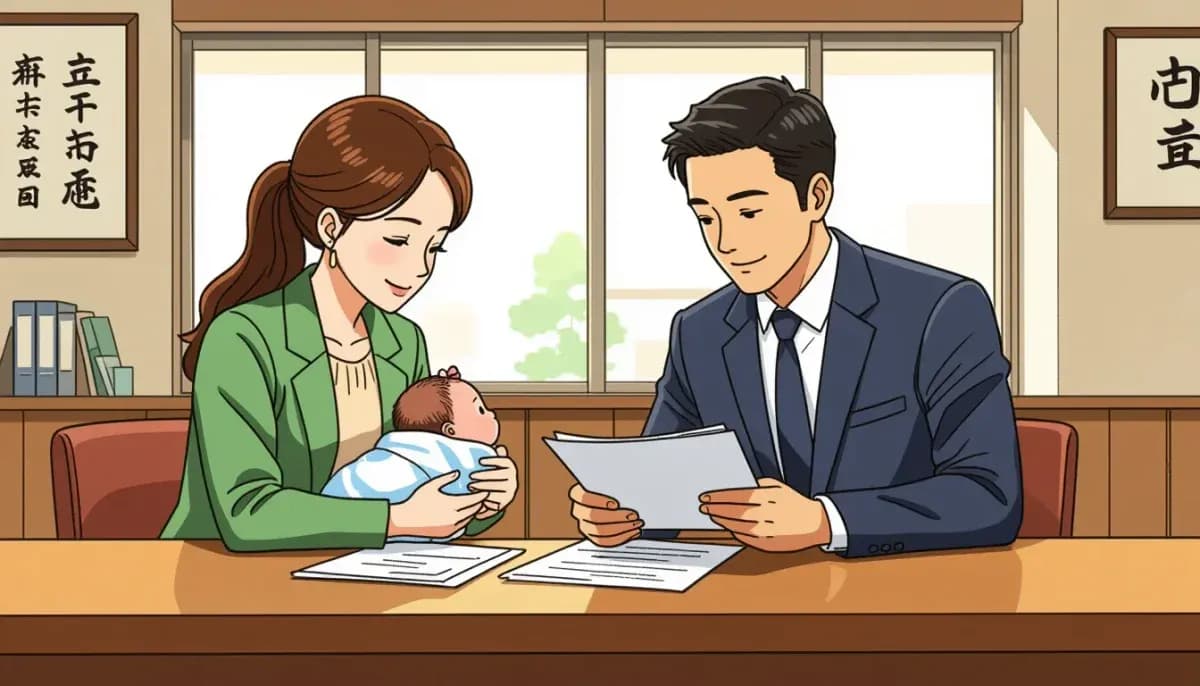
Consular Registration for Children Born in Japan
Complete guide for foreign parents on consular registration for children born in Japan. Learn deadlines, required documents, embassy procedures, and how to avoid statelessness.
Read more →
Common Family Visa Complications and Solutions
Struggling with Japan's dependent visa? Learn the most common family visa complications — income issues, document errors, rejection reasons — and practical solutions to resolve them.
Read more →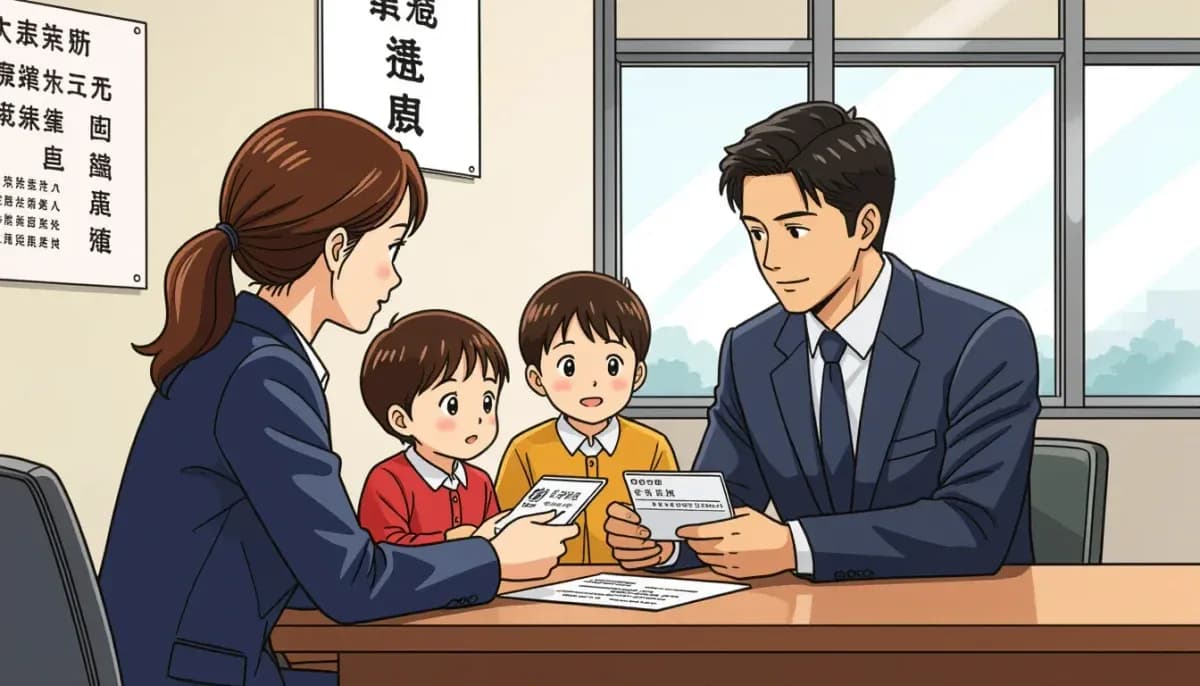
Residence Card (Zairyu Card) Guide for Children
Everything foreign parents need to know about the Zairyu Card (residence card) for children in Japan: how to get it, validity rules for under-16s, the age-16 renewal, carrying requirements, and what to do when a child is born in Japan.
Read more →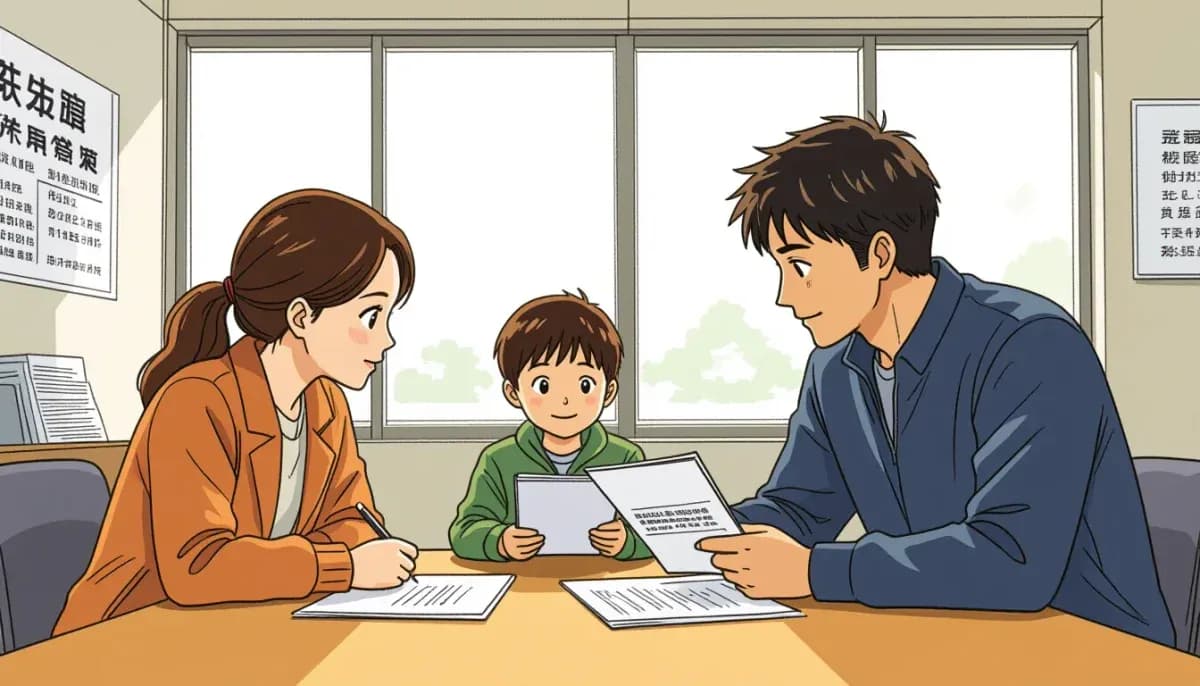
Changing Visa Status When You Have Children
Complete guide to changing visa status for children in Japan: Family Stay visa eligibility, COE process, children born in Japan, 2025 fee updates, and common mistakes to avoid.
Read more →
Re-Entry Permits for Children Leaving and Returning to Japan
Everything foreign families need to know about re-entry permits for children in Japan. Learn about special vs. standard permits, fees, application steps, and critical rules to protect your child's residency status when traveling abroad.
Read more →