
Best Toddler Toys and Games Available in Japan

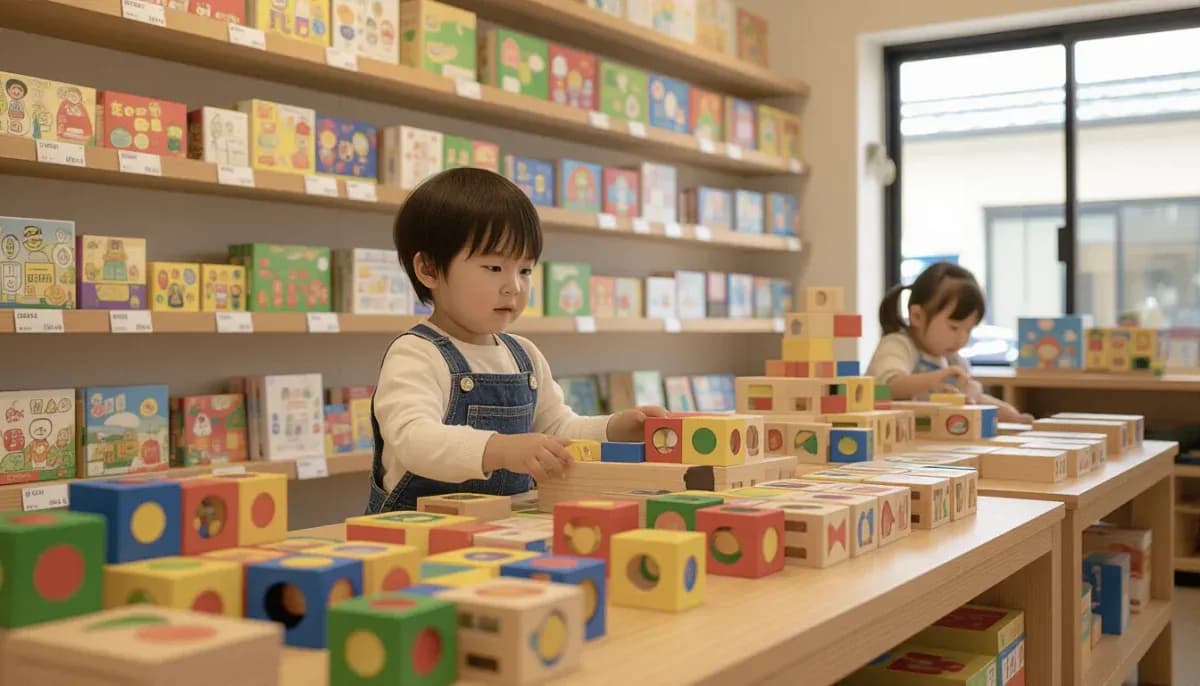
Discover the best toddler toys and games available in Japan for foreign parents. From Anpanman to Tomica cars, wooden educational toys to where to buy them — your complete expat guide.
Best Toddler Toys and Games Available in Japan: A Complete Guide for Foreign Parents
If you're raising a toddler in Japan, you're in luck — Japan is one of the world's most exciting countries for children's toys and games. From iconic Japanese character toys to high-quality wooden educational sets, the options available for children aged 1 to 3 are truly impressive. Whether you're shopping at a local baby store or browsing online, this guide covers everything foreign parents need to know about the best toddler toys and games in Japan.
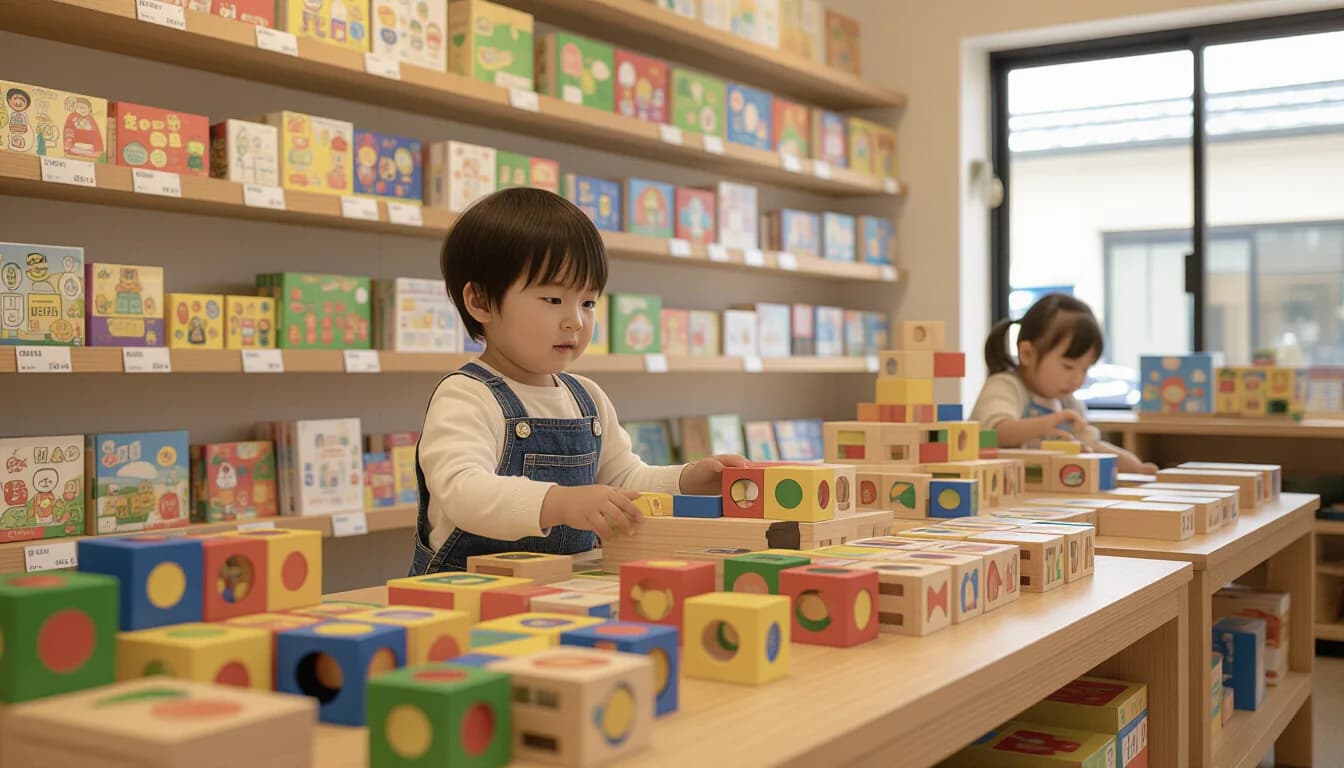
Why Japan Is a Paradise for Toddler Toys
Japan's toy market is one of the largest in the world, reaching an estimated USD 6.9 billion in 2025 and projected to grow to USD 8.9 billion by 2034. The country is home to globally recognized toy giants like Takara Tomy and Bandai, alongside a thriving market for educational toys, wooden toys, and traditional Japanese playthings.
For toddlers specifically, Japan offers an exceptional mix of:
- Culturally unique toys not found elsewhere (Anpanman, Licca-chan, Tomica cars)
- High-quality educational toys focused on early childhood development
- Traditional Japanese toys with centuries of history
- Affordable options through major chain stores and second-hand shops
- International brands at competitive prices
Educational toys are the second-largest market segment in Japan's toy industry, reflecting the strong emphasis Japanese parents place on play-based learning during early childhood.
Top Japanese Toy Brands for Toddlers
Anpanman Toys (by Agatsuma)
Anpanman is arguably the most beloved character among Japanese toddlers. This friendly bread-faced hero appears on everything from shape sorters and pull-along toys to musical instruments and bath toys. Anpanman toys are ideal for ages 1–3 and are widely available at all major baby stores.
Popular picks include:
- Anpanman talking blocks
- Anpanman musical piano
- Anpanman shape sorter (shape puzzle)
Tomica Cars (by Takara Tomy)
Tomica die-cast miniature cars have been a staple of Japanese childhood since 1970. The cars are perfectly sized for toddler hands and come in hundreds of models — from fire trucks and ambulances to bullet trains and construction vehicles. The Tomica Parking Tower and Tomica Road Sets make excellent gifts for 2–3 year olds.
Plarail Trains (by Takara Tomy)
For train-obsessed toddlers (a common passion in Japan!), Plarail is a must. These colorful plastic train sets connect together to create tracks, tunnels, and bridges. Plarail is compatible with many accessories and can grow with your child from age 2 onward.
Licca-chan Dolls (by Takara Tomy)
Japan's answer to Barbie, Licca-chan dolls are smaller, more detailed, and widely considered higher quality. While primarily for children aged 3 and up, the plush mini versions are toddler-friendly. Sets include houses, kitchens, and fashion accessories.
Wooden Toys (kiko+ and gg*)
The Japanese brand kiko+ and gg* produces minimalist, beautifully designed wooden toys for young children. Their products emphasize natural materials and open-ended play, making them popular with parents seeking Montessori-style options. Available online and at specialty toy stores like Bornelund.
Traditional Japanese Toys Toddlers Love
| Toy | Age Range | Description |
|---|---|---|
| Koma (spinning tops) | 2+ | Traditional wooden tops; requires adult help for toddlers |
| Kendama | 3+ | Ball and cup toy; builds coordination |
| Daruma Otoshi | 3+ | Stack and knock-out toy; great for hand-eye coordination |
| Bath Balls (Nyuuyoku) | 1+ | Bath bombs with surprise toy inside; Pokemon, Sanrio editions |
| Karuta cards | 2+ | Japanese card matching game; promotes memory and language |
Traditional toys are widely sold at 100-yen shops (Daiso, Seria) and toy stores alike. Bath balls with small toys inside (featuring popular characters like Pokemon, Sanrio's Hello Kitty, or Anpanman) are a particular hit with toddlers and make excellent affordable gifts.
Best Places to Buy Toddler Toys in Japan
1. Nishimatsuya (西松屋)
With over 1,100 stores nationwide, Nishimatsuya is the most accessible and affordable baby and toddler store in Japan. It carries an extensive selection of age-appropriate toys, educational games, and ride-on vehicles at budget-friendly prices. Look for frequent sales on seasonal items.
2. Akachan Honpo (赤ちゃん本舗)
One of Japan's largest baby specialty chains, Akachan Honpo stocks everything from newborn gear to toddler toys. They carry major Japanese toy brands as well as imported options. Many locations have English-speaking staff, making it foreigner-friendly.
3. Babies "R" Us (トイザらス・ベビーザらス)
The Japanese Babies "R" Us offers the largest selection of international brands — including Graco, Chicco, Fisher-Price, and LEGO DUPLO — alongside Japanese favorites. It's particularly useful for expat parents looking for familiar brands from home.
4. Bornelund (ボーネルンド)
A specialty toy store focused entirely on educational and developmental toys for young children. Bornelund stocks European brands alongside Japanese educational toys, and staff are knowledgeable about age-appropriate choices. Prices are higher, but quality is excellent.
5. Don Quixote (ドン・キホーテ)
Often called a "foreigner's paradise," Don Quijote carries a surprisingly large toys section with imported toys, puzzles, board games, and collectibles at competitive prices. It's a great place to find both Japanese and international toys under one roof.
6. Amazon Japan (Amazon.co.jp)
Amazon Japan is one of the most convenient options for foreign parents, especially those still building their Japanese reading skills. You can browse toys by age category in English, read reviews, and get fast delivery. Prices are often lower than at physical stores, particularly for popular items.
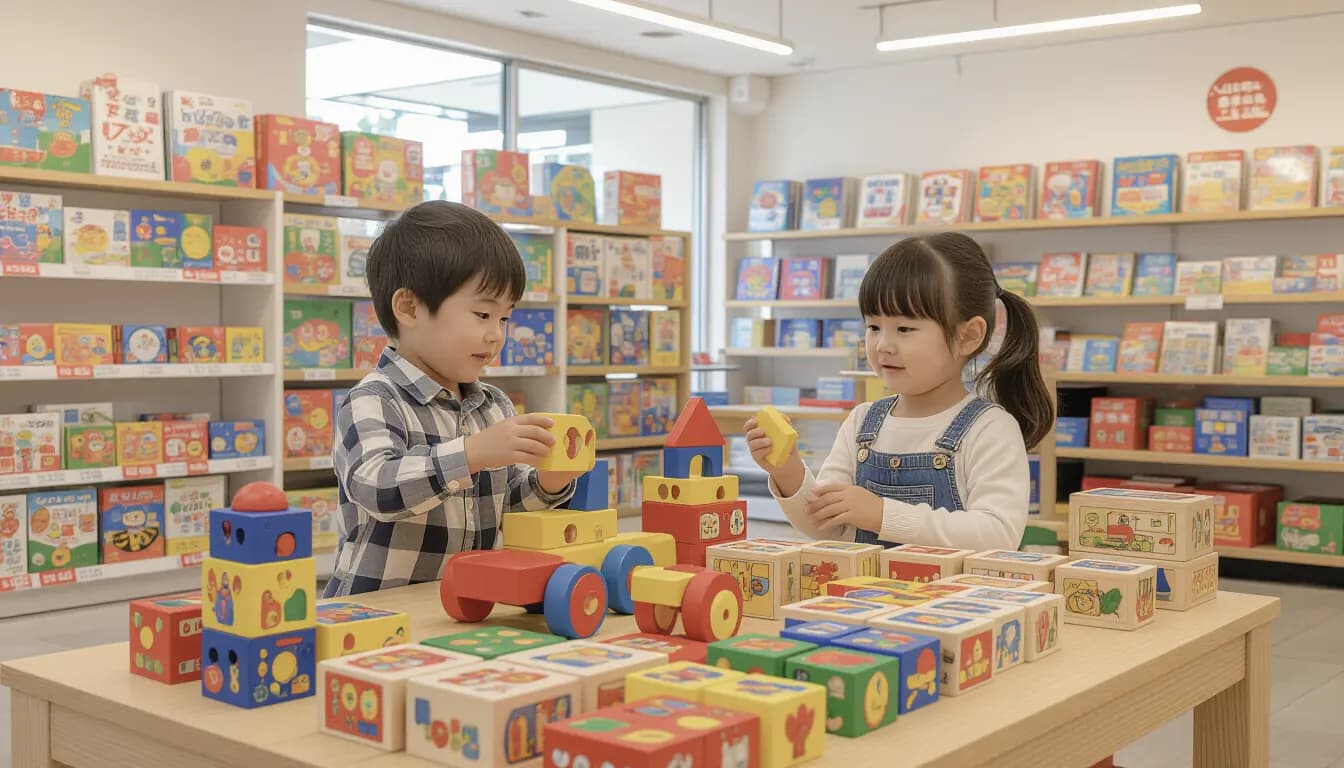
Second-Hand and Budget Options
Japan's second-hand culture is exceptional, and toddler toys are widely available at a fraction of their original cost.
- OffHouse / Hard Off: These chains often have large toy sections with excellent quality second-hand items at very low prices.
- 2nd Street (セカンドストリート): Another nationwide chain with a good selection of used children's toys.
- Expat sayonara sales: Join local Facebook groups and expat communities — departing families often sell high-quality toys at bargain prices.
- Mercari / Rakuma apps: Japan's popular resale apps list thousands of toddler toys daily, often in near-perfect condition.
Educational Toys Worth Investing In
For parents focused on developmental play, these categories are particularly well-represented in Japan:
Wooden blocks and stacking toys: Brands like People (ピープル) and Hikaru Mokusei offer beautifully crafted sets for babies and toddlers. Montessori-style stacking rings, shape sorters, and puzzle boxes are widely available.
Musical instruments: Mini xylophones, drums, and keyboard toys from brands like Kawai Toys and Anpanman encourage musical exploration from age 1.
Sensory play sets: Water tables, sand play kits, and tactile activity boards are available at Akachan Honpo and Bornelund.
Building sets: LEGO DUPLO is widely available in Japan. Japanese brands like LaQ offer a unique alternative — small connectable pieces that work well for toddlers aged 3+.
For more ideas on stimulating your child's development in Japan, check out our guide to toddler parenting in Japan (ages 1–3) and raising bilingual children in Japan.
Tips for Foreign Parents Shopping for Toys in Japan
- Check age labels carefully: Japanese toys use strict age-appropriate labeling (対象年齢). Always check for the recommended age range before purchasing.
- Battery types: Japanese toys often use unique battery sizes. Stock up on単1 (D), 単2 (C), 単3 (AA), 単4 (AAA) batteries.
- Safety standards: Japanese toys meet rigorous ST (Safety Toy) Mark standards — look for the ST logo on packaging.
- Language: Most Japanese educational toys are in Japanese, but many visual/sensory toys work perfectly regardless of language.
- Tokyo baby voucher: Tokyo residents can receive a ¥100,000 voucher for baby products — check with your ward office (区役所) for eligibility.
For general guidance on raising children in Japan as a foreigner, Living in Nihon's complete guide to raising children and education in Japan is an excellent resource. You can also find helpful advice for working parents at For Work in Japan and study support resources at Chuukou Benkyou.
Online Resources for Expat Parents
When it comes to finding Japan-specific toy recommendations and baby product advice, these resources are particularly helpful for foreign parents:
- Japanese Baby Products Guide for Foreign Residents (E-Housing) — a thorough guide on navigating Japanese baby stores
- Best Toy Stores in Japan: Tokyo, Osaka, Kyoto (Tiny Tot in Tokyo) — detailed store-by-store guide written by a foreign parent living in Japan
Also see our related articles on daycare and hoikuen in Japan and baby and infant care in Japan for a complete picture of early childhood in Japan.
Frequently Asked Questions
Can I find international toy brands like Fisher-Price or LEGO in Japan? Yes! Babies "R" Us, Amazon Japan, and Bornelund all carry major international brands. Prices are generally comparable to other countries.
Are Japanese toy stores English-friendly? Most major chain stores (Akachan Honpo, Nishimatsuya) have English product labeling and some English-speaking staff in major cities. Amazon Japan can be navigated in English through your browser's translation feature.
Where can I find cheap toddler toys in Japan? Nishimatsuya offers the best prices among physical stores. For even lower prices, check OffHouse, 2nd Street, and the Mercari app for second-hand options.
Are Japanese toys safe? Japan has strict toy safety regulations. Look for the ST Mark (Safety Toy certification) on packaging — it indicates the toy has passed safety testing for the designated age group.
Raising a toddler in Japan means access to some of the world's best, safest, and most creative toys. From Anpanman to traditional kendama, from Nishimatsuya's bargain bins to Bornelund's curated educational collections, there's something for every child and every budget. Explore local stores, join expat parent groups, and don't underestimate the value of Japan's fantastic second-hand toy market!

Originally from Vietnam, living in Japan for 16+ years. Graduated from Nagoya University, with 11 years of professional experience at Japanese and international companies. Sharing practical information for foreign parents raising children in Japan.
View Profile →Related Articles

Discipline Approaches for Toddlers: Japan vs Western Methods
A practical guide for foreign parents on Japanese vs Western discipline methods for toddlers — including shitsuke, mimamoru, ma no nisai, and how to blend both approaches living in Japan.
Read more →
Seasonal Outdoor Activities for Toddlers in Japan
Discover the best seasonal outdoor activities for toddlers in Japan — from spring cherry blossom picnics to winter snow play. A practical guide for expat families with young children.
Read more →
Toddler Sleep Routines and Challenges in Japan
Navigate toddler sleep in Japan with confidence. Understand co-sleeping norms, late bedtimes, and cultural differences—plus research-backed strategies for better sleep routines for your child.
Read more →
Preparing Toddlers for Daycare or Preschool in Japan
Complete guide for foreign parents on preparing toddlers for Japanese daycare (hoikuen) or preschool (yochien). Covers enrollment, narashihoiku, packing lists, labeling, food introduction, and emotional preparation tips.
Read more →
Toddler Safety in Japanese Homes: Practical Tips
Keep your toddler safe in a Japanese home with our practical guide covering sliding doors, earthquake furniture anchoring, balcony safety, kitchen hazards, and where to buy childproofing products in Japan.
Read more →
Toddler Groups and Parent Meetups in Japan
Find toddler playgroups and parent meetups in Japan as an expat. Complete guide to English-language groups in Tokyo, Osaka, and across Japan for foreign families with young children.
Read more →