Toddler Parenting in Japan: Ages 1 to 3 Guide
Raising a toddler anywhere is a whirlwind of milestones, meltdowns, and magical moments—but doing it in Japan as a foreign parent adds a unique layer of cultural discovery. Whether you arrived in Japan with a one-year-old in tow or your baby just celebrated their first birthday here, this guide covers everything you need to know about navigating the toddler years (ages 1–3) in Japan: from daycare enrollment and government benefits to cultural expectations, healthcare, and practical day-to-day tips.
Japan is genuinely one of the best countries in the world to raise young children, with excellent healthcare, safe streets, clean spaces, and a society that takes child-rearing seriously. But it can also feel bewildering if you don't know the systems, the unwritten social rules, or how to access the support available to you as a foreign resident.
The Japanese Toddler Years: What to Expect Culturally
Japanese society has a rich set of expectations around toddler behavior and parenting philosophy, and understanding these norms will help you feel more at ease—whether you're at the neighborhood park, riding the train, or navigating nursery school culture.
The "Devilish Two-Year-Old" Is Universal
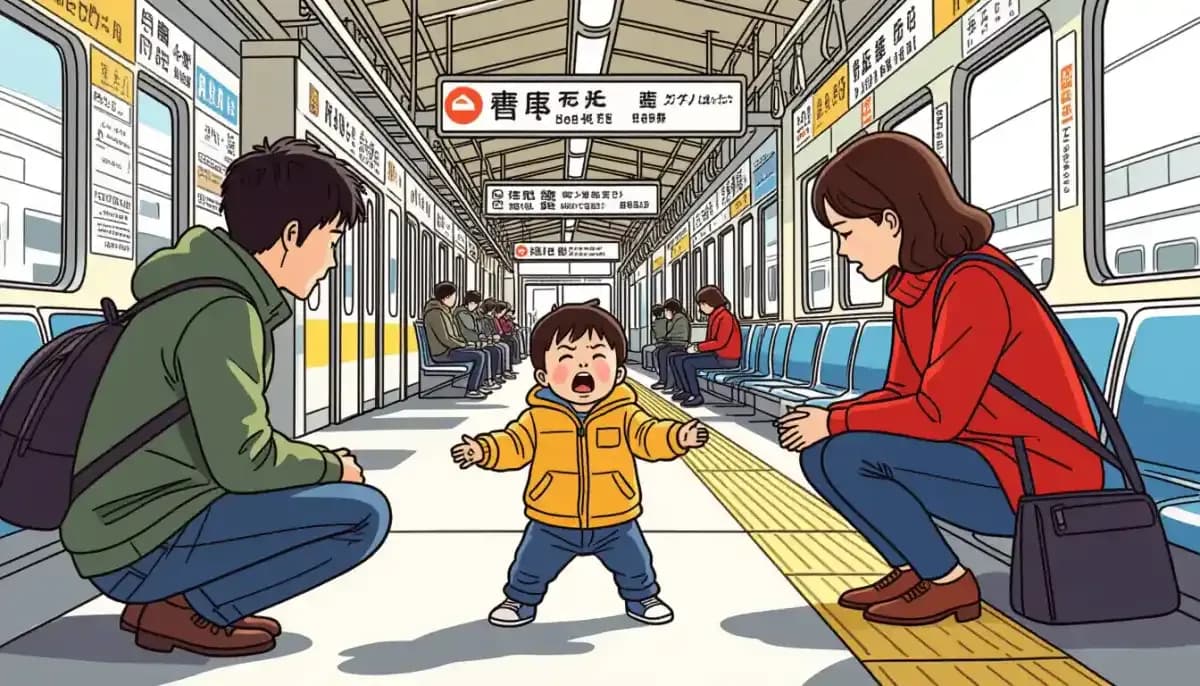
Japan has its own term for the terrible twos: 魔の二歳 (Ma no Nisai)—literally "the demonic age of two." Japanese parents are well-acquainted with toddler tantrums and developmental stubbornness, so you won't be judged for having a screaming toddler in a Family Mart. The cultural response, however, tends to be calm and low-key: Japanese parents typically avoid dramatic public interventions, preferring to let the tantrum pass or quietly redirect.
Shitsuke: The Art of Gentle Discipline
Japanese parenting places a high value on しつけ (shitsuke)—cultivating good habits and social behavior from a young age. Unlike Western discipline approaches that often involve immediate correction in public, Japanese parents tend to:
- Wait until the moment has passed, then discuss behavior calmly
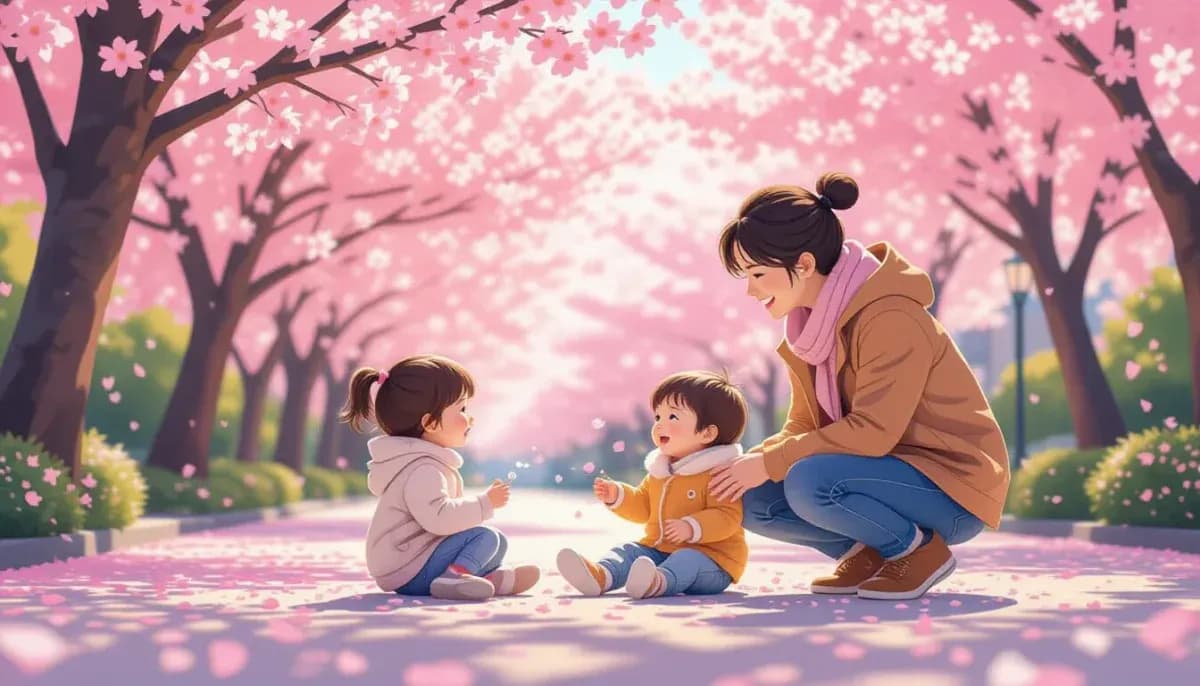
- Crouch down to the child's eye level rather than talking down from above
- Focus corrections on the behavior ("that hurt your friend") rather than the child's character ("you're being bad")
- Model the expected behavior themselves
For foreign parents used to more vocal or immediate correction, this can feel passive—but it reflects a deeper cultural emphasis on empathy, group harmony, and face-saving for both parent and child.
The Three-Year-Old Myth
You may hear Japanese relatives, neighbors, or even some healthcare workers mention 三歳児神話 (sansaiji shinwa)—the "Three-Year-Old Myth," a longstanding belief that mothers must stay home with their children until age three or risk developmental harm. This belief has been officially rejected by Japan's Ministry of Health, Labour and Welfare, and robust research (including a large-scale Japanese study of ~40,000 children published in Scientific Reports in 2024) shows that children who enter group childcare from as early as 6 months actually show superior development across all five domains—communication, gross motor, fine motor, problem-solving, and personal-social skills—by age 3. Don't let this cultural myth pressure you into choices that don't fit your family's needs.
Independence from the Start
Japanese families begin encouraging toddler independence very early. By ages 2–3, many Japanese children are expected to:
- Remove and put on their own shoes at doorways
- Pack small items in their own backpack
- Help fold small laundry items
- Greet neighbors and adults with a bow
This isn't perfectionism—it's a cultural investment in the child's sense of competence and community belonging. As a foreign parent, adopting some of these habits (especially the shoe etiquette) will help your toddler adapt smoothly to any Japanese childcare environment.
Daycare (Hoikuen) for Toddlers Ages 1–3
Enrolling a toddler in daycare in Japan is one of the most important practical steps for working foreign parents. Here's what you need to know.
Types of Childcare
| Type | Japanese Name | Age Range | Cost | Availability |
|---|
| Licensed public nursery | 認可保育園 (hoikuen) | 0–5 years | Free (income-based under 3) | Long waiting list |
| Unlicensed private nursery | 認可外保育施設 | 0–5 years | ¥50,000–¥100,000/month | Immediate |
| Family daycare | 家庭的保育 (保育ママ) | 0–2 years | Low/subsidized | Variable |
| International/English daycare | 英語保育 | 0–5 years | ¥80,000–¥150,000/month | Limited slots |
| Tokyo 0-5 licensed care (from Sep 2025) | 認可保育園 | 0–5 years | Free (all incomes) | Waiting list |
As of September 2025, the Tokyo Metropolitan Government made licensed daycare free for all children ages 0–5 regardless of income—a historic change that benefits foreign families significantly. Outside Tokyo, free access for children under age 3 is still income-dependent, while ages 3–5 are free nationwide since 2019.
The Application Timeline
The Japanese school year begins in April. Applications for licensed daycare (認可保育園) open in October and close in January, with placements announced in February for April entry. Missing this window means waiting an entire year or using an unlicensed facility in the meantime.
For mid-year applications (if you arrive after April), expect a 1–2 month processing time, and note that spots are extremely competitive—especially for children ages 1 and 2, which are the most oversubscribed age groups.
What you need to apply:
- Residence registration (住民票)
- Both parents' work certificates or proof of need for childcare
- Child's health check records
- My Number cards (for the whole family)
For a full step-by-step guide on hoikuen enrollment, see our guide: The Complete Guide to Daycare and Hoikuen in Japan.
You can also find detailed expat childcare tips at Living in Nihon's raising children guide and For Work in Japan's family life guide.
Government Benefits and Financial Support for Foreign Parents
One of the most underutilized advantages for foreign families in Japan is the extensive system of government benefits—most of which are available to any resident with valid visa status and a住民票 (resident registration).
Key Benefits for Toddler-Age Families
児童手当 (Child Allowance)
- ¥15,000/month per child under age 3 (income cap removed as of October 2024—all eligible families now receive this)
- ¥10,000/month per child ages 3–15
- Apply at your ward/city office within 15 days of birth or arrival to maximize retroactive payments
018サポート (0-18 Support, Tokyo only)
- Additional ¥5,000/month per child under 18 for Tokyo Metropolitan residents
- Total combined: up to ¥20,000/month per toddler in Tokyo
Childbirth Lump Sum (出産育児一時金)
- ¥500,000 per birth (even if you gave birth abroad, this may apply depending on your insurance enrollment)
Parental Leave Pay
- 67% of base salary for the first 180 days of leave, then 50%
- Both parents can take leave simultaneously (though uptake among fathers remains culturally lower)
For a comprehensive breakdown of all available benefits, see our Government Benefits and Subsidies for Families in Japan guide. Additional detailed information on Tokyo-specific subsidies is available at E-Housing's Tokyo childcare subsidies 2025 guide.
Healthcare for Toddlers in Japan
Japan's healthcare system is excellent for young children, and foreign resident children have full access to the same public health insurance as Japanese nationals.
The マル子 Card (Child Medical Subsidy Card)
This is the single most important document to obtain for your toddler. After registering your child at the ward office, apply immediately for the 子ども医療費助成 (Child Medical Fee Subsidy)—colloquially called the マル子 card or the 子ども医療証.
What it provides:
- Doctor visits capped at ¥500 per visit (some wards: free)
- Prescription medications: free (varies by ward)
- Covers through at least middle school age; many Tokyo wards cover through high school
- Valid at any participating clinic or hospital
Japan has one of the world's lowest infant mortality rates (consistently top 5 globally), and the toddler checkup system is robust and free.
Standard Toddler Health Checkups
| Age | Checkup Name | What's Checked |
|---|
| 1 year 6 months | 1歳6ヶ月健診 | Motor development, language, dental, nutrition |
| 3 years | 3歳児健診 | Vision, hearing, speech, social development |
| As needed | かかりつけ医 visits | Illness, vaccinations, growth |
These checkups are administered by your local ward/municipality and are free of charge. You'll receive notices by mail; bring your Mother and Child Health Handbook (母子手帳) to every appointment.
Finding an English-Speaking Pediatrician
English-speaking pediatricians are most concentrated in Tokyo's central wards (Minato, Shibuya, Setagaya) and in Yokohama, Osaka, and Kobe. For areas outside these, your ward office can help identify bilingual staff or arrange callback service in English.
For comprehensive information on navigating Japan's medical system with children, see our Healthcare and Medical Care for Children in Japan guide.
Daily Life with a Toddler in Japan
Beyond paperwork and systems, the day-to-day experience of raising a 1–3 year old in Japan has its own rhythm, pleasures, and unwritten rules.
Public Transport with a Toddler
Japan's train and subway system is excellent but has specific etiquette around children and strollers:
- Avoid rush hour (7:30–9:00 AM, 5:30–7:30 PM) with strollers whenever possible
- Use elevators, not escalators, with strollers—look for the elevator icon on signage
- Fold your stroller if the train is crowded; some newer trains have priority stroller spaces
- Never let your toddler stand on the seats—this is taken seriously; other passengers may say something
- Remove your toddler's shoes if they want to sit on the seat
Parks and Playgrounds (公園)
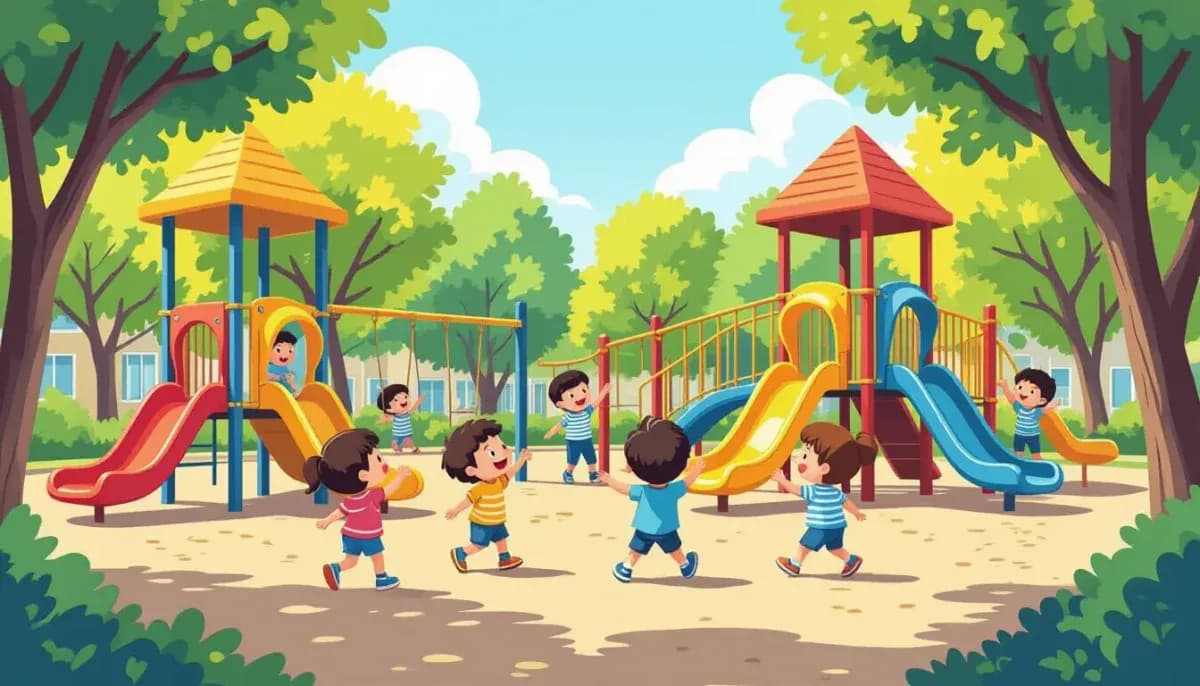
Japan has an excellent network of neighborhood parks, most featuring age-appropriate play equipment for toddlers. 公園 (parks) are genuinely safe, clean, and well-maintained. A few practical notes:
- Most parks have a designated sandbox area (砂場) that toddlers adore
- Bring a change of clothes—sandboxes are thorough
- Some parks have quiet hours or curfews posted (typically after dark)
- Group play (with other toddlers and their parents) is the most natural social onramp
Transition tip from Japanese parents: Before leaving the park, hold up 10 fingers and say "10 minutes!"—then 5—to give your toddler fair warning. This dramatically reduces departure meltdowns and is a widely praised technique among expat parents in Japan.
Dining Out with a Toddler
Family restaurants (ファミレス) like Gusto, Denny's Japan, and Saizeriya are toddler-friendly and usually have high chairs, kids' menus, and relaxed atmosphere. Many department store food courts and shopping mall restaurants are similarly equipped.
At more formal restaurants, it's customary to:
- Call ahead and ask if children are welcome (子供連れでもいいですか)
- Arrive early (avoid the peak dinner rush)
- Clean up any mess your toddler makes before leaving
Diaper Changing and Nursing
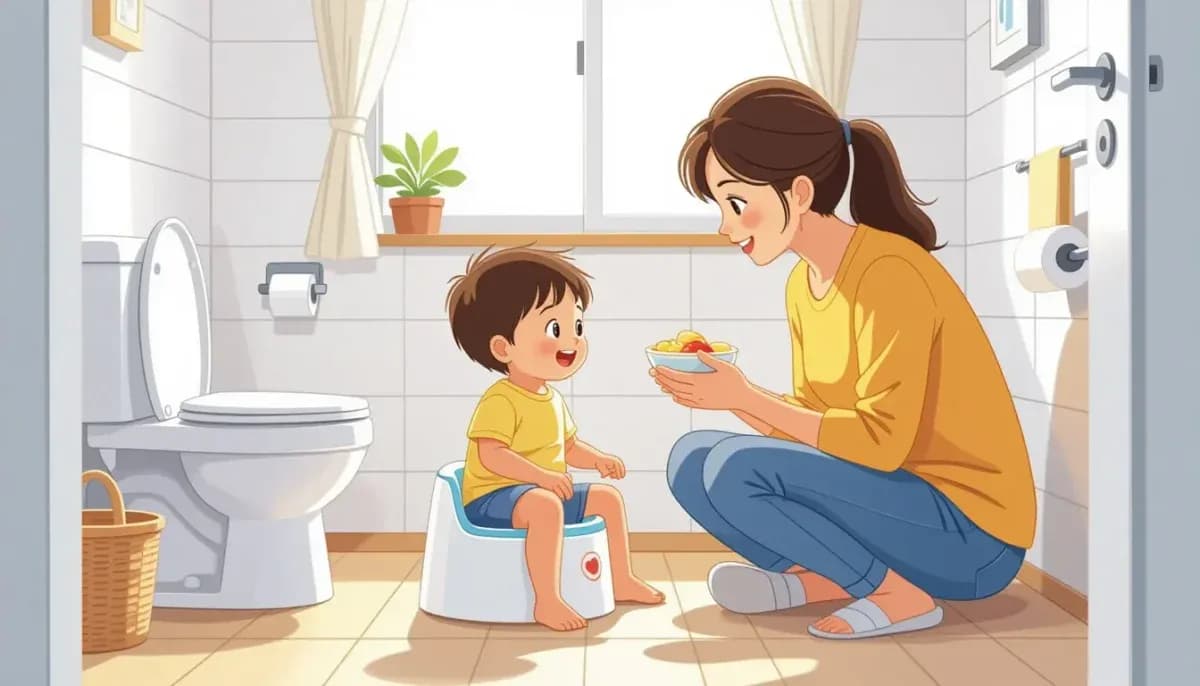
Japan is genuinely excellent for this. Department stores (デパート), most train stations, and shopping centers have dedicated multi-purpose restrooms (多目的トイレ) with:
- Full diaper changing tables
- Nursing chairs and curtains (授乳室)
- Child-sized toilets for potty training toddlers
One rule: take used diapers home or dispose of them in the designated bins (おむつ専用ゴミ箱). Do not put them in regular waste bins.
Language and Communication for Toddlers
Raising a toddler in Japan as a foreign parent inevitably raises questions about language: How will my child learn Japanese? Should I speak my home language at home? Will bilingualism slow development?
The Research Is Clear: Bilingualism Helps
There is no credible evidence that raising a bilingual or multilingual child causes language delay. In fact, exposure to multiple languages strengthens cognitive flexibility, attention, and communication skills. Japanese nurseries will provide abundant Japanese input; your job at home is to maintain your heritage language consistently and confidently.
For practical strategies on bilingual raising, see our Raising Bilingual Children in Japan: Strategies and Tips guide.
At Daycare
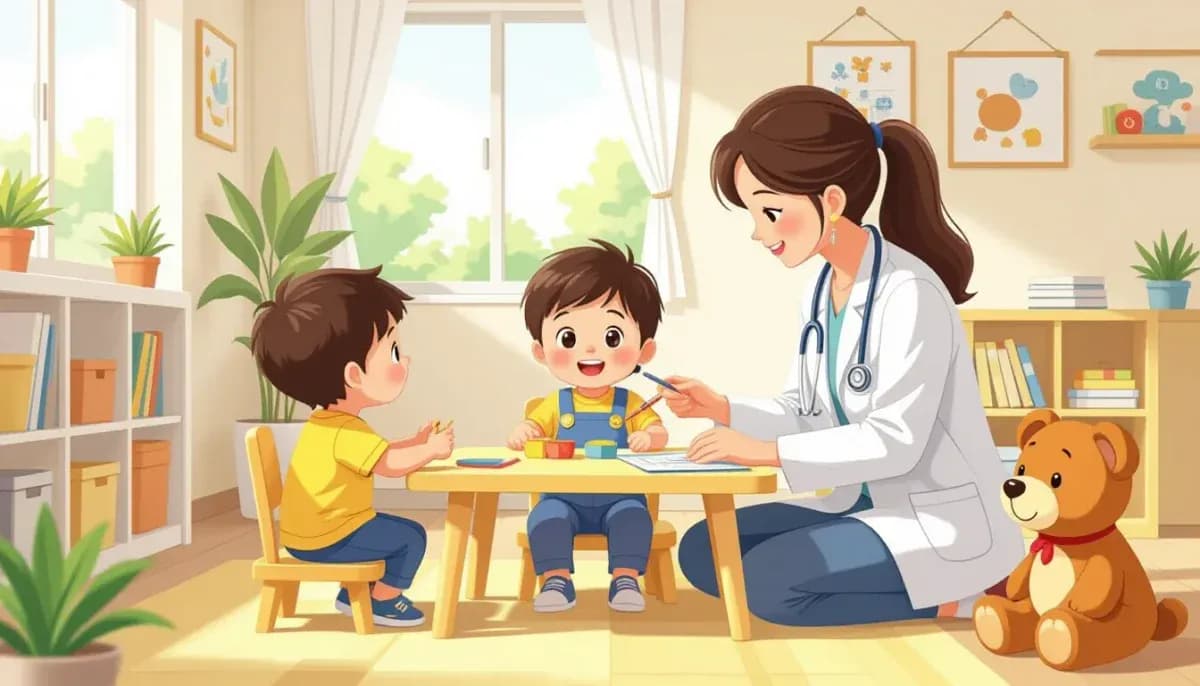
Your toddler will almost certainly arrive at hoikuen with limited Japanese and leave—within a matter of months—speaking it fluently. Children ages 1–3 are language sponges. Japanese daycare workers are accustomed to foreign children and use visual cues, routine, and gesture to bridge language gaps.
You can also find useful resources at Chuukou Benkyou for educational approaches and support for children learning in Japan.
For more strategies on Japanese language acquisition for young children, see Teaching Japanese to Foreign Children: Methods and Resources.
Support Networks for Foreign Parents of Toddlers
One of the best things you can do for yourself and your toddler in Japan is build a community of fellow expat and Japanese parents. The toddler years are isolating everywhere; Japan adds a language barrier on top.
Organizations and Resources
- TELL (Tokyo English Life Line): Counseling and support for English speakers in Japan — telljp.com
- Tiny Tot in Tokyo: Blog and community for parents with young children in Tokyo — tinytotintokyo.com
- Local international exchange associations (国際交流協会): Most wards have one; many offer multilingual childcare consultation and playgroups
- Facebook groups: "Moms (and Dads) in Tokyo / Osaka / Fukuoka" — active, practical, judgment-free communities
- Ward office family support desk: Can connect to English-speaking staff or arrange interpreter callbacks
Kotowari and the Social Fabric
One underrated piece of advice: prioritize daily greetings (あいさつ) with your neighbors and local shopkeepers, even in broken Japanese. Toddlers who see their parents greet the community confidently develop social confidence faster. And a well-known neighbor is a helpful neighbor when you need advice on local nurseries, pediatricians, or park rules.
Common Questions from Foreign Parents of Toddlers
Can I put my toddler in Japanese nursery if they don't speak Japanese? Yes, and it's completely normal. Japanese nursery workers are trained to work with language differences, and toddlers acquire language through immersion with extraordinary speed. Most foreign children are fluent in Japanese within 6–12 months of full-time nursery enrollment.
Is a private (unlicensed) nursery safe? Yes—Japanese safety standards apply to all nurseries, licensed or not. Unlicensed facilities simply don't receive the same level of public subsidy. Standards of care vary, so visit in person and ask for references.
What if my toddler gets sick often at nursery? This is universal and expected. The first year in group childcare typically involves a parade of colds, ear infections, and stomach bugs as the immune system builds up. Keep your pediatrician's number handy, invest in a good thermometer, and know which nearby clinics accept walk-ins.
Do I need Japanese language ability to navigate toddler healthcare? Basic phrases help, but most ward offices have some English-language support, and most pediatric clinics in larger cities have dealt with foreign patients before. The Mother and Child Health Handbook (母子手帳) uses visual charts that transcend language.
Parenting a toddler in Japan is an adventure worth every bureaucratic form and mistaken cultural step. The systems are generous, the society is safe, and the experience of watching your 1–3 year old absorb Japanese culture, language, and food with cheerful openness is one of the genuine gifts of expat family life.
For the next stage, see our guide to Kindergarten in Japan (Yochien): Everything Foreign Parents Need to Know.