
Toddler Meal Ideas with Japanese Ingredients

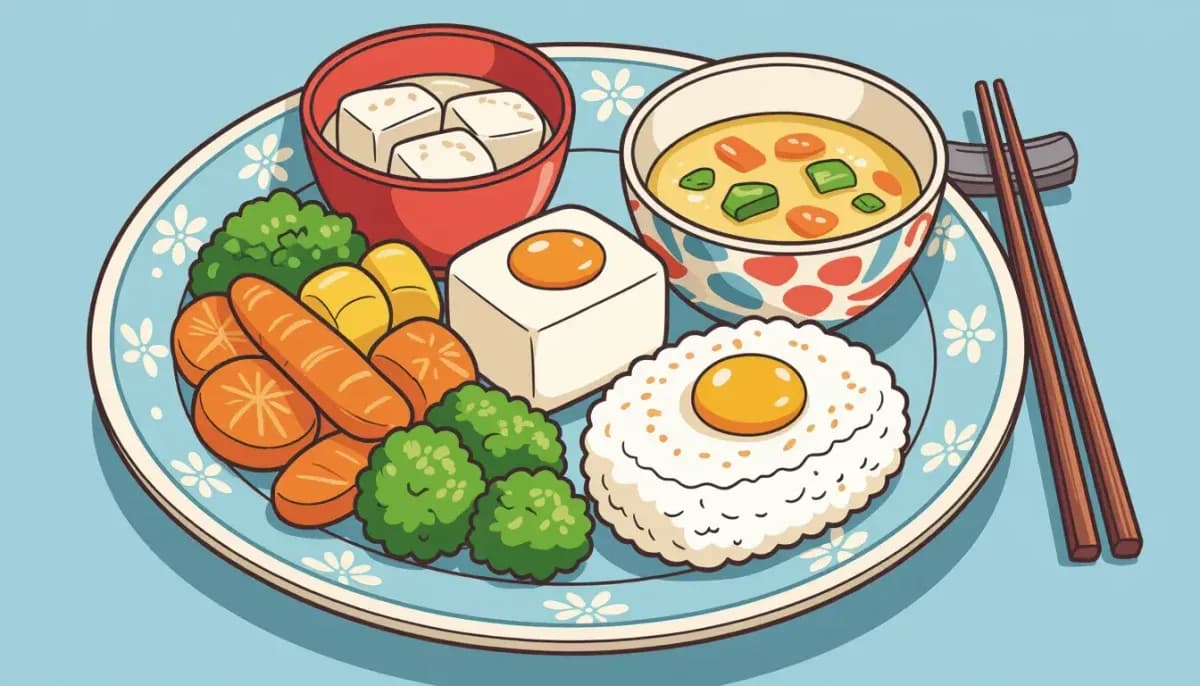
Discover easy and nutritious toddler meal ideas using Japanese ingredients like tofu, dashi, natto, and kabocha. A practical guide for foreign parents raising toddlers in Japan.
Toddler Meal Ideas with Japanese Ingredients: A Guide for Foreign Parents in Japan
Moving to Japan with a toddler means navigating an entirely new food landscape — and the good news is that Japanese cuisine is exceptionally well-suited for young children. From soft, mild-flavored rice porridge to nutrient-dense miso soup and easy-to-hold onigiri, Japan's traditional pantry is packed with toddler-friendly ingredients. This guide walks you through practical meal ideas, key Japanese ingredients to stock in your kitchen, and tips for raising a happy, healthy eater in Japan.
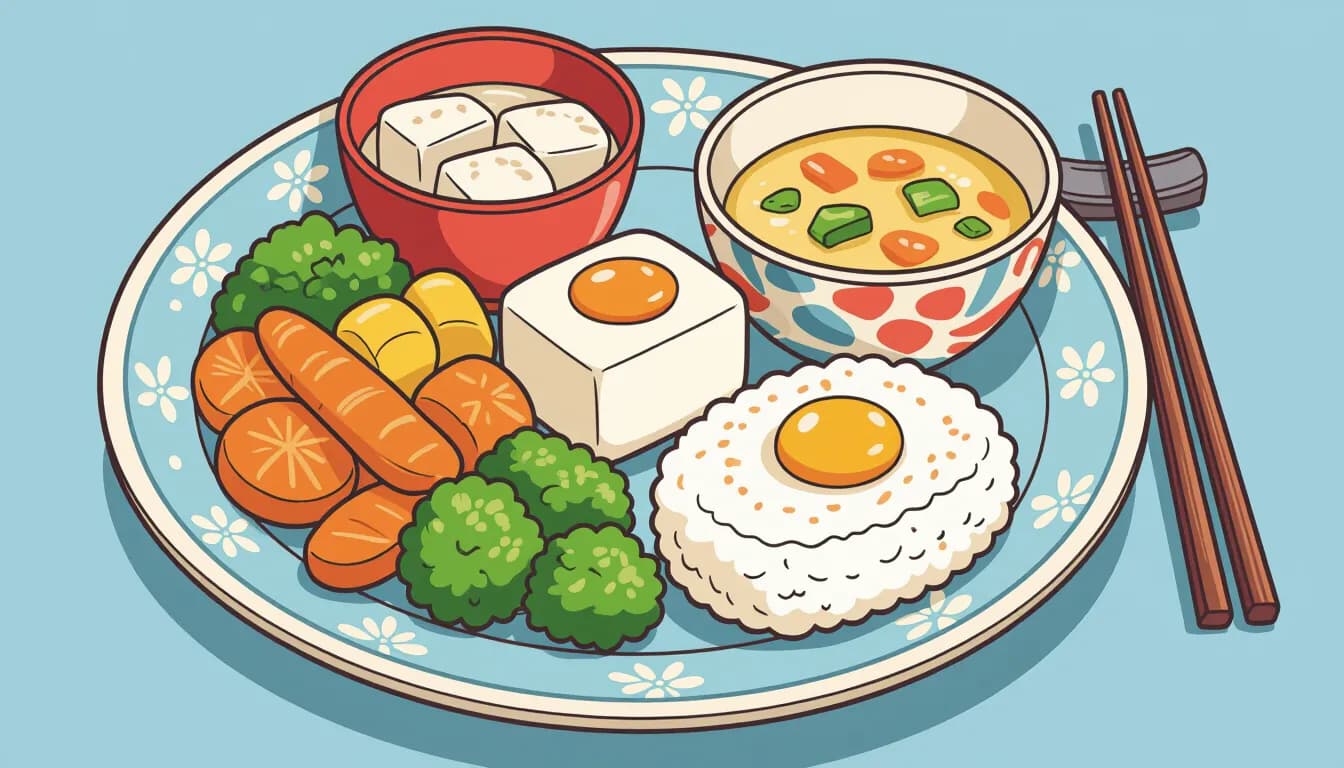
Why Japanese Ingredients Are Great for Toddlers
Japanese food has long been celebrated for its balance of simplicity, umami flavor, and nutritional density. According to health researchers, Japanese children consistently rank among the healthiest in the world — and their diet plays a huge role in that. A study published in the Journal of Nutritional Science found that Japanese children's diets, rooted in rice, fish, soy, and vegetables, support healthy growth, gut health, and immune function.
For foreign parents raising toddlers in Japan, this is great news. Rather than hunting for imported products, you can lean into the local food culture and serve your little one the same wholesome ingredients that Japanese families have used for generations.
Key advantages of Japanese toddler foods include:
- Low in sugar and additives — Traditional Japanese cooking relies on natural umami from dashi, miso, and fermented foods rather than added sugars or preservatives.
- Soft textures — Many staples like tofu, steamed vegetables, udon noodles, and rice porridge (okayu) are naturally soft and easy for toddlers to chew and swallow.
- Rich in nutrients — Ingredients like natto, edamame, salmon, and miso provide protein, omega-3s, calcium, and probiotics.
- Widely available — Everything you need is available at any Japanese supermarket, often at very reasonable prices.
For a broader overview of feeding children in Japan's school system and beyond, check out our guide on Nutrition, School Lunches, and Feeding Children in Japan.
Essential Japanese Pantry Ingredients for Toddler Meals
Building a toddler-friendly kitchen in Japan starts with stocking these key ingredients. Most are available at any supermarket (スーパー, supa) and many convenience stores.
| Ingredient | Japanese Name | Nutritional Benefit | Best Age to Introduce |
|---|---|---|---|
| Rice (short-grain) | ごはん (Gohan) | Energy, B vitamins | 6+ months (as okayu) |
| Tofu (silken) | 豆腐 (Tofu) | Protein, calcium, iron | 6–7 months |
| Dashi (kombu/bonito) | だし (Dashi) | Umami flavor, minerals | 7–8 months |
| Natto | 納豆 (Natto) | Protein, Vitamin K2, probiotics | 9+ months |
| Edamame | 枝豆 (Edamame) | Protein, folate, fiber | 12+ months (mashed first) |
| Kabocha squash | かぼちゃ | Beta-carotene, Vitamin C | 6+ months (pureed) |
| Sweet potato | さつまいも (Satsumaimo) | Fiber, Vitamin A | 6+ months |
| Miso (low-sodium) | 味噌 (Miso) | Probiotics, protein | 12+ months |
| Udon noodles | うどん | Carbohydrates, easy to chew | 9–10 months (cut up) |
| Salmon | 鮭 (Sake) | Omega-3s, protein, Vitamin D | 9+ months (flaked) |
Shopping tip: Look for mutenka (無添加, no additives) versions of miso, dashi, and soy sauce when cooking for toddlers. Many brands also offer reduced-sodium versions specifically labeled for children (kodomo-yo, 子ども用).
For more information on Japanese parenting culture and food norms, Living in Nihon has a helpful guide for foreign families: Raising Children and Education in Japan.
10 Easy Toddler Meal Ideas Using Japanese Ingredients
1. Okayu (Rice Porridge)
The quintessential first food for Japanese babies, okayu is simply rice cooked with extra water until soft and creamy. You can adjust the thickness depending on your toddler's age. Add a small amount of dashi for flavor, or stir in soft-cooked carrot, sweet potato, or a tiny bit of miso.
How to make: Cook 1 part rice with 5–7 parts water over low heat for 30–40 minutes. Stir occasionally.
2. Soft Tofu with Soy Sauce and Bonito Flakes (Hiyayakko)
Silken tofu requires no cooking — simply scoop it into a bowl and top with a tiny drizzle of low-sodium soy sauce and bonito flakes (katsuo-bushi). It's a protein-rich meal that toddlers can eat with a spoon.
3. Udon Noodle Soup
Udon noodles have the perfect soft, chewy texture for toddlers. Cook them in a mild dashi broth, add soft tofu cubes, and some spinach or finely chopped vegetables. Cut the noodles into short pieces for easier eating.
4. Onigiri (Rice Balls)
Onigiri are the ultimate portable toddler food. Shape steamed rice into balls or triangles and fill with toddler-friendly ingredients like flaked salmon, cooked tuna with mayo (light mayo, no added sugar), or umeboshi (plum, though very salty — use sparingly). Skip the nori for younger toddlers to avoid choking.
5. Oyakodon (Chicken and Egg Rice Bowl)
This classic Japanese comfort food is ideal for toddlers. Simmer bite-sized chicken pieces in a mild dashi and low-sodium soy sauce broth, add beaten egg, and serve over rice. The egg creates a soft, silky texture that young children love.
6. Miso Soup with Tofu and Vegetables
A staple of the Japanese table, miso soup can be easily adapted for toddlers by using reduced-sodium miso and soft ingredients like tofu, wakame seaweed, potato, or daikon. Introduce miso after 12 months and serve in small amounts due to its sodium content.
7. Natto Don (Natto Over Rice)
Natto (fermented soybeans) may look and smell unusual to foreign parents, but it's a nutritional powerhouse: high in protein, Vitamin K2, probiotics, calcium, iron, and magnesium. Mix it with a small amount of rice and let your toddler explore the texture. Many Japanese toddlers eat natto daily.
8. Steamed Kabocha with Butter
Kabocha squash is naturally sweet and becomes very soft when steamed. Simply steam cubes until tender, add a tiny bit of unsalted butter, and mash for younger toddlers or serve as soft finger food for older ones. Kabocha is also available frozen (already cut) at many supermarkets.
9. Salmon Flake Rice
Steam or grill a piece of fresh salmon, remove the skin and bones, and flake it finely into rice. Salmon is rich in omega-3 fatty acids important for brain development. You can also buy pre-made salmon flakes (sake no furikake) at the supermarket — look for low-sodium versions without additives.
10. Edamame and Soft Vegetable Plate
Edamame (young soybeans) are a great finger food for toddlers 12 months and older. Boil them in lightly salted water, remove from pods, and serve mashed for younger toddlers. Pair with steamed carrot sticks, sweet potato wedges, and soft broccoli florets for a colorful, nutritious plate.
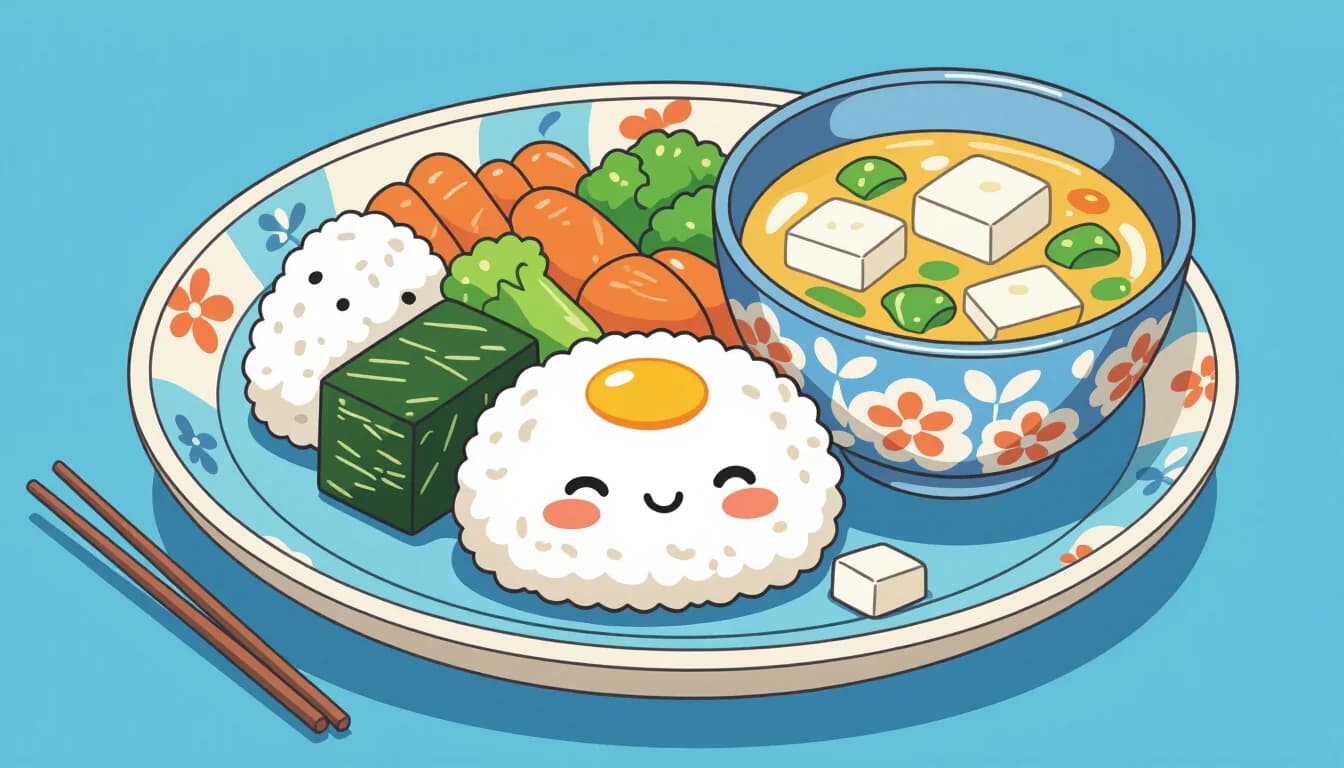
Shopping for Toddler-Friendly Japanese Ingredients
Japan's supermarkets are extremely well-stocked for parents of young children. Here's where to find the best options:
Supermarket chains: Ito-Yokado, Aeon, Life, and Seiyu all carry extensive selections of fresh produce, tofu, natto, and fish. Look for the organic (有機, yuki) and no-additive (無添加, mutenka) sections.
Convenience stores: 7-Eleven, FamilyMart, and Lawson sell onigiri, edamame, soft tofu, and even packaged baby food in a pinch. Options like bananas, cucumbers, and roasted sweet potato are also easy to find.
Co-op delivery services: Services like Pal System (パルシステム) and Co-op Deli (コープデリ) deliver organic vegetables, pre-cut kabocha squash, and other fresh ingredients directly to your door. These are particularly popular among parents of young children in Japan.
Jarred and packaged baby food: Japan has an excellent baby food market. Top brands include Wakado (和光堂), Kewpie (キユーピー), Beanstalk (ビーンスターク), and Meiji (明治). These brands offer freeze-dried meals, organic vegetable purees, and allergen-free options that are useful for busy days or travel.
For more guidance on navigating daily life in Japan as a foreign family, the team at For Work in Japan provides practical resources: Family Life in Japan for Foreigners.
Navigating Allergies and Special Dietary Needs
Japan has a well-developed allergen labeling system. The Ministry of Health, Labour, and Welfare (MHLW) requires manufacturers to label the 8 major allergens (eggs, milk, wheat, shrimp, crab, peanuts, buckwheat, and walnuts) on all packaged food products.
When buying packaged baby food or snacks, look for:
- 7大アレルゲン不使用 — Free from 7 major allergens
- アレルギー対応 — Allergy-friendly
- 無添加 — No additives
If your toddler has a specific allergy, Japanese pediatric clinics (shoni-ka, 小児科) are well-equipped to advise on dietary management. Our article on Healthcare and Medical Care for Children in Japan has more information on finding English-speaking pediatricians.
Tips for Raising an Adventurous Eater in Japan
Living in Japan is actually a wonderful opportunity to expand your toddler's palate. Japanese food culture encourages children to try a wide variety of foods from an early age, and school lunches (kyushoku) expose children to dozens of different ingredients throughout the year.
Here are some practical tips for foreign parents:
- Follow the Japanese weaning schedule. Japanese pediatric guidelines recommend introducing rice porridge at around 5–6 months, then gradually introducing tofu, vegetables, fish, and meat. This gradual approach helps babies adapt to a diverse diet.
- Use dashi instead of salt. Dashi provides umami flavor that makes food more palatable to toddlers without the sodium risks of salt or soy sauce. Dashi packets (dashi pack) are available at any supermarket.
- Don't avoid fermented foods. Natto and miso are excellent for gut health and are completely safe for toddlers from around 9–12 months in age-appropriate amounts. Starting early makes acceptance easier.
- Embrace the *ichiju sansai* model. Traditional Japanese meals follow the "one soup, three dishes" (ichiju sansai) format — a soup, rice, and small side dishes. This naturally creates a balanced, varied meal for toddlers.
- Visit the baby food aisle. Even if you plan to cook from scratch, the Japanese baby food aisle (離乳食コーナー) is worth exploring for convenient, toddler-safe products when you're short on time.
For more insight into toddler development and parenting challenges in Japan, our guide on Toddler Parenting in Japan: Ages 1 to 3 is a comprehensive starting point.
You can also find practical tips on weaning and Japanese baby food at Savvy Tokyo's Kid-Friendly Japanese Food Guide and Tiny Tot in Tokyo's Baby Food Overview.
Additionally, if you're interested in the educational food environment your toddler will eventually enter, see our overview of Nutrition, School Lunches, and Feeding Children in Japan for what to expect once your child starts daycare or kindergarten.
Chuukou Benkyou also offers helpful resources on educational milestones and child development in Japan: Visit Chuukou Benkyou.
Conclusion
Japan is an excellent country to raise a toddler when it comes to food. The local cuisine is naturally suited to young children — soft, mild, nutritious, and varied. By leaning into Japanese staples like okayu, tofu, natto, miso soup, and onigiri, you can offer your toddler a diet that is both deeply nourishing and culturally enriching.
Whether you're shopping at a local supermarket, ordering from a Co-op delivery service, or picking up packaged baby food from a convenience store, the ingredients for healthy, delicious toddler meals are always within reach. Embrace the Japanese approach to eating — fresh, balanced, and varied — and your little one will likely thrive.
For more support on raising children as a foreign parent in Japan, explore our related guides on Baby and Infant Care in Japan and Understanding Japanese Parenting Culture.

Originally from Vietnam, living in Japan for 16+ years. Graduated from Nagoya University, with 11 years of professional experience at Japanese and international companies. Sharing practical information for foreign parents raising children in Japan.
View Profile →Related Articles

Discipline Approaches for Toddlers: Japan vs Western Methods
A practical guide for foreign parents on Japanese vs Western discipline methods for toddlers — including shitsuke, mimamoru, ma no nisai, and how to blend both approaches living in Japan.
Read more →
Seasonal Outdoor Activities for Toddlers in Japan
Discover the best seasonal outdoor activities for toddlers in Japan — from spring cherry blossom picnics to winter snow play. A practical guide for expat families with young children.
Read more →
Toddler Sleep Routines and Challenges in Japan
Navigate toddler sleep in Japan with confidence. Understand co-sleeping norms, late bedtimes, and cultural differences—plus research-backed strategies for better sleep routines for your child.
Read more →
Preparing Toddlers for Daycare or Preschool in Japan
Complete guide for foreign parents on preparing toddlers for Japanese daycare (hoikuen) or preschool (yochien). Covers enrollment, narashihoiku, packing lists, labeling, food introduction, and emotional preparation tips.
Read more →
Toddler Safety in Japanese Homes: Practical Tips
Keep your toddler safe in a Japanese home with our practical guide covering sliding doors, earthquake furniture anchoring, balcony safety, kitchen hazards, and where to buy childproofing products in Japan.
Read more →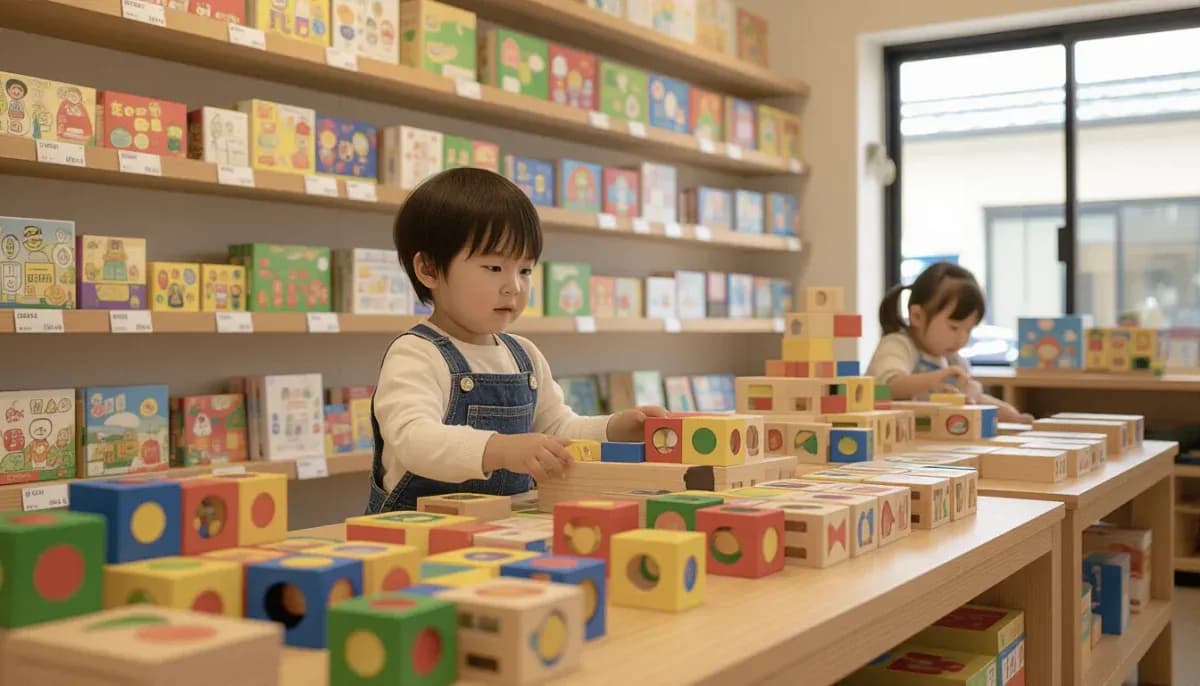
Best Toddler Toys and Games Available in Japan
Discover the best toddler toys and games available in Japan for foreign parents. From Anpanman to Tomica cars, wooden educational toys to where to buy them — your complete expat guide.
Read more →