
Discipline Approaches for Toddlers: Japan vs Western Methods


A practical guide for foreign parents on Japanese vs Western discipline methods for toddlers — including shitsuke, mimamoru, ma no nisai, and how to blend both approaches living in Japan.
Discipline Approaches for Toddlers: Japan vs Western Methods
If you've ever watched a toddler meltdown unfold on a Tokyo train, you may have noticed something surprising: Japanese parents often respond with quiet calm, stepping aside, waiting — while their Western counterparts might instinctively intervene with immediate verbal correction. This difference isn't accidental. It reflects deeply rooted cultural philosophies about how children learn, what respect means, and what discipline is actually for.
As a foreign parent raising young children in Japan, understanding the contrast between Japanese and Western discipline approaches isn't just intellectually interesting — it's practically essential. You'll encounter these differences in daycare, in playgrounds, in comments from Japanese neighbors, and in your own parenting decisions every day.
This guide breaks down the core philosophies, methods, and practical implications of Japanese vs Western toddler discipline, so you can make informed choices for your family.
What Is "Discipline" in Japan? Understanding Shitsuke
In Japanese, the word for discipline is shitsuke (躾). But shitsuke doesn't translate neatly as "punishment" or "behavior correction." It carries the meaning of training, upbringing, and formation — the idea that discipline is a long-term shaping process, not a reactive response to bad behavior.
Shitsuke is rooted in the belief that children are inherently good and capable of learning appropriate behavior through consistent modeling, repetition, and gentle guidance. Parents and caregivers are responsible for demonstrating the behavior they want to see, rather than simply commanding it.
Key principles of shitsuke include:
- Modeling over commanding: Adults demonstrate behavior rather than issuing verbal instructions
- Prevention over reaction: Creating routines and environments that set children up to behave well
- Private correction: Addressing misbehavior away from others to preserve dignity and group harmony
- Long-term formation: Discipline is about building character, not stopping individual incidents
This stands in contrast to many Western approaches, which emphasize immediate feedback, verbal explanation of rules, and clear consequences applied at the moment of misbehavior.
The Mimamoru Philosophy: Teaching by Watching
One of the most distinctive Japanese concepts in toddler development is mimamoru (見守る) — literally "to watch over" or "to protect by observing." In early childhood education, mimamoru is a deliberate pedagogical strategy: educators and parents intentionally step back and allow children to work through conflicts and challenges on their own.
At a Japanese hoikuen (nursery) or yochien (kindergarten), you may observe teachers standing nearby while toddlers argue over a toy, watching attentively but not intervening. This isn't neglect — it's intentional. The assumption is that children have the innate capacity to learn social skills like negotiation, empathy, and conflict resolution through direct experience.
In Western settings, educators are typically trained to intervene quickly in peer conflicts, provide verbal mediation, and model language for expressing emotions. The result is often more adult-guided problem solving but potentially fewer opportunities for children to develop autonomous social skills.
For expat parents, the mimamoru approach can feel unsettling at first — especially if you're worried your toddler is being overlooked. But understanding the philosophy helps: Japanese caregivers are highly engaged; they're just engaging differently. You can read more about how Japanese preschool and daycare settings operate in our guide to daycare and hoikuen in Japan for foreign parents.
The Terrible Twos: Ma no Nisai and How Japan Handles Them
Japan has its own term for the "terrible twos": ma no nisai (魔の2歳児), which translates roughly as "the devilish two-year-olds." The cultural acknowledgment of this developmental stage is universal — Japanese parents absolutely recognize that toddlers around age two go through intense emotional volatility.
What differs is the response. Japanese parents are generally less likely to attempt to suppress or immediately stop a tantrum through verbal redirection or negotiation. Instead, they may:
- Allow the tantrum to run its course while remaining physically present and emotionally steady
- Remove the child from public spaces without drama (the "train platform crouch" — crouching down in a quiet corner to speak privately — is a classic Japanese parent move)
- Avoid lengthy verbal explanations during emotional peaks, waiting until the child is calm to address the behavior
- Rely heavily on routine and structure to prevent situations that trigger tantrums in the first place
Western approaches — particularly those popular in North American parenting culture — tend to emphasize emotional coaching during the tantrum itself: naming the child's feelings, validating their frustration, and using language to help the toddler regulate. Both approaches have merit; they simply prioritize different tools.
Public Behavior and Group Harmony: A Key Cultural Difference
Japan is a society that places enormous value on group harmony, consideration for others, and maintaining a peaceful public environment. For toddlers, this means behavioral expectations in public settings are often stricter — and enforced more consistently — than in many Western countries.
On Tokyo trains, it's common to see toddlers sitting quietly beside their parents, not because Japanese children are naturally more obedient, but because parents invest heavily in teaching public behavior from very early ages. A child running loudly in a train carriage or restaurant will draw visible discomfort from other passengers, and Japanese parents are acutely aware of this social pressure.
For Western parents, this can feel stressful. If your toddler has a meltdown in a convenience store, the silence around you can feel judgmental. It's worth understanding that Japanese adults are generally sympathetic to parents of young children — they simply express that sympathy quietly, not by offering verbal support or ignoring the noise.
Practical tips for managing public behavior differences:
- Bring quiet toys, snacks, and books for train rides and restaurant visits
- Leave before a meltdown fully peaks rather than managing it in public
- Don't feel ashamed — Japanese parents have toddler struggles too, they just handle them privately
- Lower your own expectations for long public outings with toddlers under age 3
If you're navigating toddler life more broadly in Japan, our guide on toddler parenting in Japan ages 1 to 3 covers the full picture.
Comparison Table: Japanese vs Western Discipline Approaches for Toddlers
| Aspect | Japanese Approach | Typical Western Approach |
|---|---|---|
| Core philosophy | Shitsuke — long-term formation and training | Behavior modification — immediate correction |
| Intervention style | Mimamoru — watchful non-intervention | Active mediation and verbal guidance |
| Tantrum response | Allow it to run, remove from public, private correction | Emotional coaching during the tantrum |
| Public behavior expectations | High — group harmony prioritized | More tolerant of child noise in public |
| Role of verbal explanation | Minimal during conflict; used when calm | Extensive verbal explanation at point of behavior |
| Physical punishment | Legally banned since 2020; culturally rare | Varies; also increasingly discouraged |
| Attachment in early years | Very high — mothers typically with child most hours | More time away from child accepted earlier |
| Peer conflict handling | Children allowed to self-resolve (mimamoru) | Adult-mediated conflict resolution |
Japanese Discipline and the Law: What Foreign Parents Should Know
In 2019, Japan amended its Child Abuse Prevention Act to explicitly ban corporal punishment by parents, which came into force in April 2020. This makes Japan's legal framework around discipline broadly aligned with most Western countries, where physical punishment has been banned or is strongly discouraged.
Before this change, research data revealed that over 60% of Japanese 3-year-old toddlers (born in 2010 cohort studies) had been spanked at some point. The legal reform reflects a significant cultural shift — one that continues to unfold.
For foreign parents from countries where corporal punishment is already prohibited (much of Europe, Canada, New Zealand, etc.), Japan's current framework will feel familiar. For parents from countries where it remains legal, it's important to know that physical discipline of children is not acceptable in Japan, legally or socially.
More broadly, Japan's child welfare system has become increasingly attentive to family situations, with child guidance centers (jidosodan) playing an active role. If you're navigating the Japanese healthcare and welfare system with young children, see our guide on healthcare and medical care for children in Japan.
For additional context on raising children in Japan as a foreigner, Living in Nihon's guide to raising children and education in Japan offers a comprehensive overview of education and upbringing from a foreign resident perspective.
Blending Japanese and Western Approaches: A Practical Strategy for Expat Families
Most foreign parents living in Japan end up with a hybrid approach — incorporating elements of both Japanese and Western discipline philosophies. This is entirely valid, and arguably healthier than rigidly adhering to either cultural script.
Here's how to think about integrating the two:
Adopt from Japanese practice:
- Use routine and structure consistently — Japanese toddler schedules (eating, sleeping, activity times) are often more regimented than Western ones, and this actually reduces toddler stress
- Practice mimamoru selectively — allow your toddler space to work through small conflicts before jumping in
- Address public misbehavior quietly and privately rather than making a scene
- Model the behavior you want; lecture less
Keep from Western practice:
- Emotional coaching — naming feelings and validating your toddler's emotional experience is strongly supported by developmental research
- Direct verbal communication — Japanese children do receive explanations, but Western parents often feel more comfortable with more explicit language and that's fine
- Individual expression — Japanese culture can sometimes suppress individual needs in favor of group harmony; it's healthy to let your toddler know their feelings and preferences matter
For families raising bilingual children, it's also worth thinking about how discipline language works across languages — correction and tone land differently in Japanese vs English. Our guide on raising bilingual children in Japan has useful context on language and identity.
What Japanese Daycares and Kindergartens Expect From Your Toddler
One practical area where cultural differences become very concrete is in what Japanese early childhood institutions expect from toddlers. Understanding this helps you prepare your child — and manage your own expectations.
Japanese hoikuen and yochien typically expect toddlers to:
- Remove and arrange their own shoes at the entrance by age 2-3
- Sit quietly during group activities
- Follow routines independently (changing clothes, eating lunch with chopsticks by kindergarten age)
- Handle conflicts with peers without adult intervention (in line with mimamoru)
- Clean up toys and materials together as a group
These expectations may feel high, but Japanese educators scaffold them patiently and consistently. Your child will likely adapt faster than you expect — children are remarkably adaptable to institutional culture.
For a full breakdown of what to expect at Japanese preschool level, see our kindergarten in Japan guide for foreign parents.
You can also find practical information on family life from a working-in-Japan perspective at For Work in Japan's family life guide, and for resources in Japanese on child development topics, Chuukou Benkyou covers study and development themes for children.
Finding Balance as a Foreign Parent in Japan
Living cross-culturally as a parent means constantly navigating two (or more) sets of norms, expectations, and instincts. There is no single "right" approach to toddler discipline — Japanese or Western — and the research broadly supports this. What matters most is consistency, warmth, responsiveness to your individual child's temperament, and the relationship of trust you build with your toddler over time.
Japanese parenting philosophy offers genuinely valuable insights: the patience of mimamoru, the dignity of private correction, the long-view of shitsuke as formation rather than punishment. Western approaches offer their own strengths: emotional language, individual validation, and explicit communication.
As a foreign parent in Japan, you're in a unique position to draw on both. Your toddler will grow up navigating multiple cultures — giving them parents who do the same is a gift.
For more on raising children in Japan as a foreign family, explore Savvy Tokyo's in-depth piece on Japanese discipline approaches and Japan Today's cultural analysis of Japanese disciplining methods.
See also our related guides on baby and infant care in Japan for foreign parents, mental health and emotional wellbeing for foreign children in Japan, and cultural identity for hafu and mixed-race children in Japan.

Originally from Vietnam, living in Japan for 16+ years. Graduated from Nagoya University, with 11 years of professional experience at Japanese and international companies. Sharing practical information for foreign parents raising children in Japan.
View Profile →Related Articles
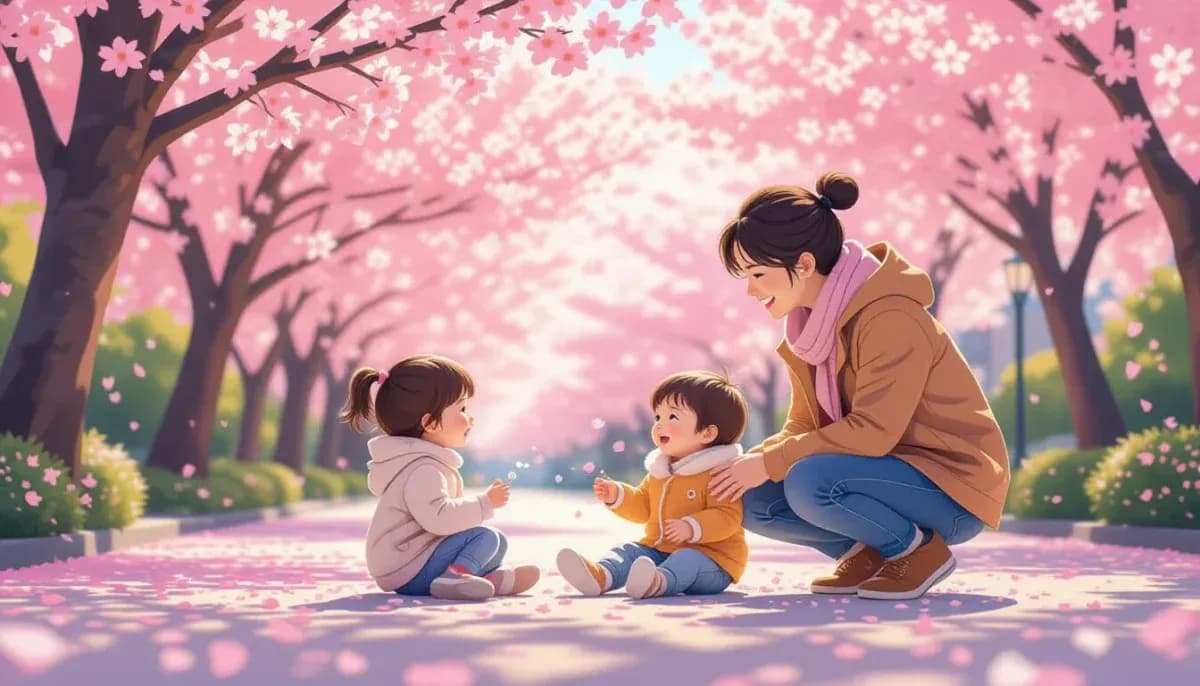
Seasonal Outdoor Activities for Toddlers in Japan
Discover the best seasonal outdoor activities for toddlers in Japan — from spring cherry blossom picnics to winter snow play. A practical guide for expat families with young children.
Read more →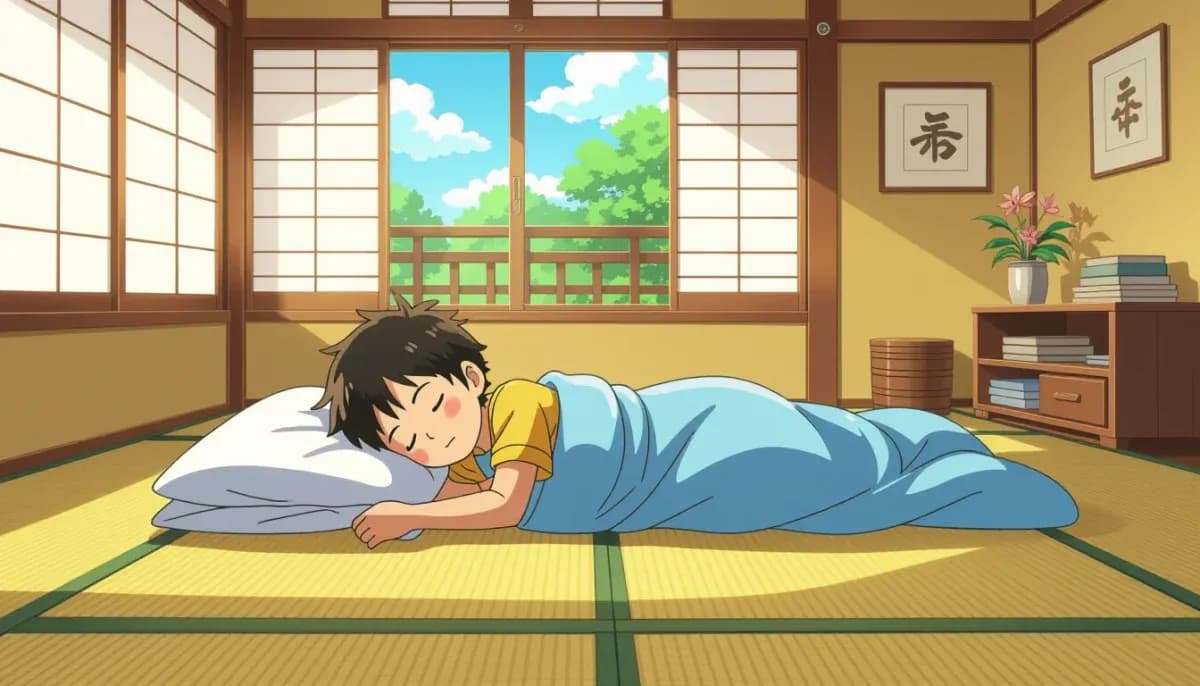
Toddler Sleep Routines and Challenges in Japan
Navigate toddler sleep in Japan with confidence. Understand co-sleeping norms, late bedtimes, and cultural differences—plus research-backed strategies for better sleep routines for your child.
Read more →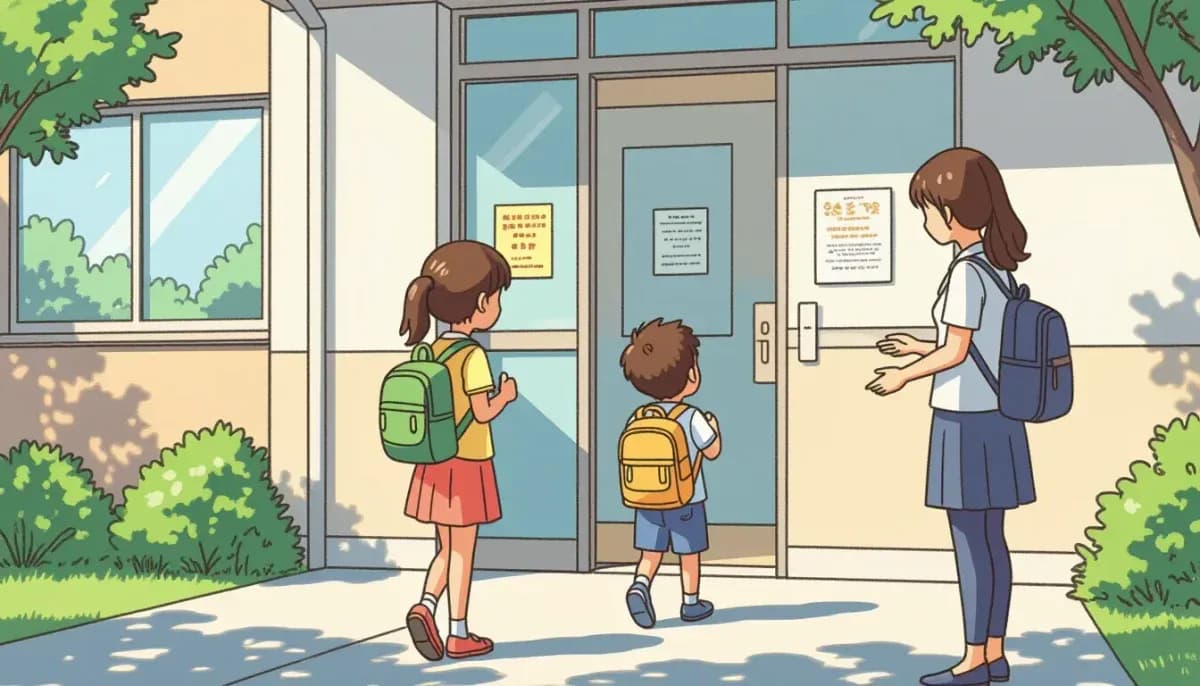
Preparing Toddlers for Daycare or Preschool in Japan
Complete guide for foreign parents on preparing toddlers for Japanese daycare (hoikuen) or preschool (yochien). Covers enrollment, narashihoiku, packing lists, labeling, food introduction, and emotional preparation tips.
Read more →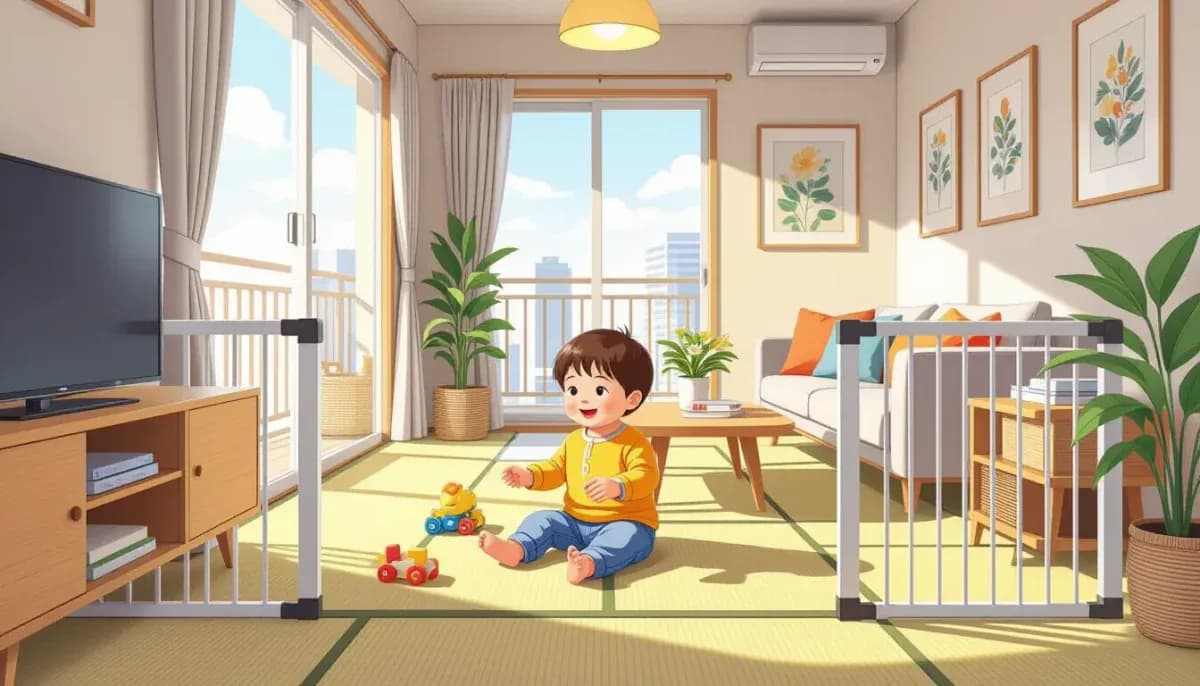
Toddler Safety in Japanese Homes: Practical Tips
Keep your toddler safe in a Japanese home with our practical guide covering sliding doors, earthquake furniture anchoring, balcony safety, kitchen hazards, and where to buy childproofing products in Japan.
Read more →
Best Toddler Toys and Games Available in Japan
Discover the best toddler toys and games available in Japan for foreign parents. From Anpanman to Tomica cars, wooden educational toys to where to buy them — your complete expat guide.
Read more →
Toddler Groups and Parent Meetups in Japan
Find toddler playgroups and parent meetups in Japan as an expat. Complete guide to English-language groups in Tokyo, Osaka, and across Japan for foreign families with young children.
Read more →