
Indoor Play Facilities for Toddlers in Japan

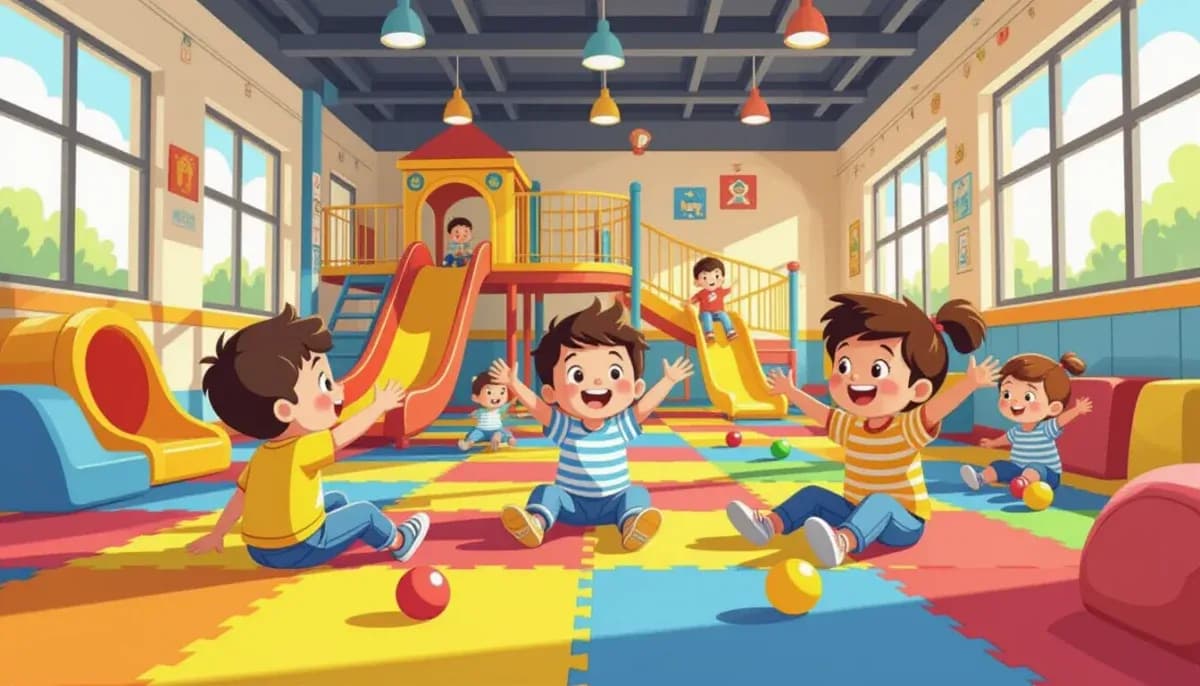
Discover the best indoor play facilities for toddlers in Japan — from free municipal play centers to commercial play gyms. Tips for foreign parents on navigating Japan's indoor play scene.
Indoor Play Facilities for Toddlers in Japan: The Complete Guide for Foreign Parents
Japan is famous for being a highly child-friendly country, and nowhere is this more evident than in its remarkable range of indoor play facilities. For foreign parents raising toddlers in Japan, these spaces offer a fantastic opportunity for your child to develop, socialize, and have fun — regardless of the weather outside. Whether you are navigating a rainy season downpour, escaping the intense summer heat, or simply looking for a safe and stimulating environment for your one-to-three-year-old, Japan's indoor play landscape has something for every family.
This comprehensive guide covers the main types of indoor play facilities available across Japan, how to find them in your area, what to expect as a foreign visitor, practical tips for toddler visits, and how to make the most of these spaces on any budget.
Types of Indoor Play Facilities in Japan
Understanding the different categories of indoor play facilities will help you choose the right one for your toddler's age, interests, and your family's budget.
Children's Play Centers (キッズルーム / Play Gyms)
These are large, dedicated indoor play spaces typically found in shopping malls and commercial complexes. They feature ball pools, soft-play climbing structures, slides, and age-separated zones. Most are commercially operated and charge an entry fee of approximately ¥600 to ¥1,500 per child. Adults are usually admitted free or at a reduced rate.
ASOBono! at Tokyo Dome City is one of Japan's most well-known large-scale indoor play centers. Serving children from 6 months to elementary school age, it features themed zones including "Adventure Ocean" and "Toy Forest," providing toddlers with ball pools, climbing structures, and imaginative play areas in a safe and hygienic environment. Similar facilities operate under the name Kid-O-Kid by Bornelund, which has multiple locations across Japan. These serve children from 6 months to 12 years and are staffed with trained "play leaders" who actively support parent-child interactions — a reassuring feature for foreign parents who may feel uncertain navigating Japanese childcare environments.
Municipal Indoor Play Spaces (こどもの広場 / 子育て支援センター)
One of Japan's best-kept secrets for foreign parents on a budget is the network of free or very low-cost municipal play spaces operated by local governments. These are typically located inside community centers, child welfare centers, or dedicated family support centers. They offer toys, play mats, and activities for infants and toddlers, and many host regular events, storytime sessions, and parent meetups.
These spaces are not always well-advertised in English, but searching for 子育て支援センター (child-rearing support center) or こどもの広場 (children's plaza) on Google Maps in your area will often reveal nearby options. Many ward offices in major cities also maintain English-language information about local family facilities.
Children's Museums and Educational Play Centers
Japan has several excellent children's museums that combine education with play — ideal for curious toddlers. Kids Plaza Osaka was Japan's first full-scale interactive children's museum and includes dedicated baby and toddler zones, free stroller rentals, nursing rooms, and diaper-changing facilities. Many of its exhibits feature bilingual signage, making it particularly accessible to foreign families.
In Tokyo, facilities like KidZania Tokyo in Toyosu (for children aged 3 and above) allow children to role-play over 100 different professions in a scaled-down city, earning the park's own currency. While most signage is in Japanese, staff are often helpful and the activities are visually intuitive.
Soft Play Areas in Malls and Department Stores
Many Japanese shopping malls and department stores feature small soft-play corners or children's play rooms, sometimes free of charge with purchase or simply open to all visitors. These are an excellent option for shorter visits or when you need to manage shopping alongside toddler playtime. Department stores (デパート) in particular often have well-equipped children's floors with play corners, nursing rooms, and child-sized furniture.
Indoor Climbing and Physical Play Gyms
Older toddlers (ages 2-3) may enjoy dedicated physical play gyms featuring indoor climbing walls, trampolines, and obstacle courses. These are more common in urban areas and typically require advance booking. Facilities like LEGOLAND Discovery Center (locations in Tokyo Odaiba and Osaka) cater to children from ages 3 and up, featuring interactive LEGO exhibits, 4D cinema, and workshops — particularly engaging for imaginative toddlers.
Key Indoor Play Facilities by City
Japan's indoor play scene is concentrated in major urban areas, though you will find options in most cities and towns.
| City | Facility | Age Range | Entry Fee | Features |
|---|---|---|---|---|
| Tokyo (Bunkyo) | ASOBono! Tokyo Dome | 6m–12yr | ¥1,000–¥1,500 | Ball pool, themed zones, baby area |
| Tokyo (Toyosu) | KidZania Tokyo | 3–15yr | ¥2,500–¥4,000 | Roleplay city, 100+ professions |
| Tokyo (Odaiba) | LEGOLAND Discovery Center | 3–10yr | ¥2,000+ | LEGO exhibits, 4D cinema |
| Tokyo (Minato) | Itochu SDGs Studio Kids Park | 0–6yr | Free | Ball pit, soft play, pre-booking required |
| Osaka (Juso) | Kids Plaza Osaka | 0–12yr | ¥1,400 | Museum, bilingual signs, nursing room |
| Osaka (Umeda) | Skids Garden | 0–9yr | ¥800–¥1,200 | Ball pool, projection mapping |
| Osaka (Namba) | Yu Kids Island | 0–6yr | ¥600–¥900 | Slides, trampolines |
| Nationwide | Kid-O-Kid by Bornelund | 6m–12yr | ¥700–¥1,200 | Play leaders, educational focus |
| Nationwide | Municipal Play Centers | 0–5yr | Free–¥100 | Community events, toys, parent meetups |
Practical Tips for Foreign Parents Visiting Indoor Play Facilities
Visiting a Japanese indoor play facility with your toddler is generally a smooth and enjoyable experience, but there are a few cultural norms and practical considerations that will help you feel confident on your first visit.
Shoes Off Is Standard
Almost every indoor play facility in Japan requires shoes to be removed at the entrance. You and your toddler will typically change into soft socks or slippers provided by the facility, or go barefoot in designated areas. To make this easier, wear shoes that are simple to remove and put back on — this applies to both you and your toddler.
Advance Booking Is Often Required
Many popular facilities, particularly on weekends and during school holidays, fill up quickly. Facilities like Itochu SDGs Studio Kids Park and some Kid-O-Kid locations require online advance reservations. It is worth checking the facility's website (often available in Japanese only) or using Google Translate to navigate the booking process. Arriving at popular venues without a reservation on a Saturday may result in a long wait or being turned away.
Nursing and Diaper-Changing Rooms Are Excellent
Japan's indoor play facilities typically feature well-equipped nursing rooms (授乳室, jyunyuushitsu) and diaper-changing stations. These are also widely available in train stations, shopping malls, and department stores throughout the country. As a foreign parent, you can feel confident that your toddler's care needs will be well catered for wherever you visit.
Language Barriers Are Manageable
Many facilities, especially in major cities, will have at least some bilingual signage. Staff may not speak English fluently, but they are typically very patient and helpful. Google Translate's camera function works well for Japanese menus and signs. Learning a few basic Japanese phrases — such as "何歳から入れますか?" (nan-sai kara hairemasu ka? — "From what age can children enter?") — will help smooth interactions.
Age Restrictions Are Enforced
Japanese play facilities tend to strictly enforce age and height restrictions for safety reasons. This is actually beneficial for toddler visits, as many facilities have dedicated baby and toddler zones separate from older children, providing a safer and calmer environment. Check the age restrictions for specific areas before visiting.
For detailed reviews of specific indoor play facilities across Tokyo and Japan, Japan with Family maintains an updated guide to the best indoor playgrounds in central Tokyo — excellent for planning day trips with toddlers.
For safety-focused information about children's play facilities in Japan, SafeKidsPlay provides a comprehensive overview of the top 10 indoor playgrounds across the country, with notes on facility standards and age-appropriate zones.
For more guidance on navigating Japanese parenting as a foreigner, Living in Nihon is a helpful resource covering daily life topics for international residents in Japan.
Budget Options: Free and Low-Cost Indoor Play in Japan
Indoor play doesn't have to be expensive. Japan has a robust network of free and subsidized play spaces that many foreign parents overlook.
Municipal Child Support Centers (子育て支援センター): Found in virtually every city ward, these free centers offer indoor play spaces with toys, regular scheduled events, and a welcoming atmosphere for parents and toddlers. They are excellent for meeting local parents and building community connections. Staff are often trained in early childhood development and can provide advice on local family resources.
Library Children's Corners: Most public libraries in Japan have a dedicated children's corner with picture books, floor play mats, and sometimes toys. These are free and offer a calm, stimulating environment for toddlers interested in books and quiet activities.
Department Store Play Corners: Many department stores and shopping centers have free play corners on their children's floors, accessible without purchase. These vary in size and quality but are often a convenient option during shopping trips.
Community Center Events: Ward community centers (区民センター, kumin sentaa) often host free or low-cost parent-and-toddler activity sessions, crafts days, and seasonal events. Checking your local ward's official website or notice board (in Japanese) can reveal a rich calendar of family-friendly activities.
For working parents looking for structured care options alongside play, For Work in Japan provides useful information about family support options for foreign residents balancing careers and child-rearing in Japan.
Finding Indoor Play Facilities Near You
Locating indoor play facilities in Japan is straightforward with the right tools:
Google Maps Search Terms:
- キッズルーム (kids' room)
- 室内遊び場 (indoor play space)
- 子育て支援センター (child support center)
- 屋内遊び場 (indoor playground)
- こどもの広場 (children's plaza)
Searching these terms on Google Maps with your current location will surface a wide range of options, from large commercial play centers to small free municipal facilities. Many listings include photos, reviews, and opening hours, making it easy to plan your visit.
Activity Japan (activityjapan.com) also provides English-language listings for indoor play activities and facilities across Japan's major regions, including rainy-day activity recommendations suitable for toddlers.
For parents interested in educational approaches to toddler development through play, resources like Chuukou Benkyou cover learning approaches and child development topics relevant to families in Japan.
Making the Most of Indoor Play for Toddler Development
Indoor play facilities are not just about entertainment — they play a crucial role in toddler development during the ages of one to three. In Japan's well-designed play centers, toddlers have access to environments that support gross motor development through climbing, sliding, and crawling; fine motor skills through sand play, building blocks, and creative activities; social development through interactions with other children; language development through play and exposure to Japanese alongside their home language; and sensory development through varied textures, sounds, and experiences.
For foreign families, time spent at community play centers can also be an important social bridge — meeting Japanese parents and other international families helps build the support networks that are vital for parents navigating life abroad. Many foreign parents have found lasting friendships and invaluable local knowledge through their local 子育て支援センター.
Our guide on after-school activities and extracurriculars in Japan covers more options for structured activities as your toddler grows, and the sports and physical activities guide for children in Japan provides additional ideas for keeping active kids engaged.
For the full context of raising a toddler in Japan, see our comprehensive guide to toddler parenting in Japan for ages 1 to 3.
Seasonal Considerations for Indoor Play
Japan's seasons significantly influence when indoor play becomes particularly valuable:
Rainy Season (June–July): The tsuyu (梅雨) brings weeks of persistent rain, making indoor facilities essential for maintaining toddlers' activity levels and sanity. This is the busiest season for indoor playgrounds, so advance booking is particularly important.
Summer Heat (July–August): Japan's humid summers make outdoor play uncomfortable and potentially dangerous for young children during peak daytime hours. Indoor play centers offer air-conditioned refuge for energetic toddlers.
Winter Cold (December–February): While Japan's winters vary by region — from mild in Osaka to snowy in Hokkaido — indoor play provides a warm, safe option regardless of outdoor temperatures.
Public Holidays and School Breaks: Facilities become significantly busier during national holiday periods (Golden Week in late April–early May, Obon in August, and New Year). If visiting during these times, book well in advance and consider arriving at opening time to avoid crowds.
What to Bring to an Indoor Play Facility in Japan
Preparation makes a big difference for a smooth toddler play visit:
- Non-slip socks: Many facilities require socks for hygiene and safety reasons. Pack a spare pair.
- Change of clothes: Toddlers will inevitably get involved with water play, sand, or enthusiastic snacking.
- Snacks and drinks: While many facilities have cafes or vending machines, bringing familiar snacks helps if your toddler is a picky eater.
- IC card or cash: Some facilities only accept cash, though larger ones increasingly accept card and QR payments.
- Reservation confirmation: If you have booked online, save the confirmation to your phone.
- Baby carrier or compact stroller: Most facilities are stroller-accessible, but a baby carrier is useful for navigating crowded indoor spaces with a younger toddler.
Conclusion
Japan's indoor play facility landscape is genuinely impressive — ranging from free municipal play centers to large-scale commercial children's museums — and offers foreign parents excellent options for entertaining, developing, and socializing their toddlers year-round. By understanding the different types of facilities available, preparing for cultural norms like shoes-off policies and advance reservations, and using Japanese search terms to find local options, you can make these spaces a regular and rewarding part of your family's life in Japan.
Whether you are looking for a free community center to meet other parents or a full-day adventure at a themed indoor play complex, Japan has something to offer every toddler and every budget. With a little preparation and a spirit of exploration, indoor play time in Japan can become one of the most enjoyable aspects of raising young children in this remarkable country.

Originally from Vietnam, living in Japan for 16+ years. Graduated from Nagoya University, with 11 years of professional experience at Japanese and international companies. Sharing practical information for foreign parents raising children in Japan.
View Profile →Related Articles

Discipline Approaches for Toddlers: Japan vs Western Methods
A practical guide for foreign parents on Japanese vs Western discipline methods for toddlers — including shitsuke, mimamoru, ma no nisai, and how to blend both approaches living in Japan.
Read more →
Seasonal Outdoor Activities for Toddlers in Japan
Discover the best seasonal outdoor activities for toddlers in Japan — from spring cherry blossom picnics to winter snow play. A practical guide for expat families with young children.
Read more →
Toddler Sleep Routines and Challenges in Japan
Navigate toddler sleep in Japan with confidence. Understand co-sleeping norms, late bedtimes, and cultural differences—plus research-backed strategies for better sleep routines for your child.
Read more →
Preparing Toddlers for Daycare or Preschool in Japan
Complete guide for foreign parents on preparing toddlers for Japanese daycare (hoikuen) or preschool (yochien). Covers enrollment, narashihoiku, packing lists, labeling, food introduction, and emotional preparation tips.
Read more →
Toddler Safety in Japanese Homes: Practical Tips
Keep your toddler safe in a Japanese home with our practical guide covering sliding doors, earthquake furniture anchoring, balcony safety, kitchen hazards, and where to buy childproofing products in Japan.
Read more →
Best Toddler Toys and Games Available in Japan
Discover the best toddler toys and games available in Japan for foreign parents. From Anpanman to Tomica cars, wooden educational toys to where to buy them — your complete expat guide.
Read more →