
Best Toddler-Friendly Parks and Play Spaces in Japan

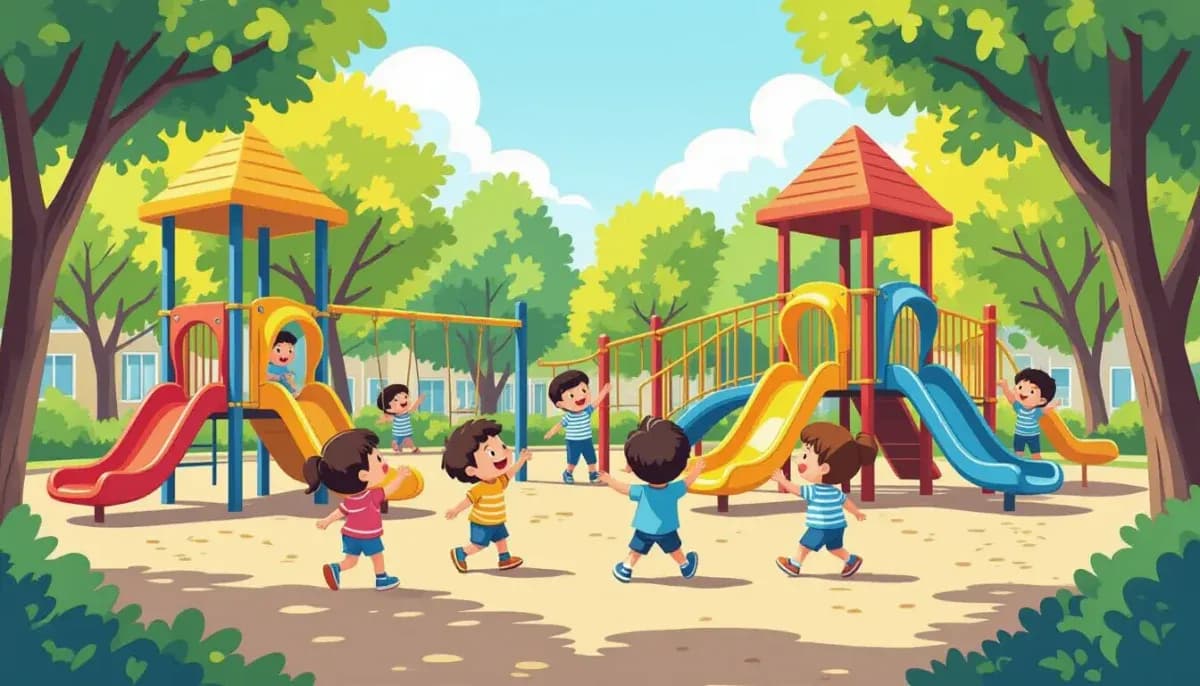
Discover the best toddler-friendly parks, outdoor playgrounds, and indoor play centers in Japan. A practical guide for foreign parents and expat families with young children.
Best Toddler-Friendly Parks and Play Spaces in Japan
Japan is one of the most welcoming countries in the world for families with young children. From sprawling urban parks designed with tiny adventurers in mind to purpose-built indoor play centers packed with age-appropriate equipment, the country takes play seriously. If you are raising a toddler in Japan as a foreign parent — or visiting with one — you will find an impressive range of parks and play spaces to explore across the country.
This guide covers the best outdoor parks, indoor play facilities, and shopping-complex play areas for toddlers in Japan, along with seasonal tips and practical advice for navigating these spaces as an expat family.
Types of Play Spaces Available in Japan
Japan offers several distinct categories of play environment for young children, each with its own advantages:
Outdoor municipal parks (公園 kōen): Free, open all day, and found in virtually every neighborhood. Quality and equipment vary widely, but many are well-maintained with modern climbing structures, swings, and sand pits.
Large urban parks: Major parks in cities like Tokyo and Osaka offer expansive green space, duck ponds, cycle paths, and dedicated children's play zones. These are ideal for a full-day outing.
Indoor play centers (室内遊び場 shitsunai asobiba): Paid facilities specifically designed for toddlers and young children, featuring soft-play zones, ball pools, climbing structures, and creative activity areas. Usually air-conditioned and equipped with nursing rooms and nappy-changing stations.
Department store and shopping mall rooftops: A uniquely Japanese phenomenon — many department stores (デパート depāto) maintain rooftop gardens or play areas, particularly in Tokyo. These are convenient for families already doing errands.
Water parks and creek play areas: Seasonal outdoor water features where children can wade, splash, and cool off during Japan's hot summers.
For a broader perspective on raising toddlers in Japan, see our Toddler Parenting in Japan: Ages 1 to 3 Guide.
Best Outdoor Parks for Toddlers in Tokyo
Wanpaku Tenkoku (Naughty Heaven)
Located about 10 minutes from the Skytree in east Tokyo, Wanpaku Tenkoku is widely regarded as one of the best free outdoor playgrounds in the city. The intricate wooden design features bridges, rope ladders, climbing platforms, and slides of varying heights. The park also provides free equipment loans — including unicycles, balance bikes, and stilts — making it suitable for children at different developmental stages. Families with toddlers tend to use the lower-level structures, while older children tackle the elevated climbing sections.
Oyokogawa Water Park
Also situated near the Skytree, Oyokogawa Water Park is particularly popular with toddlers during summer months. The centerpiece is a man-made shallow creek where children can safely wade and splash. A three-story ship-themed slide and additional long slides provide plenty of physical activity. The park is landscaped with trees and greenery, offering welcome shade on hot days.
Ueno Park
One of Tokyo's most famous parks, Ueno is entirely pushchair-friendly with wide, smooth paths throughout. The park surrounds Ueno Zoo, and families often combine a morning at the playground with an afternoon watching pandas, elephants, and gorillas. Open spaces allow toddlers to run freely, and multiple food stalls and restaurants are available on-site.
Komazawa Olympic Park (West Tokyo)
Built for the 1964 Tokyo Olympics, Komazawa Park is a huge multipurpose green space in Setagaya Ward. The children's play area includes modern equipment alongside wide open lawns ideal for picnics. Cycle rentals are available, and the park's flat layout is ideal for pushchairs and small children on balance bikes.
Inokashira Park (Kichijoji, West Tokyo)
Inokashira Park in Kichijoji is one of Tokyo's most beloved green spaces. The large pond at its center can be explored by rental paddle boats — popular with toddlers who love watching the water. An animal park section (paid admission) includes small animals and is sized appropriately for young visitors. The park's forested paths are stroller-friendly and beautiful year-round.
For tips on getting the most out of Japan's seasonal park experiences, visit the Japanese Holidays, Festivals, and Seasonal Events for Families guide.
Best Indoor Play Centers for Toddlers in Japan
Indoor play facilities are invaluable during Japan's rainy season (June–July), the intense summer heat (August), and cold winter months.
ASOBono! (Tokyo Dome City, Bunkyo Ward)
ASOBono! is one of Tokyo's largest and best-known indoor play centers for young children. Occupying a dedicated floor within Tokyo Dome City, it features themed zones including an "Adventure Ocean" area and "Toy Forest." A standout feature for families with very young toddlers is the Crawl Garden — a padded, enclosed space specifically designed for children aged 0 to 2. Nursing rooms, nappy-changing stations, and baby food vending machines are all available on-site. The connected complex includes hotels, restaurants, and shopping, making it convenient for a full day out.
Chikyū no Niwa (Earth Garden)
Operated at locations throughout Japan from Sendai to Okinawa, Chikyū no Niwa is a chain of infant and toddler play spaces typically located inside shopping centres. Each facility divides play zones by age — a Baby Area for under-ones and a Kids Area for older toddlers — making the environment feel safer and less chaotic than mixed-age facilities. The age separation is particularly appreciated by parents of crawlers and early walkers. Everything families need (food, toilets, nursing rooms) is usually available within the same shopping complex.
Yu Kids Island
Yu Kids Island caters to children from infancy up to around six years old. Facilities typically include slides, trampolines, soft obstacle courses, and balloon play areas. The enclosed layout and age-appropriate equipment make it a reliable choice for toddlers.
Kid-O-Kid (by Bornelund)
Kid-O-Kid facilities, operated by the educational toy company Bornelund, take a play-based learning approach. Designed for children aged 6 months to 12 years, they feature creative activity zones, building block areas, ball pools, and dedicated baby zones. The spaces are designed to encourage discovery and independent exploration.
For more information on keeping young children active and healthy in Japan, see Sports and Physical Activities for Children in Japan.
Department Store and Shopping Complex Play Areas
Japan's department stores often feature rooftop play areas that are easy to overlook but well-loved by local families.
Seibu Ikebukuro (9th Floor Rooftop): One of Tokyo's most famous department store play areas, the rooftop garden at Seibu Ikebukuro includes climbing structures, open spaces, and good city views. Free to access and popular with families living in the area.
Isetan Shinjuku (6th Floor Kids Area + Rooftop Garden): The children's section on the 6th floor leads directly to a rooftop garden. A small café area alongside the play space allows parents to sit and supervise comfortably.
Roppongi Hills: This upscale complex in Minato Ward offers an impressive range of family amenities. Free stroller rentals are available at the service desk. A free playroom for children aged 0–6 operates on a first-come basis. Nursing rooms, child-sized restrooms, and a dedicated childcare center are also on-site. Roppongi Hills is particularly convenient for families who want a city experience without navigating far from support infrastructure.
For families considering which neighborhoods offer the best access to parks and family-friendly amenities, the guide to Housing and Family-Friendly Neighborhoods in Japan provides detailed area comparisons.
Play Spaces Beyond Tokyo
While Tokyo has the highest concentration of purpose-built play facilities, toddler-friendly parks and indoor play centers are found throughout Japan.
Osaka: Several well-equipped indoor playgrounds have opened in and around Osaka in recent years. Shopping malls in the Namba and Umeda districts typically include dedicated children's play areas. Osaka Castle Park provides large open spaces suitable for toddler roaming.
Kyoto: Okazaki Park near Heian Shrine offers a playground alongside the park's ponds and open lawns. Maruyama Park in Gion is flat, easy to navigate with a pushchair, and particularly beautiful during cherry blossom season.
Kobe: Meriken Park along the waterfront has open play spaces and is well-suited for pushchair walks. Indoor play centers in the Sannomiya shopping district cater to young children.
Sapporo (Hokkaido): Sapporo's winters are extreme but indoor play facilities are well-stocked. In summer, large parks like Nakajima Park offer wide green spaces that are rarely crowded.
Japan's large-scale parks and nature-rich hiking courses exist throughout the country, providing families with options regardless of where they are based. Living in Nihon's guide to raising children and education in Japan offers broader context for family life as a foreign resident. For information on family-friendly activities and leisure across Japan, For Work in Japan's family life guide is a useful resource.
Seasonal Guide to Parks and Play Spaces
Japan's climate varies significantly by season, and the best choice of play venue changes accordingly.
| Season | Conditions | Best Play Venue Type |
|---|---|---|
| Spring (March–May) | Mild, pleasant; cherry blossoms | Outdoor parks, hanami picnics |
| Early Summer (June) | Rainy season; humid | Indoor play centers, covered spaces |
| Summer (July–August) | Hot and humid; 35°C+ possible | Water parks, air-conditioned indoor facilities |
| Autumn (September–November) | Comfortable temperatures | Outdoor parks, large urban parks |
| Winter (December–February) | Cold; snow in northern regions | Indoor play centers, department store play areas |
Key seasonal tips:
- Cherry blossom season (late March to mid-April): Outdoor parks become very crowded on weekends. Visit on weekday mornings for the best experience with toddlers.
- Golden Week (late April to early May): Extremely busy at popular parks and play centers. Book timed entry for indoor facilities well in advance.
- Summer heat: The combination of high temperatures and humidity can be dangerous for toddlers. Stick to indoor air-conditioned venues during midday and use water parks for morning or late-afternoon visits.
- Rainy season: June to July brings frequent heavy rain. Indoor play centers become very popular — arrive early or book ahead where reservations are available.
Practical Tips for Visiting Parks with Toddlers in Japan
Pushchair (stroller) logistics: Japan is generally well-suited to pushchairs in parks and modern shopping complexes. However, older neighborhoods and some train stations lack lifts (elevators). Research your route before heading out. Some larger parks and facilities offer pushchair rentals on-site, reducing the need to carry your own.
Nursing and changing facilities: Japan has an excellent network of nursing rooms (授乳室 junyū-shitsu) in shopping centres, department stores, and many parks. App-based tools like Mamaro and baby facility apps help locate the nearest facilities. Outdoor parks vary — the largest have dedicated facilities; smaller neighborhood parks typically do not.
Food and drink: Bring water and snacks, especially for outdoor park visits. Vending machines are everywhere and stock cold drinks. Large indoor facilities often include café areas and some even have baby food vending machines.
Timing: Visit outdoor parks on weekday mornings if possible. Weekend afternoons can be very crowded at popular locations. Indoor play centers often require advance booking online, particularly during school holidays.
Language: Most indoor play centers have staff with limited but functional English. Signage in major parks in Tokyo and Osaka is increasingly bilingual. For smaller municipal parks, a translation app is useful for reading any rules or posted information.
Community resources: Expat parent communities in Japan, including groups on social media and through organizations like TELL Japan and International Playgroups Tokyo, share updates on local parks, newly opened play centers, and family-friendly events. Connecting with these networks provides practical, locally sourced information that guidebooks cannot replicate.
For comprehensive advice on supporting young children's development in Japan, the Baby and Infant Care in Japan: A Guide for Foreign Parents article covers the early stages, while After-School Activities, Juku, and Extracurriculars in Japan is useful as your toddler grows into school age.
Quick Reference: Key Play Spaces at a Glance
| Name | Type | Location | Age Range | Cost |
|---|---|---|---|---|
| Wanpaku Tenkoku | Outdoor playground | East Tokyo (near Skytree) | All ages | Free |
| Oyokogawa Water Park | Water play | East Tokyo (near Skytree) | Toddlers+ | Free |
| ASOBono! | Indoor play center | Tokyo Dome City, Bunkyo | 0–12 years | Paid |
| Chikyū no Niwa | Indoor toddler space | Nationwide | 0–5 years | Paid |
| Roppongi Hills Playroom | Indoor play area | Roppongi, Minato | 0–6 years | Free |
| Seibu Ikebukuro Rooftop | Rooftop playground | Ikebukuro, Toshima | All ages | Free |
| Inokashira Park | Urban park | Kichijoji, Musashino | All ages | Free (zoo paid) |
| Ueno Park | Urban park | Taito, Tokyo | All ages | Free (zoo paid) |
| Yu Kids Island | Indoor play center | Multiple locations | 0–6 years | Paid |
| Komazawa Olympic Park | Urban park | Setagaya, Tokyo | All ages | Free |
Finding Your Local Park in Japan
Beyond the well-known destinations above, almost every Japanese neighborhood has a small municipal park (街区公園 gaikū kōen) within walking distance. These parks are maintained by the local ward office and typically include a swing, slide, sand pit, and climbing structure. They are free, uncrowded, and perfect for the daily park run that most toddlers need.
To find local parks near your home in Japan, the following resources are useful:
- Google Maps: Search "公園" (kōen, meaning park) near your address for all local options
- Your city or ward website: Most local government websites list parks with addresses and basic facility information
- Parent community groups: Fellow foreign parents in your area are often the best source of recommendations for hidden gems and well-maintained local favorites
For guidance on connecting with parent communities and support networks in Japan, the Community and Support Networks for Foreign Families in Japan article is a helpful starting point.
Japan's investment in play infrastructure reflects a broader cultural value placed on children's wellbeing and development. From free neighborhood parks to premium indoor play centers, foreign families living in Japan consistently find that the country offers an excellent environment for raising young children. With some planning around seasons, timing, and logistics, exploring Japan's parks and play spaces becomes one of the genuine pleasures of raising a toddler here.
For more resources on family life in Japan, Chuukou Benkyou provides education and study-focused content for families with older children. Additional expat parent resources are available through Tokyo Unfolded's toddler guide and Japan Experience's playground guide.

Originally from Vietnam, living in Japan for 16+ years. Graduated from Nagoya University, with 11 years of professional experience at Japanese and international companies. Sharing practical information for foreign parents raising children in Japan.
View Profile →Related Articles

Discipline Approaches for Toddlers: Japan vs Western Methods
A practical guide for foreign parents on Japanese vs Western discipline methods for toddlers — including shitsuke, mimamoru, ma no nisai, and how to blend both approaches living in Japan.
Read more →
Seasonal Outdoor Activities for Toddlers in Japan
Discover the best seasonal outdoor activities for toddlers in Japan — from spring cherry blossom picnics to winter snow play. A practical guide for expat families with young children.
Read more →
Toddler Sleep Routines and Challenges in Japan
Navigate toddler sleep in Japan with confidence. Understand co-sleeping norms, late bedtimes, and cultural differences—plus research-backed strategies for better sleep routines for your child.
Read more →
Preparing Toddlers for Daycare or Preschool in Japan
Complete guide for foreign parents on preparing toddlers for Japanese daycare (hoikuen) or preschool (yochien). Covers enrollment, narashihoiku, packing lists, labeling, food introduction, and emotional preparation tips.
Read more →
Toddler Safety in Japanese Homes: Practical Tips
Keep your toddler safe in a Japanese home with our practical guide covering sliding doors, earthquake furniture anchoring, balcony safety, kitchen hazards, and where to buy childproofing products in Japan.
Read more →
Best Toddler Toys and Games Available in Japan
Discover the best toddler toys and games available in Japan for foreign parents. From Anpanman to Tomica cars, wooden educational toys to where to buy them — your complete expat guide.
Read more →