
Toilet Training Japanese Style: Methods and Timeline

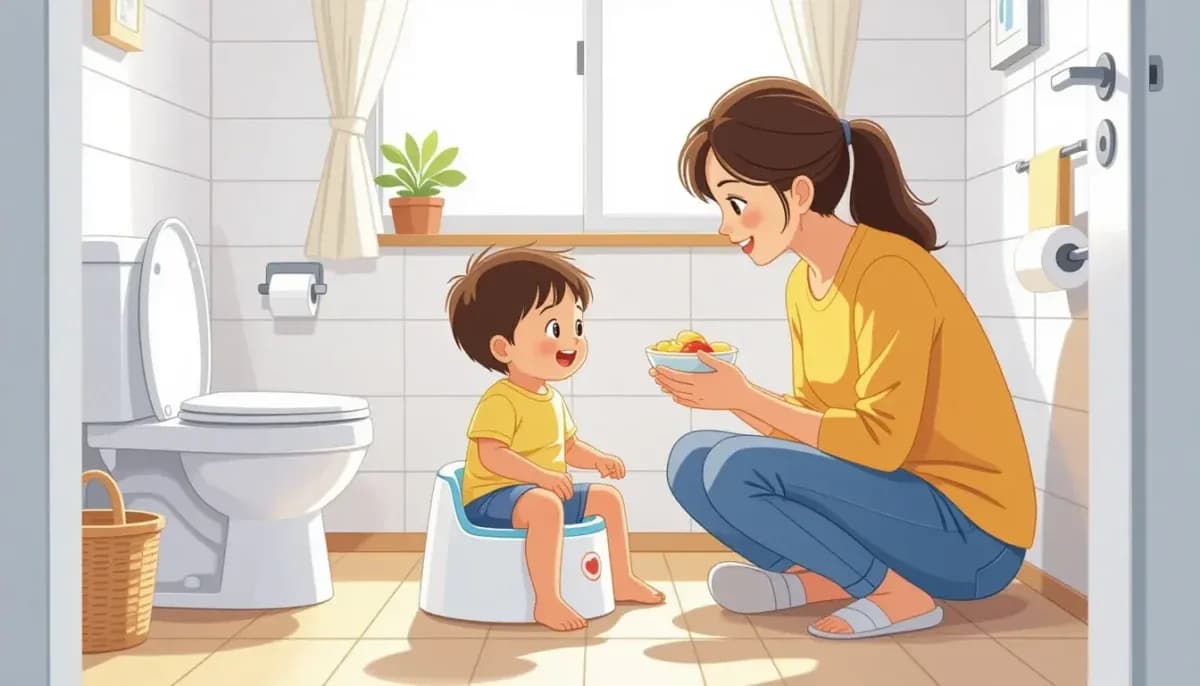
Learn how Japanese parents approach toilet training with early starts, child-sized public toilets, and independence-focused methods. Practical guide for foreign families in Japan.
Toilet Training Japanese Style: Methods and Timeline
Toilet training in Japan has a unique cultural flavor that surprises many foreign parents. Whether you're an expat navigating the process for the first time or simply curious how Japanese families approach this milestone, understanding the Japanese style of potty training can make the journey smoother — and far less stressful. Japan's approach blends early encouragement, child-sized public infrastructure, and community support in ways that set it apart from Western methods.
!Japanese style potty training toddler
When Do Japanese Children Start Toilet Training?
One of the most notable differences in Japan is the timing. While Western guidelines often suggest waiting until 2 to 2.5 years of age to begin potty training, Japanese parents typically start the process much earlier — around 1 to 1.5 years old. Some parents practicing Elimination Communication (EC) begin reading their infant's cues from as early as a few months of age.
This early start does not mean children are expected to be fully trained sooner. Rather, it reflects a philosophy of gradual introduction — familiarizing babies with the concept of using a toilet long before strict daytime dryness is expected. The goal is to build comfort and routine, not force a timeline.
| Age Range | Typical Milestone in Japan |
|---|---|
| 0–6 months | Some parents begin EC, reading infant cues |
| 10–18 months | Introduction to potty, sitting practice |
| 18–24 months | Consistent potty use, beginning verbal communication |
| 2–3 years | Daytime dryness often achieved |
| 3–4 years | Nighttime training, yochien/hoikuen entry readiness |
For foreign parents, this timeline can feel ambitious. However, Japanese nurseries and kindergartens are well-equipped to support children at various stages, so there is no need to panic if your child develops at a different pace.
The Japanese Philosophy: Independence and Self-Reliance
A central pillar of Japanese child-rearing (known as kosodate) is the cultivation of independence from an early age. Toilet training is seen as one of the first major milestones where children learn to care for themselves — and Japanese parents take this seriously.
Rather than treating potty training as a chore to be completed quickly, Japanese parents view it as an opportunity to help their child develop self-awareness and bodily autonomy. Children are encouraged to:
- Recognize when they need to use the toilet
- Communicate their needs verbally or through signs
- Manage their own clothing (pulling pants up and down)
- Wash their hands independently afterward
This philosophy extends into the school environment. When children enter hoikuen (nursery school) or yochien (kindergarten), teachers actively support toilet training as part of the educational curriculum. Many schools expect children to be toilet trained (or nearly so) before entering the 3-year-old class.
For more on how these early education systems work, see our guide to Daycare and Hoikuen in Japan and Kindergarten (Yochien) in Japan.
Key Methods Used in Japan
1. The Baby Potty Method
The most common approach in Japan is introducing a small, child-sized potty early. Parents place their toddler on the potty at regular intervals — typically after waking up, after meals, and before bed. The routine itself teaches the child to associate sitting on the potty with elimination.
Popular potties in Japan include both Japanese brands (sold at akachan honpo, nishimatsuya, and babies r us Japan) and international options like the BabyBjörn Smart Potty, which is popular among expat parents for its simplicity and ease of cleaning.
Key tips for the baby potty method:
- Keep the potty in a consistent, accessible location
- Make potty time engaging with books or a special toy kept only for potty sessions
- Celebrate successes with enthusiastic praise, not material rewards (Japanese approach tends to favor verbal encouragement)
- Avoid showing frustration during accidents
2. Elimination Communication (EC)
Some Japanese parents practice Elimination Communication — a method where caregivers tune into an infant's natural cues (squirming, facial expressions, grunting) to time bathroom visits. Rather than waiting for children to be "ready," EC treats toileting as a natural communication between parent and child.
EC is more time-intensive but reduces diaper use significantly. Parents using EC in Japan often combine it with cloth diapers, which help babies feel wetness and naturally motivates them to stay dry sooner.
3. The Gradual Transition Method (Otomariai approach)
Many Japanese families use a step-by-step transition:
- Start with a potty chair on the floor
- Graduate to a seat reducer (補助便座 / hojo benza) placed on the adult toilet
- Use a step stool for the child to climb up independently
- Remove training aids when readiness is demonstrated
Japanese hardware and baby stores stock a wide range of these items, making the transition affordable and accessible.
!Toilet training products available in Japan
Essential Japanese Toilet Training Products
Japan has an excellent selection of products specifically designed for toilet training. Here's what you'll find at stores like akachan honpo, nishimatsuya, and Don Quijote:
| Product | Japanese Name | Purpose |
|---|---|---|
| Potty chair | 補助便座 (Otomariari) | First potty for young toddlers |
| Toilet seat reducer | 補助便座 (Hojo benza) | Adaptor for adult toilet |
| Step stool | 踏み台 (Fumidai) | Helps child reach the toilet |
| Training pants | トレーニングパンツ | Feels wet but contains mess |
| Disposable bed cover | アンシンシート (Anshin Sheet) | Nighttime accident protection |
| Portable potty | 携帯トイレ | For travel and emergencies |
Anshin Sheets (安心シート) deserve special mention. These disposable waterproof bed covers are widely used during nighttime toilet training. They're placed under or over regular sheets and are available at most Japanese drugstores (drug stores like Matsumoto Kiyoshi, Sundrug, and Welcia).
Portable toilets are another practical investment for families in Japan. These folding, disposable options can be lifesavers on long car trips or when public facilities are unavailable. They're sold at drugstores and on Amazon Japan.
Navigating Toilet Training at Daycare and Yochien
One of the most common anxieties for foreign parents in Japan is whether their child will be toilet trained in time for nursery or kindergarten entry. Here's the reality:
- Hoikuen (認可保育園): Nursery schools are generally more flexible and actively support toilet training for children under 3. Staff will continue working with children who are not yet fully trained.
- Yochien (幼稚園): Many kindergartens prefer children to be at least partially toilet trained before the April entry into the 3-year-old class. Some schools explicitly state this requirement.
- International schools and bilingual nurseries: Policies vary widely — always ask during the enrollment interview.
The key message: do not panic. Japanese teachers are experienced with children at various stages, and they will work with you. Communicate openly with your child's teachers about where your child is in the process.
For a full overview of Japanese early education options, see our Complete Guide to Toddler Parenting in Japan.
Practical Tips for Expat Parents Toilet Training in Japan
Training a toddler in Japan comes with some unique practical considerations:
1. Download Mamapapamap The Mamapapamap app (available in English) is essential for parents on the go. It maps out nearby baby-friendly facilities including restrooms with child-sized toilets, baby changing stations, and food-warming areas across Japan. When you're mid-training and need a bathroom fast, this app is invaluable.
2. Use Japan's Child-Friendly Restrooms Japan is exceptionally well-equipped for young children. Most shopping centers, zoos, train stations, and tourist attractions have:
- Child-sized toilets in designated family or children's restrooms
- Small urinals in women's bathrooms for young boys
- Ample hand-washing stations at child height
3. Manage Training During Travel If traveling within Japan while toilet training, be prepared:
- Bullet trains (Shinkansen) have well-maintained restrooms on board
- For young children who are recently trained, use pull-up diapers as "underwear" to manage accidents while maintaining the sense that they are "not in diapers anymore"
- Pack extra changes of clothes in an easily accessible bag
4. Language Tips Teach your child both English and Japanese bathroom vocabulary early:
- トイレ (toire) — toilet
- おしっこ (oshikko) — pee
- うんち (unchi) — poo
- トイレに行きたい (toire ni ikitai) — I want to go to the toilet
Even if your family speaks a different language at home, knowing these Japanese words will help your child communicate at daycare and kindergarten.
5. Connect with Other Expat Parents Online communities like expat parent Facebook groups and platforms like Living in Nihon and For Work in Japan can be invaluable for sharing tips and finding product recommendations specific to the Japanese market.
Common Challenges and How to Handle Them
Regression
Regressions are common during transitions — starting daycare, moving homes, or the arrival of a sibling. This is entirely normal. Return to basics: more frequent check-ins, praise for successes, and patience with accidents.
Squat Toilets (和式 / Washiki)
Some older buildings in Japan still have squat-style toilets. These can be challenging for small children. Practice at home if possible, or simply avoid these toilets until your child is more confident.
Nighttime Dryness
Nighttime training typically lags behind daytime by 6–12 months. Most Japanese parents use Anshin Sheets and a combination of limiting fluids after dinner and a pre-bed toilet visit. Full nighttime dryness by age 4 to 5 is considered normal.
For health concerns related to your child's development during this period, consult your local pediatric healthcare resources in Japan.
What Foreign Parents Can Learn from the Japanese Approach
The Japanese model of toilet training offers several insights that any parent — regardless of nationality — can apply:
- Start early and gently: Introducing the concept before strict expectations builds comfort and reduces resistance later.
- Build independence: Focus on teaching the full sequence (communicate, go, wipe, flush, wash hands) rather than just "hitting the toilet."
- Use your environment: Japan's child-friendly public restroom infrastructure is a genuine advantage — use it confidently.
- Community over competition: Toilet training is not a race. Japanese parents share advice openly in mama-tomo (mom friend) circles. Seek your own community of support.
For additional information about navigating life in Japan as a family, Chuukou Benkyou offers resources on Japanese education and parenting culture. Further reading on expat customs is available through The Tokyo Chapter's guide on toilet training during travel and Go Potty Now's global overview of potty training customs.
Conclusion
Toilet training in Japan is a journey shaped by cultural values of independence, community support, and practical infrastructure that makes the process more manageable than it might seem at first. By starting early and gently, using the right products, leveraging Japan's child-friendly public facilities, and working openly with your child's caregivers, you can navigate this milestone with confidence.
Remember: every child has their own timeline. The Japanese approach is not about rushing the process, but about creating the right conditions for your child to succeed on their own terms. With patience, consistency, and a little help from Japan's excellent baby supply ecosystem, toilet training is one milestone you and your toddler will tackle together — and come out the other side proud.
For more guides on raising children in Japan, explore our full series starting with Baby and Infant Care in Japan and our comprehensive Toddler Parenting in Japan guide.

Originally from Vietnam, living in Japan for 16+ years. Graduated from Nagoya University, with 11 years of professional experience at Japanese and international companies. Sharing practical information for foreign parents raising children in Japan.
View Profile →Related Articles

Discipline Approaches for Toddlers: Japan vs Western Methods
A practical guide for foreign parents on Japanese vs Western discipline methods for toddlers — including shitsuke, mimamoru, ma no nisai, and how to blend both approaches living in Japan.
Read more →
Seasonal Outdoor Activities for Toddlers in Japan
Discover the best seasonal outdoor activities for toddlers in Japan — from spring cherry blossom picnics to winter snow play. A practical guide for expat families with young children.
Read more →
Toddler Sleep Routines and Challenges in Japan
Navigate toddler sleep in Japan with confidence. Understand co-sleeping norms, late bedtimes, and cultural differences—plus research-backed strategies for better sleep routines for your child.
Read more →
Preparing Toddlers for Daycare or Preschool in Japan
Complete guide for foreign parents on preparing toddlers for Japanese daycare (hoikuen) or preschool (yochien). Covers enrollment, narashihoiku, packing lists, labeling, food introduction, and emotional preparation tips.
Read more →
Toddler Safety in Japanese Homes: Practical Tips
Keep your toddler safe in a Japanese home with our practical guide covering sliding doors, earthquake furniture anchoring, balcony safety, kitchen hazards, and where to buy childproofing products in Japan.
Read more →
Best Toddler Toys and Games Available in Japan
Discover the best toddler toys and games available in Japan for foreign parents. From Anpanman to Tomica cars, wooden educational toys to where to buy them — your complete expat guide.
Read more →