
Getting a Diagnosis for Learning Disabilities in Japan

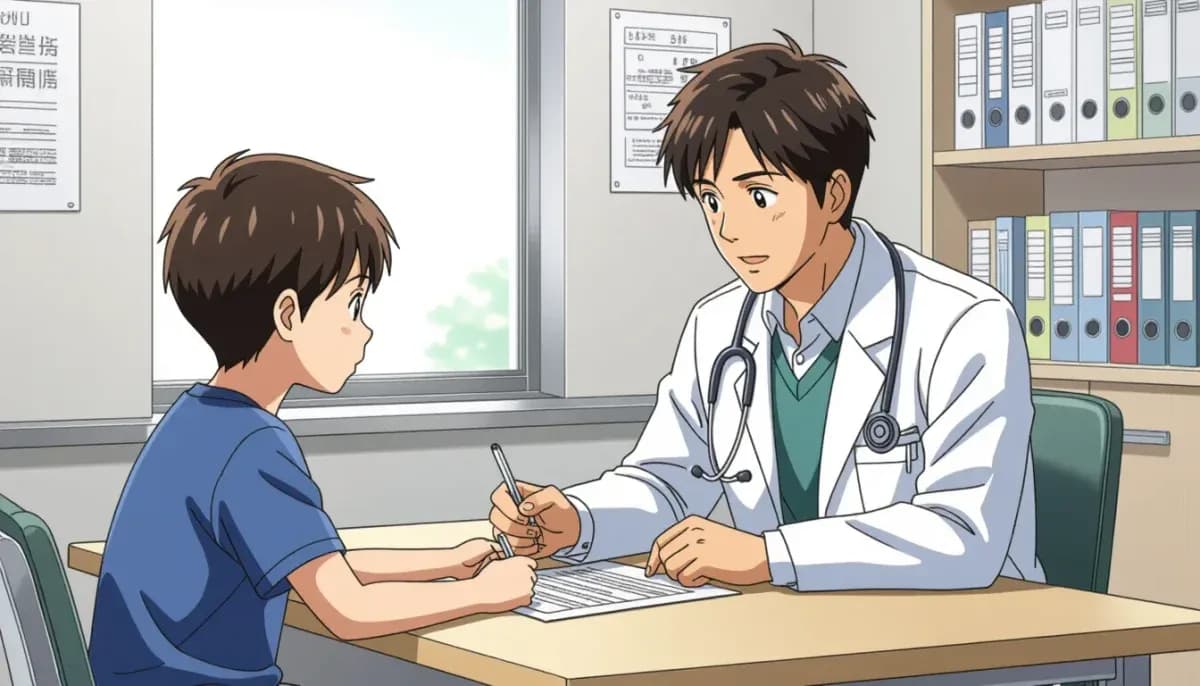
Complete guide for foreign families on diagnosing learning disabilities in Japan. Learn about psychiatrists, costs, disability certificates, school support, and English resources.
Getting a Diagnosis for Learning Disabilities in Japan: A Complete Guide for Foreign Families
Navigating the Japanese healthcare and education systems can be challenging for any foreign family, but when your child shows signs of a learning disability, the stakes feel even higher. Whether you're concerned about dyslexia, ADHD, dyscalculia, or another developmental disorder, understanding how the diagnostic process works in Japan is the critical first step toward getting your child the support they need.
This guide walks you through everything foreign parents need to know — from identifying warning signs and finding the right specialists, to understanding Japan's disability certification system and the school support available once a diagnosis is in hand.
Understanding Learning Disabilities in the Japanese Context
Japan's Ministry of Education defines learning disabilities (学習障害, gakushū shōgai) to include dyslexia, dysgraphia, and dyscalculia — difficulties in reading, writing, and calculation that occur despite a child having typical intelligence. Developmental disorders in Japan also encompass autism spectrum disorder, Asperger's syndrome, and ADHD (注意欠如・多動症, chūi ketsujō tadōshō).
According to a 2022 survey by Japan's Ministry of Education (MEXT) involving over 88,000 students, 8.8% of elementary and lower secondary school students show significant difficulties in learning or behavior — up from 6.5% in 2012. Broken down by type, reading and writing difficulties affect approximately 3.5% of students, math and reasoning 3.4%, and inattention/ADHD traits around 3.6%.
One critical nuance for foreign families: there is currently no standardized assessment for dyslexia in Japan, according to NPO EDGE (the Japan Dyslexia Society). Definitions and diagnostic criteria have not been uniformly established across medical institutions, meaning the diagnostic experience can vary significantly depending on which clinic or hospital you visit.
The gender gap in diagnosis is also notable — males are diagnosed with learning difficulties at nearly double the rate of females (8.3% vs. 4.5% according to MEXT data), reflecting broader global patterns in identification.
Warning Signs to Watch For in Your Child
Learning disabilities often become more visible when formal academic demands begin — typically around ages 6–8 in Japan. If your child attends a Japanese school, teachers may flag concerns during school conferences, but foreign parents should also be aware of these signs:
Reading and Writing (Dyslexia/Dysgraphia):
- Difficulty recognizing and memorizing hiragana, katakana, or kanji
- Frequently reverses or mirrors characters when writing
- Reads very slowly or skips words and lines
- Has trouble sounding out unfamiliar words, even in their native language
- Strong oral comprehension but very poor written output
Mathematics (Dyscalculia):
- Struggles to understand number concepts and place value
- Cannot memorize basic multiplication tables despite repeated practice
- Has difficulty following multi-step math problems
Attention and Executive Function (ADHD):
- Cannot stay seated or focused for age-appropriate periods
- Acts impulsively without thinking of consequences
- Frequently loses belongings and forgets instructions
- Difficulty organizing tasks or following routines
If you notice these signs consistently across multiple settings — at home, at school, and in social situations — it is time to seek a professional evaluation.
Who Can Diagnose Learning Disabilities in Japan
This is where many foreign families encounter their first major obstacle. In Japan, only a psychiatrist (精神科医, seishinka-i) can formally diagnose ADHD and developmental disorders including those associated with learning difficulties. General practitioners and pediatricians can observe symptoms and provide referrals, but they cannot issue an official diagnosis themselves.
For the purposes of applying for any disability certificate, the diagnosis must come from a Designated Physician of Mental Health (精神保健指定医, seishin hoken shitei-i).
When searching for a specialist, look for:
- 精神科クリニック (Seishinka kurinikku) — Psychiatric clinic
- 発達障害専門クリニック (Hattatsu shōgai senmon kurinikku) — Developmental disorder specialist clinic
- 児童精神科 (Jidō seishinka) — Child psychiatry
For English-speaking families, finding a specialist who can communicate in English is an added challenge. Organizations like TELL Japan (a non-profit offering English-language mental health support and referrals) can help connect you with appropriate clinics. Tokyo Mental Health is another English-language clinic in Tokyo that provides psychological assessments in both Japanese and English. For those outside Tokyo, English-friendly clinics are available in Kyoto, Osaka, Kobe, Nagano, Fukuoka, and Okinawa.
For resources tailored to expats living and working in Japan, Living in Nihon offers guides to navigating Japanese systems, while For Work in Japan provides practical information for foreign residents dealing with Japanese bureaucracy.
The Step-by-Step Diagnostic Process
Getting a formal diagnosis in Japan typically follows a structured path. Here is what to expect:
| Step | What Happens | Typical Timeframe |
|---|---|---|
| 1. GP/Pediatrician Visit | Initial concerns raised; referral letter issued | 1 appointment |
| 2. Specialist Appointment | Clinical interview, symptom history, questionnaires | 1–2 appointments |
| 3. Psychological Testing | WISC or similar cognitive assessment (if needed) | 1–3 sessions |
| 4. Diagnosis Issued | Official diagnosis letter from psychiatrist | After 2+ appointments |
| 5. School Notification | Share diagnosis with school for support plan | As needed |
| 6. Disability Certificate Application | Optional; requires 6 months treatment history | 6+ months after diagnosis |
Practical preparation tips:
- Write down your child's symptoms in Japanese before the first appointment, or use a translation app to prepare. This makes communication significantly easier.
- Bring records from your home country if your child was already assessed or diagnosed there.
- Ask about interpreter services in advance — some hospitals offer them, or you can bring a Japanese-speaking friend.
- Be prepared for multiple visits — most diagnoses require at least two appointments, and some assessments span several sessions.
Costs with National Health Insurance (which covers 70%) typically run ¥3,000–¥5,000 per initial appointment. Without insurance, you may pay ¥10,000–¥28,000 per visit.
Japan's Disability Certificate System for Learning Difficulties
Once your child has a diagnosis and sufficient treatment history, you may be eligible to apply for a Mental Disability Certificate (精神障害者保健福祉手帳, Seishin Shōgaisha Hoken Fukushi Techō). Learning difficulties, ADHD, and autism spectrum conditions all qualify under this certificate alongside psychiatric conditions like schizophrenia and mood disorders.
Three grades of certification exist:
- Grade 1: Daily activities rendered impossible without support
- Grade 2: Severe limitations in daily functioning
- Grade 3: Moderate limitations in daily or social activities
To apply, your child must:
- Have a valid residence qualification (student, work, or permanent residence visa — tourists cannot apply)
- Have a registered address in Japan (residence card required)
- Have at least 6 months of treatment history with a licensed Japanese mental health professional
- Have a diagnosis from a licensed Japanese doctor
Benefits of holding the certificate include:
- Discounts on public transport (buses, trains, taxis, airlines)
- Reduced medical expenses under national health programs
- Tax reductions (income and vehicle)
- Welfare benefits and employment support services
- NHK fee discounts
- Priority access to public housing
- Certificate valid for 2 years, then renewable
For a detailed walkthrough of the application process, Tokyo Mental Health's guide to getting a mental disability certificate is an excellent resource.
School Support After a Diagnosis
A formal diagnosis opens the door to additional educational support within Japan's public school system. Schools in Japan offer three tiers of support:
Tier 1 – Regular Classes with Support: Students with mild needs remain in mainstream classrooms with modified teaching approaches, small-group instruction, or a Learning Support Assistant (LSA).
Tier 2 – Resource Rooms (通級指導教室, Tsūkyū Shidō Kyōshitsu): Students attend a specialist resource room a few times per week for targeted intervention in reading, writing, language, or social skills, while otherwise attending regular classes.
Tier 3 – Special Education Classes (特別支援学級, Tokubetsu Shien Gakkyū): For students with more significant needs, small classes of up to 8 students at regular schools provide more intensive support.
All tiers include Individual Education Plans (個別の指導計画) and coordination with external specialists. The assessment tool used in Japan's public schools is the STRAW (Screening Test of Reading And Writing for Japanese children), which measures reading and writing speed, fluency, and accuracy.
For more context on how the Japanese school system works for foreign families, our guide on Elementary School in Japan for Foreign Parents covers everything from enrollment to parent-teacher communication. You may also find our article on Mental Health and Emotional Wellbeing for Foreign Children in Japan helpful for the broader emotional dimensions of supporting a neurodivergent child in Japan.
Key Organizations and Resources for Foreign Families
NPO EDGE (Japan Dyslexia Society): Japan's primary organization for dyslexia awareness and support. Their English page at npo-edge.jp outlines their assessment resources, audio textbook program (BEAM), and support groups including the K&T Club for children and teenagers. Notably, NPO EDGE is clear that there is currently no standardized assessment for dyslexia in Japan, which is why connecting with them early in your journey is valuable.
TELL Japan: A non-profit providing English-language mental health counseling and referrals. Their counseling center offers psychological assessments in both Japanese and English — invaluable for families who need to communicate in English.
GaijinPot's ADHD Guide: GaijinPot's comprehensive guide to ADHD in Japan for foreigners is a practical starting point for ADHD-specific diagnosis and medication questions.
Savvy Tokyo's Special Needs Education Guide: Savvy Tokyo covers the special needs education system in detail, including what to expect in Japanese schools.
For broader guidance on education options available to foreign families, see our comprehensive resource on International Schools in Japan, which includes schools with specialized support programs for students with learning disabilities.
For working parents navigating learning disability support alongside employment, Chuukou Benkyou provides resources on educational support systems in Japan that can complement clinical care.
Frequently Asked Questions
Can my child's overseas diagnosis be used in Japan? Foreign diagnoses are not formally recognized by Japanese medical institutions or government bodies, but they are extremely useful as background information to bring to a Japanese specialist. Bring all reports, evaluations, and records from your home country — they will speed up the diagnostic process significantly.
What if my child attends an international school? International schools often have their own special educational needs (SEN) coordinators who can conduct preliminary assessments and refer you to appropriate specialists. However, school-based assessments do not qualify for the government disability certificate system.
Are medications for ADHD available in Japan? Yes, but with strict regulations. Medications like Concerta and Ritalin require a narcotic prescription card (麻薬処方せんカード) and monthly psychiatrist visits, with only 30-day supplies dispensed at a time. Note that Adderall and amphetamine-based medications are banned in Japan. Vyvanse is permitted. If traveling to Japan with medication, carry your original prescription and a doctor's letter, and declare medication at customs.
My child is in a Japanese public school and doesn't have Japanese citizenship — can they still access resource room support? Yes. Foreign children enrolled in Japanese public schools are entitled to the same educational support services as Japanese children, including access to resource rooms and special education classes. Enrollment in public school is free and open to all foreign children regardless of visa status.
Understanding these systems and advocating for your child is challenging but absolutely achievable. Many foreign families in Japan have successfully navigated this process and obtained the support their children need. Start with a referral from your pediatrician, connect with English-speaking support networks, and know that a formal diagnosis — while sometimes a long road — opens doors to real, practical help.

Originally from Vietnam, living in Japan for 16+ years. Graduated from Nagoya University, with 11 years of professional experience at Japanese and international companies. Sharing practical information for foreign parents raising children in Japan.
View Profile →Related Articles
Inclusive Education Movement and Progress in Japan
Discover the state of inclusive education in Japan — from legal frameworks and school options to UN criticism and practical advice for foreign families with children with disabilities.
Read more →
English-Language Special Needs Resources in Japan
A complete guide to English-language special needs resources in Japan for expat families, covering education support, therapy services, disability certificates, financial aid, and parent communities.
Read more →
Advocating for Your Special Needs Child in Japanese Schools
A complete guide for foreign parents on navigating Japan's special needs education system — from understanding the three-tier support structure to effective advocacy strategies, English-language resources, and financial assistance.
Read more →
Therapy and Intervention Services for Children in Japan
Complete guide to therapy and intervention services for children in Japan. Find English-language speech therapy, mental health support, and early intervention programs for expat families.
Read more →
Government Support and Benefits for Special Needs Families
Complete guide to government support for special needs families in Japan: disability certificates, cash allowances up to ¥58,450/month, healthcare subsidies, school support, and welfare services for foreign residents.
Read more →
International Schools for Children with Special Needs
A complete guide to international schools and support services for children with special needs in Japan. Learn about inclusive schools, learning support teams, resources for expat families, and how to navigate the admissions process.
Read more →