
Therapy and Intervention Services for Children in Japan

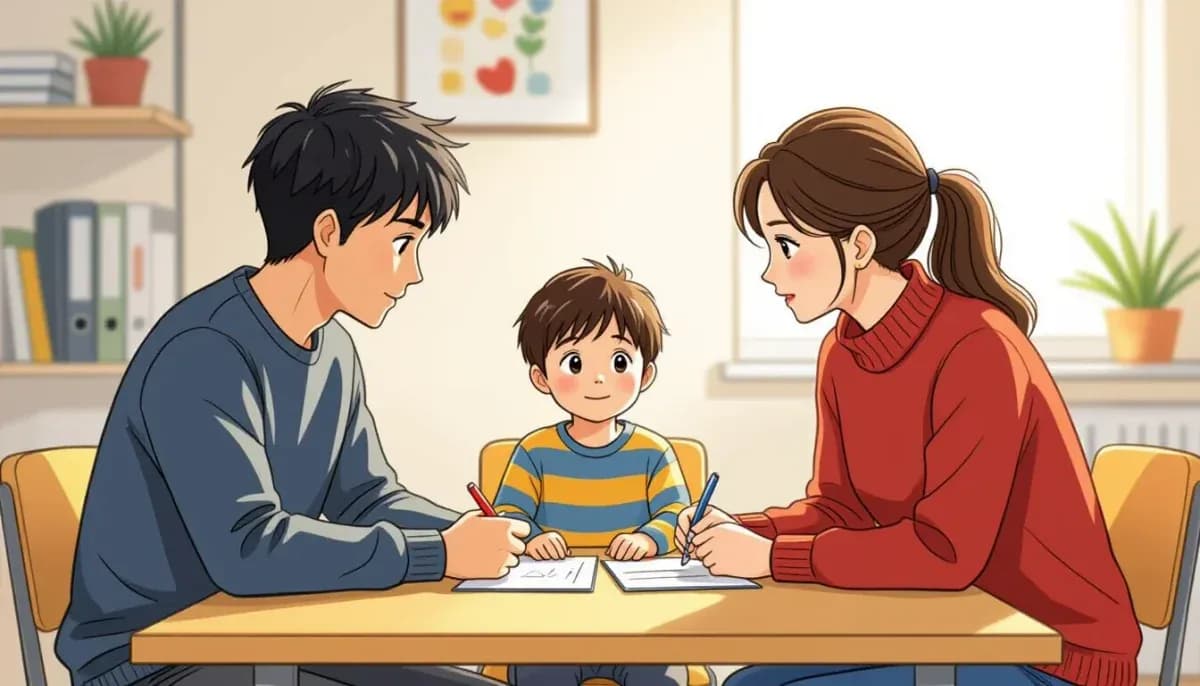
Complete guide to therapy and intervention services for children in Japan. Find English-language speech therapy, mental health support, and early intervention programs for expat families.
Therapy and Intervention Services for Children in Japan: A Complete Guide for Expat Parents
Finding the right therapy or intervention service for your child in Japan can feel overwhelming, especially when navigating a system that operates largely in Japanese. Whether your child needs speech therapy, occupational therapy, mental health support, or early intervention for developmental delays, Japan does have services available — but knowing where to look and what to expect makes all the difference. This guide covers everything expat parents need to know about accessing therapy and intervention services for children in Japan.
Understanding Japan's Child Therapy Landscape
Japan's approach to children's mental health and developmental support has evolved considerably over the past decade. Total outpatient psychotherapy claims for children aged 0–19 increased by 67.6% — from 2.6 million in FY2015 to 4.4 million in FY2022 — even as Japan's youth population declined. Claims per 10,000 children nearly doubled, from 521 to 1,034.5, signaling a significant shift in how Japanese society views mental health support for young people.
Despite this growth, significant challenges remain. Only 0.025% of Japanese psychiatrists specialize in child and adolescent care, and 17 of 48 prefectures lack any specialized child psychiatric ward. Wait times at some institutions reach up to 10 months. For expat families, the additional barriers of language and cultural unfamiliarity can make navigating this system even more daunting.
The good news is that over the past several years, English-language therapy services have expanded considerably, particularly in major urban centers like Tokyo, Osaka, and Nagoya.
Types of Therapy and Intervention Services Available
Japan offers a range of therapy and intervention services for children. Understanding the categories helps parents identify what their child needs:
Speech-Language Therapy (言語聴覚療法)
Speech-language pathologists (SLPs) work with children on communication, language development, stuttering, articulation, and swallowing difficulties. In Japan, this profession is formally licensed, but English-speaking SLPs remain rare outside of major cities. Organizations like Therapy In Japan offer virtual speech therapy services accessible anywhere in the country, while Suzuki Speech Therapy provides bilingual (English-Japanese) in-person sessions in Tokyo.
Occupational Therapy (作業療法)
Occupational therapists (OTs) help children develop fine motor skills, sensory processing, and daily living skills. OT services are widely available through public medical facilities and some private clinics. However, English-speaking OTs are uncommon, and families may need to work through an interpreter.
Psychological and Mental Health Therapy
Child psychologists and counselors address anxiety, depression, behavioral issues, ADHD, autism spectrum support, and school refusal (不登校). This area has seen the most dramatic growth — youth Cognitive Behavioral Therapy (CBT) claims rose from 691 in FY2014 to 4,497 in FY2022, with CBT's share of all psychotherapy claims growing from 4.3% to 23.2%. For English-language mental health support, Tokyo Mental Health provides services in multiple languages.
Early Intervention Programs (発達支援)
Japan has a structured early intervention system for children with developmental delays or disabilities. Local child development support centers (児童発達支援センター) provide therapy, educational support, and family guidance for children under 6 and through elementary school age.
| Service Type | Japanese Term | Where to Find | English Available? |
|---|---|---|---|
| Speech Therapy | 言語聴覚療法 | Hospitals, private clinics, online | Limited (some private) |
| Occupational Therapy | 作業療法 | Hospitals, rehab centers | Rare |
| Child Psychology / Counseling | 小児心理 / カウンセリング | Mental health clinics, private practices | Some providers in cities |
| Early Intervention (0–6 years) | 児童発達支援 | Child development support centers | Rare (mostly Japanese) |
| School-Based Support | 特別支援教育 | Public and special needs schools | Varies by school |
| Family Therapy | 家族療法 | Private clinics, hospitals | Very limited |
How to Access Services: The Public System
Japan's public healthcare system covers many therapy services, which is a significant financial advantage for families holding National Health Insurance (NHI) or company health insurance (社会保険). A standard outpatient psychotherapy session costs approximately 3,000 yen, with additional specialist fees ranging from 3,000 to 12,000 yen.
For children under 18, local governments in most areas of Japan subsidize medical care costs, meaning many families pay little or nothing out of pocket for publicly covered therapy. This subsidy system (子ども医療費助成) varies by municipality, so check with your local city hall for exact coverage details.
How to navigate the public system:
- Start with your pediatrician — Your family doctor or pediatrician (小児科) can issue referrals to specialists and therapy services. Finding an English-speaking pediatrician first is strongly recommended. See our guide on finding English-speaking pediatricians in Japan.
- Contact your local Child Guidance Center (児童相談所) — These centers offer developmental assessments, counseling, and referrals to appropriate services. Most major cities have English-language resources or staff.
- Visit a child development support center (児童発達支援センター) — These publicly funded centers offer early intervention for children with developmental delays, typically free or very low cost.
- Check your school's support options — Japanese public schools have special education coordinators and support teachers who can facilitate referrals and accommodations.
For a broader overview of navigating Japanese education and support systems as a foreign parent, Living in Nihon's guide to raising children and education in Japan is an excellent starting resource.
English-Language Therapy Providers in Japan
For many expat families, the priority is finding a therapist who can work directly with their child in English. The following providers are well-regarded:
Speech-Language Therapy (English)
Therapy In Japan (therapyinjapan.com) Offers virtual speech and language therapy for children anywhere in Japan. This is particularly valuable for families living outside major cities where English-speaking SLPs are essentially unavailable. Sessions are conducted via video call and tailored to bilingual and multilingual children.
LUCREA Inc. (lucrea.co.jp) Founded in 2016, LUCREA is a Tokyo-based center offering multilingual (English, French, Japanese) clinical and educational services for children. They specialize in multicultural children and provide assessments, therapy, and consultation.
Suzuki Speech Therapy (suzukispeech.com) A US-trained, bilingual speech-language pathologist providing English-Japanese sessions in Tokyo. Ideal for bilingual children or children of expat families who need therapy in English.
Marsha Rosenberg An experienced English-speaking speech-language pathologist based in Minato Ward, Tokyo. Highlighted by Savvy Tokyo as a go-to resource for foreign families needing English-language SLP services.
Mental Health and Psychological Support (English)
Tokyo Mental Health (tokyomentalhealth.com) One of Tokyo's best-known English-language mental health providers, offering services for children, adolescents, and adults. Multiple therapists with different specializations are available.
For a broader list of English-speaking mental health professionals, Japan Living Guide's English-Speaking Therapists directory provides a helpful starting point. Additionally, if you are looking for expat-focused employment and relocation resources, For Work in Japan offers guidance on settling into life in Japan as a foreign national.
Special Considerations for Bilingual and Multicultural Children
Expat children in Japan often face unique challenges that complicate assessment and therapy:
Language and assessment bias: Standard Japanese assessments may not accurately capture the abilities of children raised in multilingual environments. A child who appears delayed in Japanese may be performing age-appropriately in their home language. Always seek therapists experienced with bilingual children, and if possible, request assessments in all languages your child uses.
Cultural adjustment and school refusal: Japan had 240,000 elementary and junior high school students who refused school in FY2021, and expat children are at elevated risk due to language barriers, cultural differences, and separation from extended family. Early intervention at the first signs of school anxiety can prevent more serious issues. Our article on signs of stress and anxiety in expat children can help you recognize warning signs.
Benefits of bilingualism: Research consistently shows that bilingual children have cognitive advantages, even if they temporarily appear behind monolingual peers in one language. Read more in our guide on the benefits of raising bilingual children in Japan.
Regional disparities: There is a 4.7-fold difference in student-to-specialist ratios between Japan's best and worst-served regions. Tokyo has approximately 80 child mental health specialists; some rural prefectures have as few as 3. Families outside major urban centers may face significant wait times and may benefit from telehealth options like Therapy In Japan.
For families concerned about academic development alongside therapy, Chuukou Benkyou offers educational resources and support for students in the Japanese school system.
Costs, Insurance, and Practical Tips
Understanding the financial side of therapy helps families plan:
- National Health Insurance (NHI) covers most publicly recognized therapy services at licensed medical facilities. Ensure your provider bills through NHI to access subsidies.
- Company health insurance typically provides equivalent coverage.
- Under-18 municipal subsidies (子ども医療費助成) in most cities effectively cover children's therapy costs at public facilities. Coverage varies by municipality — confirm with your local city hall.
- Private English-language providers may not accept NHI or may charge premium rates (often 10,000–20,000 yen per session). Some accept international insurance (CIGNA, BUPA, etc.).
- Telehealth services like Therapy In Japan often offer packages at more accessible price points and are available nationwide.
Practical tips for expat parents:
- Bring a Japanese-speaking friend or professional interpreter to initial assessments at Japanese-language clinics
- Request written reports in both Japanese and English when possible
- Keep all documentation (assessments, diagnoses, therapy records) as these will be needed if you change providers or return home
- Connect with expat parent communities (Facebook groups like "Tokyo Expat Parents" or "Raising Kids in Japan") for provider recommendations
- Check with your child's school — international schools in Japan often have or can recommend therapists familiar with expat children
Knowing When to Seek Help
Many expat parents hesitate to seek therapy, wondering whether their child's struggles are "normal" adjustment challenges or signs of something that requires professional support. In general, it's worth consulting a professional if you observe:
- Language delays beyond what's expected for a bilingual child
- Persistent school refusal or severe anxiety about school
- Significant behavioral changes lasting more than a few weeks
- Social withdrawal, persistent sadness, or inability to connect with peers
- Sensory sensitivities significantly impacting daily functioning
- Communication difficulties affecting the child's ability to express basic needs
Early intervention consistently produces better outcomes than waiting. Japan's therapy system, while imperfect, does offer meaningful support — and the growing availability of English-language providers means expat families have more options than ever. Don't hesitate to reach out to your pediatrician or a child guidance center as a first step.
For additional guidance on your child's development and wellbeing in Japan, explore our articles on toddler milestones and development and understanding the Japanese school system.

Originally from Vietnam, living in Japan for 16+ years. Graduated from Nagoya University, with 11 years of professional experience at Japanese and international companies. Sharing practical information for foreign parents raising children in Japan.
View Profile →Related Articles
Inclusive Education Movement and Progress in Japan
Discover the state of inclusive education in Japan — from legal frameworks and school options to UN criticism and practical advice for foreign families with children with disabilities.
Read more →
English-Language Special Needs Resources in Japan
A complete guide to English-language special needs resources in Japan for expat families, covering education support, therapy services, disability certificates, financial aid, and parent communities.
Read more →
Advocating for Your Special Needs Child in Japanese Schools
A complete guide for foreign parents on navigating Japan's special needs education system — from understanding the three-tier support structure to effective advocacy strategies, English-language resources, and financial assistance.
Read more →
Government Support and Benefits for Special Needs Families
Complete guide to government support for special needs families in Japan: disability certificates, cash allowances up to ¥58,450/month, healthcare subsidies, school support, and welfare services for foreign residents.
Read more →
International Schools for Children with Special Needs
A complete guide to international schools and support services for children with special needs in Japan. Learn about inclusive schools, learning support teams, resources for expat families, and how to navigate the admissions process.
Read more →
Special Education Classes (Tokubetsu Shien Gakkyu) Explained
A complete guide to Japan's special education classes (Tokubetsu Shien Gakkyu) for foreign families — how the system works, enrollment process, legal rights, and English-language resources.
Read more →