
Special Education Classes (Tokubetsu Shien Gakkyu) Explained

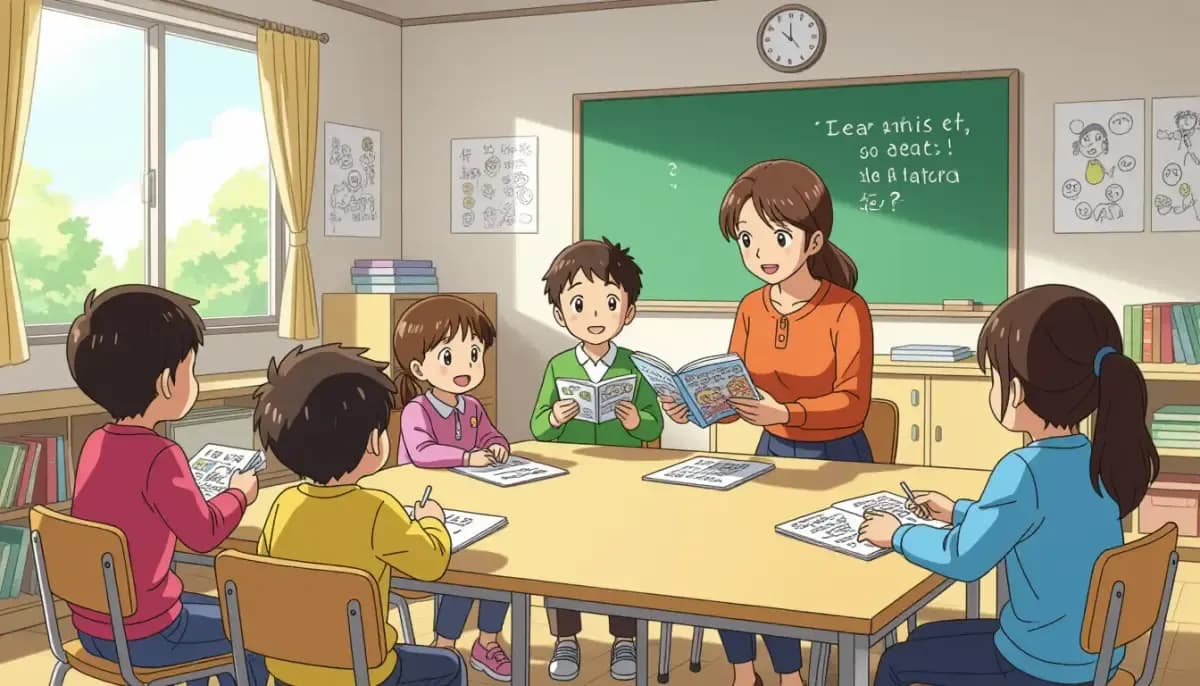
A complete guide to Japan's special education classes (Tokubetsu Shien Gakkyu) for foreign families — how the system works, enrollment process, legal rights, and English-language resources.
Special Education Classes (Tokubetsu Shien Gakkyu) Explained for Foreign Families in Japan
Navigating Japan's education system as a foreign parent is challenging enough — but when your child has special learning needs, the process can feel especially overwhelming. Japan's public school system offers dedicated special education classes called 特別支援学級 (Tokubetsu Shien Gakkyu), which provide structured, small-group learning environments for children with disabilities or developmental differences. This guide explains everything foreign families need to know: how the system works, how to access it, and what to expect.
What Is Tokubetsu Shien Gakkyu?
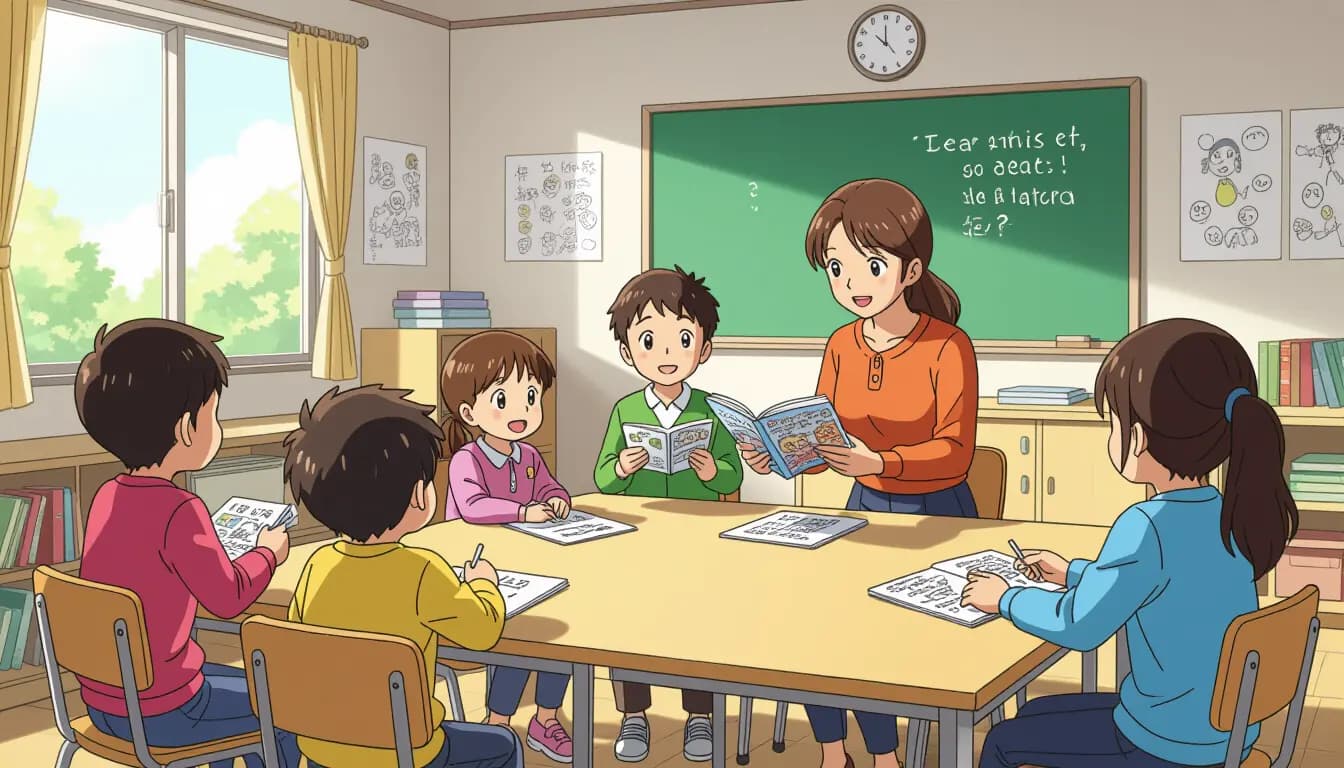
Tokubetsu Shien Gakkyu (特別支援学級) literally translates to "Special Support Class." These are self-contained classrooms within regular public elementary and junior high schools, designed for children with mild to moderate disabilities who benefit from a smaller, more specialized setting while remaining connected to the broader school community.
Unlike separate special needs schools (特別支援学校, Tokubetsu Shien Gakko), Tokubetsu Shien Gakkyu classes exist within mainstream schools. Children in these classes may join their mainstream peers for certain activities such as school events, lunch, and some elective lessons — a setup designed to encourage social inclusion while still providing tailored academic support.
Classes are capped at 8 students, allowing teachers to provide highly individualized attention. Each student also receives an Individualized Education Plan (個別の教育支援計画, Kobetsu no Kyoiku Shien Keikaku), which outlines specific learning goals, accommodations, and review timelines.
Japan's Three-Tier Special Education System
Understanding where Tokubetsu Shien Gakkyu fits requires understanding Japan's broader special education framework, which uses a graduated, needs-based structure:
| Tier | Setting | Japanese Name | Who It's For |
|---|---|---|---|
| 1 | Regular classroom with in-class support | 通常学級 (Tsujou Gakkyu) | Mild difficulties; team-teaching or aide support |
| 2 | Resource rooms (pull-out sessions) | 通級指導教室 (Tsukyu Shidou Kyoushitsu) | ADHD, LD, autism, speech delays; stays in mainstream class |
| 3 | Special support classes in regular schools | 特別支援学級 (Tokubetsu Shien Gakkyu) | Mild to moderate disabilities; small class environment |
| 4 | Separate special needs schools | 特別支援学校 (Tokubetsu Shien Gakko) | Moderate to severe disabilities; full specialized support |
Most foreign families first encounter the system at Tier 2 or 3. Japan's Ministry of Education (MEXT) estimates that approximately 6.3% of regular classroom students have significant difficulties in learning or behavior — representing hundreds of thousands of children who may benefit from additional support.
Which Children Qualify for Tokubetsu Shien Gakkyu?
Tokubetsu Shien Gakkyu classes serve children with a range of diagnosed or identified conditions, including:
- Intellectual disabilities (知的障害, Chiteki Shougai)
- Autism spectrum disorder (自閉症, Jiheishou)
- Emotional and behavioral difficulties (情緒障害, Jouchou Shougai)
- Speech and language impairment (言語障害, Gengo Shougai)
- Hearing impairment (難聴, Nanchou)
- Visual impairment (弱視, Jakushi)
- Physical disabilities (肢体不自由, Shitai Fujiyuu) — though severe cases are typically served by Tier 4 schools
Placement is not automatic upon diagnosis. The process involves formal consultation and assessment, which is explained in detail below. An official diagnosis is generally required, though schools may provide some informal accommodations while the assessment process is underway.
The Enrollment Consultation Process (就学相談, Shugaku Sodan)
The formal pathway into Tokubetsu Shien Gakkyu begins with a process called 就学相談 (Shugaku Sodan) — enrollment consultation. This is how it works:
Step 1: Contact your local Board of Education (教育委員会, Kyoiku Iinkai) Start by contacting your ward or city's Board of Education. You can find contact details on your local municipal government website. Many urban areas have dedicated special needs education consultation staff.
Step 2: Request an assessment You'll be asked to provide existing diagnostic reports (from a pediatrician, developmental clinic, or hospital) and complete intake questionnaires. An educational assessment may also be conducted at a designated consultation center.
Step 3: Consultation and placement recommendation A specialist committee reviews the assessment results and makes a placement recommendation. For foreign families, you can explicitly request an interpreter during consultations — this is an officially recognized accommodation. Some municipalities in major cities have multilingual support staff.
Step 4: Parent consent and finalization Placement is ultimately a parent's decision in collaboration with the school. The committee's recommendation is advisory, not mandatory.
Step 5: IEP development Once enrolled, your child's teachers develop an Individualized Education Plan (IEP), reviewed periodically with parental input.
The school's designated 特別支援教育コーディネーター (Tokubetsu Shien Kyoiku Coordinator) — the Special Needs Education Coordinator — serves as your primary point of contact and manages IEP coordination and parent communication.
For a broader look at how support works day-to-day in public schools, see Special Needs Support in Japanese Public Schools.
What the Classroom Experience Looks Like
Foreign parents unfamiliar with Japanese schools often wonder what a typical day looks like in Tokubetsu Shien Gakkyu. Here are some practical details:
Class size and staffing: A maximum of 8 students, typically taught by a certified special education teacher. Some classes have additional aides (支援員, Shien-in).
Curriculum: Follows a modified national curriculum adapted to students' individual goals. Vocational and life-skills training (日常生活の指導, Nichijou Seikatsu no Shidou) is often incorporated alongside academics.
Integration with the main school: Students typically join mainstream classes for gym, music, art, school events, and lunch. The degree of integration varies by school and individual circumstance.
Communication with parents: Regular written communication in Japanese (連絡帳, Renraku-cho — a daily communication notebook). Foreign parents should discuss communication accommodations with the coordinator from the outset.
School hours and events: Same overall calendar as regular public schools, including the same national holidays, sports days (運動会), and field trips.
Legal Rights and Reasonable Accommodations
Japan's framework for disability-related rights in schools has evolved significantly. The 2007 School Education Law amendment made Special Support Education (特別支援教育, Tokubetsu Shien Kyoiku) official national policy, unifying previously separate systems for different disability categories.
Schools are legally required to provide 合理的配慮 (Goriteki Hairyo) — reasonable accommodations — under Japan's 2016 Act for Eliminating Discrimination against Persons with Disabilities. For foreign families, this can include:
- Language and communication accommodations during IEP consultations
- Written summaries of meetings in a more accessible format
- Extended time for paperwork and administrative deadlines
- Culturally sensitive engagement with family circumstances
It's worth noting that Japan's 2007 reform was driven partly in response to international standards. Japan conducts routine developmental screenings at 3–4 months, 18 months, and 3 years — with participation rates exceeding 95% — making early identification relatively common. However, the UN Committee on the Rights of Persons with Disabilities noted in 2022 that inclusive education with full reasonable accommodations remains an area of ongoing development.
For information on navigating diagnosis before the school process, see Getting a Diagnosis for Learning Disabilities in Japan.
Resources and Support for Foreign Families
Several organizations specifically help foreign families navigate Japan's special education system in English:
TELL Counseling Center — Provides psychological assessments in both English and Japanese. Their bilingual assessments can be used in the shugaku sodan process with Japanese schools.
Musashino Higashi Gakuen — A private school in Tokyo that accepts English-speaking students including returnees, with English-speaking staff experienced in autism support.
Litalico Junior (リタリコジュニア) — After-school support programs (放課後等デイサービス, Houkago-to Day Service) for children from infancy through elementary school age. Sessions combine individual and group lessons, with parent feedback included. These operate outside school hours and complement school-based support.
Diverse Needs Japan — An English-language resource site specifically for foreign parents navigating special needs support in Japan. Covers vocabulary, contacts, and practical guidance. Visit Diverse Needs Japan
Savvy Tokyo's Special Needs Guide — A comprehensive English overview of the special needs education landscape in Japan. Read the Savvy Tokyo guide
MEXT's English policy overview — The official government page explaining the Special Needs Education framework. See MEXT's Special Needs Education policy
For a broader overview of raising children as a foreign parent in Japan, Living in Nihon's Education Guide provides helpful context on the Japanese school system overall.
Considerations for International School Families
Some foreign families with children with special needs opt for international schools rather than the public system. International schools in Japan vary significantly in their special needs capacity — some have robust learning support programs while others have limited resources.
If you're weighing options, see International Schools for Children with Special Needs in Japan for a detailed comparison of what different school types offer.
For families already considering international school pathways, For Work in Japan's expat resource hub and Chuukou Benkyou offer broader perspectives on expat living and education in Japan.
Advocacy Tips for Foreign Parents
Navigating Japanese bureaucratic and educational systems as a foreigner requires persistence and preparation. Here are practical strategies:
- Get documentation in order early. Bring all available diagnostic reports (translated into Japanese if possible) to your initial shugaku sodan consultation.
- Request interpretation proactively. Don't assume it will be offered automatically — explicitly request an interpreter when scheduling your consultation.
- Understand your decision-making rights. The placement committee's recommendation is advisory. You can accept, negotiate adjustments, or decline and appeal.
- Connect with other foreign parents. Communities like Facebook groups for expat parents in Japan often include members who have navigated the special education system in specific cities or wards.
- Engage the Special Needs Coordinator. This person is your primary school-side advocate. Building a positive, communicative relationship with them is crucial.
- Review the IEP regularly. IEPs are reviewed at least annually. Request a mid-year check-in if you have concerns.
For strategies on advocating within Japanese school settings more broadly, see Advocating for Your Special Needs Child in Japanese Schools. If your child has autism specifically, Autism Spectrum Support for Families in Japan covers additional resources tailored to that community.
Summary
Japan's Tokubetsu Shien Gakkyu system offers meaningful, structured support for children with special needs within the public school framework. While the process of accessing it involves Japanese-language bureaucracy and formal assessment procedures, foreign families have legal rights to accommodations and can navigate the system with the right preparation and support network.
Key steps: contact your local Board of Education → request a shugaku sodan consultation → gather diagnostic documentation → request interpretation support → work collaboratively on IEP development with the school coordinator. The system rewards persistence, and the small class sizes and individualized attention it provides can make a real difference for children who need it.

Originally from Vietnam, living in Japan for 16+ years. Graduated from Nagoya University, with 11 years of professional experience at Japanese and international companies. Sharing practical information for foreign parents raising children in Japan.
View Profile →Related Articles
Inclusive Education Movement and Progress in Japan
Discover the state of inclusive education in Japan — from legal frameworks and school options to UN criticism and practical advice for foreign families with children with disabilities.
Read more →
English-Language Special Needs Resources in Japan
A complete guide to English-language special needs resources in Japan for expat families, covering education support, therapy services, disability certificates, financial aid, and parent communities.
Read more →
Advocating for Your Special Needs Child in Japanese Schools
A complete guide for foreign parents on navigating Japan's special needs education system — from understanding the three-tier support structure to effective advocacy strategies, English-language resources, and financial assistance.
Read more →
Therapy and Intervention Services for Children in Japan
Complete guide to therapy and intervention services for children in Japan. Find English-language speech therapy, mental health support, and early intervention programs for expat families.
Read more →
Government Support and Benefits for Special Needs Families
Complete guide to government support for special needs families in Japan: disability certificates, cash allowances up to ¥58,450/month, healthcare subsidies, school support, and welfare services for foreign residents.
Read more →
International Schools for Children with Special Needs
A complete guide to international schools and support services for children with special needs in Japan. Learn about inclusive schools, learning support teams, resources for expat families, and how to navigate the admissions process.
Read more →