
International Schools for Children with Special Needs

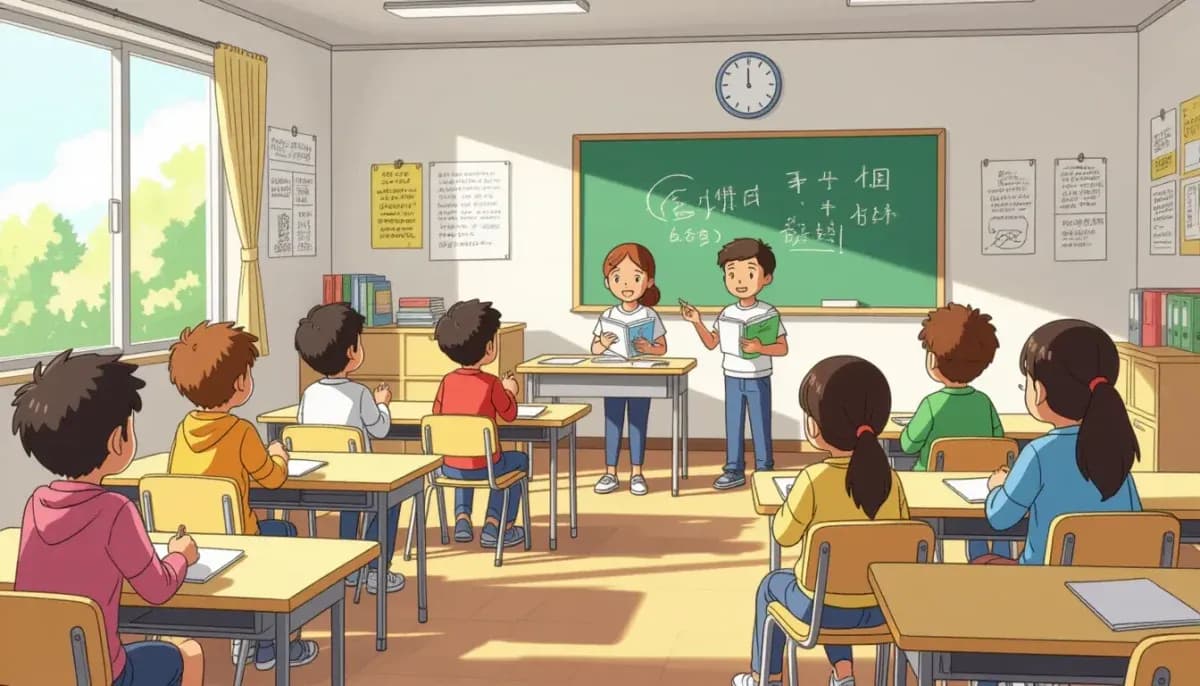
A complete guide to international schools and support services for children with special needs in Japan. Learn about inclusive schools, learning support teams, resources for expat families, and how to navigate the admissions process.
International Schools for Children with Special Needs in Japan
Finding the right school for a child with special needs is a challenge in any country, but navigating this process in Japan — as a foreigner — adds an extra layer of complexity. Language barriers, unfamiliar systems, and limited awareness of available resources can make the search feel overwhelming. The good news is that Japan has a growing network of international schools and support services designed to help children with diverse learning needs thrive. This guide walks you through your options, what to look for, and how to advocate effectively for your child.
Understanding Japan's Special Needs Education Framework
Japan's approach to special needs education has evolved significantly over recent decades. As a signatory to the UN Convention on the Rights of Persons with Disabilities, Japan has committed to building inclusive education systems. In practice, this means that the vast majority of children with special needs — approximately 98% as of recent data — attend regular schools rather than segregated facilities, reflecting a strong national commitment to inclusive learning environments.
The Japanese public school system offers three main support models:
- Regular Classes with Support: Children with mild needs attend standard classes with team-teaching, small-group instruction, and modified curriculum support.
- Resource Room System (通級指導, Tsukyuu Shidou): Children attend regular classes but receive several specialized sessions per week targeting speech/language development, autism support, ADHD management, or learning disabilities.
- Special Needs Classes: Small classes of up to 8 students, available in approximately 62% of Japanese public schools. Teachers provide individualized education plans tailored to each child.
For children with more significant needs, Japan maintains a network of 1,013 dedicated special needs schools nationwide, including:
| School Type | Number of Facilities |
|---|---|
| Intellectual disabilities | 505 |
| Physical/motor disabilities | 159 |
| Hearing impairment | 102 |
| Combined/multiple disabilities | 98 |
| Health impairment | 78 |
| Visual impairment | 71 |
Class sizes in dedicated facilities are strictly capped — a maximum of 6 students per class for single disabilities, and only 3 students per class for multiple disabilities.
For further context on Japan's overall education structure, see our guide on the Japanese education system for foreign families. A detailed overview of the Japanese special needs framework is also available at Savvy Tokyo.
International Schools with Learning Support Programs
Over the past decade, most international schools in the Kanto region have become increasingly open to enrolling children with learning differences and special needs. This shift reflects growing awareness among school administrators and a recognition that many families in Japan's expatriate community have children who require additional support.
Important caveat: Most international schools do not publicly advertise their special needs accommodations. They evaluate applications on a case-by-case basis. This means you should always ask directly about learning support services during the admissions process — do not assume a school either can or cannot support your child based on their website alone.
Key International Schools with Learning Support Teams in Kanto
The following schools in the greater Tokyo/Kanto area are known to have dedicated learning support teams or specialists on staff:
| School | Location | Language | Notes |
|---|---|---|---|
| American School in Japan (ASIJ) | Chofu, Tokyo | English | U.S. State Dept. 2025 Special Needs Profile available |
| British School in Tokyo (BST) | Tokyo | English | Learning support integrated |
| Nishimachi International School (NIS) | Minato-ku, Tokyo | English/Japanese | U.S. State Dept. 2025 Special Needs Profile available |
| Christian Academy Japan (CAJ) | Higashikurume | English | Faith-based; strong support community |
| International School of the Sacred Heart (ISSH) | Shibuya, Tokyo | English | Girls school with support services |
| Seisen International School | Setagaya, Tokyo | English | Girls school |
| St. Mary's International School | Setagaya, Tokyo | English | Boys school |
| Tokyo International School (TIS) | Minato-ku, Tokyo | English | IB curriculum |
| Aoba Japan International School | Multiple campuses | English/Japanese | Bilingual focus |
The U.S. Department of State's Office of Overseas Schools maintains updated Special Needs Profiles for ASIJ and NIS, including a detailed profile for Nishimachi International School, providing detailed information about the scope and availability of services at each school. These profiles (last updated December 2024) are among the most reliable English-language resources available for parents making enrollment decisions.
For a broader overview of international school options, our guide on international schools in Japan for families covers admissions, tuition, and curriculum options in detail.
Specialist and Inclusive Japanese Schools
Beyond the international school network, several Japanese schools have built strong reputations specifically for serving children with special needs — including foreign children and returnees from abroad.
Musashino Higashi Gakuen
Located in Musashino City (western Tokyo), Musashino Higashi Gakuen is Japan's most prominent school for autistic students and one of only a handful of schools in the world that fully integrates autistic and neurotypical students at every level — from kindergarten through high school.
Key facts:
- Total enrollment: 1,612 students (as of 2016 data), including 468 autistic students
- Developed the "Daily Life Therapy" (生活療法) methodology, which emphasizes physical activity, group dynamics, and self-reliance
- English-speaking instructors available; school welcomes overseas returnees and international families
- Strong post-graduation employment outcomes: 53% graduate into ordinary workplaces, 36% into sheltered workshops, 10% pursue further education
Montessori School of Tokyo
For families seeking an English-language environment, the Montessori School of Tokyo operates as a full international Montessori institute. It accommodates students with diverse abilities, including children with Asperger syndrome and Down syndrome. The Montessori approach — with its emphasis on child-led learning, multi-age classrooms, and individualized progress — often suits children who learn differently.
Litalico Junior
Litalico Junior (リタリコジュニア) is a nationwide chain of after-school support centers providing individualized therapy and educational support for children from infancy through elementary school. Sessions combine individual and small-group learning with regular parent feedback. While not a full-time school, Litalico Junior is widely used by families of children with autism, developmental delays, ADHD, and learning disabilities as a complement to their regular school placement.
How to Apply: A Step-by-Step Approach
Navigating the admission process for a child with special needs requires preparation, clear communication, and realistic expectations. Here is a practical approach:
Step 1 — Get a formal diagnosis or assessment. Before contacting schools, obtain a formal evaluation from a licensed professional (psychologist, neuropsychologist, or developmental pediatrician). Japanese schools — both public and international — typically require documented assessments to structure appropriate support.
Step 2 — Research which schools have learning support teams. Do not rely on websites alone. Call or email the school's admissions office and ask directly: "Do you have a learning support specialist on staff? Can you describe the support services available for a child with [specific diagnosis]?"
Step 3 — Request a school visit. Most schools will invite families for a visit before making admissions decisions for children with special needs. Use this opportunity to meet the learning support team, observe classrooms, and ask detailed questions about inclusion policies.
Step 4 — Prepare a support profile. Compile a clear, concise summary of your child's needs, strengths, current accommodations, and goals. Having this document in both English and Japanese (or being able to explain it through an interpreter) will help school staff understand what your child needs from day one.
Step 5 — Register with the local ward office. Foreign residents in Japan can register their child's special needs through the local ward's Development Disability Support Center (発達障害者支援センター), which connects families with medical, welfare, educational, and vocational services.
For related information on healthcare and developmental support, see our guide on healthcare and medical care for children in Japan.
English-Language Support Resources for Parents
One of the most valuable assets for expat parents of children with special needs in Japan is access to English-language professional support. The following organizations and resources are well-established:
TELL (Telephone Lifeline and Listening Post)
TELL is Tokyo's leading English-language mental health nonprofit. In addition to counseling and crisis support, TELL offers:
- Comprehensive psychological and neuropsychological assessments in English
- Free monthly "Exceptional Parenting Program" workshops for parents of children with special needs
- Referrals to specialized therapists and school consultants
Tokyo Neuropsychologist
This specialized practice serves children attending English and French-language international schools across Japan. They conduct neuropsychological and neuropsycho-educational evaluations that meet international school requirements and can be used to support accommodation requests.
National Institute of Special Needs Education (NISE)
NISE provides English-language explanations of Japan's special needs education system, including summaries of legislation, school structures, and support frameworks. Their publications are freely available online and are a good starting point for families new to Japan.
International Mental Health Professionals Japan (IMHPJ)
IMHPJ maintains a "Find a Therapist" search function on their website, allowing expat families to locate English-speaking mental health professionals across Japan.
For broader support with raising multilingual children, our article on mental health and emotional wellbeing for foreign children in Japan covers related themes.
What to Expect: Realistic Considerations for Expat Families
Families moving to Japan with a child who has special needs should be aware of several realities:
Language: The vast majority of therapeutic and support services in Japan are conducted in Japanese. English-language services exist — primarily in Tokyo and Osaka — but supply does not always meet demand. Building your support network early is essential.
Cost: International schools in Japan carry high tuition fees, typically ranging from ¥1.5 million to ¥3.5 million per year. Learning support services are often charged additionally. See our guide on financial planning for expat families in Japan for cost management strategies.
School Fit: What works for one child may not work for another. Some children with learning differences thrive in the structured, relationship-focused environment of Japanese public schools; others do better in the more flexible, communication-heavy atmosphere of international schools. There is no single right answer.
Waiting Lists: Popular international schools — especially those with established learning support teams — often have waiting lists. If you know you are relocating to Japan, begin the admissions inquiry process as early as possible.
For additional resources in Japanese, Living in Nihon offers comprehensive guides on life in Japan for foreign residents, covering education, healthcare, and family support. For Work in Japan provides practical resources for foreign workers navigating life and family in Japan. Japanese middle and high school entrance preparation resources — useful context for understanding the broader education landscape — can be found at Chuukou Benkyou.
Frequently Asked Questions
Can my child attend a Japanese public school with special needs? Yes. Japan's public school system is legally required to provide inclusive education. Foreign children with valid residency status are entitled to enroll in local public schools. Contact your local ward office's education department (教育委員会) to discuss assessment, support placement, and individual education planning.
Are there bilingual therapy services in Japan? Yes, primarily in Tokyo, Osaka, and Kobe. TELL and Tokyo Neuropsychologist both offer services in English. Some therapists affiliated with IMHPJ also work in French, Korean, German, and other languages.
What if my child needs physical or occupational therapy? Physical and occupational therapists are available through Japan's public healthcare system and private clinics. For expat families, the National Rehabilitation Center for Children with Disabilities in Itabashi, Tokyo, operates an outpatient clinic. Private English-speaking pediatric therapists are available through international hospital networks in Tokyo.
Does my company's expat package cover learning support costs? Some corporate relocation packages include education allowances that extend to learning support services or special needs school fees. Review your employment contract or speak with your company's HR department before assuming coverage.
Finding the right educational environment for a child with special needs in Japan is a process that requires time, research, and advocacy. But Japan's combination of inclusive public school options, a growing international school learning support sector, and English-language professional resources means that with the right preparation, your child can receive the education and support they need to succeed.

Originally from Vietnam, living in Japan for 16+ years. Graduated from Nagoya University, with 11 years of professional experience at Japanese and international companies. Sharing practical information for foreign parents raising children in Japan.
View Profile →Related Articles
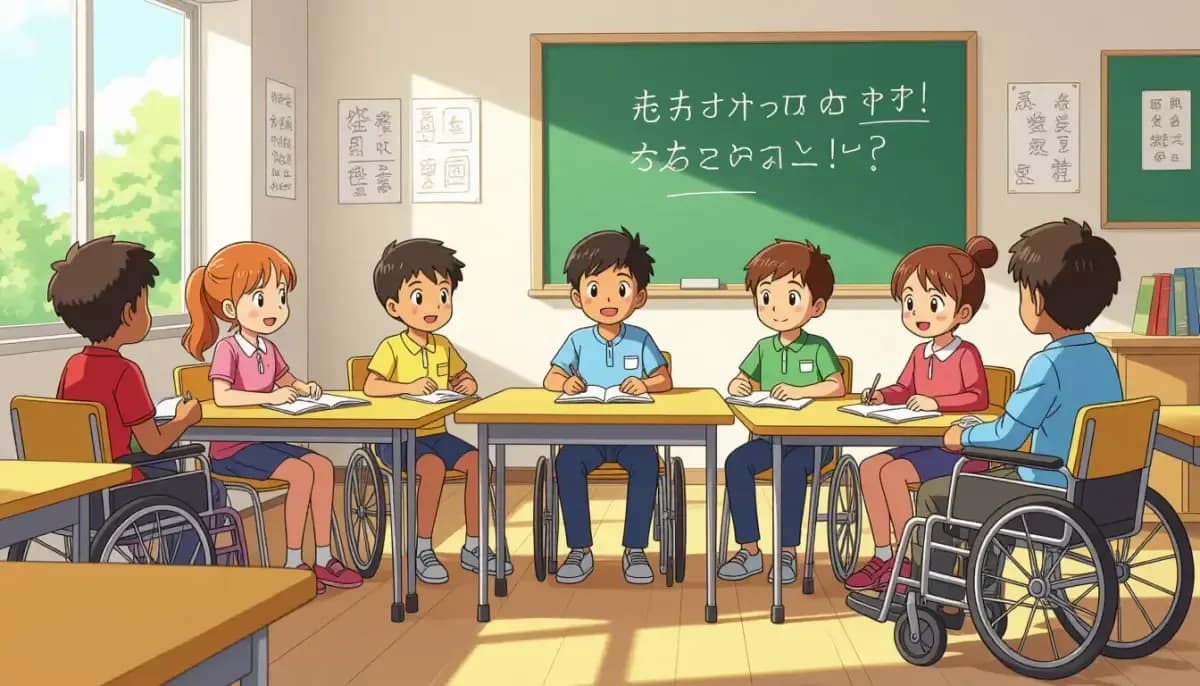
Inclusive Education Movement and Progress in Japan
Discover the state of inclusive education in Japan — from legal frameworks and school options to UN criticism and practical advice for foreign families with children with disabilities.
Read more →
English-Language Special Needs Resources in Japan
A complete guide to English-language special needs resources in Japan for expat families, covering education support, therapy services, disability certificates, financial aid, and parent communities.
Read more →
Advocating for Your Special Needs Child in Japanese Schools
A complete guide for foreign parents on navigating Japan's special needs education system — from understanding the three-tier support structure to effective advocacy strategies, English-language resources, and financial assistance.
Read more →
Therapy and Intervention Services for Children in Japan
Complete guide to therapy and intervention services for children in Japan. Find English-language speech therapy, mental health support, and early intervention programs for expat families.
Read more →
Government Support and Benefits for Special Needs Families
Complete guide to government support for special needs families in Japan: disability certificates, cash allowances up to ¥58,450/month, healthcare subsidies, school support, and welfare services for foreign residents.
Read more →
Special Education Classes (Tokubetsu Shien Gakkyu) Explained
A complete guide to Japan's special education classes (Tokubetsu Shien Gakkyu) for foreign families — how the system works, enrollment process, legal rights, and English-language resources.
Read more →