
Emergency Evacuation Plans with Children in Japan

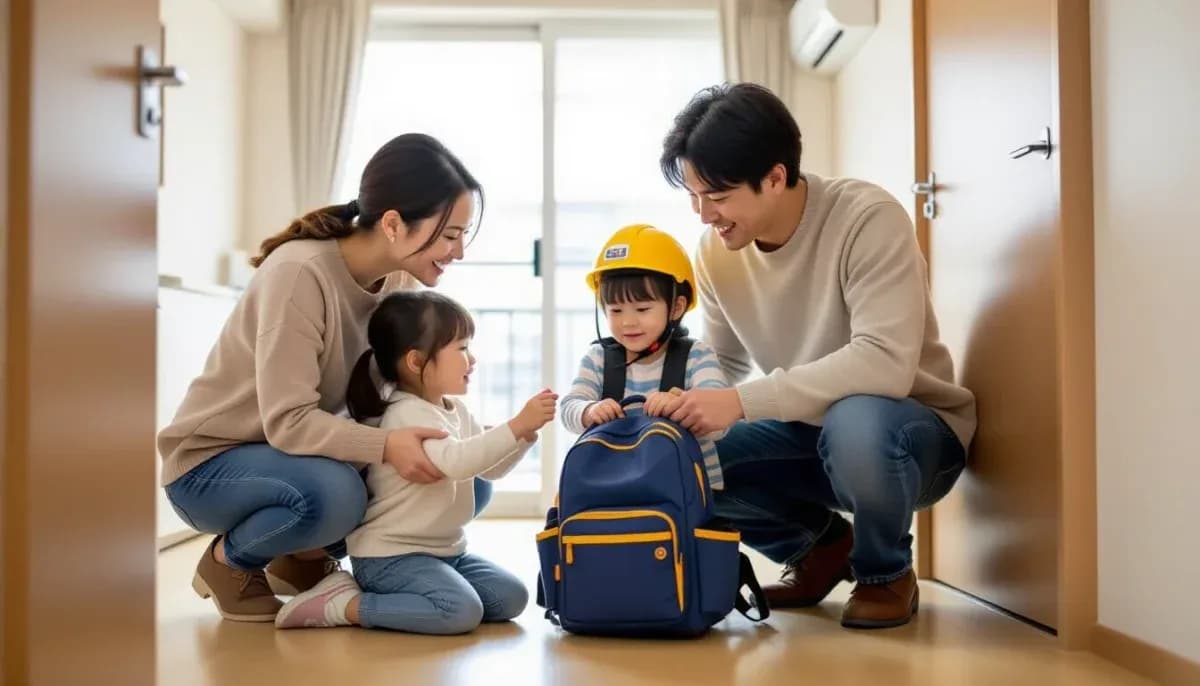
A complete guide for foreign families in Japan on emergency evacuation plans with children — covering bosai bags, shelter systems, communication plans, apps, and drills.
Emergency Evacuation Plans with Children in Japan: A Complete Guide for Foreign Families
Living in Japan means living in one of the world's most earthquake-prone countries. Japan sits on the Pacific Ring of Fire, with over 2,000 active fault lines crisscrossing the archipelago. Typhoons, tsunamis, floods, and volcanic eruptions are also constant realities. As a foreign parent raising children here, having a clear, practiced emergency evacuation plan is not optional — it is essential.
This guide walks you through everything you need to know: understanding Japan's evacuation system, building a family emergency kit, creating a communication plan that works even when cell networks fail, and making sure your children are prepared for a real emergency. The steps here are built specifically for expat and foreign families who may not be fluent in Japanese or fully familiar with how Japan's disaster response system works.
Understanding Japan's Disaster Risk and Why Planning Matters
Japan experiences approximately 1,500 earthquakes per year that are strong enough to be felt. The 2011 Tōhoku earthquake and tsunami killed nearly 20,000 people and caused over 470,000 to evacuate. The 1995 Hanshin-Awaji earthquake demonstrated that 80% of deaths were caused by falling objects and collapsing structures — deaths that better preparation could have reduced.
More recently, the 2024 Noto Peninsula earthquake damaged approximately 100,000 buildings, and the 2018 Western Japan flooding killed 237 people across 15 prefectures.
Despite these realities, a July 2025 survey of 3,000 Japanese residents found that only 26.2% reported being fully or somewhat prepared for disasters. A shocking 60.2% said they did not know where their nearest evacuation area was located. For foreign families who may not receive Japanese-language disaster alerts by default or who do not know the local geography well, the risk of being underprepared is even higher.
The good news: Japan has one of the best-organized disaster response systems in the world. The infrastructure for evacuation is excellent — the challenge for expat families is learning how to access and use it.
Japan's Two-Tier Evacuation System Explained
Japan uses a two-tier evacuation system that is important to understand before any emergency occurs.
Tier 1: Evacuation Sites (避難場所 / hinanbasho) These are immediate outdoor gathering points — school grounds, parks, and open spaces. During an earthquake or fire, you should first move to your nearest hinanbasho. These sites are designed to be safe open areas away from falling structures and fire spread.
Tier 2: Evacuation Shelters (避難所 / hinanjo) These are indoor facilities for multi-day stays — typically school gymnasiums, community centers, and public halls. After the immediate danger has passed, families move to hinanjo for extended shelter while infrastructure is repaired.
Tokyo also maintains additional tiers for large-scale disasters: "wide area evacuation sites" (広域避難場所) for city-scale disasters where local shelters are overwhelmed, and "secondary shelters" for elderly residents or disabled individuals requiring specialized care.
| Facility Type | Japanese Term | Purpose | Examples |
|---|---|---|---|
| Evacuation Site | 避難場所 (hinanbasho) | Immediate outdoor safety | School grounds, parks |
| Evacuation Shelter | 避難所 (hinanjo) | Multi-day indoor stay | School gyms, community halls |
| Wide Area Evacuation Site | 広域避難場所 | Large-scale disasters | Major parks, stadiums |
| Secondary Shelter | 二次避難所 | Special needs residents | Medical facilities, care homes |
Tokyo alone has approximately 3,000 designated evacuation sites. To find your specific neighborhood's sites, visit your local ward or city office (区役所/市役所), search the official ward website, or use the Disaster Prevention Map (防災マップ) distributed to all households. Make sure every adult member of your family knows the location of your two nearest evacuation sites before any emergency happens.
Building Your Family Emergency Kit (Bosai Bag)
A bosai bag (防災袋) — emergency preparedness bag — should be packed and stored near your front door so you can grab it within seconds. You need one bag for each family member, or a consolidated family bag if your children are young.
Water and Food
- 3 liters of water per person per day, for at least 3 days (one week is recommended)
- Non-perishable food for 3–7 days: energy bars, retort pouches, instant meals
- Manual can opener
- Baby formula, food pouches, and bottles if you have infants
Safety and Shelter
- Emergency thermal blanket (mylar)
- Work gloves (for moving debris)
- Dust masks or N95 masks (critical during aftershocks and volcanic ash)
- Whistle (to signal rescuers if trapped)
- Rope (3–5 meters)
- Duct tape and plastic sheeting (for sealing windows during volcanic ash)
Children-Specific Items
- Diapers, wipes, and baby medicine
- Children's prescription medications (2-week supply)
- Small toys, picture books, and comfort items (to manage anxiety in shelters)
- Change of clothes in child's size
- Hard-soled shoes for each child (glass debris is common after earthquakes)
Documents and Communication
- Photocopies of all passports, residence cards (在留カード), insurance cards
- List of emergency contacts including your home country embassy
- Cash and coins (ATMs and card readers may be offline)
- Backup battery (power bank) for phones
Safety Gear
- Flashlights and extra batteries
- Helmet or bosai hood (防災頭巾) for each person — these significantly reduce head injuries from falling objects
- First aid kit
For detailed guidance on what to include, see Japan Living Guide's Emergency Bag Checklist and YOLO Japan's Emergency Preparation Guide.
Creating a Family Emergency Communication Plan
During a major earthquake, mobile networks are often overloaded or down for the first several hours. Your family may be separated — children at school, parents at work. You need a communication plan that does not rely solely on mobile phones.
Step 1: Designate a Meeting Point Choose two meeting points your entire family knows by heart:
- A nearby landmark close to your home (e.g., the entrance to your local park)
- A secondary point farther away in case your neighborhood is inaccessible
Step 2: Use Disaster Emergency Message Dial 171 NTT's Disaster Emergency Message Dial (災害用伝言ダイヤル) is activated during major disasters. Any person can call 171 and record a voice message under a specific phone number. Family members can then retrieve the message by calling 171 and entering that same number. This service works even when regular call lines are congested.
- Record: Call 171 → press 1 → enter your home phone number → record message
- Retrieve: Call 171 → press 2 → enter the target phone number → listen
Step 3: Designate an Overseas Contact It is often easier to make international calls than domestic ones during a disaster. Designate a family member or trusted contact outside Japan as your communication hub. All family members check in with this person, who relays information to everyone.
Step 4: Know Your Child's School Plan Japanese schools have their own disaster response protocols. Children are not released to parents until it is confirmed safe. Know your school's evacuation shelter location and the procedure for collecting your child. Many schools require parents to sign out children in person with ID. Practice going to the school's designated evacuation point at least once.
Step 5: Install the Safety Tips App The Japan Tourism Agency's "Safety Tips" app provides earthquake alerts, tsunami warnings, and severe weather alerts in Japanese, English, Korean, Chinese, Spanish, Portuguese, and Thai. Download it now, before you need it. You can also enable alerts via NHK World (available as an app and at nhkworld.com).
For comprehensive guidance on Japan's emergency preparedness for expats, Japan Remotely's Natural Disaster Planning Guide is an excellent resource. The US Embassy in Japan also maintains an emergency preparedness page for American citizens, and most other embassies offer similar resources.
Talking to Your Children About Emergency Evacuation
Children who understand what to do in an emergency are calmer and safer. Japan's disaster education culture starts in kindergarten — most Japanese children practice evacuation drills from preschool age onward. As a foreign parent, you can and should reinforce these lessons at home.
Practice the Drop-Cover-Hold-On drill regularly Teach children: when shaking starts, drop to the floor, take cover under a desk or table and hold on, and stay there until the shaking stops. Avoid running to doorways (an outdated myth) or windows. Practice this every few months so it becomes automatic.
Walk the evacuation route together Walk with your children from your home to your nearest evacuation site. Let them learn the route themselves so they could manage it alone in an emergency. Point out landmarks, note any roads that might be blocked by fallen walls, and identify which neighbors they can go to for help.
Keep a calm, matter-of-fact tone Research on children's disaster readiness shows that fear-based communication is counterproductive. Frame practice as a normal, responsible part of living in Japan — the same way you would talk about fire drills at school. Use picture books and age-appropriate materials to explain what earthquakes and typhoons are.
Practice helmet wearing If you have bosai helmets or hoods at home, have children wear them periodically so wearing them in an emergency feels familiar rather than frightening.
Teach home address and emergency contacts from young age From around age 4–5, children should be able to say their full address and at least one parent's phone number from memory. Write this information on a laminated card and keep it in their school bag.
More guidance on supporting your children's emotional wellbeing during stressful situations can be found in our article on Mental Health and Emotional Wellbeing for Foreign Children in Japan.
Essential Apps and Alert Systems for Foreign Families
Japan's alert infrastructure is extensive, but accessing it in English requires knowing where to look. Here is what to set up before an emergency occurs.
J-Alert (全国瞬時警報システム) J-Alert sends automatic emergency messages through outdoor broadcast speakers, TV, and radio. During a disaster, you will hear sirens and Japanese announcements. Recognize the sound (a distinctive rising chime) and follow your prepared plan even if you cannot understand every word.
00000JAPAN Emergency WiFi During major disasters, telecom carriers activate the "00000JAPAN" free public WiFi network. If you see this network available, you can connect without a password and access emergency information even if your mobile plan is disrupted.
NHK World Radio and TV NHK broadcasts emergency information in English on:
- Radio: NHK Radio 2 (AM 693kHz), Inter FM (FM 89.7MHz), AFN Tokyo (AM 810kHz)
- TV: NHK World TV (also available via app)
- Online: nhkworld.com
| Recommended Apps | App | Platform | Features |
|---|---|---|---|
| Safety Tips | iOS / Android | Multilingual earthquake, tsunami, weather alerts | |
| iOS / Android | English news and disaster updates | Yahoo! 防災速報 | |
| Fast Japanese-language alerts with map | Google Translate (offline) | iOS / Android |
For a comprehensive overview of living safely in Japan as an expat, Living in Nihon and For Work in Japan offer useful guides on navigating daily life, including safety and emergency preparedness topics. If you have school-aged children, Chuukou Benkyou provides resources for education in Japan that are helpful context for understanding your children's school evacuation protocols.
Special Considerations for Infants, Toddlers, and Children with Special Needs
Standard emergency planning advice does not always translate directly to families with very young children or children with additional needs.
Infants and Toddlers
- Pack enough formula, diapers, and baby food for at least one week in your emergency kit, and rotate stock regularly so nothing expires
- Emergency shelters in Japan can be crowded and noisy — bring familiar items (a small stuffed animal, a blanket that smells like home) to help young children settle
- Baby carriers (抱っこ紐) are invaluable during evacuation — they keep your hands free and your infant close and secured
- Japanese evacuation shelters have been improving their infant support areas (授乳室), but availability varies. Contact your local ward office to learn what your nearest shelter provides
Children with Medical Needs
- Maintain a minimum two-week supply of any regular medications
- Create a medical information card in both English and Japanese listing your child's conditions, medications, allergies, and doctor's contact information. Laminate it and keep copies in your emergency bag and school bag
- Register with your ward office's disaster support registry (避難行動要支援者名簿) if your child has a disability or condition that would affect their ability to evacuate independently. This allows the city to include your family in targeted support during disasters
Children with Sensory Sensitivities Evacuation shelters can be overwhelming for children with autism spectrum disorder, sensory processing issues, or anxiety. Consider earplugs and noise-canceling headphones in your emergency kit. Speak with your local ward's welfare section (福祉課) about secondary shelters or alternate support options for children with special needs.
Our full guide on Healthcare and Medical Care for Children in Japan covers how to navigate Japan's medical system and maintain medical records for foreign families.
Reviewing and Practicing Your Plan Regularly
A plan that exists only on paper provides little protection in an actual emergency. Make preparedness an active, ongoing habit.
Check your emergency kit twice a year Use daylight saving time changes as reminders (Japan does not use DST, so use April 1 and October 1 instead). Replace expired food and water, check battery levels, and ensure medications are up to date.
Practice family drills At least twice a year, practice a short drill at home:
- Shout "earthquake" and have everyone drop, cover, and hold on
- After the "shaking stops," everyone grabs their bag and exits the apartment
- Walk or drive to your nearest evacuation site together
Update contact lists and documents after life changes When your children start a new school, when you move apartments, when your phone number changes, or when a family member's medical situation changes, update your emergency plan accordingly.
Attend local bosai events Most wards organize annual disaster preparedness events (防災訓練) open to all residents. These are excellent opportunities for hands-on practice with fire extinguishers, first aid, and evacuation procedures — and for meeting your neighbors, who may be your most important resource in a real emergency. Ward events are increasingly offering materials and support in English and other languages.
The statistics make clear that underprepared families are the norm, not the exception. By completing the steps in this guide, you will already be better prepared than the majority of households in Japan. For an overview of all the practical aspects of raising children in Japan as a foreigner, our Complete Guide to the Japanese Education System and other articles in this series cover everything from school enrollment to legal protections for foreign families.
More detailed information on Japan's evacuation system is available through the Japan Living Guide and Nippon.com's research on disaster preparedness awareness. The preparedness investments you make today — a packed bag, a practiced route, a memorized phone number — are the ones that will matter most when the ground starts shaking.

Originally from Vietnam, living in Japan for 16+ years. Graduated from Nagoya University, with 11 years of professional experience at Japanese and international companies. Sharing practical information for foreign parents raising children in Japan.
View Profile →Related Articles
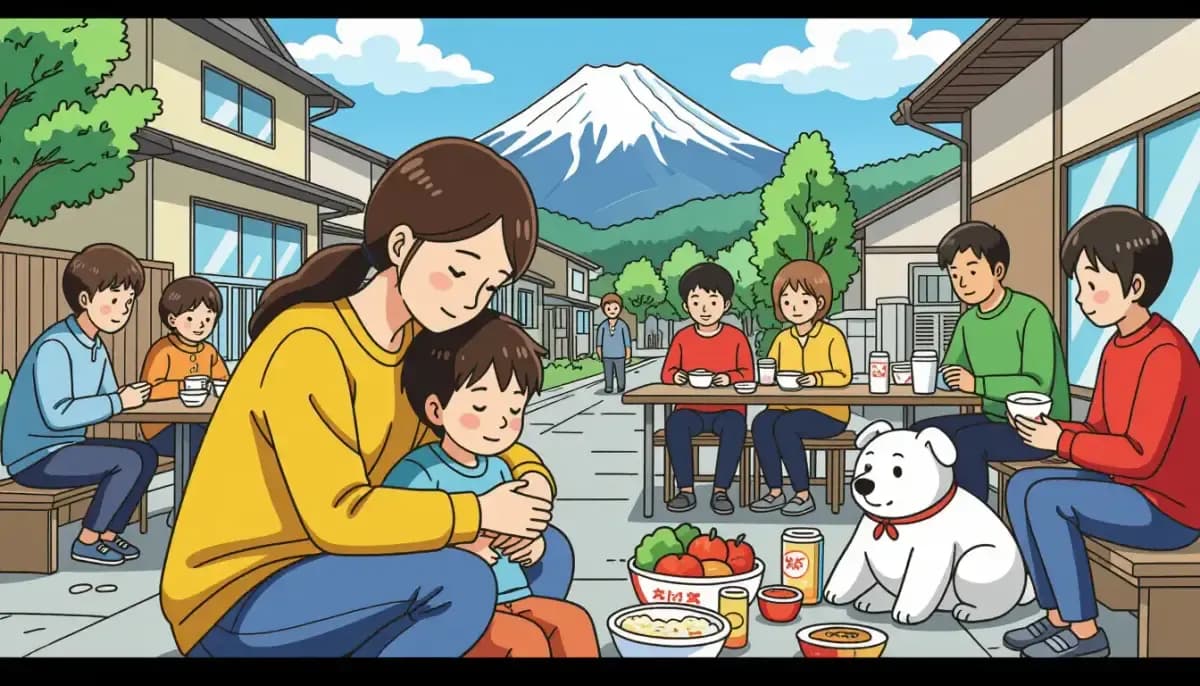
Helping Children Recover After a Natural Disaster
A practical guide for foreign parents on helping children recover emotionally and mentally after a natural disaster in Japan, with evidence-based strategies and available support resources.
Read more →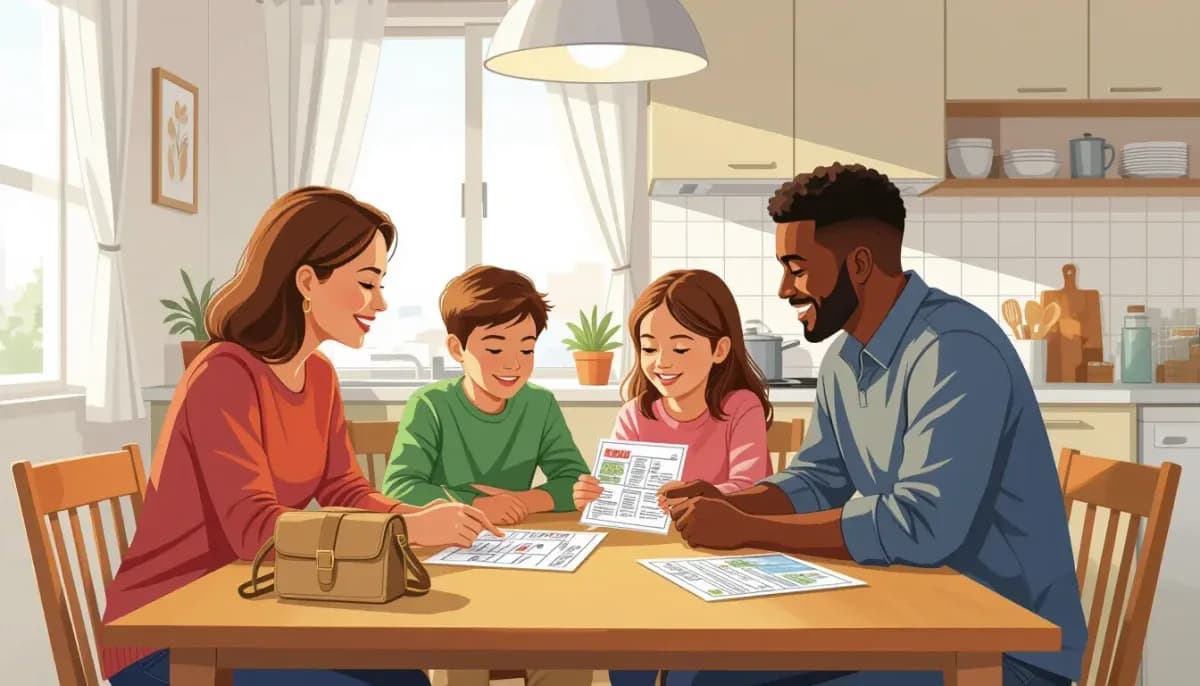
Creating a Family Disaster Communication Plan
Learn how to create a family disaster communication plan in Japan as a foreign resident. Covers 171 dial, Safety Tips app, school protocols, and multilingual strategies for expat families.
Read more →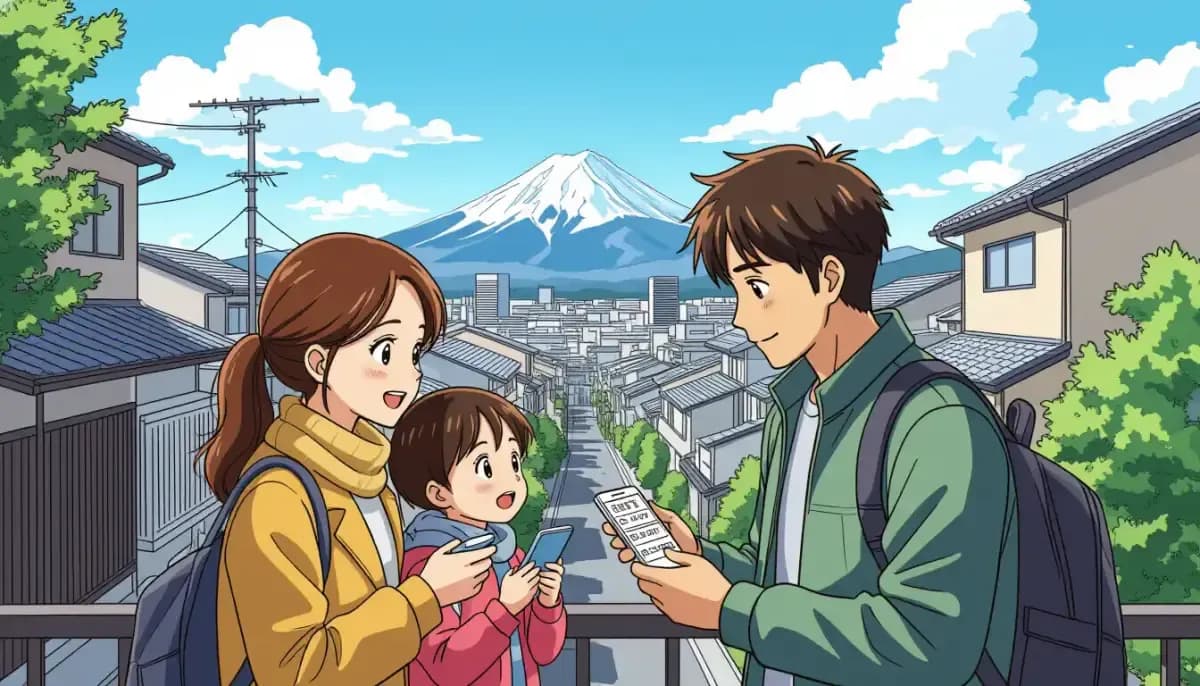
Emergency Contacts and Helplines for Families in Japan
Complete guide to emergency contacts and helplines for families in Japan. Police 110, ambulance 119, English hotlines, disaster messaging, and mental health support for expat families.
Read more →
Fire Safety at Home with Children in Japan
Essential fire safety guide for foreign families in Japan. Learn about smoke detectors, evacuation hatches, emergency procedures, teaching children fire safety, and protecting your home.
Read more →
Water Safety and Drowning Prevention for Kids in Japan
Essential water safety guide for parents raising kids in Japan. Learn about beach rip currents, river dangers, bathtub risks, emergency contacts, and Japan's drowning prevention resources for expat families.
Read more →
Teaching Children About Stranger Danger in Japan
A complete guide for foreign parents on teaching children about stranger danger in Japan, covering the Kodomo 110-ban safety house system, evening chimes, age-appropriate safety conversations, and how Japan's approach differs from Western stranger-danger messaging.
Read more →