
Emergency Contacts and Helplines for Families in Japan

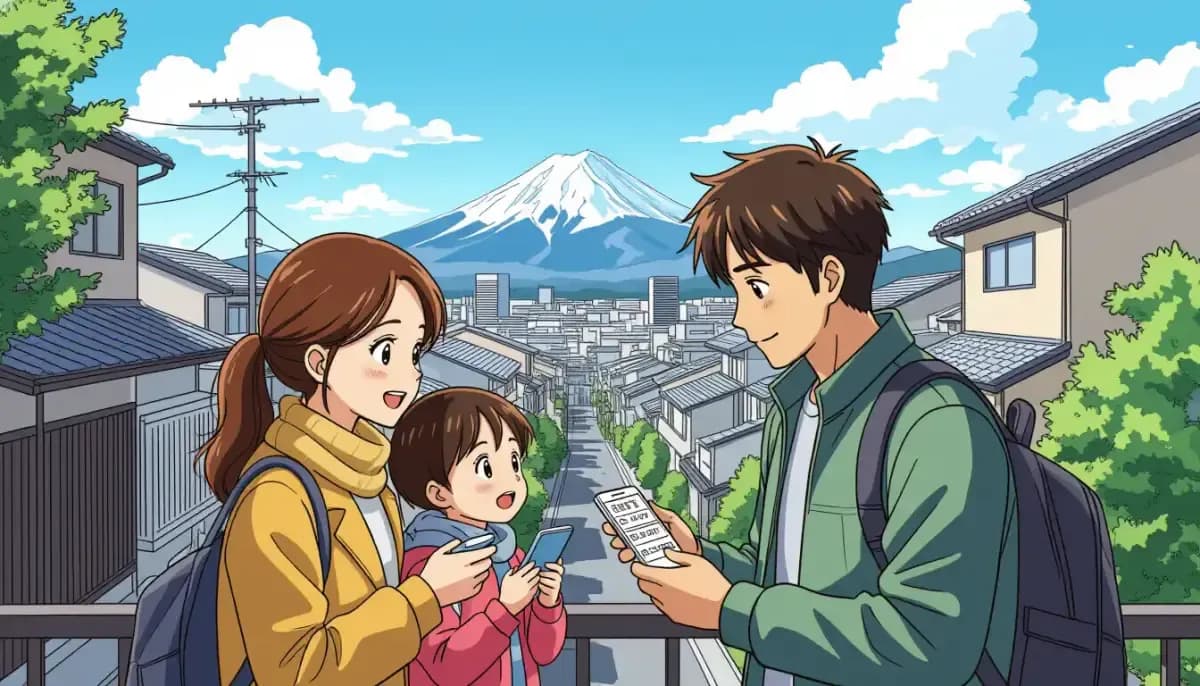
Complete guide to emergency contacts and helplines for families in Japan. Police 110, ambulance 119, English hotlines, disaster messaging, and mental health support for expat families.
Emergency Contacts and Helplines for Families in Japan
Moving to Japan with your family is an exciting adventure, but being prepared for emergencies is essential. Whether you face a medical crisis, a natural disaster, or a moment when you simply need guidance in an unfamiliar language, knowing exactly who to call can make all the difference. Japan has an extensive network of emergency services and support helplines — many of which offer English-language assistance — designed to keep residents and visitors safe.
This guide covers every critical number and helpline families need to know, from basic emergency services to specialized support for children, mental health, and disaster communication.
Core Emergency Numbers Every Family Must Know
Japan's primary emergency numbers are straightforward and easy to remember. All are toll-free, including from public phones with no coins required.
| Service | Number | Availability | Notes |
|---|---|---|---|
| Police | 110 | 24/7 | English operators on request |
| Ambulance & Fire | 119 | 24/7 | Free of charge; specify service needed |
| Coast Guard | 118 | 24/7 | Maritime emergencies |
| Non-emergency Police | #9110 | 24/7 | Consultations, lost items, general queries |
| Non-emergency Medical (Tokyo) | #7119 | 24/7 | Hospital referral or ambulance dispatch |
| Child Abuse Reporting | 189 | 24/7 | Welfare consultation center |
Calling 110 (Police)
When you dial 110, state your name, location, and the nature of the emergency. If you do not speak Japanese, say "Eigo ga hanasemasu ka?" (Can you speak English?) or simply "English please." Operators can connect you with an English-speaking interpreter. The service is available 24 hours a day, seven days a week.
Calling 119 (Ambulance and Fire)
Dial 119 for both ambulance and fire emergencies. When connected, state whether you need an ambulance (kyuukyuusha) or fire services (shoubosha). One of Japan's most family-friendly aspects is that ambulance transport is free of charge in most municipalities — you are only billed for hospital treatment once you arrive.
Non-Emergency Medical: #7119
In Tokyo and some other major cities, #7119 connects you to a medical consultation line staffed by nurses and doctors. They can advise whether your situation requires an ambulance or help you locate the nearest appropriate hospital. This is especially useful during overnight hours or weekends when many clinics are closed.
Helplines for Foreign Families and Expats
Living in Japan as a foreigner can bring unique challenges, especially when navigating bureaucratic or medical systems in a second language. Several dedicated services exist specifically to assist foreign residents and their families.
JNTO Visitor Hotline
Number: 050-3816-2787 Hours: 24/7, 365 days a year Languages: English, Chinese, Korean, Japanese
The Japan Tourism Agency's visitor hotline is available around the clock and covers a wide range of needs from tourist-related queries to urgent assistance for residents. It is one of the most accessible multilingual emergency resources in Japan.
Japan Helpline
Website: Japan Helpline Hours: 24/7, fully bilingual (English and Japanese)
Japan Helpline is a private non-profit service that provides comprehensive emergency assistance to foreign residents and their families. Crucially, coverage extends to immediate family members of registered users. Services include translation assistance, contacting emergency services on your behalf, emergency hospital referrals, and general guidance during crises. This service is particularly valuable for families with young children who may not yet have Japanese-speaking members.
TELL Lifeline (Mental Health)
Number: 0800-300-8355 (toll-free) / 03-5774-0992 Hours: Check current schedule at telljp.com
TELL Lifeline provides confidential emotional support and mental health counseling in English. Raising children abroad comes with unique stressors — adjustment difficulties, cultural identity questions, school challenges, and isolation. TELL is staffed by trained counselors and is a trusted resource for the expat community in Japan.
For information on children's mental health resources, see our guide on Mental Health and Emotional Wellbeing for Foreign Children in Japan.
HIMAWARI Tokyo Medical Information
Number: 03-5285-8181 Hours: Daily 9:00–20:00
HIMAWARI is a Tokyo Metropolitan Government service that helps foreign residents find medical facilities that provide foreign-language support. If your child is sick and you need to locate an English-speaking pediatrician or clinic that accepts your health insurance, HIMAWARI is your first call.
For more details on navigating the healthcare system, see our guide on Healthcare and Medical Care for Children in Japan.
Crisis and Mental Health Helplines
Japan has made significant strides in mental health support infrastructure, including several 24/7 crisis lines. These are important for all family members, including teenagers who may be struggling with adjustment or academic pressure.
| Service | Number | Hours | Language |
|---|---|---|---|
| Inochi SOS (Suicide Prevention) | 0120-061-338 | 24/7 | Japanese (interpreters available) |
| Yorisoi Line (Crisis Support) | 050-3655-0279 | 24/7 | Multilingual |
| TELL Lifeline | 0800-300-8355 | Select hours | English |
| Children's Consultation Center | 0120-189-783 | 24/7 | Japanese |
The Yorisoi Line is notable for offering multilingual support and covers a wide range of crises including domestic violence, economic hardship, and mental health emergencies. The Children's Consultation Center connects callers with child welfare professionals who can advise on everything from parenting challenges to suspected abuse situations.
If you are concerned about your child's emotional wellbeing after a difficult experience in Japan, resources are available. Review our guide on raising bilingual children in Japan for context on common adjustment challenges.
Human Rights and Family Legal Support
Foreign families sometimes encounter discrimination, harassment, or legal issues that require specialized guidance. Japan offers several hotlines for these situations.
Human Rights Hotline
Number: 0570-090-911 Hours: Weekdays 9:00–17:00
Operated by the Ministry of Justice, this line handles reports of discrimination, bullying, domestic violence, and other human rights violations. It is particularly relevant for families whose children may be experiencing bullying at school due to their nationality or language background.
Tokyo Foreign Residents' Advisory Center (FRAC)
Number: 03-5320-7744 Hours: Check Tokyo Metropolitan Government website for current hours
FRAC provides multi-language advisory services for foreign residents of Tokyo. Counselors can assist with administrative procedures, legal queries, and daily life concerns. The service is free of charge.
For families dealing with complex legal matters, see our guide on Visa and Legal Issues for Foreign Families with Children in Japan.
Disaster Preparedness and Family Communication
Japan is one of the world's most disaster-prone countries, regularly affected by earthquakes, typhoons, and tsunamis. Families need to have a clear communication plan before disaster strikes.
NTT Disaster Voice Messaging: 171
When a major disaster occurs, mobile and landline networks can become overloaded. NTT's 171 Disaster Voice Messaging Service allows you to:
- Record a message (press 1 after dialing 171) so family members know you are safe
- Listen to messages (press 2 after dialing 171) left by family members
This service activates automatically during major disasters and is one of the most reliable ways to connect with family when normal calls cannot get through. Practice using it with your children before an emergency occurs.
J-Alert (National Warning System)
Japan's J-Alert system automatically broadcasts emergency warnings — including earthquake alerts, tsunami warnings, and missile alerts — through outdoor speakers, TV, and mobile phone alerts. Ensure your phone's emergency alert settings are enabled. These alerts come in Japanese, but the accompanying siren tones and symbols are universal.
Building Your Family Emergency Plan
Every family living in Japan should have a written emergency plan that includes:
- A meeting point near your home in case you cannot communicate by phone
- An out-of-country contact who can relay messages between family members
- Copies of important documents (passports, residence cards, insurance information) stored securely off-site or digitally
- A 72-hour emergency kit with water, food, medications, and first-aid supplies
- Knowledge of your local evacuation routes (hinan basho maps are available at local municipal offices)
For broader family safety planning, Living in Nihon offers useful guidance for foreign residents: Living in Nihon.
School and Childcare Emergency Contacts
If your children attend a Japanese school, daycare, or kindergarten, ensure the institution has your current contact information and that you have theirs. Key points:
- Emergency contact forms (緊急連絡先): Update these at the start of each school year
- School closure announcements: Follow your school's official communication channel (often a dedicated app or phone tree)
- Pickup authority: Designate in writing who is authorized to pick up your child in an emergency
For more on navigating the Japanese school system as a foreign family, see our guides on Elementary School in Japan and Daycare and Hoikuen in Japan.
For Work in Japan also provides relevant support for foreign families navigating life in Japan: For Work in Japan.
Key Takeaways for Family Safety in Japan
Japan is consistently ranked as one of the world's safest countries, with low crime rates and a well-organized emergency response system. However, the language barrier can make navigating that system challenging for foreign families. The key steps are:
- Save all critical numbers in your phone now, before you need them
- Register with Japan Helpline if you want bilingual 24/7 family coverage
- Practice the 171 disaster messaging system with your family
- Know your local evacuation routes and keep a 72-hour emergency kit ready
- Talk to your children about what to do if they need help and cannot reach you
With preparation and the right contacts saved, your family can feel confident and secure in Japan.
For additional resources on family life in Japan, Chuukou Benkyou provides educational support for families: Chuukou Benkyou.
For comprehensive guidance on raising children in Japan, explore our full resource library — starting with The Complete Guide to the Japanese Education System for Foreign Families.
Sources: Japan Living Guide Emergency Numbers, Japan Handbook Safety Guide, Japan Helpline, Japan Dev Emergency Guide

Originally from Vietnam, living in Japan for 16+ years. Graduated from Nagoya University, with 11 years of professional experience at Japanese and international companies. Sharing practical information for foreign parents raising children in Japan.
View Profile →Related Articles
Helping Children Recover After a Natural Disaster
A practical guide for foreign parents on helping children recover emotionally and mentally after a natural disaster in Japan, with evidence-based strategies and available support resources.
Read more →
Creating a Family Disaster Communication Plan
Learn how to create a family disaster communication plan in Japan as a foreign resident. Covers 171 dial, Safety Tips app, school protocols, and multilingual strategies for expat families.
Read more →
Fire Safety at Home with Children in Japan
Essential fire safety guide for foreign families in Japan. Learn about smoke detectors, evacuation hatches, emergency procedures, teaching children fire safety, and protecting your home.
Read more →
Water Safety and Drowning Prevention for Kids in Japan
Essential water safety guide for parents raising kids in Japan. Learn about beach rip currents, river dangers, bathtub risks, emergency contacts, and Japan's drowning prevention resources for expat families.
Read more →
Teaching Children About Stranger Danger in Japan
A complete guide for foreign parents on teaching children about stranger danger in Japan, covering the Kodomo 110-ban safety house system, evening chimes, age-appropriate safety conversations, and how Japan's approach differs from Western stranger-danger messaging.
Read more →
Basic First Aid for Children in Japan
Essential guide to basic first aid for children in Japan. Learn emergency numbers, common injury response, first aid kit essentials, CPR training options in English, and how Japan's pediatric healthcare system works for foreign parents.
Read more →