
Free Daycare in Japan: Eligibility and How to Apply

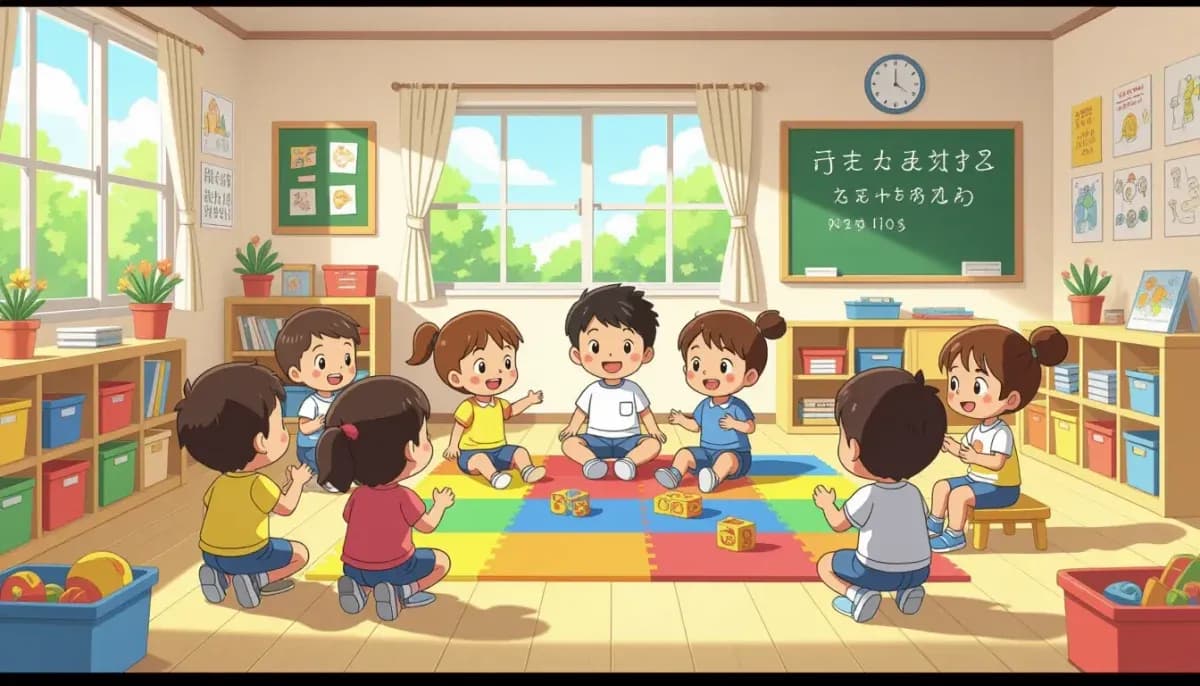
Complete guide to Japan's free daycare policy for foreign families. Learn about eligibility for ages 0-5, the hoikuen application process, points system, required documents, and costs covered under the muenshouka program.
Free Daycare in Japan: Eligibility and How to Apply
Finding affordable childcare is one of the biggest concerns for foreign families living in Japan. The good news is that Japan's landmark muenshouka (無償化) policy, introduced in October 2019, made early childhood education and care free for millions of families. Whether you are raising a toddler or preparing your child for elementary school, understanding how this system works can save you hundreds of thousands of yen each year.
This guide explains exactly who qualifies for free daycare in Japan, what types of facilities are covered, and how to navigate the application process as a foreign parent.
What Is the Muenshouka (Free Childcare) Policy?
In October 2019, the Japanese government launched the Free Early Childhood Education and Care initiative (幼児教育・保育の無償化, or muenshouka). The policy was designed to ease the financial burden on families and address Japan's declining birthrate by making preschool education accessible to everyone.
Under this policy, basic tuition fees are waived for children attending licensed childcare facilities. The program applies equally to Japanese citizens and foreign residents with valid residence status — there are no nationality restrictions.
Today, approximately 98% of children aged 3–5 in Japan are enrolled in some form of early education program, one of the highest rates among OECD countries. For a deeper look at the broader education landscape, check out our complete guide to the Japanese education system.
Who Is Eligible for Free Daycare?
Eligibility depends primarily on your child's age and the type of facility they attend. Here is a breakdown:
| Age Group | Facility Type | Fee Status | Notes |
|---|---|---|---|
| 3–5 years | Licensed hoikuen (daycare) | Free | All children regardless of income |
| 3–5 years | Youchien (kindergarten) | Free (up to ¥25,700/month) | Subsidy cap for private kindergartens |
| 3–5 years | Nintei kodomo-en (certified center) | Free | Combined daycare + kindergarten |
| 0–2 years | Licensed hoikuen | Free | Only for tax-exempt households |
| 0–2 years | Licensed hoikuen (Tokyo) | Free | Tokyo covers all first children since Sept 2025 |
| 0–2 years | Licensed hoikuen (other areas) | ¥0–¥60,000/month | Based on household income and municipality |
Key points for foreign families:
- You must be registered as a resident in your municipality (住民登録)
- You need a valid residence status (visa)
- Your child must have a residence card or be listed on your family register
- Income-based fees for 0–2 year olds are calculated from your municipal resident tax
For more on navigating daycare and hoikuen options in Japan, see our dedicated guide.
Types of Childcare Facilities Covered
Japan has three main types of licensed early childhood facilities, each with different characteristics:
Hoikuen (保育園) — Daycare Centers
Hoikuen serve children from age 0 to 5 and operate full days (typically 7:30 AM – 6:00 PM). They are designed for families where both parents work. To enroll, you must demonstrate a "need for childcare" (保育の必要性), meaning both parents are employed, studying, job-seeking, or have medical needs.
Youchien (幼稚園) — Kindergartens
Youchien accept children aged 3–5 and focus on education rather than full-day care. Hours are shorter (usually 9:00 AM – 2:00 PM). No work requirement is needed — any family can enroll. This makes youchien a good option for families where one parent stays home. Learn more in our guide to kindergarten in Japan for foreign parents.
Nintei Kodomo-en (認定こども園) — Certified Centers
These hybrid facilities combine elements of both hoikuen and youchien. They accept children aged 0–5 and offer both education and extended care programs. They are growing in popularity and often have more flexible enrollment requirements.
Additionally, some families use unlicensed daycare (認可外保育施設). While these are not fully covered under the free policy, the government provides a partial subsidy of up to ¥37,000/month for children aged 3–5 in unlicensed facilities.
How the Points-Based Application System Works
For hoikuen and some nintei kodomo-en, municipalities use a points-based scoring system to rank applications. Understanding this system is critical, especially in competitive areas like Tokyo where you may need 200–240 points to secure a spot.
| Criteria | Points |
|---|---|
| Full-time work (160+ hours/month) | 100 points |
| Part-time work (80+ hours/month) | 80 points |
| Minimum qualifying work (64+ hours/month) | 70 points |
| Single parent household | +20 bonus points |
| Sibling already enrolled at same facility | +10 bonus points |
| Household member requiring nursing care | +5 bonus points |
| Currently using temporary childcare | +5 bonus points |
Each parent is scored individually, and the scores are combined. For a dual-income household where both parents work full-time, the base score would be 200 points.
Tips to improve your score:
- Have both parents working or studying full-time
- List the maximum number of daycare preferences (up to 20 in some wards)
- Consider less popular facilities or those further from train stations
- Apply for temporary childcare while on the waitlist
For detailed guidance on the application process, E-Housing has an excellent enrollment guide.
How to Apply: Step-by-Step Process
Step 1: Visit Your Local Ward or City Office
Go to the Childcare Support Section (子育て支援課 or 保育課) at your municipal office. Staff can explain available facilities in your area and provide application forms. Some wards with large foreign populations (Minato, Shibuya, Shinjuku) offer English-language support.
Step 2: Gather Required Documents
You will need:
- Daycare application form (入所申込書) — available at your ward office or online
- Proof of employment (就労証明書) — completed by your employer
- MyNumber cards for both parents and child
- Child's health check report (健康診断書)
- Residence certificate (住民票)
- Tax documentation — the municipality may access your resident tax records
If you are self-employed, you will need to provide business registration documents or tax returns instead of an employer certificate.
Step 3: Submit Your Application
The main application window for April enrollment is October to November of the preceding year. Results are typically announced in late January.
If you miss the main window, most municipalities accept monthly rolling applications with deadlines around the 10th of the month before your desired start date.
Step 4: Attend an Interview and Facility Tour
Many facilities require a brief interview and health screening. Some hoikuen offer tours in advance — attending these shows commitment and helps you decide which facility suits your family. For more about preparing your family for life in Japan, see the family life guide at For Work in Japan.
Step 5: Receive Your Decision
Acceptance notifications arrive in late January for April starts. If not accepted, you are placed on a waitlist and can reapply each month for any openings.
Costs That Are NOT Covered
While tuition fees are free for ages 3–5, several additional costs remain the responsibility of parents:
- Lunch fees (給食費): approximately ¥4,500–¥7,500/month
- Extended hours fees (延長保育料): for care beyond standard hours
- Materials and supplies: uniforms, textbooks, art supplies
- Event fees: field trips, special activities
- Transportation: school bus fees if applicable
- Diapers and bedding: some facilities charge for these items
For children aged 0–2 who are not in tax-exempt households, monthly fees can range from ¥20,000 to ¥60,000 depending on your income bracket and municipality. However, the second child receives a 50% discount, and the third child and beyond attend for free in most areas.
To learn about overall costs of raising children, visit Real Life Japan's childcare cost guide.
Special Considerations for Foreign Families
Language Barriers
Most hoikuen and youchien operate entirely in Japanese. While this provides excellent language immersion for your child, it can be challenging for parents who do not speak Japanese. Consider:
- Bringing a Japanese-speaking friend to important meetings
- Using translation apps for daily communication notebooks (連絡帳)
- Asking your ward office about multilingual support services
Alternative Options
If the language barrier feels too high, international schools offer English-medium programs, though they are typically not covered by the free childcare policy.
Cultural Adjustments
Japanese daycare involves practices that may be unfamiliar, such as bringing specific items in handmade bags, detailed daily logs, and extensive parent participation in events. For tips on cultural adaptation, see Living in Nihon's guide to raising children in Japan.
Children's Education Planning
If you are thinking ahead to your child's school years, including entrance exams and education options, Chuukou Benkyou has useful resources for foreign students.
Frequently Asked Questions
Can foreign nationals apply for free daycare in Japan? Yes. Foreign residents with valid residence status and municipal registration have the same rights as Japanese citizens to access free childcare programs.
Is daycare free for 0–2 year olds? Only for tax-exempt households nationally. However, Tokyo has expanded coverage to make daycare free for all first children aged 0–2 since September 2025.
What if I'm not working — can I still get free childcare? You can enroll in youchien (kindergarten) without a work requirement. For hoikuen, at least one qualifying reason (work, study, job-seeking, medical) is needed.
How competitive is getting into hoikuen? Very competitive in urban areas. In Tokyo, families typically need 200–240 points. Rural areas are generally less competitive with shorter waitlists.
What happens if my child doesn't get accepted? You are placed on a waitlist and can reapply monthly. In the meantime, consider unlicensed daycare, temporary childcare services, or family day care (家庭的保育) as alternatives.
Conclusion
Japan's free daycare policy is a significant benefit for foreign families raising children here. By understanding the eligibility requirements, preparing your documents early, and strategically applying through the points system, you can secure quality childcare without the heavy financial burden. Start by visiting your local ward office, gathering the necessary paperwork, and submitting your application during the October–November window for the best chance of success.
For a comprehensive overview of all aspects of baby and infant care in Japan, including healthcare and pregnancy as a foreign parent, explore our other guides in this series.

Originally from Vietnam, living in Japan for 16+ years. Graduated from Nagoya University, with 11 years of professional experience at Japanese and international companies. Sharing practical information for foreign parents raising children in Japan.
View Profile →Related Articles
Extended Hours and Overnight Daycare Services in Japan
Complete guide to extended hours daycare (encho hoiku), overnight childcare (yakan hoiku), baby hotels, and 24-hour babysitter services in Japan for foreign parents with non-standard work schedules.
Read more →
Daycare Meals and Nutrition Standards in Japan
Complete guide to daycare meals and nutrition standards in Japan for foreign parents. Learn about meal structure, shokuiku food education, allergy management, and tips for helping your child adjust to Japanese nursery school food.
Read more →
How to Choose the Best Daycare in Your Area of Japan
A complete guide for foreign parents on choosing the best daycare in Japan. Learn about hoikuen, yochien, the point system, costs, subsidies, and application tips for your area.
Read more →
Home-Based and Family Daycare in Japan Explained
Everything foreign parents need to know about hoiku mama and family daycare in Japan, including costs, how to apply, pros and cons, and tips for finding the right home-based childcare provider.
Read more →
Corporate and Workplace Daycare Options in Japan
Discover corporate daycare and workplace nursery options in Japan including jigyosho nai hoikuen, kigyou shudougata hoiku, costs, eligibility, and tips for foreign families navigating company-sponsored childcare.
Read more →
Communicating with Daycare Teachers as a Non-Japanese Parent
Practical guide for non-Japanese parents on communicating with daycare teachers in Japan, including renrakucho tips, essential Japanese phrases, and technology tools to bridge the language barrier.
Read more →