
How to Choose the Best Daycare in Your Area of Japan

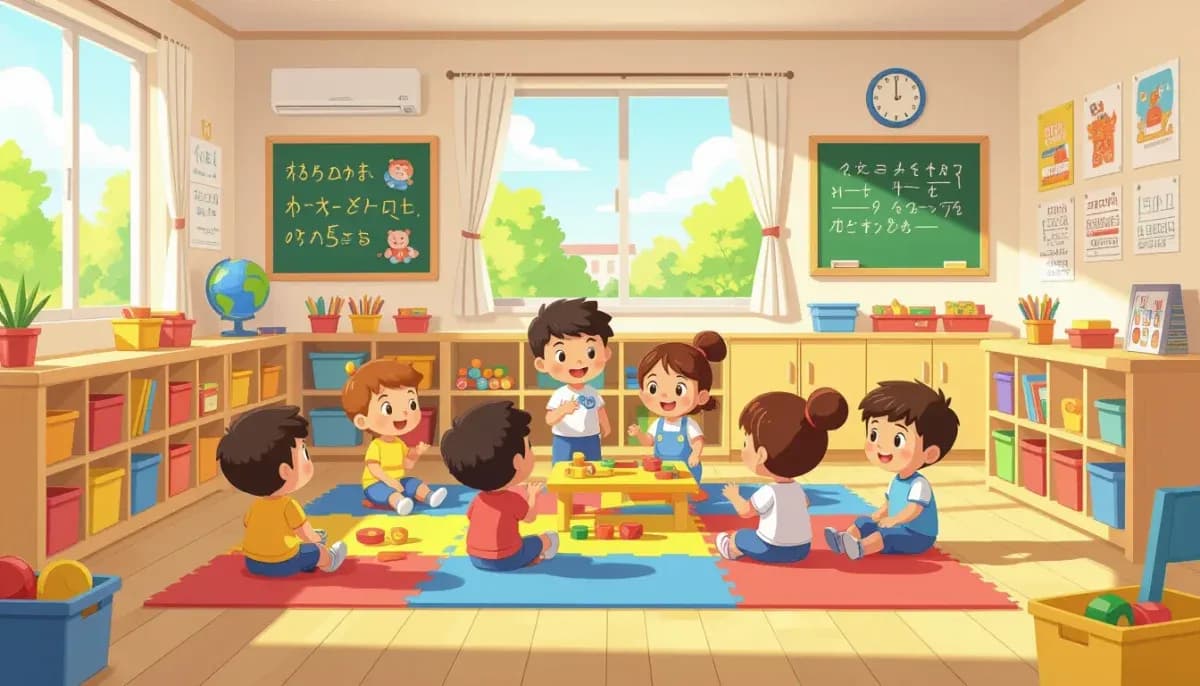
A complete guide for foreign parents on choosing the best daycare in Japan. Learn about hoikuen, yochien, the point system, costs, subsidies, and application tips for your area.
How to Choose the Best Daycare in Your Area of Japan
Finding the right daycare for your child in Japan can feel overwhelming, especially as a foreign parent navigating an unfamiliar system. With multiple types of facilities, competitive enrollment processes, and a unique point-based application system, making the best choice requires careful research and planning. This guide walks you through everything you need to know to choose the best daycare in your area of Japan.
Understanding the Types of Daycare in Japan
Japan offers several categories of childcare facilities, each serving different needs. Understanding the differences is essential before you start searching.
Hoikuen (保育園) are licensed daycare centers supervised by the Ministry of Health, Labour and Welfare. They accept children from as young as two months old up to age five, and operate for eight or more hours per day. Hoikuen are designed for families where both parents work. For a deeper dive into hoikuen, check out our Complete Guide to Daycare and Hoikuen in Japan.
Yochien (幼稚園) are kindergartens overseen by the Ministry of Education. They accept children aged three to five and typically operate for about four hours in the morning. Yochien focus more on early childhood education than on full-day care. Learn more in our guide on Kindergarten in Japan for Foreign Parents.
Nintei Kodomoen (認定こども園) are certified centers established since 2010 that combine the functions of both hoikuen and yochien. They offer flexible hours and accept children regardless of whether both parents work.
Ninkagai Hoikuen (認可外保育施設) are unlicensed or private daycare facilities. While they do not meet government licensing standards, many still provide quality care and offer more flexible enrollment. International preschools often fall into this category.
| Feature | Hoikuen | Yochien | Nintei Kodomoen | Ninkagai (Unlicensed) |
|---|---|---|---|---|
| Ages | 0-5 | 3-5 | 0-5 | Varies |
| Hours | 8-11 hours | ~4 hours | Flexible | Flexible |
| Ministry | Health/Welfare | Education | Both | None |
| Requires working parents | Yes | No | Depends | No |
| Cost (ages 3-5) | Free | Free | Free | Partial subsidy up to ¥37,000/month |
| Cost (ages 0-2) | ¥20,000-¥70,000/month | N/A | ¥20,000-¥70,000/month | ¥50,000-¥200,000/month |
How the Application and Point System Works
Licensed hoikuen in Japan use a point-based system called hoiku no hitsuyosei no nintei (保育の必要性の認定) to determine enrollment priority. Your local ward or city office manages this process, not individual daycare centers.
Points are awarded based on several factors:
- Both parents working full-time earns the highest points
- Single-parent households receive additional priority
- Health conditions that prevent childcare at home add points
- Having no extended family nearby to help with childcare adds points
- Already having a sibling enrolled at the same facility earns bonus points
The more points you accumulate, the higher your chances of getting a spot. In competitive areas like central Tokyo, getting into a popular daycare has been described as being as difficult as getting into college. For tips on navigating visa and legal matters as a foreign family, see our dedicated guide.
Application timeline: Most major enrollment rounds target an April start (the beginning of the Japanese school year). Applications typically open in October or November and close by December of the prior year. Check with your local ward office for exact dates, as they vary by municipality.
Key Factors to Consider When Choosing a Daycare
When evaluating daycare options in your area, focus on these important criteria:
Location and Commute
Choose a daycare that fits your daily routine. Consider proximity to your home, your workplace, and the nearest train station. A daycare that requires a long detour every morning will become exhausting quickly. Many parents find that a facility within walking distance of home or on the route to work is ideal.
Staff-to-Child Ratio and Quality
Japan mandates specific staff-to-child ratios for licensed facilities: one caregiver per three children for ages 0-1, one per six for ages 1-2, and one per twenty for ages 3-5. However, some facilities exceed these minimums. During your visit, observe how staff interact with children and whether they seem attentive and warm.
Language Support
For foreign families, language can be a significant concern. Most public hoikuen operate entirely in Japanese, which can actually benefit your child's language development. However, if your child has no Japanese exposure at home, consider whether the facility has experience with non-Japanese-speaking children. Some international daycare centers offer bilingual programs, though at a higher cost. Read more about raising bilingual children in Japan for helpful strategies.
Facilities and Environment
Visit the daycare in person whenever possible. Look at the play areas, outdoor spaces, cleanliness, safety measures, and the overall atmosphere. Japanese daycare centers often maintain excellent hygiene standards and provide well-structured daily routines including meals, naps, and outdoor play time.
Meals and Nutrition
Most licensed hoikuen provide nutritionally balanced lunches and snacks prepared on-site by qualified staff. Ask about how they handle food allergies and whether they accommodate special dietary needs. This is particularly relevant if your child has restrictions that may be unfamiliar to Japanese cooks.
Documents You Need as a Foreign Parent
Foreign residents with valid residence status qualify for the same childcare subsidies as Japanese citizens. When applying, you will typically need:
- Juminhyo (住民票) — Certificate of residence for your child
- Parents' residence cards (在留カード)
- Proof of employment — Work certificates from both parents' employers
- Tax certificates — To determine income-based fees for children aged 0-2
- Boshi Techo (母子手帳) — Maternal and child health handbook with vaccination records
- Application forms — Available from your local ward or city office
If your documents are in a foreign language, you may need certified Japanese translations. Some ward offices have multilingual support staff who can help with the process. For general guidance on baby and infant care in Japan, our guide covers the essentials.
Understanding Costs and Government Subsidies
Japan's childcare system has become significantly more affordable in recent years thanks to government subsidies:
Free childcare for ages 3-5: Since October 2019, all children aged three to five can attend licensed hoikuen, yochien, or nintei kodomoen free of charge. This policy applies equally to foreign residents.
Ages 0-2: Fees for younger children are income-based and typically range from ¥20,000 to ¥70,000 per month at licensed facilities. Low-income households may qualify for reduced or free care.
Tokyo special subsidies: Tokyo has been expanding its childcare support. Starting in September 2025, the metropolitan government introduced free childcare for the first child aged 0-2 enrolled in licensed facilities, with plans to expand coverage further. For more information on planning education costs, see this helpful guide on education fund planning for children in Japan.
International preschools: These typically charge ¥100,000 to ¥200,000 per month or more, though the government provides a subsidy of up to ¥37,000 per month for children aged 3-5 attending unlicensed facilities. Learn more about international schools in Japan in our comprehensive guide.
Practical Tips for Finding the Best Daycare
Here are proven strategies from experienced foreign parents in Japan:
Start early. Begin researching at least six months before you need care. For April enrollment, start looking in spring or summer of the previous year. Visit your ward office early to understand local options and deadlines.
Visit multiple facilities. Most daycares hold open days (見学会, kengakukai) where you can tour the facility and meet staff. Attend as many as possible. Prepare questions about daily schedules, emergency procedures, and communication methods with parents.
Talk to other parents. Join local parent groups, both Japanese and international. Facebook groups, local community centers, and family life support resources can connect you with parents who have navigated the system.
Apply broadly. List multiple daycare preferences on your application form. Most municipalities allow you to rank several facilities. Listing only one or two choices significantly reduces your chances.
Consider ninkagai as backup. Unlicensed facilities are easier to get into and can serve as a stepping stone while you wait for a licensed spot. Some parents use ninkagai daycare strategically, as having a child already in an unlicensed facility can earn additional points when applying for licensed care.
Check for mid-year openings. While April is the main enrollment period, spots occasionally open mid-year when families move. Check with your ward office monthly for availability.
For a broader perspective on raising children in Japan, explore our Complete Guide to the Japanese Education System for Foreign Families. You can also find useful information about childcare options at Japan Living Guide and the comprehensive childcare guide for expats. For additional resources on education and study techniques, visit Chuukou Benkyou for detailed guides on academic preparation in Japan.
What to Expect in the First Few Weeks
Once your child is enrolled, Japanese daycares typically start with a 慣らし保育 (narashi hoiku) adjustment period lasting one to two weeks. Your child attends for just a few hours initially, gradually extending to full days. This helps both the child and caregivers build trust.
Communication with the daycare happens primarily through a 連絡帳 (renrakucho), a daily notebook where teachers and parents exchange information about meals, naps, mood, and activities. Some modern daycares also use apps for this purpose. If your Japanese is limited, consider using translation apps to help read and write entries.
Most daycares require specific supplies labeled with your child's name in Japanese, including futon covers, towels, change of clothes, and outdoor shoes. Your daycare will provide a detailed list upon enrollment. For more about navigating the toddler parenting years in Japan, our guide has practical advice.
Conclusion
Choosing the best daycare in Japan requires understanding the different facility types, navigating the point system, and planning well ahead of application deadlines. As a foreign parent, you have access to the same excellent public childcare system and subsidies as Japanese families. Start your research early, visit multiple facilities, apply broadly, and do not hesitate to ask your local ward office for help. With the right preparation, you can find a daycare where your child will thrive and grow in their new home in Japan.

Originally from Vietnam, living in Japan for 16+ years. Graduated from Nagoya University, with 11 years of professional experience at Japanese and international companies. Sharing practical information for foreign parents raising children in Japan.
View Profile →Related Articles
Extended Hours and Overnight Daycare Services in Japan
Complete guide to extended hours daycare (encho hoiku), overnight childcare (yakan hoiku), baby hotels, and 24-hour babysitter services in Japan for foreign parents with non-standard work schedules.
Read more →
Daycare Meals and Nutrition Standards in Japan
Complete guide to daycare meals and nutrition standards in Japan for foreign parents. Learn about meal structure, shokuiku food education, allergy management, and tips for helping your child adjust to Japanese nursery school food.
Read more →
Home-Based and Family Daycare in Japan Explained
Everything foreign parents need to know about hoiku mama and family daycare in Japan, including costs, how to apply, pros and cons, and tips for finding the right home-based childcare provider.
Read more →
Corporate and Workplace Daycare Options in Japan
Discover corporate daycare and workplace nursery options in Japan including jigyosho nai hoikuen, kigyou shudougata hoiku, costs, eligibility, and tips for foreign families navigating company-sponsored childcare.
Read more →
Free Daycare in Japan: Eligibility and How to Apply
Complete guide to Japan's free daycare policy for foreign families. Learn about eligibility for ages 0-5, the hoikuen application process, points system, required documents, and costs covered under the muenshouka program.
Read more →
Communicating with Daycare Teachers as a Non-Japanese Parent
Practical guide for non-Japanese parents on communicating with daycare teachers in Japan, including renrakucho tips, essential Japanese phrases, and technology tools to bridge the language barrier.
Read more →