
Extended Hours and Overnight Daycare Services in Japan

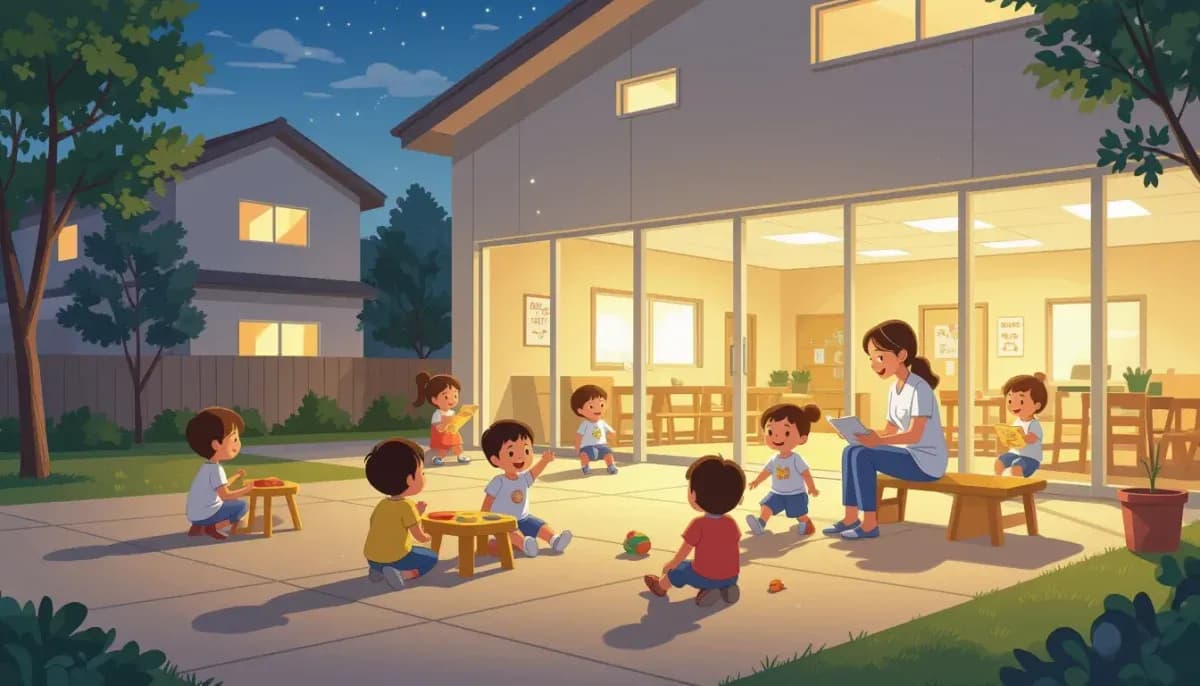
Complete guide to extended hours daycare (encho hoiku), overnight childcare (yakan hoiku), baby hotels, and 24-hour babysitter services in Japan for foreign parents with non-standard work schedules.
Extended Hours and Overnight Daycare Services in Japan
Finding reliable childcare outside of standard business hours can be one of the biggest challenges for foreign parents living in Japan. Whether you work late shifts, have unpredictable schedules, or face emergency situations that require overnight care, Japan offers several options that many expat families are not aware of. This guide covers everything you need to know about extended hours daycare (encho hoiku), overnight childcare (yakan hoiku), and other flexible care solutions available throughout the country.
Understanding Standard Daycare Hours in Japan
Before exploring extended options, it helps to understand what "standard" means in the Japanese childcare system. Licensed daycare centers (hoikuen) typically operate from around 7:30 a.m. to 6:30 p.m. on weekdays. Children are usually dropped off between 7:00 and 8:00 a.m. and picked up between 5:00 and 7:00 p.m.
These hours work well for parents with typical 9-to-5 office jobs, but they fall short for healthcare workers, hospitality professionals, engineers at global companies with late-night meetings, and anyone else whose schedule extends beyond the usual workday. If you are navigating the standard daycare system for the first time, our complete guide to daycare and hoikuen in Japan provides a thorough overview of enrollment, costs, and what to expect.
Extended Hours Daycare (Encho Hoiku)
Extended hours care, known as encho hoiku (延長保育), is the most common solution for parents who need a few extra hours beyond the standard closing time. Many licensed hoikuen offer this service, allowing parents to keep their children at the facility until 19:00 or even 20:00.
How It Works
When you apply for daycare, you can indicate on your application that you need extended hours. If approved, the daycare will prepare an evening snack or even dinner for your child during the extended period. The additional cost is typically around 10% of your assessed monthly fee, which is calculated based on household income.
For example, if your monthly daycare fee is ¥30,000, the extended care surcharge would be approximately ¥3,000 per month. Some municipalities charge a flat daily rate instead, ranging from ¥300 to ¥800 per day for the extra hours.
Eligibility Requirements
To qualify for extended hours, you generally need to demonstrate that both parents (or the single parent) have work schedules that make it impossible to pick up the child during regular hours. Documentation from your employer confirming your work hours is usually required. Foreign residents follow the same application process as Japanese families — check our guide on visa and legal issues for foreign families to make sure your residency status qualifies.
Overnight and Nighttime Daycare (Yakan Hoiku)
For parents who work night shifts or have truly irregular schedules, yakan hoiku (夜間保育) provides childcare during evening and nighttime hours. These facilities are less common than standard daycares but can be found in major cities across Japan.
What Is Yakan Hoiku?
Yakan hoiku centers typically operate from around 6:00 p.m. to 10:00 p.m., with some extending until midnight or later. A small number of facilities offer true overnight care where children can sleep at the center and be picked up the following morning.
These centers provide dinner, evening activities, bath time, and supervised sleep for children who stay overnight. Staff-to-child ratios are maintained according to government standards, and the facilities must meet specific safety requirements for nighttime operation.
Where to Find Yakan Hoiku
Nighttime childcare centers are concentrated in urban areas with high demand, including Tokyo, Osaka, Nagoya, and Fukuoka. Your local ward office (kuyakusho) or city hall can provide a list of licensed nighttime childcare facilities in your area. You can also find useful overviews of childcare types at Coto Academy's guide to daycare options in Japan.
Baby Hotels and Unlicensed Extended Care Facilities
Baby hotels (ベビーホテル) are unlicensed childcare facilities that offer highly flexible hours, including overnight stays. Despite the somewhat misleading name, these are daycare centers — not hotels — that cater to parents with non-standard work schedules.
Key Features of Baby Hotels
- Open hours that can extend to 24/7 operation
- No advance enrollment required at many facilities
- Accept children from infancy through elementary school age
- Often provide meals, snacks, and bath facilities
Important Considerations
Because baby hotels are unlicensed (ninka-gai), they are not subject to the same regulatory oversight as licensed facilities. Quality varies significantly, and monthly fees can reach ¥80,000 or more in major cities. Before choosing an unlicensed facility, visit in person, check the staff-to-child ratio, and ask about their safety protocols. For more context on raising young children in Japan, see our baby and infant care guide.
Resources like Living in Nihon provide helpful perspectives on navigating family life in Japan as a foreigner, including childcare challenges.
Temporary and Emergency Childcare Options
Japan also offers several short-term solutions for parents who occasionally need care outside regular hours.
Ichiji Hoiku (Temporary Childcare)
Temporary childcare, or ichiji hoiku (一時保育), is available at many licensed facilities on a pay-per-use basis. Rates typically start at around ¥500 per hour or ¥1,500 per day. This service accommodates children from 3 months to 6 years and is ideal for appointments, interviews, or occasional late work days.
Emergency Overnight Care (Kinkyuu Ichiji Hoiku)
Some municipalities operate emergency overnight care facilities for situations where parents are hospitalized, dealing with a family emergency, or temporarily unable to care for their children. These services require advance registration even if you do not plan to use them immediately, so it is wise to register as soon as you move to a new area. A small daily charge applies.
Sick Child Care (Byouji Hoiku)
When your child is ill and cannot attend regular daycare, sick child care facilities (byouji hoiku) accept children aged 1 month to 12 years. These specialized centers have medical staff on hand and are a lifeline for working parents. Prior registration is necessary, and availability is limited, so register early. For more information on children's health services, see our healthcare and medical care guide.
Comparing Extended Care Options
| Option | Typical Hours | Cost | Licensed | Best For |
|---|---|---|---|---|
| Encho Hoiku (Extended) | Until 19:00-20:00 | ~10% surcharge on monthly fee | Yes | Parents with slightly late schedules |
| Yakan Hoiku (Nighttime) | 18:00-22:00+ | Varies by municipality | Yes (most) | Night shift workers |
| Baby Hotels | Up to 24/7 | ¥50,000-80,000+/month | No | Irregular or unpredictable schedules |
| Ichiji Hoiku (Temporary) | Flexible | ¥500/hour or ¥1,500/day | Yes | Occasional extended needs |
| Emergency Overnight | Overnight | Small daily charge | Yes | Hospitalization or emergencies |
| 24-Hour Babysitters | Any time | ¥2,000-4,000/hour | N/A | One-off needs, foreign company employees |
24-Hour Babysitter Services
Private babysitter services that operate around the clock have grown in popularity, especially among expat families. Companies like Kids Line, Le Bébé, and various municipality-registered sitter networks offer English-speaking caregivers who can come to your home at any hour.
These services are particularly popular with parents working at foreign companies who have late-night or early-morning meetings across time zones, as well as healthcare professionals and restaurant staff with night shifts. Rates typically range from ¥2,000 to ¥4,000 per hour, with higher rates for overnight or holiday bookings. Japan Living Guide's overview of 24-hour babysitter services provides detailed information on providers and booking.
For a broader look at childcare resources, For Work in Japan offers practical advice for working parents balancing careers and family life in Japan.
How to Apply for Extended and Overnight Care
The application process depends on the type of care you need.
For Licensed Extended Care (Encho Hoiku)
- Indicate your need on the standard daycare application form at your ward or city office
- Provide employer documentation showing your work hours extend beyond regular daycare closing
- Submit by the deadline — for April enrollment, applications are typically due by early December the previous year
- Bring required documents: daycare application, proof of employment, My Number copies, child's health certificate, and residence card (both sides) plus passport for foreign residents
For Unlicensed Facilities and Baby Hotels
Most unlicensed facilities handle enrollment directly. You can visit, tour the facility, and sign up on the spot in many cases. No municipal application is required, but you will need to provide basic identification and your child's health information.
For Emergency and Temporary Care
Register in advance at your local ward office or directly with the facility. Even if you do not plan to use emergency overnight care, having your registration on file means you can access the service immediately when needed.
For general guidance on navigating the Japanese education and childcare system as a foreign parent, Chuukou Benkyou covers useful topics related to children's education in Japan.
Tips for Foreign Parents Seeking Extended Care
Start early. Waiting lists for popular extended-hours daycare centers can be long, especially in urban areas. Apply as soon as possible and register for backup options simultaneously.
Learn key phrases. Even if your Japanese is limited, knowing terms like encho hoiku (延長保育), yakan hoiku (夜間保育), and ichiji hoiku (一時保育) will help you communicate your needs at the ward office.
Ask about foreigner support. Many ward offices have a consultation counter for foreign residents (gaikokujin soudan madoguchi) where multilingual staff can help you navigate the childcare application process. The Japan Dev comprehensive guide also provides excellent step-by-step instructions.
Check subsidy eligibility. Children aged 3 and older receive free childcare at licensed public facilities. For children under 3, fees are based on household income, with tax-exempt households paying nothing. Extended care fees may or may not be covered by subsidies depending on your municipality.
Visit facilities in person. Especially for unlicensed options, there is no substitute for seeing the environment firsthand. Check cleanliness, staff demeanor, safety measures, and the overall atmosphere before committing.
If you are also exploring more structured educational options for your child, our guides on kindergarten in Japan and the complete Japanese education system provide comprehensive overviews to help you plan ahead.
Conclusion
Japan's childcare system offers more flexibility than many foreign parents realize. From extended hours at licensed hoikuen to overnight baby hotels and 24-hour babysitter services, solutions exist for nearly every schedule. The key is knowing what options are available, registering early, and using your local ward office's resources to find the right fit for your family. With the right preparation, you can find reliable, quality care for your child no matter what hours you work. For more detailed information on childcare costs and subsidies, visit Facts and Details.

Originally from Vietnam, living in Japan for 16+ years. Graduated from Nagoya University, with 11 years of professional experience at Japanese and international companies. Sharing practical information for foreign parents raising children in Japan.
View Profile →Related Articles
Daycare Meals and Nutrition Standards in Japan
Complete guide to daycare meals and nutrition standards in Japan for foreign parents. Learn about meal structure, shokuiku food education, allergy management, and tips for helping your child adjust to Japanese nursery school food.
Read more →
How to Choose the Best Daycare in Your Area of Japan
A complete guide for foreign parents on choosing the best daycare in Japan. Learn about hoikuen, yochien, the point system, costs, subsidies, and application tips for your area.
Read more →
Home-Based and Family Daycare in Japan Explained
Everything foreign parents need to know about hoiku mama and family daycare in Japan, including costs, how to apply, pros and cons, and tips for finding the right home-based childcare provider.
Read more →
Corporate and Workplace Daycare Options in Japan
Discover corporate daycare and workplace nursery options in Japan including jigyosho nai hoikuen, kigyou shudougata hoiku, costs, eligibility, and tips for foreign families navigating company-sponsored childcare.
Read more →
Free Daycare in Japan: Eligibility and How to Apply
Complete guide to Japan's free daycare policy for foreign families. Learn about eligibility for ages 0-5, the hoikuen application process, points system, required documents, and costs covered under the muenshouka program.
Read more →
Communicating with Daycare Teachers as a Non-Japanese Parent
Practical guide for non-Japanese parents on communicating with daycare teachers in Japan, including renrakucho tips, essential Japanese phrases, and technology tools to bridge the language barrier.
Read more →