
Healthy Japanese Meals Your Children Will Love

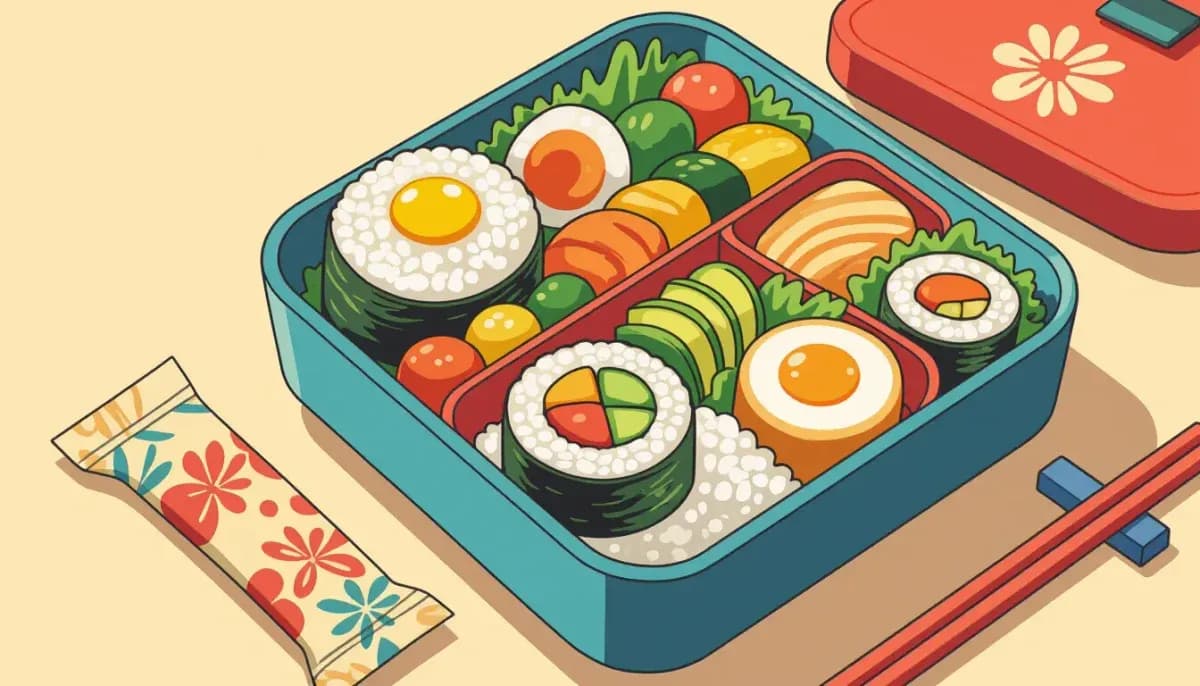
Discover the best healthy Japanese meals for children — from onigiri and tamagoyaki to miso soup and gyoza. Tips for expat parents raising kids in Japan on Japanese food culture, school lunches, and picky eater strategies.
Healthy Japanese Meals Your Children Will Love
Raising children in Japan comes with one extraordinary perk: your kids get to grow up eating some of the healthiest, most delicious food on the planet. Japanese cuisine is not just renowned for its balance of flavors — it is scientifically linked to Japan's remarkably low obesity rates and exceptional longevity. For foreign parents navigating Japanese food culture, the good news is that most children — even the pickiest eaters — can learn to love healthy Japanese meals. This guide covers the best dishes to try, tips for introducing Japanese food to children, and practical strategies for expat families raising kids in Japan.
Why Japanese Food Is Exceptionally Good for Children
Japan consistently ranks among the healthiest nations in the world, and childhood nutrition plays a central role. The country has one of the world's lowest obesity rates — just 4.3% in women and 6.0% in men, far below regional Asian averages — and diet is a primary reason.
Japanese cuisine for children emphasizes:
- Balanced macronutrients: rice for carbohydrates, fish or tofu for protein, miso soup for micronutrients
- Fermented foods: miso, natto, and pickled vegetables support gut health and immunity
- Seasonal, whole ingredients: vegetables, seaweed, and legumes are staples, not afterthoughts
- Moderate portions: the cultural concept of Hara Hachi Bu (腹八分目) — eating until about 80% full — teaches children intuitive, mindful eating from an early age
Japan also has a formal food education system called Shokuiku (食育), integrated into schools from elementary level. Trained nutritionists create school menus, and children learn about balanced nutrition, seasonal ingredients, and the cultural meaning of food. For expat families, understanding this foundation helps make sense of why your child's Japanese peers eat so adventurously.
For more on raising healthy, balanced children in Japan, see our guide on Healthcare and Medical Care for Children in Japan.
Top Healthy Japanese Meals Children Love
1. Onigiri (おにぎり) — Rice Balls
Onigiri are arguably the most universally loved Japanese food for children. These hand-pressed rice triangles or balls can be filled with tuna mayo, salmon, kombu, or pickled plum (umeboshi), then wrapped in nori seaweed. They are:
- Portable and mess-free — ideal for school snacks and picnics
- Customizable for different tastes and allergies
- Easy for children to make themselves, which increases interest in eating them
- Available at every convenience store in Japan for around ¥100–¥150 each
Shaping onigiri into animals, stars, or characters using 100-yen shop molds makes them irresistible to young children.
2. Tamagoyaki (卵焼き) — Rolled Japanese Omelette
Tamagoyaki is a staple of Japanese bento boxes and a near-universal favorite with children. This layered, rolled egg dish is:
- Mildly sweet in flavor (some parents add a small amount of mirin or sugar)
- Soft and easy to chew — ideal for toddlers and young children
- Rich in protein and nutrients
- Simple to make at home with a rectangular tamagoyaki pan
The slight sweetness and soft texture make it one of the first Japanese foods children reliably enjoy. It is a great "gateway" dish for picky eaters.
3. Miso Soup (味噌汁) — The Daily Staple
Miso soup appears at almost every traditional Japanese meal, including breakfast. For children, it provides:
- Probiotics from fermented miso paste, supporting gut health and immune function
- Protein from tofu cubes
- Vitamins and minerals from wakame seaweed
- Warmth and comfort that children associate with home meals
Start children with a mild shiro (white) miso, which is less salty than red miso. Research confirms that children who eat miso soup regularly develop broader palates and stronger attachment to Japanese food culture.
4. Oyakodon (親子丼) — Chicken and Egg Rice Bowl
The name literally means "parent and child bowl" — chicken (parent) and egg (child) served over steamed rice in a savory-sweet dashi broth. This dish is:
- High in protein from both chicken and egg
- Served as a rice bowl, which children across cultures tend to enjoy
- Available at family restaurants (ファミレス) and most Japanese eateries
- Easy to make at home with just a few ingredients
Oyakodon is one of the most popular dishes in Japanese school cafeterias, and for good reason — it is nutritionally complete and deeply satisfying.
5. Japanese Curry (カレーライス) — The Vegetable Hider
Japanese curry is milder and sweeter than Indian or Thai curry, making it perfectly suited for children's palates. It is also one of the most effective tools for getting vegetables into picky eaters:
- Carrots, potatoes, and onions dissolve into the thick sauce
- The flavor is rich and comforting, similar to a mild beef stew
- Served over white rice, which children reliably eat
- Curry roux blocks (sold at every supermarket) make it easy to prepare at home
Vermont Curry and S&B Golden Curry are the most popular mild brands. Most Japanese households serve curry once a week, and many children list it as their favorite meal.
6. Edamame (枝豆) — The Snack That Eats Like Candy
Edamame are young soybeans served still in their pods, lightly salted. They are:
- Fun to pop out of the pods — children love the tactile experience
- Packed with plant-based protein and fiber
- Naturally satisfying as a snack between meals
- Available fresh in summer and frozen year-round for under ¥200 per bag
Edamame is served at virtually every izakaya and family restaurant in Japan. It is an effortless, nutritious snack that almost every child learns to love quickly.
7. Gyoza (餃子) — Pan-Fried Dumplings
Gyoza are thin-skinned dumplings filled with seasoned pork and cabbage, pan-fried until golden on one side. For children:
- The crispy bottom and soft top create an interesting texture contrast
- The mild pork and vegetable filling is familiar and flavorful
- They are easy to eat with chopsticks or fingers
- Available at most family restaurants, ramen shops, and convenience stores
Safety tip for young children: Let gyoza cool completely before serving — the inside stays very hot long after the outside appears safe.
The School Lunch System: Japan's Secret Weapon for Healthy Eaters
One of the most powerful tools Japan has for building healthy eating habits in children is the kyushoku (給食) school lunch system. The statistics are impressive:
- Over 10 million students across 94% of Japanese schools receive a freshly prepared hot lunch every school day
- Each lunch provides approximately one-third of a child's daily nutritional requirements
- Elementary school lunches contain 600–700 kilocalories, with protein comprising 13–20% of calories
- At least 33% of daily calcium and vitamin requirements are met by each lunch
- 56% of ingredients are locally sourced by value; 89% are domestic
The school lunch experience is also deeply cultural. Children eat in their classrooms with teachers, serve their classmates in rotating duty rotas, say "Itadakimasu" before eating and "Gochisousama" afterward, and clean up together afterward. This ritual transforms eating into a communal, mindful practice.
Recent policy update: Tokyo's 23 wards made school lunches completely free in 2024, and a nationwide free lunch program for elementary schools is planned for 2026.
Nutritional Snapshot: Key Japanese Children's Dishes
| Dish | Key Nutrients | Calories (approx.) | Kid Appeal |
|---|---|---|---|
| Onigiri (tuna mayo) | Carbohydrates, protein, omega-3 | 180–220 kcal | ★★★★★ |
| Tamagoyaki | Protein, vitamins A & D | 80–120 kcal | ★★★★★ |
| Miso Soup | Probiotics, calcium, iron | 40–60 kcal | ★★★★☆ |
| Oyakodon | Protein, iron, B vitamins | 400–500 kcal | ★★★★★ |
| Japanese Curry | Vitamins, fiber, protein | 500–650 kcal | ★★★★★ |
| Edamame | Plant protein, fiber, folate | 120 kcal per 100g | ★★★★★ |
| Natto | Vitamin K2, calcium, probiotics | 100 kcal per pack | ★★★☆☆ |
| Gyoza (5 pieces) | Protein, vegetables | 180–220 kcal | ★★★★☆ |
Strategies for Getting Foreign Children to Love Japanese Food
Start with the Foundation
Begin with rice and miso soup. These two form the base of nearly every Japanese meal, and familiarity with them opens the door to everything else. A child who likes rice will try oyakodon. A child who enjoys miso soup will accept tofu.
Involve Children in Preparation
Children reliably eat what they helped make. Involve your child in:
- Shaping onigiri into balls or triangles
- Rolling tamagoyaki in the pan
- Choosing fillings for bento boxes
- Picking vegetables at the supermarket
The 100-yen shop (ダイソー, Seria) sells an excellent range of food-shaping tools: egg molds, nori cutters in star or animal shapes, vegetable stamps, and googly-eyed bento picks. These turn everyday healthy food into something visually exciting.
Use Restaurant Kids' Menus Strategically
Japanese family restaurant (ファミレス) children's menus are notably healthier than Western equivalents. Chains like Gusto, Coco's, and Royal Host offer okosama sets (お子様セット) that typically include:
- A small main dish (often omuraisu or Hamburg steak)
- A salad with vegetables
- Miso soup or a small side
- Water or 100% juice (not soda)
- A small dessert
Compare this to Western fast food children's meals, and the nutritional difference is substantial. Using these menus as a bridge helps children become comfortable with Japanese flavors in a fun, low-pressure environment.
Try Conveyor Belt Sushi (Kaiten-zushi)
Sushi train restaurants like UOBEI, Kura Sushi, and Sushiro allow children to order food via iPad or touch screen and watch it arrive by conveyor belt. This turns eating into an adventure. Start children with:
- Tamago nigiri (egg sushi) — sweet and mild
- Salmon nigiri — mild flavor, orange color appeals to children
- Cucumber maki — familiar vegetable, easy to eat
- Edamame as a side
For very young children, remove the nori seaweed from nigiri sushi to reduce choking risk.
A Special Note on Natto: Japan's Superfood for Kids
Natto (納豆) — fermented soybeans — is one of Japan's most nutritious foods and is genuinely popular with many Japanese children. It contains:
- Vitamin K2 for bone development
- Calcium and iron for growth
- Potassium and magnesium
- Vitamin C
- Probiotics for gut health
The challenge for foreign children (and many foreign adults) is the sticky texture and strong smell. Strategies that help:
- Mix natto into rice with a drizzle of soy sauce and a raw egg yolk
- Serve it in natto maki (thin sushi rolls)
- Add it to miso soup where the texture is less prominent
- Introduce it early — children under 3 are far more likely to accept it without resistance
For more on navigating Japanese food culture while raising healthy children, resources at Living in Nihon and For Work in Japan provide excellent expat perspectives on daily life and food in Japan. For Japanese-language study resources to help your children engage more deeply with food culture and school life, Chuukou Benkyou offers study materials relevant to children's education.
Trends and Challenges in Japanese Children's Nutrition
While Japanese food culture is exceptional by global standards, recent research shows some concerning trends. A large-scale study tracking 37,072 Japanese children and adolescents from 2001–2019 found:
- Fruit consumption declining significantly: adolescent boys' fruit intake dropped by 53.6g per day over 19 years
- Fish and shellfish consumption falling: adolescent boys consumed 41.3g less fish per day by 2019
- Meat consumption rising: adolescent boys added 50.3g of meat per day over the study period
- Sugary beverage intake increasing: school-age boys consumed 133.4g more beverages per day
These trends mirror Western patterns and suggest that even Japan's food culture is not immune to globalization pressures. For expat families, this context is important: the healthy Japanese diet is not automatic — it requires intentional choices and consistent exposure, especially for children growing up with access to both Japanese and international food options.
For further reading on school nutrition and food education in Japan, the E-Housing guide to Japan's school lunch program offers a thorough overview. For broader healthy eating strategies, Study in Japan's eating healthy guide is an excellent resource.
Building Healthy Eating Habits for the Long Term
Raising children in Japan gives you an extraordinary opportunity to instill healthy eating habits that last a lifetime. The combination of Japan's food culture, school lunch system, and shokuiku philosophy creates an environment where balanced eating is normalized, not exceptional.
The key principles for expat parents:
- Start early — introduce Japanese flavors before age 3 whenever possible
- Be consistent — repeated exposure is essential; it can take 10–15 tries before a child accepts a new food
- Make it social — eat Japanese food together as a family, alongside Japanese friends when possible
- Celebrate small wins — a child who tries edamame once is more likely to eat it the next time
- Let school do some of the work — the kyushoku system will expose your children to far more variety than you could manage at home
For more on supporting your child's development in Japan — academically, socially, and culturally — see our guides on Raising Bilingual Children in Japan and Toddler Parenting in Japan.
Japanese food is not just healthy — it is a gateway into Japanese culture, language, and community. Every onigiri your child eats, every school lunch they enjoy, every time they say "Itadakimasu" is a small but meaningful connection to the country they are growing up in.

Originally from Vietnam, living in Japan for 16+ years. Graduated from Nagoya University, with 11 years of professional experience at Japanese and international companies. Sharing practical information for foreign parents raising children in Japan.
View Profile →Related Articles
Meal Prep Tips for Busy Expat Families in Japan
Discover practical meal prep strategies for expat families in Japan. Learn tsukurioki techniques, bento box tips, Japanese grocery shopping, food storage, and weekly prep schedules to simplify weeknight cooking.
Read more →
Nutrition Standards and Guidelines in Japanese Schools
Learn about Japan's school lunch (kyushoku) nutrition standards, what your child eats daily, allergy accommodations, costs, and the shokuiku food education system — a complete guide for foreign families.
Read more →
Halal, Kosher, and Vegetarian Options in Japanese Schools
Complete guide to halal, kosher, vegetarian, and vegan options in Japanese schools. Learn how to navigate Japan's kyushoku system, negotiate dietary accommodations, and find Islamic schools — practical advice for foreign parents in Japan.
Read more →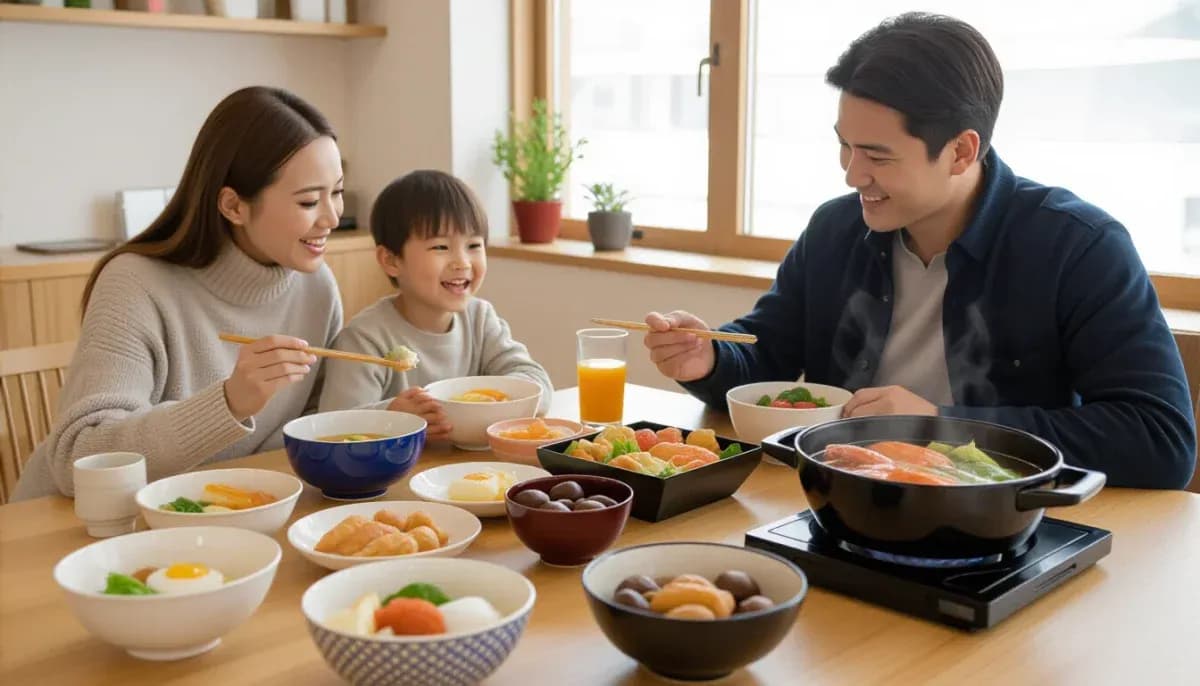
Seasonal Japanese Foods for Family Meals
Discover Japan's seasonal foods (shun) for every family meal across spring, summer, autumn, and winter. Practical tips for foreign families shopping and cooking seasonally in Japan.
Read more →
Cooking Japanese Food with Your Children: Fun Recipes
Discover fun Japanese recipes to cook with your children, from onigiri to gyoza and mochi. Learn about shokuiku, bento boxes, and tips to make cooking a family tradition in Japan.
Read more →
Japanese Snacks and Sweets for Children: What's Safe and Healthy
A complete guide to Japanese snacks and sweets for children. Discover what's safe, healthy, and age-appropriate — from oyatsu culture to konbini picks and traditional wagashi — for expat families in Japan.
Read more →