
Japanese Snacks and Sweets for Children: What's Safe and Healthy

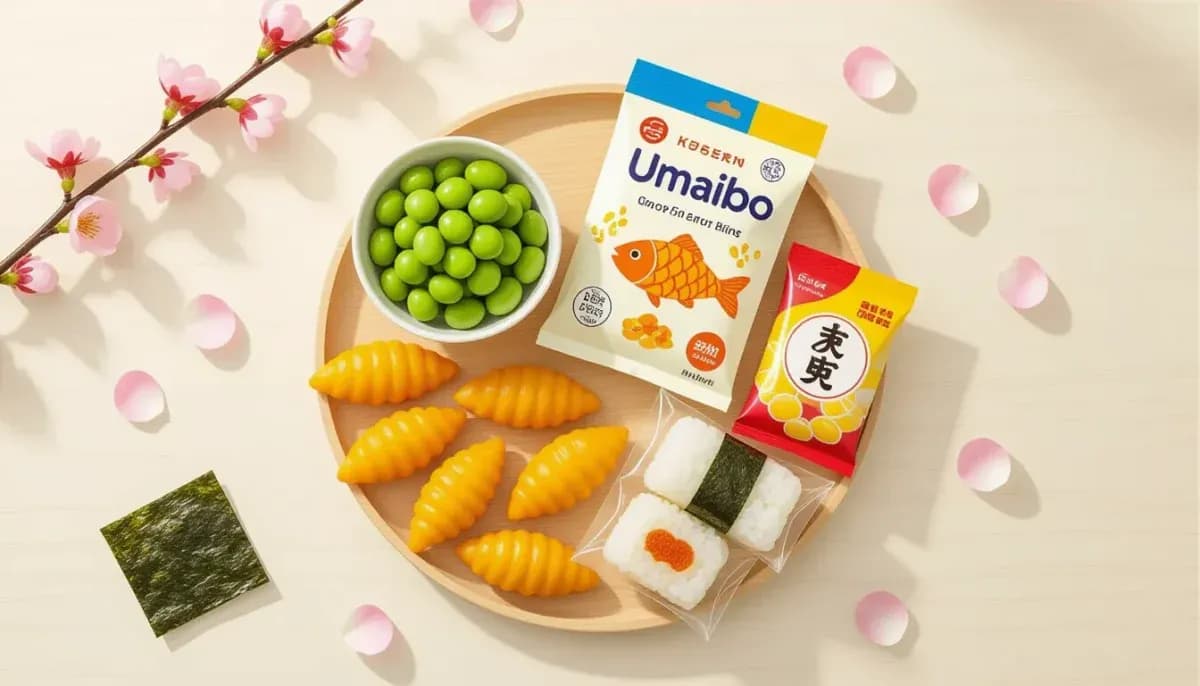
A complete guide to Japanese snacks and sweets for children. Discover what's safe, healthy, and age-appropriate — from oyatsu culture to konbini picks and traditional wagashi — for expat families in Japan.
Japanese Snacks and Sweets for Children: What's Safe and Healthy
Navigating the world of Japanese snacks as a foreign parent can feel overwhelming at first. The colorful packaging, unfamiliar ingredients, and vast selection at every konbini and supermarket make it hard to know what's actually safe and healthy for your child. Whether you're concerned about allergens, sugar content, or simply want to help your kids embrace Japanese snack culture, this guide breaks down everything you need to know.
From the beloved "oyatsu" (afternoon snack time) tradition to the healthiest convenience store picks, we'll walk you through what Japanese children actually eat, which snacks are nutritionist-approved, and which colorful sweets are best enjoyed only occasionally.
Understanding Oyatsu: Japan's Snack Culture for Kids
"Oyatsu" (おやつ) is more than just a snack — it's a daily ritual embedded in Japanese childhood. Traditionally served between 2:00 and 4:00 p.m., oyatsu is designed to refuel children between lunch and dinner. In Japanese daycare centers (hoikuen) and kindergartens (yochien), oyatsu is a structured part of the daily schedule, and children look forward to it as a highlight of their afternoon.
For foreign parents, understanding this cultural norm helps you sync with your child's expectations and with the rhythms of Japanese school life. Rather than seeing snacks as a reward or a treat, Japanese parents generally view oyatsu as a necessary nutritional bridge between meals. Portions are typically small, and the goal is sustained energy rather than indulgence.
If your child attends a Japanese school or childcare center, they will almost certainly participate in group oyatsu time. At home, you can recreate this ritual by offering a small, balanced snack in the afternoon — ideally something that combines carbohydrates with a little protein or fiber.
For more context on how Japanese childcare and school schedules work, see our guide on Daycare and Hoikuen in Japan for Foreign Parents.
What the Research Says: Safety Concerns in Packaged Japanese Snacks
Before diving into specific recommendations, it's important to be aware of what the research shows about commercial Japanese children's snacks. A peer-reviewed nutritional study published in BMC Nutrition analyzed packaged baby and toddler foods available in Japan and found some concerning trends:
- 41% of snacks and sweets exceeded the CODEX Alimentarius Commission's recommended sodium threshold of 200 mg Na per 100g
- 84% of packaged snacks for young children contained added sugars
- 71% of products contained food additives of some kind
- Higher-priced baby meal products had significantly lower sodium (0.18g/100g) compared to budget products (0.46g/100g)
These findings don't mean you should avoid all packaged snacks — Japan has a robust food safety system and many products are genuinely healthy — but they do highlight the importance of reading labels carefully, especially for children under age 3.
Key things to check on labels:
- 食塩 (shokuen) = table salt — look for low amounts
- 砂糖 (satou) = sugar — listed among first ingredients means high sugar content
- 着色料 (chakushokuryou) = food coloring additives
- アレルゲン (arerugen) = allergens — Japan requires labeling of 8 major allergens
For more on navigating the Japanese medical system if your child has food allergies, see our article on Healthcare and Medical Care for Children in Japan.
Healthiest Japanese Snacks for Kids: Top Picks
These are the snacks that Japanese nutritionists, pediatricians, and expat parent communities consistently recommend for children of various ages:
Edamame (枝豆)
Fresh or frozen edamame — young soybeans — are a Japanese children's classic. They're rich in plant-based protein, fiber, folate, and vitamin K. Children can enjoy them steamed with a light sprinkle of salt. One important note: roasted soy beans (irimame) are a choking hazard for children under age 4 due to their hardness. Stick to soft, steamed edamame for younger kids.
Almond Fish (アーモンドフィッシュ)
A surprisingly nutritious Japanese snack staple, almond fish combines small dried sardines (iwashi) with almonds and a light sweet glaze. This combination provides calcium, omega-3 fatty acids, and healthy fats. It was introduced to Japanese school lunches (kyushoku) in the mid-1980s precisely because of its nutritional value. It's widely available in supermarkets and a great snack to keep on hand at home.
Hoshiimo (干し芋) — Dried Sweet Potato
Hoshiimo is simply dried, steamed sweet potato — no added sugar, no preservatives. It's naturally sweet, chewy, and packed with vitamin A, vitamin C, and dietary fiber. Children tend to love the sweetness, and parents love that it's essentially just one ingredient. Look for it at supermarkets in the fall and winter months, or year-round at natural food stores.
Nori (海苔) — Seaweed Snacks
Plain roasted nori sheets are an excellent low-calorie snack rich in iodine, fiber, and antioxidants. Many Japanese children eat nori wrapped around rice (onigiri) or as standalone snack sheets. Flavored nori (seasoned with soy sauce or wasabi) is popular but has higher sodium content — opt for plain nori for smaller children.
Fresh Fruit Portions
Seasonal Japanese fruits like mikan (mandarin oranges), strawberries, and grapes are a healthy and culturally appropriate oyatsu choice. Japan's fruits are known for their quality, though they can be expensive. Cut fruit packs are available at konbini for convenience.
Konbini Snacks: What to Buy (and Avoid) at 7-Eleven, FamilyMart, and Lawson
Japanese convenience stores are a lifeline for busy expat parents. Here's a breakdown of the best child-friendly options you'll find at 7-Eleven, FamilyMart, and Lawson:
| Category | Good Choices | Caution |
|---|---|---|
| Savory | Hard-boiled eggs, plain onigiri (rice balls), inari sushi | Spicy flavors, high-sodium sauces |
| Dairy | Plain yogurt, cheese sticks, milk | Flavored yogurts (high sugar) |
| Produce | Vegetable sticks, cut fruit packs, edamame | Pre-dressed salads (high sodium) |
| Bread | Plain anpan, steamed buns (nikuman) | Sweet cream-filled breads, melon pan |
| Drinks | Plain water, mugicha (barley tea), plain milk | Juice drinks, sports drinks, flavored teas |
| Snacks | Plain rice crackers (senbei), dried fruit | Candy, gummy sweets, chocolate snacks |
Insider tip: Most konbini have a microwave available for customers to use. Steamed pork buns (nikuman) are a warm, satisfying savory snack that many children love, and they're ready in about a minute. Onigiri are a reliable, balanced option — rice provides energy, and fillings like salmon or tuna add protein.
For more guidance on navigating Japanese daily life as a foreign parent, Living in Nihon's guide for raising children and education in Japan offers a comprehensive overview of family life in Japan.
Traditional Japanese Sweets (Wagashi): Cultural Treats with Moderation
Japanese traditional sweets, known as wagashi (和菓子), have been an important part of Japanese culture for centuries. For children, a few standouts are worth knowing:
Mochi (餅): Sticky rice cakes that can be filled with sweet red bean paste (anko) or served plain. Mochi is delicious and culturally significant, but it poses a serious choking hazard for young children and elderly adults — every year in Japan, tragic accidents occur around New Year when mochi consumption peaks. Never give mochi to children under age 5 without cutting it into very small pieces and supervising closely.
Dorayaki: Pancake sandwiches filled with anko (sweet red bean paste). They're softer and safer than mochi, and many children enjoy them. Anko is actually relatively nutritious compared to other sweet fillings — red beans are high in protein and fiber.
Youkan: A firm sweet made from red bean paste, agar, and sugar. Comes in individual wrapped portions, which makes portion control easy. Choose lower-sugar varieties when available.
Manjuu: Small steamed or baked buns filled with sweet fillings. Similar to dorayaki in terms of child-friendliness.
Wagashi tend to have lower fat content than Western pastries but can still be high in sugar. They're best treated as occasional treats rather than daily snacks.
Dagashi: Japan's Beloved Penny Candy Tradition
Dagashi (駄菓子) are Japan's equivalent of penny candy — inexpensive, colorful, and deeply nostalgic. With prices typically ranging from ¥10 to ¥50 per item, these sweets have a history stretching back over 400 years to the Edo Period (1603–1868). Walking into a dagashiya (dagashi shop) is a quintessential Japanese childhood experience, and if you live in Japan with children, it's worth visiting one just for the cultural experience.
The most iconic dagashi for kids:
- Umaibo (うまい棒): The top-selling dagashi, a corn-puffed stick snack at just ¥10. Available in dozens of flavors including corn potage, cheese, and tonkatsu sauce. These are high in sodium and artificial flavors but are a cultural staple.
- Fugashi: A chewy wheat gluten snack with a mild sweetness — surprisingly not as unhealthy as many other dagashi.
- Neri ame (練り飴): Stiff candy that children are supposed to stretch and pull before eating — more of an activity than a food.
- Ramune Candy: Fizzy tablet candy inspired by the soda of the same name.
The honest assessment: most dagashi are high in sugar and artificial flavorings and are best treated as occasional treats. But refusing to let your child engage with dagashi culture entirely means missing out on a genuine piece of Japanese childhood. A reasonable approach is to allow dagashi as a special treat during outings or at festivals, rather than making them part of the daily oyatsu routine.
Expat parent community resources like Tiny Tot in Tokyo and Savvy Tokyo offer excellent practical guides to navigating Japanese snack culture for young children.
Age-Appropriate Snack Choices: A Practical Guide
Choosing the right snacks depends on your child's age, particularly for very young children. Here's a practical breakdown:
| Age Group | Recommended Snacks | Snacks to Avoid |
|---|---|---|
| 6-12 months | Baby rice crackers (softened in mouth), steamed sweet potato, plain yogurt | Honey, whole nuts, mochi, hard foods |
| 1-2 years | Soft hoshiimo, steamed edamame (no skins), small onigiri pieces, banana | Hard dagashi, whole grapes, round foods (choking risk) |
| 3-5 years | Almond fish (almonds in small pieces), nori sheets, dorayaki, most konbini snacks | Whole mochi, hard round candies |
| 6+ years | Full range of Japanese snacks with appropriate supervision | Extremely spicy snacks, excessive sugary drinks |
Japanese brand recommendations for babies and toddlers:
- Wakodo (和光堂) — Asahi Group's baby food brand, age-labeled products widely available at pharmacies and supermarkets
- Pigeon Corporation — Known for reliable, mild-flavored baby snacks
- Glico (グリコ) — Makes popular baby biscuits alongside its mainstream snack lines
These brands produce snacks specifically graded by age in months, which takes much of the guesswork out of shopping. Look for the month range printed prominently on the packaging.
For information on how diet connects to your child's health needs in Japan, see Healthcare and Medical Care for Children in Japan.
Practical Tips for Expat Parents Shopping for Snacks in Japan
1. Learn the key kanji for ingredients. Even basic recognition of 砂糖 (sugar), 食塩 (salt), and 卵 (egg, for allergies) can help you quickly assess a product without translating the entire label.
2. Use the major pharmacy chains for baby snacks. Matsumoto Kiyoshi, Welcia, and Sundrug stock a wide range of Wakodo, Pigeon, and Glico baby snacks, often at better prices than supermarkets.
3. Don't avoid Japanese commercial baby snacks entirely. While the research shows sodium concerns in some products, Japan's food safety regulations are stringent overall. The age-graded products from major baby food brands are generally formulated with children's nutritional needs in mind.
4. Incorporate snacks into language learning. Learning the names of Japanese snacks together with your child is a wonderful language opportunity. Naming foods during oyatsu time reinforces vocabulary and makes bilingual learning feel natural and fun. For more strategies, see our guide on Raising Bilingual Children in Japan.
5. Check for the Allergy Label (アレルギー表示). Japan mandates labeling of 8 allergens: wheat, milk, eggs, peanuts, buckwheat, shrimp, crab, and tree nuts. For children with known food allergies, always look for the allergy information box on packaged foods.
6. Seasonal and regional specialties make excellent treats. Japan's deep snack culture means every region has its own specialty confectionery (omiyage). Introducing your children to regional snack specialties during travel within Japan is a wonderful cultural experience.
For practical job-related family considerations as an expat in Japan, For Work in Japan provides useful resources on navigating expat life. For academic and educational resources relevant to your children's development, Chuukou Benkyou covers middle and high school preparation in Japan.
Conclusion: Embracing Japanese Snack Culture Wisely
Japanese snack culture is rich, varied, and deeply connected to childhood experiences. For your child, being part of oyatsu time, recognizing the Umaibo flavors, and knowing which onigiri filling is their favorite are all part of building a genuine Japanese childhood — regardless of where you were born.
As a foreign parent, the key is balance: embrace the cultural richness of Japanese snack traditions while staying informed about nutritional content. Prioritize whole-food options like edamame, hoshiimo, and nori for daily snacks, allow dagashi and wagashi as occasional cultural treats, and lean on the age-graded products from trusted Japanese baby food brands for younger children.
With a little label-reading practice and some exploration, you'll find that Japan offers some genuinely excellent, healthy options for children — right alongside some truly spectacular (if not particularly nutritious) candy. The good news is that your child gets to discover both.
For more guidance on raising children in Japan as a foreign family, explore our complete guide to baby and infant care in Japan for foreign parents and our overview of toddler parenting in Japan for ages 1 to 3.

Originally from Vietnam, living in Japan for 16+ years. Graduated from Nagoya University, with 11 years of professional experience at Japanese and international companies. Sharing practical information for foreign parents raising children in Japan.
View Profile →Related Articles
Meal Prep Tips for Busy Expat Families in Japan
Discover practical meal prep strategies for expat families in Japan. Learn tsukurioki techniques, bento box tips, Japanese grocery shopping, food storage, and weekly prep schedules to simplify weeknight cooking.
Read more →
Nutrition Standards and Guidelines in Japanese Schools
Learn about Japan's school lunch (kyushoku) nutrition standards, what your child eats daily, allergy accommodations, costs, and the shokuiku food education system — a complete guide for foreign families.
Read more →
Halal, Kosher, and Vegetarian Options in Japanese Schools
Complete guide to halal, kosher, vegetarian, and vegan options in Japanese schools. Learn how to navigate Japan's kyushoku system, negotiate dietary accommodations, and find Islamic schools — practical advice for foreign parents in Japan.
Read more →
Seasonal Japanese Foods for Family Meals
Discover Japan's seasonal foods (shun) for every family meal across spring, summer, autumn, and winter. Practical tips for foreign families shopping and cooking seasonally in Japan.
Read more →
Cooking Japanese Food with Your Children: Fun Recipes
Discover fun Japanese recipes to cook with your children, from onigiri to gyoza and mochi. Learn about shokuiku, bento boxes, and tips to make cooking a family tradition in Japan.
Read more →
Helping Picky Eaters Try Japanese Food
Practical guide for expat families helping picky eaters try Japanese food. Gateway foods, family-friendly restaurants, konbini tips, and strategies that actually work in Japan.
Read more →