
Seasonal Japanese Foods for Family Meals

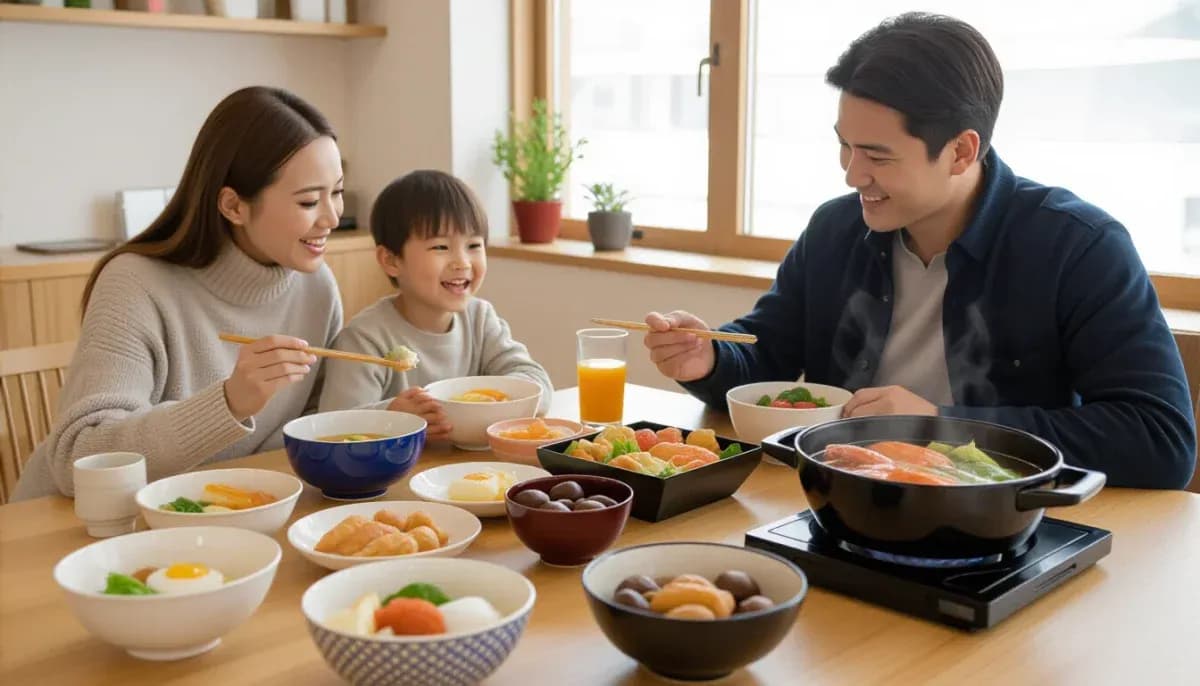
Discover Japan's seasonal foods (shun) for every family meal across spring, summer, autumn, and winter. Practical tips for foreign families shopping and cooking seasonally in Japan.
Seasonal Japanese Foods for Family Meals: Your Complete Guide
One of the greatest joys of raising a family in Japan is experiencing how food transforms with each passing season. Unlike many countries where the same ingredients sit on supermarket shelves year-round, Japan's culinary culture revolves around shun (旬) — the idea that every ingredient has a peak moment when it tastes best and offers the most nutrition. For foreign parents, embracing seasonal Japanese foods is not just a culinary adventure; it's one of the deepest ways to connect with Japanese culture and help your children feel at home.
This guide walks you through what to cook and eat as a family across all four seasons, explains the cultural significance behind these foods, and offers practical shopping and cooking tips for families navigating Japan's vibrant food landscape.
Understanding Shun: Japan's Philosophy of Seasonal Eating
Before diving into specific ingredients, it helps to understand the Japanese concept of shun (旬). The character originally meant "ten days" in Chinese, but in Japanese it evolved to describe the best time of year for a particular food — when flavor is at its peak and nutritional value is highest.
Shun is divided into three poetic phases:
| Phase | Japanese | Meaning |
|---|---|---|
| First appearance | 走り (Hashiri) | The food first arrives in markets — prized, often pricier |
| Peak season | 盛り (Sakari) | Abundant, at peak flavor, most affordable |
| Lingering end | 名残 (Nagori) | The last of the season, bittersweet and nostalgic |
Japan's approach to seasonal eating is rooted in Shinto and Buddhist tradition. Shinto teaches that kami (spirits) inhabit natural elements, so consuming seasonal foods connects the family to the living world around them. Buddhist wabi-sabi philosophy — embracing impermanence — is expressed every time a family sits down to eat bamboo shoots in spring or hot pot in winter.
A related tradition is hatsumono (初物) — the first-harvest foods at the start of each shun. According to Japanese folklore, eating hatsumono extends your lifespan by 75 days! This cultural belief made first-harvest foods especially popular during the Edo period (1603–1867), and you'll still see premium "first of the season" produce displayed prominently in department store food halls.
For families living in Japan, understanding shun means you'll always know what's freshest, most affordable, and most culturally meaningful at any time of year. It also makes a wonderful teaching tool: children who grow up watching the seasons change through the food on their plate develop a deep connection to both Japanese culture and the natural world.
Spring Seasonal Foods (March–May): Cherry Blossoms and New Beginnings
Spring in Japan is a season of renewal, and the foods reflect that energy. Cherry blossom (sakura) season — late March to early April, varying from Okinawa to Hokkaido — has been celebrated for over 1,000 years, and the ritual of hanami (flower viewing) is inseparable from seasonal food.
Key Spring Ingredients for Family Meals
Takenoko (Bamboo Shoots): The quintessential spring ingredient. Fresh bamboo shoots appear in markets from late March and are a world apart from the canned version. Slice them and simmer in dashi with soy sauce and mirin for takenoko gohan (bamboo shoot rice), a simple yet beloved family meal.
Strawberries (いちご): Japan cultivates over 250 strawberry varieties, and spring is their natural peak. Varieties like Amaou (from Fukuoka) and Tochiotome are extraordinarily sweet and make a perfect after-school snack. Children who experience Japanese strawberries rarely go back to the ordinary kind.
Shiitake and Spring Mushrooms: Young shiitake harvested in spring have a lighter, more delicate flavor than their autumn counterparts. Add them to miso soup or stir-fry them with tofu for a nutritious family dinner.
Sakura-Themed Treats: Look for sakura mochi (sweet red bean paste in mochi wrapped in a pickled cherry leaf) and hanami dango (pink, white, and green rice dumplings on a skewer) at every convenience store and wagashi shop from late February onward. These are wonderful treats to share with children during a hanami picnic.
Family Activity: Hanami Picnic
One of the most family-friendly spring traditions is packing a picnic for flower viewing. Combine store-bought sakura mochi with homemade takenoko gohan in an onigiri (rice ball) shape, add some spring vegetable tempura, and head to your local park. Children love seeing cherry blossom petals fall into their food — a very Japanese kind of magic.
Summer Seasonal Foods (June–August): Beating the Heat
Japanese summers are hot and humid, and the traditional food wisdom is about cooling the body and maintaining energy. Summer in Japan has some of the most distinctive and family-friendly seasonal foods of the year.
Key Summer Ingredients for Family Meals
Edamame: Fresh edamame (young soybeans still in the pod) are a summer staple. Boil them in salted water and serve warm or cold — children love popping them out of the pods. High in protein and fiber, they make an excellent healthy snack.
Eggplant (なす) and Cucumber (きゅうり): These summer vegetables appear everywhere in Japanese cooking. Cucumber with miso dipping paste is a cooling summer snack; eggplant works beautifully in dengaku (grilled with sweet miso).
Eel (うなぎ / Unagi): Perhaps Japan's most famous summer food tradition. Doyo no Ushi no Hi — the "Day of the Ox" in midsummer, usually in late July — is when Japanese families traditionally eat unagi to combat summer fatigue. Grilled eel (unaju, served over rice in lacquerware) is rich, savory, and packed with vitamin A. Older children usually love it; it can be an acquired taste for toddlers.
Kakigori (Shaved Ice): The beloved summer dessert that appears at every festival and many coffee shops from June. Shaved ice with matcha syrup, condensed milk, and red bean paste is a world away from a convenience store slushie. Finding a dedicated kakigori shop is a summer family ritual worth pursuing.
Watermelon: Enormous and intensely sweet Japanese watermelons are a seasonal treat. The tradition of suikawari — blindfolded watermelon smashing at the beach — is a quintessential summer family activity.
Summer Tip for Foreign Families
Hiyashi-chuka (chilled ramen with colorful toppings of ham, cucumber, egg, and sesame dressing) is one of the most family-friendly summer dishes. It's cool, visually appealing, and most children love it. Watch for the signs in ramen shops announcing "hiyashi-chuka hajimemashita" ("cold ramen is now available") — it signals that summer has officially arrived.
Autumn Seasonal Foods (September–November): The Season of Plenty
Autumn is arguably Japan's best food season. The concept of shokuyoku no aki (食欲の秋) — "autumn of appetite" — captures the spirit perfectly: crisp weather, colorful foliage, and an abundance of deeply satisfying foods.
Key Autumn Ingredients for Family Meals
Kuri (Chestnuts): Chestnuts have been eaten in Japan for 9,000+ years. Kuri gohan (chestnut rice, simmered with soy sauce and sake) is the ultimate autumn comfort food and a household staple that children tend to love. You'll also find chestnut-flavored sweets everywhere from September.
Matsutake Mushrooms: Japan's most prized autumn mushroom, with an intensely earthy, pine-like aroma. Matsutake are expensive but worth trying once — grilled whole with a touch of soy sauce or prepared as matsutake gohan (rice). Introduce school-age children to the concept of luxury seasonal ingredients through matsutake.
Sanma (Pacific Saury): Fat-rich sanma are salt-grilled whole and served with grated daikon radish and soy sauce. The sight of charcoal-grilled sanma smoke rising from neighborhood homes is an iconic Japanese autumn image. It's an excellent omega-3-rich fish for the family table.
Sweet Potatoes (さつまいも): Yakiimo (roasted sweet potatoes) are sold from street vendor trucks with a distinctive musical jingle from September through winter. The purple skin and golden, creamy flesh are naturally sweet enough to double as dessert. Children and adults alike find it irresistible.
Persimmons (柿): Dried persimmons hanging from farmhouse eaves are a classic autumn countryside image. Fresh hachiya persimmons become intensely sweet and jammy when ripe; firm fuyu persimmons can be sliced and served as a simple after-school snack.
Family Activity: Autumn Harvest Festivals
September and October bring numerous aki matsuri (autumn harvest festivals) across Japan, many featuring seasonal food stalls. This is a wonderful opportunity to let children taste yakiimo, kuri sweets, and sanma fresh from the grill in a festive atmosphere.
Winter Seasonal Foods (December–February): Warming the Family
Winter in Japan is the season of communal warmth, centered on foods that bring families together around a shared pot. The cultural emphasis on togetherness makes winter food traditions especially meaningful for families living abroad who want to build a sense of home.
Key Winter Ingredients for Family Meals
Nabe (Hot Pot): The ultimate winter family meal. A bubbling pot of seasoned broth with vegetables, tofu, mushrooms, and meat or seafood sits at the center of the table, and everyone cooks and eats together. Popular varieties include sukiyaki (beef in sweet soy broth) and shabu-shabu (paper-thin meat swirled in clear broth). Children love the interactive, communal aspect.
Oysters (牡蠣): Pacific oysters peak in winter. Available raw, steamed, battered and fried (kaki furai), or grilled — even picky-eater children often enjoy kaki furai as a warming winter meal.
Daikon Radish: The workhorse of winter Japanese cooking. Simmered daikon in oden, grated daikon alongside grilled fish, or slow-cooked daikon in buri daikon (yellowtail with radish) — this versatile vegetable becomes sweeter and more tender as temperatures drop.
Oden: A Tokyo winter institution. Fish cakes, boiled eggs, daikon, konnyaku, and tofu simmered in a light soy-dashi broth. Available at every convenience store from October, and a warming after-school snack the whole family can enjoy.
Mikan (Mandarin Oranges): The Japanese version of the Christmas orange tradition. Boxes of mikan from Ehime or Wakayama Prefecture sit next to the kotatsu (heated table) in Japanese homes all winter. Naturally sweet, easy to peel, and vitamin C-rich — perfect for children.
New Year Food Traditions (Osechi and Beyond)
The New Year period is Japan's most food-rich cultural season. According to a 2023 MAFF survey of 3,000 Japanese adults, the New Year meal centered on osechi ryori (traditional stackable lacquer boxes of symbolic foods), mochi (rice cakes), and toshikoshi soba (longevity buckwheat noodles eaten on New Year's Eve) is Japan's #1 food tradition.
Participating in New Year food customs as a foreign family is a beautiful way to integrate into Japanese culture. Eating toshikoshi soba on December 31st and preparing or purchasing osechi boxes for January 1st creates lasting memories and connects your children to Japanese tradition at its deepest level.
Japanese Christmas Cake: Worth a special mention — the Japanese tradition of eating a cream and strawberry sponge cake on Christmas Eve dates to 1910 and is now one of the country's most beloved winter food customs. Booking a Christmas cake (they sell out weeks in advance) is a rite of passage for families in Japan.
Practical Tips for Foreign Families Shopping Seasonally in Japan
Where to Find Seasonal Foods
| Venue | Best for | Notes |
|---|---|---|
| スーパー (Supermarket) | Daily seasonal produce | Look for 旬 (shun) tags on packaging |
| 道の駅 (Roadside Station) | Fresh local seasonal produce | Especially good outside cities |
| デパ地下 (Department Store Basement) | Premium seasonal gifts and hatsumono | Higher price, exceptional quality |
| コンビニ (Convenience Store) | Seasonal snacks, oden, limited-edition items | Changes monthly to reflect seasons |
| 農協直売所 (JA Direct Market) | Locally grown seasonal vegetables | Best prices for fresh produce |
Navigating Dietary Needs
Foreign families should be aware that vegetarian dishes in Japan frequently contain fish-based dashi stock (soup base). Even seemingly meat-free soups, simmered vegetables, and noodles may use fish stock. When shopping for miso, look for varieties labeled だしなし (no dashi) if you need to avoid fish. When dining out, communicating dietary restrictions in advance is strongly recommended.
For families with young children, seasonal Japanese foods are generally excellent for nutrition. School lunch programs (kyushoku) actively incorporate seasonal ingredients — your child may come home asking about foods they discovered at school that you can then cook together. Learn more about school lunch nutrition standards in Japan.
Cooking Seasonally with Children
One of the most rewarding aspects of Japan's food culture is how it naturally involves children. Seasonal cooking rituals like:
- Mochi pounding (mochitsuki) at New Year
- Ume plum picking in June to make umeboshi or umeshu
- Chestnut peeling together in autumn
- Hanami picnic preparation in spring
...give children hands-on connections to both Japanese culture and the food they eat. Children who participate in food preparation from an early age develop broader palates and a deeper appreciation for the cultural context of meals. This is also a wonderful bridge between Japanese traditions and your home culture — explore how to balance these in our guide on cross-cultural parenting in Japan.
Seasonal Japanese Food at a Glance: Quick Reference
| Season | Key Vegetables | Key Proteins | Iconic Family Dish | Festival Food |
|---|---|---|---|---|
| Spring | Bamboo shoots, spring onion | Flounder, clams, shiitake | Takenoko Gohan | Sakura Mochi |
| Summer | Eggplant, cucumber, edamame | Eel (unagi), mackerel | Hiyashi-chuka | Kakigori |
| Autumn | Sweet potato, chestnuts, daikon | Sanma, salmon, matsutake | Kuri Gohan | Yakiimo |
| Winter | Daikon, lotus root, mikan | Oysters, yellowtail (buri) | Nabe / Hot Pot | Osechi Ryori |
Further Resources
For more on how food connects to daily life for families in Japan, see our related guides:
- School Lunch (Kyushoku) at Japanese Elementary Schools — how seasonal ingredients appear in your child's school meals
- Daycare Meals and Nutrition Standards in Japan — seasonal eating starts young in Japanese childcare
- Japanese Parenting Culture: A Foreign Parent's Guide — understanding the cultural values behind Japanese family mealtimes
For broader information on living in Japan as a foreigner, Living in Nihon offers comprehensive guides covering everyday life, food culture, and expat experiences. Those working in Japan can find practical workplace and lifestyle resources at For Work in Japan. For families focused on Japanese education and study skills, Chuukou Benkyou is a dedicated resource for academic preparation.
Additional reading on Japan's seasonal food culture:
- What Are Seasonal Foods in Japan? — a deep dive into shun culture with seasonal ingredient lists
- Japan's Seasonal Eats — official Japan Tourism guide to seasonal dishes by region
- Japanese Food Culture and Seasonalities — the philosophy behind shun, hashiri, and nagori
- Top Winter Foods According to an Expat — a foreigner's perspective on warming winter foods in Japan
Japan's seasonal food calendar is one of the country's greatest gifts to families living here. From the first bamboo shoots of spring to the bubbling nabe of winter, every season brings new flavors, new family rituals, and new ways to connect with the culture around you. Embrace the rhythm of shun, and you'll find that mealtimes in Japan become one of the most joyful parts of family life.

Originally from Vietnam, living in Japan for 16+ years. Graduated from Nagoya University, with 11 years of professional experience at Japanese and international companies. Sharing practical information for foreign parents raising children in Japan.
View Profile →Related Articles
Meal Prep Tips for Busy Expat Families in Japan
Discover practical meal prep strategies for expat families in Japan. Learn tsukurioki techniques, bento box tips, Japanese grocery shopping, food storage, and weekly prep schedules to simplify weeknight cooking.
Read more →
Nutrition Standards and Guidelines in Japanese Schools
Learn about Japan's school lunch (kyushoku) nutrition standards, what your child eats daily, allergy accommodations, costs, and the shokuiku food education system — a complete guide for foreign families.
Read more →
Halal, Kosher, and Vegetarian Options in Japanese Schools
Complete guide to halal, kosher, vegetarian, and vegan options in Japanese schools. Learn how to navigate Japan's kyushoku system, negotiate dietary accommodations, and find Islamic schools — practical advice for foreign parents in Japan.
Read more →
Cooking Japanese Food with Your Children: Fun Recipes
Discover fun Japanese recipes to cook with your children, from onigiri to gyoza and mochi. Learn about shokuiku, bento boxes, and tips to make cooking a family tradition in Japan.
Read more →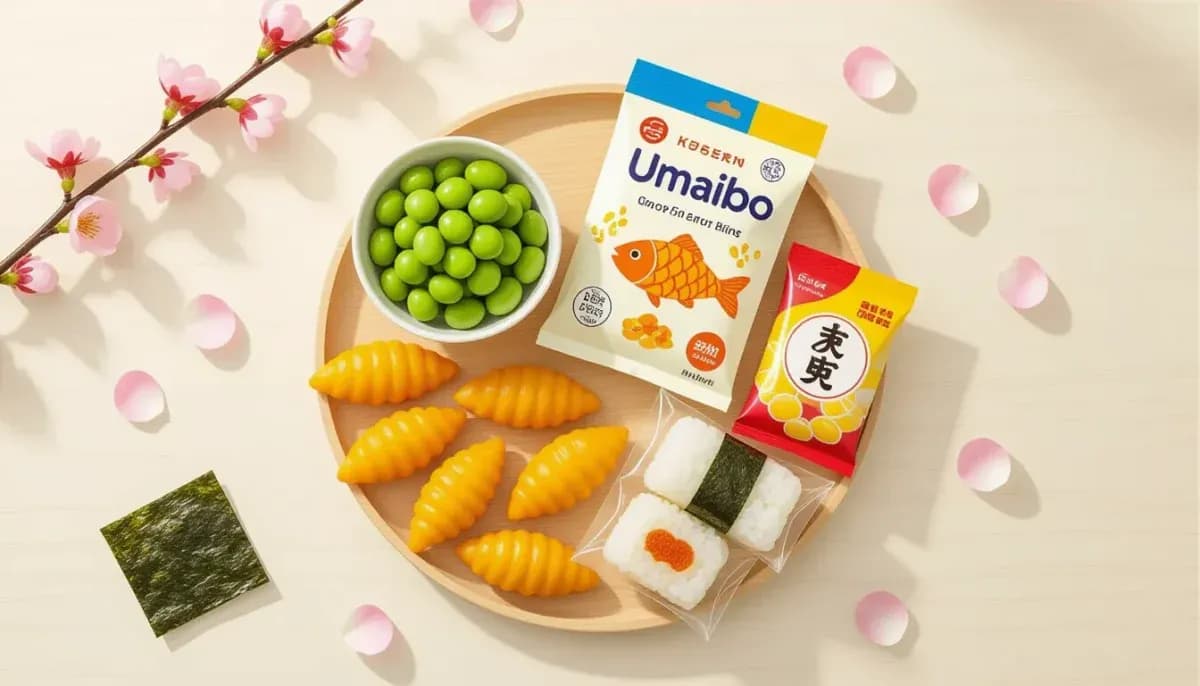
Japanese Snacks and Sweets for Children: What's Safe and Healthy
A complete guide to Japanese snacks and sweets for children. Discover what's safe, healthy, and age-appropriate — from oyatsu culture to konbini picks and traditional wagashi — for expat families in Japan.
Read more →
Helping Picky Eaters Try Japanese Food
Practical guide for expat families helping picky eaters try Japanese food. Gateway foods, family-friendly restaurants, konbini tips, and strategies that actually work in Japan.
Read more →