
Daycare Meals and Nutrition Standards in Japan

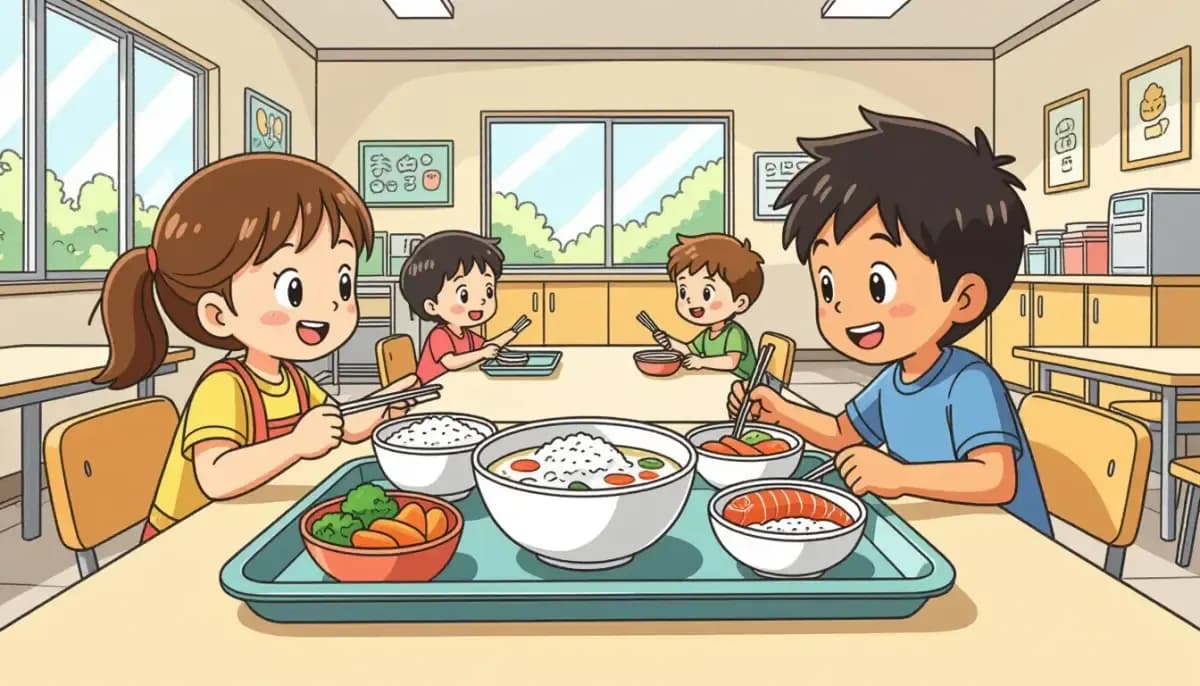
Complete guide to daycare meals and nutrition standards in Japan for foreign parents. Learn about meal structure, shokuiku food education, allergy management, and tips for helping your child adjust to Japanese nursery school food.
Daycare Meals and Nutrition Standards in Japan
If you're a foreign parent enrolling your child in a Japanese daycare (hoikuen), one of the most pleasant surprises you'll encounter is the quality and thoughtfulness of the meals served. Unlike many countries where packed lunches are the norm, Japanese daycare centers prepare fresh, balanced meals on-site every day. Understanding how daycare nutrition works in Japan will help you feel confident about your child's diet and prepare for any adjustments your family may need to make.
For a broader overview of the daycare system, see our complete guide to daycare and hoikuen in Japan.
How Daycare Meals Work in Japan
Japanese daycare centers (hoikuen) serve freshly prepared meals that follow strict nutritional guidelines set by the government. A licensed dietitian or nutritionist designs the monthly menu, ensuring each meal provides roughly one-third of a child's daily nutritional requirements. Most centers serve lunch and one or two snacks (oyatsu) per day.
Meals are prepared in the daycare's own kitchen using fresh, seasonal ingredients. Processed and frozen foods are rarely used. Children eat together in their classroom, and mealtime is treated as an educational experience — not just a break in the day. This approach is rooted in Japan's shokuiku (food education) philosophy, which views eating as an opportunity to learn about nutrition, gratitude, and community.
The daily routine around meals typically looks like this: children wash their hands, sit together, say "itadakimasu" (a phrase expressing gratitude before eating), eat their meal, and finish by saying "gochisousama deshita" (thank you for the meal). Even toddlers participate in this ritual, building healthy eating habits from a very young age.
Nutritional Standards and Guidelines
The Japanese government sets clear nutritional standards for daycare meals through the Ministry of Health, Labour and Welfare. These standards ensure children receive balanced nutrition during their time in care.
| Nutrient/Component | Standard for Daycare Meals | Notes |
|---|---|---|
| Calories | 600–700 kcal per lunch | Adjusted by age group |
| Protein | 13–20% of meal calories | Fish, meat, tofu, eggs |
| Fat | 20–30% of meal calories | Healthy fats emphasized |
| Daily nutrition covered | ~33% of daily needs | Per meal served |
| Food groups per meal | 4–5 groups minimum | Staple, protein, vegetable, soup, dairy |
| Monthly menu variety | 20+ different menus | Rarely repeated within a month |
| Average cost to parents | ¥5,000–¥10,000/month | Often included in daycare fees |
Each meal follows a structured pattern: a staple food (rice, bread, or noodles), a main protein dish (fish, meat, or tofu), one or two vegetable side dishes, soup (usually miso), and milk or tea. This structure ensures children receive carbohydrates, protein, vitamins, minerals, and healthy fats in every sitting.
The National Guidelines for Care and Education at Day Nursery specifically state that daycare centers should provide diverse food items and menus while maintaining balanced nutrition. Centers with a nutritionist on staff are expected to offer an even more professional standard of meal planning.
What a Typical Daycare Meal Looks Like
A typical daycare lunch in Japan might include:
- Monday: Steamed rice, grilled salmon, spinach with sesame dressing, tofu miso soup, sliced fruit
- Tuesday: Udon noodles in broth, chicken and vegetable stir-fry, cucumber salad, milk
- Wednesday: Rice, pork and potato stew (nikujaga), boiled broccoli, clear soup, orange slices
- Thursday: Bread roll, cream stew with vegetables, coleslaw, vegetable soup, banana
- Friday: Rice, teriyaki chicken, hijiki seaweed salad, miso soup with daikon, yogurt
Snacks (oyatsu) are also nutritionally considered — rather than chips or candy, daycare snacks might include rice crackers with cheese, sweet potato, fruit, onigiri (rice balls), or milk with small sandwiches. These snacks are designed to supplement the child's nutritional intake, not just satisfy hunger.
For parents navigating early childhood nutrition more broadly, our guide on baby and infant care in Japan covers feeding practices from birth onward.
Shokuiku: Food Education in Daycare
One of the most distinctive aspects of Japanese daycare meals is the integration of shokuiku — food education. Japan's Ministry of Agriculture, Forestry and Fisheries promotes shokuiku as a national priority, and daycare centers are on the front lines of this effort.
In practice, shokuiku at the daycare level includes:
- Growing food: Many daycare centers maintain small vegetable gardens where children plant, tend, and harvest vegetables like tomatoes, cucumbers, and sweet potatoes. These vegetables are then used in meals, giving children a tangible connection to their food.
- Cooking activities: Older toddlers and preschoolers participate in simple cooking activities such as washing vegetables, making rice balls, or decorating cookies during seasonal events.
- Seasonal awareness: Menus change with the seasons, introducing children to seasonal produce and traditional Japanese foods associated with specific times of year.
- Mealtime manners: Children learn proper table manners, how to use chopsticks, and the cultural significance of expressing gratitude for meals.
This educational approach means that daycare meals serve a dual purpose — nourishing the body while teaching children about where food comes from, why balanced eating matters, and how to appreciate meals. Research shows that approximately 80% of Japanese parents express concerns about their children's dietary habits, making daycare's role in food education even more important.
For more on raising children with cultural awareness in Japan, see our article on cultural identity for hafu and mixed-race children.
Handling Food Allergies and Dietary Restrictions
Food allergy management is taken very seriously in Japanese daycare centers. When enrolling your child, you'll be asked to complete detailed forms about any food allergies or dietary restrictions. Most centers require a doctor's diagnosis certificate (診断書) for allergy accommodations.
Here's how allergy management typically works:
- Initial consultation: Parents meet with the daycare staff and nutritionist to discuss the child's allergies in detail.
- Allergy removal meals (除去食): The kitchen prepares separate meals that exclude allergens. For example, if your child is allergic to eggs, every dish containing eggs will be modified or replaced.
- Separate serving: Allergy meals are often served on differently colored trays to prevent mix-ups.
- Monthly menu review: Parents receive the menu in advance and can check each meal for potential allergens.
- Emergency protocols: Staff are trained in emergency responses, and many centers keep epinephrine auto-injectors on hand.
Common allergens tracked include eggs, milk, wheat, shrimp, crab, peanuts, and buckwheat (soba) — the seven major allergens designated by Japanese food labeling law.
For foreign families with religious dietary requirements (halal, kosher) or cultural food preferences, the situation can be more challenging. Most public daycare centers are not equipped to provide halal or kosher meals specifically, but they will work with parents to remove prohibited ingredients. Some families choose to supplement with packed items for specific dishes.
Our guide on healthcare and medical care for children in Japan covers how to get the medical documentation needed for allergy accommodations.
Tips for Foreign Parents Adjusting to Daycare Meals
The transition to Japanese daycare meals can be smooth for some children and challenging for others. Here are practical tips based on what experienced expat families recommend:
Before enrollment:
- Start introducing Japanese foods at home — rice, miso soup, fish, and vegetables prepared simply
- Practice eating with a spoon and eventually chopsticks (training chopsticks are available)
- Get your child used to eating without excessive seasoning, as daycare food tends to be mildly flavored
During the adjustment period:
- Don't panic if your child eats less initially — this is normal and usually temporary
- Communicate openly with your child's teacher about any concerns
- Send a hearty breakfast and provide a nutritious after-school snack to compensate if your child isn't eating well at daycare
- Ask for the monthly menu in advance so you can prepare similar dishes at home
Cultural expectations to be aware of:
- Children are encouraged to try everything on their plate, though most daycare centers are gentler about this than elementary schools
- Saying "itadakimasu" and "gochisousama" is expected — practice these phrases at home
- Bringing outside food or snacks to daycare is generally not permitted unless medically necessary
Savvy Tokyo's guide on adjusting to school lunches offers additional practical advice from experienced expat parents. You can also find comprehensive family life tips at For Work in Japan's family guide.
Daycare Meals vs. Other Childcare Settings
Not all childcare settings in Japan handle meals the same way. Here's how they compare:
| Setting | Meals Provided | Nutritionist Required | Cost |
|---|---|---|---|
| Licensed hoikuen (認可保育園) | Full lunch + snacks | Yes | Included in fees |
| Unlicensed hoikuen (認可外保育園) | Usually provided | Not always | Varies; sometimes extra |
| Kindergarten (幼稚園) | Often packed lunch (bento) | No | N/A (parent-prepared) |
| Certified kodomoen (認定こども園) | Full lunch + snacks | Yes | Included in fees |
| Family daycare (家庭的保育) | Provided by caregiver | No | Included in fees |
If your child attends a kindergarten (yochien) instead of a daycare, you'll likely need to prepare a bento box. Our kindergarten guide for foreign parents explains bento culture and expectations in detail.
It's worth noting that about 30% of municipalities in Japan already provide free school lunches, with national free lunch programs planned for expansion starting in 2026. While this primarily affects elementary schools, it reflects Japan's growing commitment to ensuring all children have access to nutritious meals.
Communicating with Daycare About Meals
Effective communication with your daycare center about meals is essential, especially as a foreign parent who may face language barriers. Here are some useful Japanese phrases:
- アレルギーがあります (arerugii ga arimasu) — "My child has allergies"
- 卵アレルギーです (tamago arerugii desu) — "It's an egg allergy"
- 給食の献立を見せてください (kyushoku no kondate o misete kudasai) — "Please show me the meal menu"
- 食べられないものがあります (taberarenai mono ga arimasu) — "There are things my child cannot eat"
Most daycare centers provide a daily communication notebook (連絡帳 / renrakucho) where teachers note what and how much your child ate. This is an invaluable resource for monitoring your child's nutrition and adjusting meals at home accordingly.
For broader guidance on raising children in Japan's education system, visit Living in Nihon's guide on raising children and education. You may also find helpful study-related resources at Chuukou Benkyou as your children grow older.
If you're interested in how the Japanese education system works beyond daycare, our complete guide to the Japanese education system covers every stage from nursery through high school.
Conclusion
Japanese daycare meals represent one of the best aspects of the childcare system for foreign families. The combination of fresh ingredients, balanced nutrition, professional menu planning, and integrated food education means your child will receive high-quality meals that support both physical health and cultural learning. While the adjustment period may require patience — especially if your child is unfamiliar with Japanese flavors — most foreign children come to enjoy and even prefer their daycare meals over time.
The key is open communication with your daycare center, gradual introduction of Japanese foods at home, and trust in a system that has been refined over decades to prioritize children's nutritional wellbeing. Your child's daycare experience in Japan, meals included, is likely to be one of the most positive aspects of your family's life abroad.

Originally from Vietnam, living in Japan for 16+ years. Graduated from Nagoya University, with 11 years of professional experience at Japanese and international companies. Sharing practical information for foreign parents raising children in Japan.
View Profile →Related Articles
Extended Hours and Overnight Daycare Services in Japan
Complete guide to extended hours daycare (encho hoiku), overnight childcare (yakan hoiku), baby hotels, and 24-hour babysitter services in Japan for foreign parents with non-standard work schedules.
Read more →
How to Choose the Best Daycare in Your Area of Japan
A complete guide for foreign parents on choosing the best daycare in Japan. Learn about hoikuen, yochien, the point system, costs, subsidies, and application tips for your area.
Read more →
Home-Based and Family Daycare in Japan Explained
Everything foreign parents need to know about hoiku mama and family daycare in Japan, including costs, how to apply, pros and cons, and tips for finding the right home-based childcare provider.
Read more →
Corporate and Workplace Daycare Options in Japan
Discover corporate daycare and workplace nursery options in Japan including jigyosho nai hoikuen, kigyou shudougata hoiku, costs, eligibility, and tips for foreign families navigating company-sponsored childcare.
Read more →
Free Daycare in Japan: Eligibility and How to Apply
Complete guide to Japan's free daycare policy for foreign families. Learn about eligibility for ages 0-5, the hoikuen application process, points system, required documents, and costs covered under the muenshouka program.
Read more →
Communicating with Daycare Teachers as a Non-Japanese Parent
Practical guide for non-Japanese parents on communicating with daycare teachers in Japan, including renrakucho tips, essential Japanese phrases, and technology tools to bridge the language barrier.
Read more →