
International School Tuition and Fees in Japan Breakdown

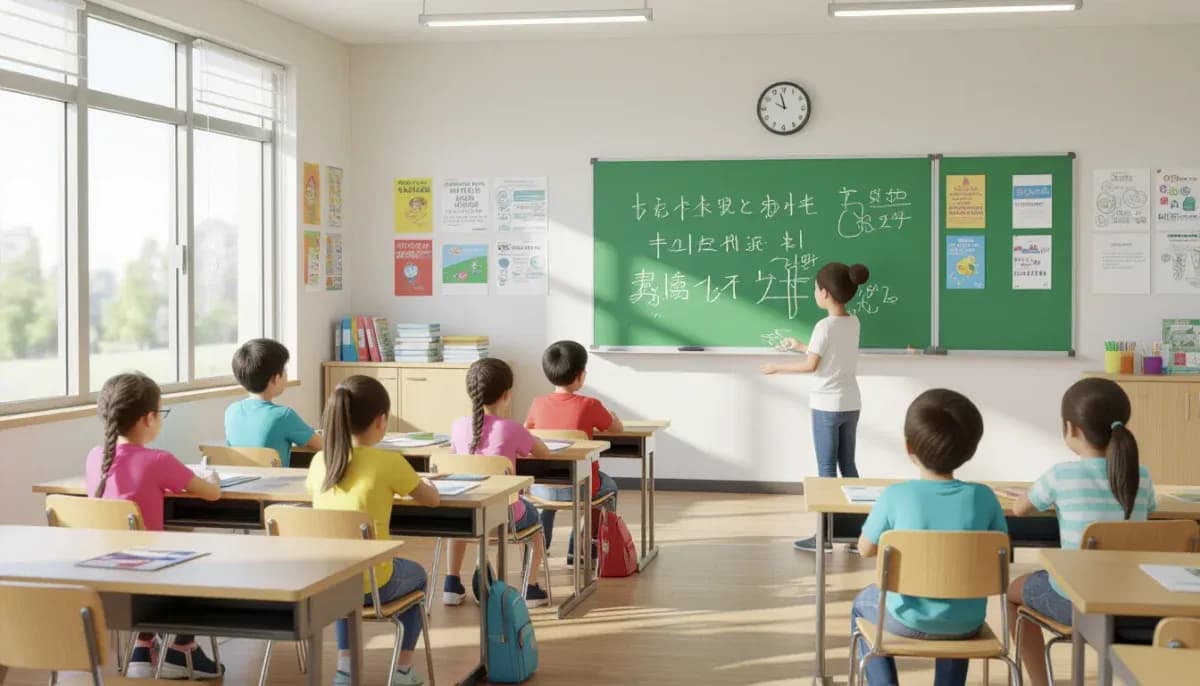
Complete guide to international school tuition fees in Japan. Covers budget to premium tiers, hidden costs, 12-year totals, boarding schools, and financial aid options for expat families.
International School Tuition and Fees in Japan: Complete Breakdown for Families
For foreign families living in Japan, choosing an international school is often the most significant financial decision you will make. Japan has a robust international school ecosystem — particularly in Tokyo, Osaka, and Yokohama — but the costs can vary enormously. Whether you are a newly arrived expat trying to budget or a long-term resident weighing school options, understanding the full picture of fees is essential.
This guide breaks down international school tuition fees across every tier, explains the hidden costs that many families overlook, and outlines what financial support is available to help manage the expense.
How Much Does International School Cost in Japan?
The average annual tuition at an international day school in Tokyo ranges from JPY 1,200,000 to over JPY 5,500,000 per year, depending on the school tier and grade level. In less expensive cities like Osaka or Nagoya, fees tend to be lower, but the range is still significant.
Here is a high-level overview of the three main pricing tiers:
| Tier | Annual Tuition (Primary) | Typical Schools |
|---|---|---|
| Budget | JPY 1,200,000 – 2,200,000 | K. International School Tokyo (KIST), Global Indian International School (GIIS), Laurus International School |
| Mid-Tier | JPY 2,500,000 – 3,500,000 | British School in Tokyo (BST), Canadian International School Tokyo, Yokohama International School |
| Premium | JPY 3,800,000 – 5,500,000+ | American School in Japan (ASIJ), International School of the Sacred Heart, Seisen International School |
For secondary school and IBDP programs, mid-tier fees rise to JPY 3,500,000–4,500,000 and premium schools can reach JPY 4,500,000–5,800,000 per year.
For a broader look at the international school landscape before diving into costs, see our guide to International Schools in Japan.
Budget Tier: Affordable International Options
Budget-tier schools in Japan typically offer internationally recognized curricula — such as Cambridge, IB PYP, or a national home-country curriculum — at more accessible price points. These schools often have smaller class sizes and a more community-oriented feel.
Common characteristics:
- Annual tuition: JPY 1,400,000–2,200,000 for primary
- Often cater to a specific nationality or language group (Indian, Korean, Chinese)
- May not offer the full IB Diploma Programme at the high school level
- Facilities may be less extensive than premium schools
For families where employer education allowances are limited, budget-tier schools can make international education financially viable. KIST and GIIS Tokyo are popular choices among cost-conscious expat families.
Mid-Tier and Premium Schools: What You Get for the Price
Mid-tier and premium schools justify their fees through accredited international programs (IB, Cambridge IGCSE, A-Levels), experienced international faculty, modern facilities, and strong university placement records.
American School in Japan (ASIJ) — one of the most recognized schools in Asia — charges approximately JPY 4,000,000–5,200,000 for primary and JPY 4,500,000–5,800,000 for secondary/IBDP. The British School in Tokyo charges roughly JPY 2,930,000–3,030,000 per year, making it a mid-to-upper-tier option with strong UK curriculum credentials.
For families comparing curriculum types (IB, AP, Cambridge), the Japan Dev guide to international schools in Japan provides a helpful overview.
If you are researching how these costs fit into overall family financial planning in Japan, see our article on Financial Planning for Expat Families Raising Children in Japan.
Hidden and Additional Fees You Must Budget For
Tuition is only part of the cost. International school families routinely encounter a long list of additional expenses that can add hundreds of thousands — or even millions — of yen to the annual bill.
One-Time Enrollment Fees
Most international schools charge a non-refundable enrollment or registration fee when your child first joins:
- Typical range: JPY 300,000–800,000+
- Some premium schools charge up to JPY 1,800,000 as an admission or "building fund" fee
- Entrance exam fees: JPY 30,000–50,000
Annual Add-On Costs
Beyond tuition, expect to budget for:
| Cost Category | Estimated Annual Amount |
|---|---|
| Learning support / EAL services | JPY 400,000 – 1,200,000+ |
| School bus / transportation | JPY 200,000 – 400,000 |
| Uniforms and school supplies | JPY 50,000 – 150,000 |
| School trips and excursions | JPY 100,000 – 300,000 |
| Extracurricular activities | JPY 50,000 – 200,000 |
| PTA fees | JPY 10,000 – 30,000 |
Exam Fees
If your child sits for international examinations:
- IGCSE, IB, or A-Level exam sessions: JPY 300,000–800,000+ per sitting
For reference, detailed fee breakdowns by specific schools are available from tutopiya's international school fees guide for Japan.
The Total 12-Year Cost: Planning Ahead
When you consider the full K-12 journey, the financial commitment becomes clear:
| School Type | Estimated 12-Year Total |
|---|---|
| Japanese public school | ~JPY 5,000,000 |
| Japanese private school | ~JPY 15,000,000 |
| International school (mid-tier) | ~JPY 24,000,000 |
| International school (premium) | ~JPY 36,000,000 |
This means choosing international education for your child costs between JPY 24 million and JPY 36 million over 12 years — roughly 5 to 7 times the cost of Japanese public schooling.
For families staying in Japan long-term, building an education fund early is critical. The living in Japan education fund planning guide covers NISA accounts, education insurance, child allowance savings, and other strategies for accumulating the funds needed.
Boarding Schools in Japan
For families outside major cities, or those seeking a more immersive educational environment, boarding schools are an option — but at a significant premium:
| School | Estimated Annual Boarding Fees |
|---|---|
| Harrow Appi Japan | JPY 9,760,000 – 10,600,000 |
| Rugby School Japan | ~JPY 8,700,000 |
| UWC ISAK Japan | ~JPY 6,690,000 |
UWC ISAK offers the most generous need-based financial aid program among boarding schools, making it potentially accessible for high-achieving students from all income levels.
Financial Support and Subsidies
Government High School Support Program
Japan's "High School Enrollment Support Fund" offers up to JPY 396,000 per year in tuition support for eligible private high schools. However, the majority of international schools in Japan are classified as "miscellaneous schools" (kakushu gakko) under Japanese law and are not eligible for this subsidy. A small number of international schools accredited under Japan's education ministry or recognized by international evaluation bodies do qualify.
As of April 2025, public high school tuition in Japan is free with no income limits — but this applies only to Japanese public high schools, not international schools.
Municipal Subsidies
Cities such as Tokyo offer additional subsidies to accredited international schools. Families at eligible schools may receive substantial annual reductions. It is worth contacting your local ward office or the school's admissions office to confirm eligibility.
School-Specific Financial Aid
- UWC ISAK Japan has the most comprehensive need-based scholarship program
- Harrow Appi offers bursaries and sibling discounts
- Many schools offer sibling discounts of 10–20% from the second child onward
For information on all available government benefits and child-related subsidies in Japan, see our guide on Government Benefits and Subsidies for Families in Japan.
Also see the Japan Living Guide's overview of international school tuition fees for additional comparisons and school-specific data.
Tips for Managing International School Costs
1. Negotiate employer education allowances early Many multinational employers in Japan provide education allowances as part of expat packages. Understand the cap and which schools qualify before you commit.
2. Compare total cost of attendance, not just tuition Always request a full fee schedule including enrollment fees, activity fees, learning support, and exam costs before making your decision.
3. Consider location International school fees in Osaka, Kobe, or Nagoya are generally lower than Tokyo equivalents while still offering strong programs.
4. Ask about sibling discounts If you have multiple children, sibling discounts can meaningfully reduce total costs over time.
5. Start saving early Given the 12-year cost of JPY 24–36 million, starting a dedicated education fund as early as possible — using instruments like NISA or education insurance — can significantly reduce financial stress.
The forworkinjapan.com guide to family life in Japan for foreigners includes broader guidance on financial planning and settling in as a foreign family.
For families also navigating the question of Japanese language education alongside international school enrollment, our articles on Raising Bilingual Children in Japan and Teaching Japanese to Foreign Children offer practical guidance.
Frequently Asked Questions
Is international school worth the cost in Japan? For families who need English-language or home-country curriculum instruction, or who may move internationally again, international schools provide continuity and recognized qualifications. For families planning long-term residence, Japanese public schools combined with supplemental language and tutoring is a far more cost-effective route.
Can foreign children attend Japanese public schools for free? Yes. Foreign children have the right to attend Japanese public schools free of charge. The instruction is entirely in Japanese, but many schools offer JSL (Japanese as a Second Language) support. See our guide to the Japanese Education System for Foreign Families for details.
Do international schools in Japan accept Japanese children? Many international schools accept Japanese nationals, though some have caps or specific criteria. This has expanded the applicant pool significantly in recent years.
What is the cheapest accredited international school in Japan? Budget-tier schools like KIST and GIIS Tokyo offer internationally recognized curricula from around JPY 1.2–1.4 million per year — significantly below the Tokyo average.
For more information on the exam systems available to international school graduates, including returnee student pathways into Japanese universities, see the Chuukou Benkyou guide to returnee and foreign student exam systems.
International school fees in Japan are substantial, but understanding the full cost landscape — tuition tiers, hidden fees, financial aid, and long-term totals — allows you to make an informed decision for your family. Whether you choose budget, mid-tier, or premium, planning ahead and understanding all available financial support options will help you manage the investment effectively.

Originally from Vietnam, living in Japan for 16+ years. Graduated from Nagoya University, with 11 years of professional experience at Japanese and international companies. Sharing practical information for foreign parents raising children in Japan.
View Profile →Related Articles
International School vs Japanese School: Pros and Cons
Compare international schools and Japanese public schools in Japan. Detailed cost breakdown, language considerations, and practical advice for expat families choosing the right school.
Read more →
Japanese Language Classes at International Schools
Complete guide to Japanese language programs at international schools in Japan. Learn about JSL, bilingual education, top schools, JLPT prep, and how to support your child's Japanese learning.
Read more →
Extracurricular Activities at International Schools in Japan
Discover sports, arts, robotics, MUN, and community service programs at international schools in Japan. A complete guide for expat families choosing the right activities for their children.
Read more →
International School Admission Process in Japan
Step-by-step guide to international school admission in Japan for expat families. Covers requirements, costs, timelines, and how to navigate the application process successfully.
Read more →
Indian, Korean, and Other Ethnic Schools in Japan
Comprehensive guide to Indian, Korean, Chinese, Brazilian and other ethnic schools in Japan. Learn about IISJ, Chosen gakko, Brazilian schools, legal status, tuition, and how to choose the right school for your family.
Read more →
Online and Hybrid International School Options in Japan
Discover the best online and hybrid international school options in Japan for expat families. Compare costs, accreditation, and flexible programs from ¥300,000/year — a fraction of traditional international school fees.
Read more →