
Maternity and Childbirth Lump Sum Payment Guide

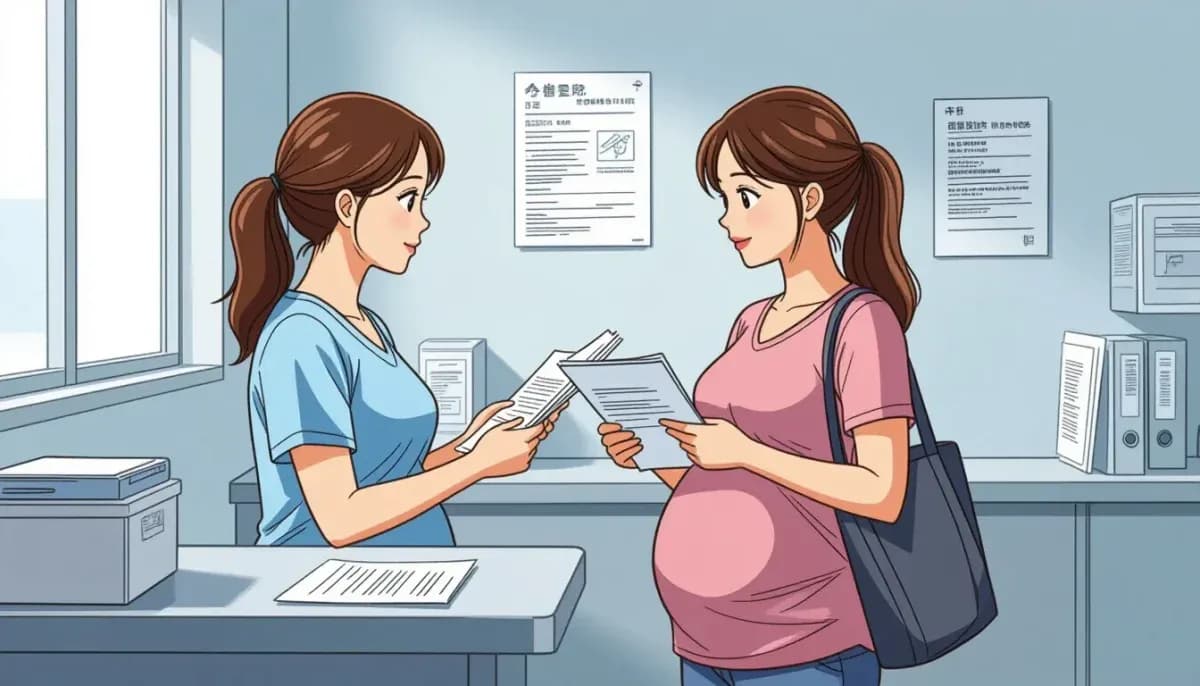
Complete guide to Japan's 500,000 yen childbirth lump sum payment (出産育児一時金) for foreign residents. Learn eligibility, how to apply, required documents, and 2025-2026 policy updates.
Maternity and Childbirth Lump Sum Payment Guide for Foreigners in Japan
Expecting a baby in Japan is an exciting milestone, but navigating the financial side can feel overwhelming—especially if you're a foreign resident unfamiliar with Japan's health insurance system. The good news is that Japan offers a generous childbirth lump sum payment (出産育児一時金, Shussan Ikuji Ichiji-kin) of 500,000 yen per child, and foreign residents enrolled in Japanese health insurance are fully eligible. This guide breaks down everything you need to know about qualifying, applying, and receiving this important maternity benefit.
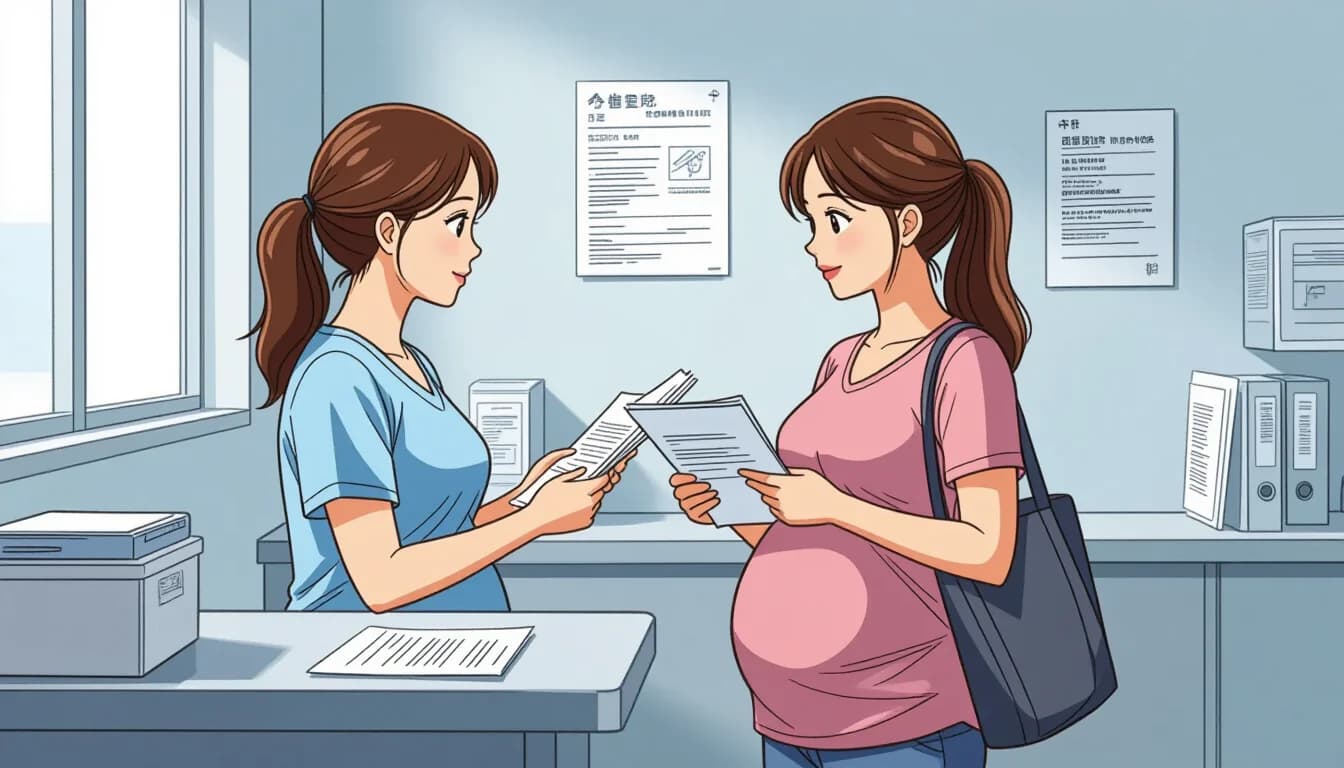
What Is the Childbirth Lump Sum Payment?
The childbirth lump sum payment (出産育児一時金) is a financial benefit provided by Japan's public health insurance system to help cover the costs of giving birth. As of April 1, 2023, the standard amount was raised to 500,000 yen per child, up from the previous 420,000 yen.
This payment is designed to offset the high cost of hospital delivery in Japan. The national average cost of childbirth currently stands at approximately 518,000 yen, and in high-cost cities like Tokyo, it can reach 625,000 yen or more. The 500,000 yen grant covers most or all of the cost in many regions of Japan.
Key Points at a Glance
| Feature | Details |
|---|---|
| Standard amount | 500,000 yen per child |
| Reduced amount | 488,000 yen (small hospitals, early birth, overseas) |
| Multiple births | 500,000 yen × number of children |
| Application deadline | 2 years from day after birth |
| Eligible enrollees | NHI and Shakai Hoken members (including foreigners) |
| Minimum pregnancy duration | 85 days (approximately 4 months) |
For more general information about giving birth in Japan as a foreigner, Living in Nihon has helpful resources about life in Japan for expats.
Who Is Eligible? (Foreign Residents Fully Qualify)
One of the most important things to understand is that foreign residents enrolled in Japanese health insurance are 100% eligible for this benefit. There is no nationality requirement. Whether you are covered under:
- National Health Insurance (国民健康保険 / NHI) — for self-employed individuals, freelancers, or those not covered by employer insurance
- Employee Health Insurance / Shakai Hoken (社会保険) — for company employees enrolled through their employer
...you qualify equally with Japanese nationals, as long as the following conditions are met:
- You are enrolled in Japanese health insurance at the time of birth
- The pregnancy reached at least 85 days (approximately 12 weeks / 4 months)
- The birth is in a hospital, clinic, or midwifery center (or overseas, in some cases)
What about a non-working spouse? If you are a dependent spouse covered under your partner's employer health insurance, you can still apply for the lump sum payment. The application is submitted through the working spouse's employer or health insurance union.
What about miscarriages or stillbirths? You may still be eligible at the reduced rate of 488,000 yen if the pregnancy lasted at least 85 days (12 weeks).
For expats navigating Japanese work visas and employment benefits, For Work in Japan provides practical resources for foreign workers in Japan.
How Much Will You Actually Receive?
Standard Rate: 500,000 Yen
The standard rate of 500,000 yen applies when:
- You deliver at a hospital or clinic that participates in the direct payment system
- The pregnancy is at least 22 weeks (approximately 5.5 months)
Reduced Rate: 488,000 Yen
A reduced rate of 488,000 yen applies when:
- You give birth at a small hospital or midwifery center that uses the Recipient Proxy System
- The birth occurs before 22 weeks of gestation
- You give birth overseas and apply retrospectively
Multiple Births
For twins or other multiple births, you receive 500,000 yen per child:
- Twins: 1,000,000 yen total
- Triplets: 1,500,000 yen total
What If the Hospital Bill Is Under 500,000 Yen?
If your total delivery costs are less than 500,000 yen, you receive the difference as a cash refund — typically within 1 to 2 months after the birth.
Three Ways to Receive the Payment
Japan offers three methods for receiving the childbirth lump sum payment. Your hospital or clinic will usually advise you which method they use.
Method 1: Direct Payment System (直接支払制度)
This is the most common method used by large hospitals and major clinics.
How it works:
- About 1–2 months before your due date, your hospital submits paperwork directly to your health insurer
- You sign an agreement form
- At discharge, you only pay the amount over 500,000 yen (if any)
- The hospital receives 500,000 yen directly from the insurer
- If your bill is under 500,000 yen, the remaining balance is refunded to you within 1–2 months
Best for: Most foreign residents delivering at large hospitals or university hospitals in Japan.
Method 2: Recipient Proxy System (受取代理制度)
Used by smaller hospitals and some midwifery centers.
How it works:
- About 1 month before delivery, you submit an application form to your insurer (your hospital helps with this)
- Your hospital applies on your behalf and receives 488,000 yen directly
- You pay any remainder at discharge
Note: This system uses the reduced 488,000 yen base amount rather than 500,000 yen.
Method 3: Post-Birth Retrospective Application (事後申請)
Used when neither direct payment nor proxy payment is available — for example, if you deliver at a hospital that doesn't participate in either system, or if you give birth overseas.
How it works:
- You pay the full hospital bill upfront
- After returning home (or after birth), you submit a reimbursement claim to your insurer
- You receive 500,000 yen (or 488,000 yen) directly into your bank account
Application deadline: You have 2 years from the day after the birth to submit your claim.
For Japanese language study support related to navigating paperwork, Chuukou Benkyou offers useful study resources for understanding Japanese documents.
Required Documents for Application
The specific documents required depend on your insurer and payment method. Here is a general checklist:
| Document | Purpose |
|---|---|
| Health insurance card (保険証) | Proof of enrollment |
| Birth certificate or delivery record | Proof of birth |
| Mother and Child Health Handbook (母子健康手帳) | Pregnancy/birth records |
| Applicant's ID (residence card, passport) | Identity verification |
| Bank account details (通帳 or account number) | For direct transfer |
| Application form from insurer | Varies by insurer |
| Medical receipts (for retrospective claims) | Proof of payment |
| Agreement form (for direct payment system) | Authorization |
Tip for foreign residents: Your city office (区役所 / 市役所) or your company's HR department can provide the correct application form. Many city offices in major cities have multilingual staff or can arrange an interpreter. You can also ask your OB-GYN clinic to help guide you through the paperwork.
If you're looking for an English-speaking OB-GYN in Japan, see our guide on Finding an English-Speaking OB-GYN in Japan.
Step-by-Step Application Guide for Foreign Residents
Step 1: Confirm Your Insurance Enrollment
First, confirm that you are enrolled in either National Health Insurance or Shakai Hoken. If you work for a Japanese company, you should be enrolled automatically. If you are freelance or self-employed, you must enroll at your local city office.
Step 2: Find Out Which Payment System Your Hospital Uses
When you register at your hospital or clinic (typically in the first trimester), ask which payment system they use — direct payment, proxy system, or neither. This determines how and when you'll submit paperwork.
Step 3: Complete the Required Forms
For the direct payment system: Your hospital will provide an agreement form to sign approximately 1–2 months before your due date.
For the proxy system: Your hospital will help you submit an application to your insurer about 1 month before delivery.
For the retrospective method: After the birth, contact your insurer (or city office for NHI) for the reimbursement form.
Step 4: Submit Your Application
Bring or mail the completed forms and required documents to:
- Your employer's HR department (for Shakai Hoken)
- Your health insurance union (健康保険組合)
- Your local city office (for NHI)
Step 5: Receive Your Payment
Under the direct or proxy system, you pay only the remaining balance at the hospital. Under the retrospective method, your reimbursement will be deposited into your bank account, typically within 4–6 weeks.
For more information about the allowances and child benefits available to new parents in Japan, Japan Dev's complete maternity and childcare guide is an excellent resource.
2025–2026 Policy Updates: What's Changing?
Japan's government is implementing significant changes to make childbirth more affordable:
2026: Free Vaginal Deliveries Under Public Health Insurance
Starting in fiscal year 2026, Japan plans to bring standard vaginal deliveries under public health insurance coverage, effectively making them free with no co-payment. Cesarean sections will retain a 30% co-payment.
This is a major shift from the current system, where childbirth is not covered by health insurance and the lump sum acts as a de facto subsidy.
New Child and Family Support Premium (子ども子育て支援金)
To fund the expanded family support system, a new health insurance premium surcharge averaging 250–450 yen per person per month will be added starting April 2026. This funds broader childcare and education support programs.
What This Means for Foreign Residents
Foreign residents enrolled in Japanese health insurance will benefit from the 2026 changes equally. If you are planning a pregnancy in 2025 or 2026, it is worth consulting your OB-GYN about the timing of these policy transitions.
For a detailed breakdown of the 2026 changes, see the Japan Today guide to new childbirth and education support in 2026.
Frequently Asked Questions
Q: Can I apply if I gave birth overseas? Yes. You can apply using the retrospective method within 2 years of the birth. You will typically receive the reduced rate of 488,000 yen. Bring your birth certificate and any overseas hospital receipts.
Q: What if I change health insurance during my pregnancy? In general, you apply through the insurance you were enrolled in at the time of birth. If you switched insurers during pregnancy, check with both your previous and current insurer to confirm which one processes the payment.
Q: Is the lump sum taxable income? No. The childbirth lump sum payment is not considered taxable income in Japan.
Q: Can I combine this with other benefits? Yes. You can receive the lump sum payment alongside other benefits such as the child allowance (児童手当), birth notification certificate (出生届), maternity leave salary, and prenatal check-up subsidy. See our guides on daycare and hoikuen in Japan and dependent visa requirements for children for more post-birth planning.
Q: What if I have a miscarriage? If the pregnancy lasted at least 85 days (about 12 weeks), you are eligible for the benefit at the reduced rate of 488,000 yen. Contact your insurer or city office as soon as possible after the loss.
Summary: Childbirth Lump Sum for Foreigners in Japan
Japan's childbirth lump sum payment is one of the most generous maternity benefits for new parents in Asia, and foreign residents are fully entitled to receive it. Here's a quick summary:
- Amount: 500,000 yen (or 488,000 yen in certain cases)
- Who qualifies: All Japanese health insurance members, including foreign residents
- How to apply: Through your hospital (direct/proxy) or directly to your insurer (retrospective)
- Deadline: 2 years from the day after birth
- Languages: Many city offices and hospitals have multilingual support available
For a broader look at what to expect when giving birth in Japan as a foreigner, Japan Dev's ultimate guide to giving birth in Japan and Savvy Tokyo's cost breakdown are excellent companions to this guide. Also check our related article on Finding an English-Speaking OB-GYN in Japan and Essential Baby Products Available in Japan to continue preparing for your new arrival.


Originally from Vietnam, living in Japan for 16+ years. Graduated from Nagoya University, with 11 years of professional experience at Japanese and international companies. Sharing practical information for foreign parents raising children in Japan.
View Profile →Related Articles

Recent Policy Changes Affecting Foreign Families in Japan
Stay up to date on Japan's 2024–2025 immigration policy changes for foreign families, including PR language requirements, SSW2 family rules, My Number health card updates, childcare programs, and fee increases.
Read more →
Regional Differences in Family Support Programs in Japan
Discover how Japan's family support programs vary dramatically by region — from Tokyo's ¥5,000/month child supplements and free childcare to rural relocation bonuses of ¥1,000,000 per child. A complete guide for foreign families.
Read more →
How to Apply for Government Family Benefits in Japan
Complete guide for foreign residents on how to apply for Japan's government family benefits: child allowance, childbirth lump sum, medical subsidies, and more. Step-by-step application instructions.
Read more →
Housing Subsidies and Support for Families in Japan
A complete guide to housing subsidies, rent assistance, and support programs for families in Japan — including the Housing Security Benefit, relocation incentives, and home loan tax relief for foreigners.
Read more →
Education Subsidies and Free Textbooks in Japan
Complete guide to education subsidies in Japan for foreign families: free textbooks, high school tuition support, Shugakuhi Hojo, and early childhood care benefits. Who qualifies and how to apply.
Read more →
Municipal Family Support Programs Across Japan
Complete guide to municipal family support programs in Japan for foreign residents. Learn about child allowances, free daycare, medical subsidies, and how to apply in 2025.
Read more →